Walk into almost any American high school library today and you’ll notice something strange: some of the most decorated novels in modern literature are missing from the shelves. Not misplaced, not checked out, simply gone. Over the past few years, school districts across the country have pulled thousands of titles from classrooms and libraries, and the numbers keep climbing rather than leveling off. This isn’t a fringe phenomenon anymore. PEN America has documented nearly 23,000 book bans in public schools nationwide since 2021, a number never before seen in the life of any living American. The following ten novels represent some of the most persistently targeted works in that ongoing wave, books that keep resurfacing on ban lists year after year despite their literary reputations.
A Clockwork Orange by Anthony Burgess
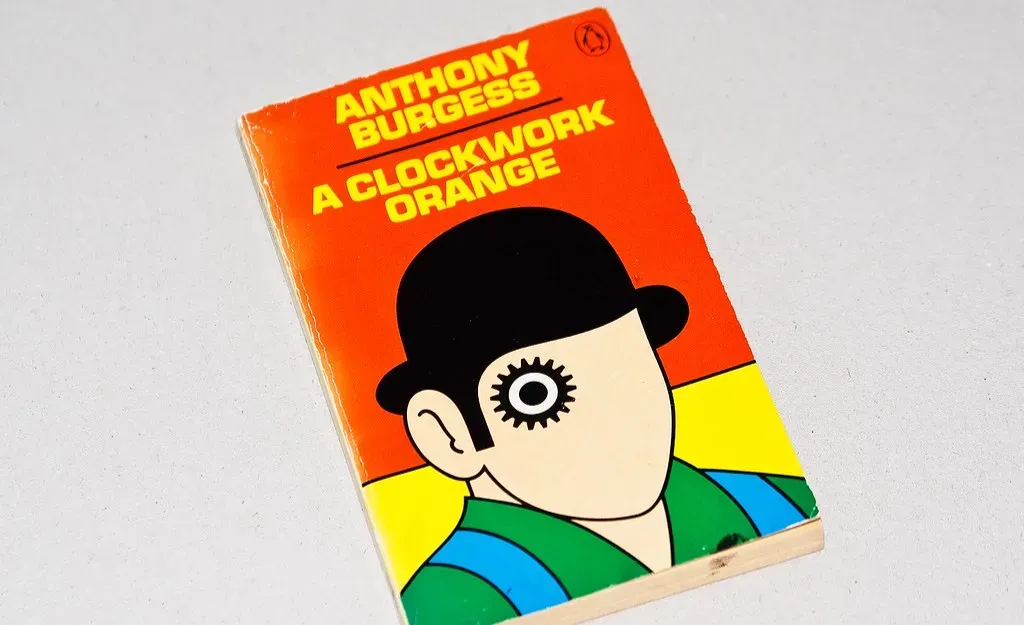
Few novels have had as strange a journey as this one. Burgess wrote a dark satire about free will and violence in 1962, and more than six decades later it remains a lightning rod. It was banned in 23 districts in the 2024-25 school year, making it one of the most frequently removed titles tracked by PEN America.
The book’s reputation as difficult reading isn’t new. The 1962 novel was adapted into an Oscar-nominated film by Stanley Kubrick in 1971 and was named one of Time’s 100 best English-language novels and one of Modern Library’s 100 Best Novels. That pedigree hasn’t shielded it from challenges; if anything, its unflinching violence keeps giving objectors ammunition.
Nineteen Minutes by Jodi Picoult
Picoult’s novel about the buildup to and aftermath of a school shooting has become something of a fixture on ban lists. Picoult’s Nineteen Minutes, about the moments leading up to and the devastating aftermath of a school shooting, was the 10th most frequently banned book of the 2024-2025 school year, after being the most frequently banned in the previous year.
What makes this case interesting is the disconnect between the book’s intent and its treatment. It was written as a meditation on bullying and trauma, not as an endorsement of violence. Yet its graphic content and difficult subject matter continue to make it a target for districts wary of controversy.
Looking for Alaska by John Green
Long before Green became a household name for The Fault in Our Stars, this coming-of-age novel established his career, and it has been fighting censorship battles almost as long. John Green’s popular young adult novel Looking for Alaska was most frequently banned, followed by Jodi Picoult’s book centered around a school shooting, Nineteen Minutes.
The novel’s frank depiction of teenage sexuality and grief has made it a repeat target across multiple school years, not just a single controversial moment. Its ranking near the very top of PEN America’s cumulative list since 2021 says something about how consistently it draws objections, even as it remains one of the most widely read YA novels of the last two decades.
Sold by Patricia McCormick
McCormick’s verse novel about a girl trafficked into sexual slavery in India is difficult reading by design. The most-banned book in the country in the 2023-24 school year was Anthony Burgess’ A Clockwork Orange, followed by Patricia McCormick’s 2006 young adult title Sold, a fictional account of a girl sold into sexual slavery in India that was named one of the American Library Association’s best YA books.
The irony here is hard to miss. A book written specifically to raise awareness about human trafficking gets pulled from shelves for containing the very content that makes that awareness possible. Educators who have taught it argue the discomfort is the point, since sanitizing the subject would defeat the purpose of the story entirely.
Breathless by Jennifer Niven
Niven’s 2020 coming-of-age novel follows Claudine Henry as she navigates her parents’ divorce while preparing for college. Niven’s 2020 novel is a coming-of-age love story that was banned in 20 school districts.
The novel deals with first relationships, family upheaval, and the messy transition into adulthood, themes that have historically appeared in classroom reading lists without incident. Its recent removal from numerous districts reflects a broader pattern where contemporary YA fiction dealing with romance and identity draws far more scrutiny than it did even five years ago.
Last Night at the Telegraph Club by Malinda Lo
Lo’s historical novel set in 1950s San Francisco won significant acclaim upon release, yet that hasn’t insulated it from repeated bans. Lo’s young-adult historical novel about love and duty in 1950s San Francisco was banned in 19 school districts in the 2024-25 school year. The critically acclaimed 2021 novel won a long list of awards, including a National Book Award, Stonewall Book Award.
Partner offer
The book’s queer coming-of-age narrative places it squarely in the category of titles most frequently targeted nationwide. Books with LGBTQ themes and characters, like Gender Queer and Last Night at the Telegraph Club, are consistently among the most banned books highlighted in the annual reports of PEN America and the American Library Association.
A Court of Thorns and Roses (series) by Sarah J. Maas
Maas built a massive fanbase writing romantasy for young adults, and that popularity has made her one of the most banned authors in the country. Two books in the Sarah J. Maas Court of Thorns and Roses series were among the 10 most banned books of the 2024-2025 school year, and five more of her books were banned in 12 or more districts.
The scale of the challenges against her work is striking given that these are fantasy novels, not overtly political texts. Sarah J. Maas faced 162 instances of book bans in the 2024-2025 school year alone, a number that places her among the most frequently targeted novelists writing today, regardless of genre.
Crank by Ellen Hopkins
Hopkins writes in verse about addiction, trauma, and the underside of adolescence, and her books have drawn sustained attention from censors for years. Hopkins’ Crank was sixth on the list of the most frequently banned books of the 2024-2025 school year, with Identical, Perfect, Tilt, and Tricks also frequently banned.
What sets Hopkins apart is the sheer breadth of her catalog appearing on ban lists simultaneously. It’s rarely a single title drawing fire; it’s an entire body of work built around unflinching portrayals of teenage struggle, which makes her one of the few authors whose removal from shelves feels systemic rather than incidental.
Works by Stephen King
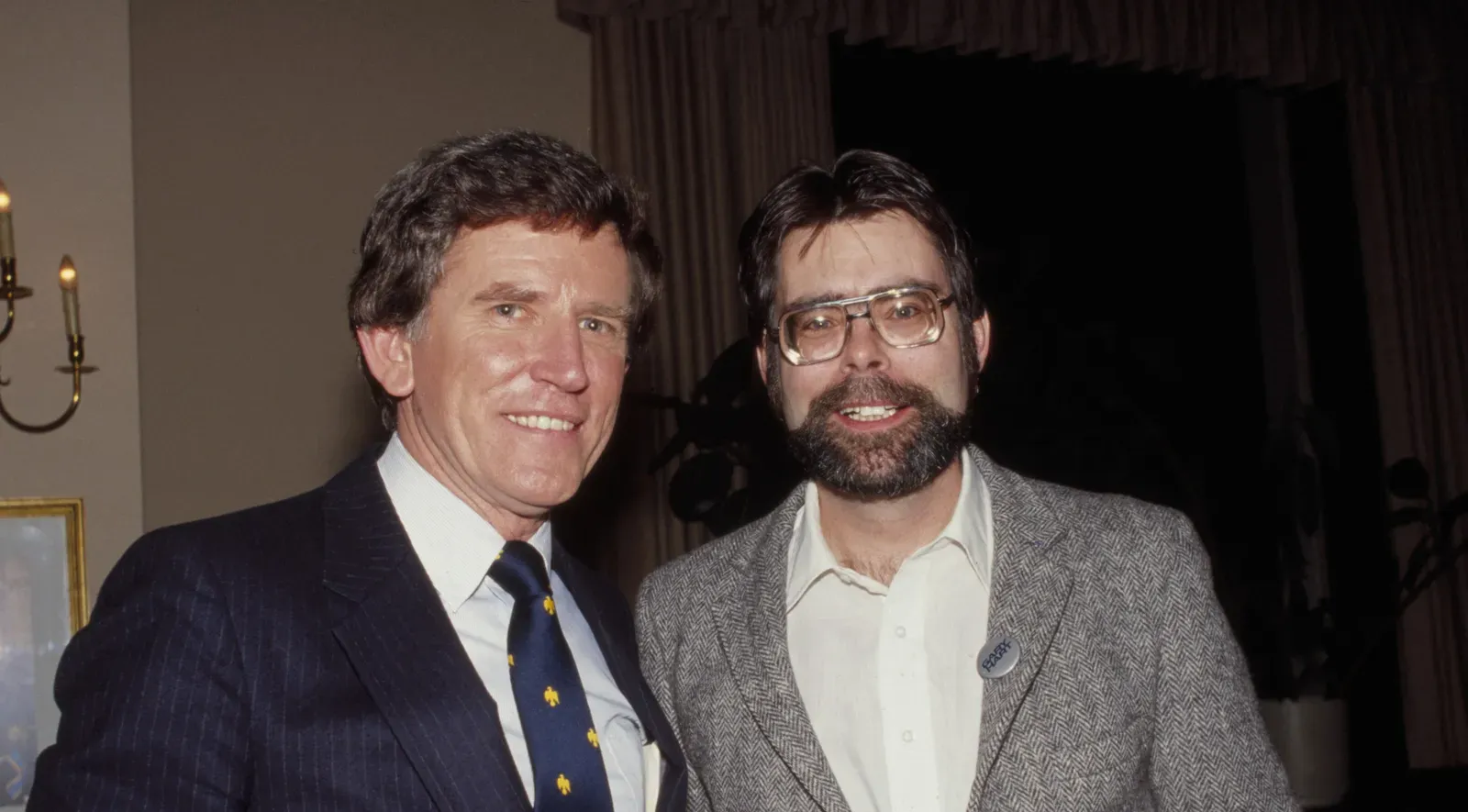
It might surprise casual readers that America’s best-selling horror novelist tops the list of most banned authors, but the numbers are unambiguous. The most banned author in U.S. public schools in the 2024-2025 school year was the prolific bestselling novelist Stephen King, with 206 instances of book bans and 87 titles affected.
The range of titles caught up in these bans is notable. In several school districts, King’s books were swept from shelves, including bestsellers like It and Christine and even his craft memoir On Writing. That a writing guide got swept up alongside horror fiction suggests these removals sometimes happen by author name rather than by careful review of individual content.
Gender Queer by Maia Kobabe
Kobabe’s graphic memoir has occupied a strange position on ban lists, having been the most targeted title at one point before falling off more recent top rankings, not because scrutiny eased but because the book has already been removed from so many places. Gender Queer, a graphic memoir that debuted in 2019, was No. 1 on PEN America’s Most Banned Books List in 2022, though it didn’t even make the top 15 on this year’s list.
One author whose 2021 novel also appeared on the recent list offered a blunt explanation for why other perennial targets like Gender Queer have dropped in ranking: the book made the cut “partly because all of the usual titles like ‘Gender Queer’ have already been banned and removed.” That comment captures something important about how these lists work. A falling rank doesn’t always mean a book is safer; sometimes it just means there’s nothing left to ban.
The scale of the current wave
These ten titles don’t exist in isolation. They’re part of a much larger pattern that has accelerated sharply since 2021. In the 2024-2025 school year, PEN America recorded 6,870 instances of book bans affecting nearly 4,000 unique titles, and for the third straight year, Florida was the No. 1 state for book bans, with 2,304 instances, followed by Texas with 1,781 bans and Tennessee with 1,622.
The library world is seeing similar numbers from a different angle. During National Library Week 2026, the American Library Association released data showing 4,235 unique titles challenged in 2025, the second highest ever documented, just five behind the record set in 2023. Perhaps more telling than the raw totals is who’s doing the challenging. In 2025, 92% of all book challenges were initiated by pressure groups, government officials and decision makers, up from 72% in 2024, while less than 3% of challenges originated from individual parents. That shift, from individual concern to organized campaign, marks a genuine change in how censorship happens in American schools.
Partner offer
Planning a trip to Vegas?
Compare hotel rates and show tickets on VEGAS.com.