
Listen to a good audiobook and you’ll often forget that one person is doing every voice. The grumpy uncle, the nervous teenager and the narrator’s own calm tone all seem to come from different places. That effect doesn’t happen by accident. It comes from preparation, a lot of it, and much of it takes place long before the microphone is switched on.
This article looks at the general methods narrators and coaches commonly describe: reading ahead, building character profiles, choosing vocal traits, and keeping voices consistent across many hours of recording. I haven’t cited specific studies or statistics, since there’s little hard data on this craft. What follows is based on widely shared professional practice.
Reading the Whole Book First

Most narrators begin by reading the entire manuscript before recording anything. This isn’t a casual read. They’re looking for who appears, when they appear, and how they change. A character who seems minor in chapter two may turn out to matter in the final act, and the voice has to leave room for that.
Reading ahead also prevents unpleasant surprises. If a character is described as having an accent or a physical trait late in the book, the narrator needs to know before choosing a voice for them. Many narrators mark up their scripts or keep notes for exactly this reason.
Building a Character Profile

Narrators often treat characters the way actors do. They note age, background, temperament, social class and what the character wants. These details guide choices such as pace, pitch and energy. A confident executive usually doesn’t speak like a shy student, and the profile helps explain why.
The author’s own words are the best source. Descriptions of how someone speaks, moves or reacts often hint at a voice. When the text is vague, narrators make careful choices that fit the story’s setting and tone, and some contact authors or publishers with questions about pronunciation or intent.
Choosing Distinct Vocal Traits

Rather than relying on dramatic impressions, many narrators vary a few simple elements. Pitch, speed, rhythm, volume and resonance can all shift subtly. One character might speak slowly with a lower register, another quickly with clipped phrasing.
Subtlety matters here. Over-the-top voices tend to tire listeners and can become hard to sustain over a long recording. Many professionals favor suggestion over imitation, giving just enough difference that the listener always knows who is talking.
Handling Accents and Dialects

Accents are among the trickiest parts of the job. Narrators typically research them through recordings, native speakers or dialect coaches. A poorly done accent can pull listeners out of the story, and it can come across as insulting if it leans on stereotype.
Because of that risk, some narrators hint at an accent through rhythm and a few key sounds instead of a full imitation. Others decline a project, or publishers hire a narrator who naturally speaks that way. The right choice depends on the book and the performer’s real skills.
Creating Voices for Men, Women and Children

Many narrators voice characters of different genders and ages, and they usually avoid caricature. Instead of a falsetto or an exaggerated growl, they often shift placement, breath and attitude. A believable younger character, for example, might come from lighter energy and quicker emotional shifts rather than a squeaky tone.
Some productions use more than one narrator, which is common in books with multiple viewpoints or dual timelines. Full-cast recordings go further, assigning roles to different actors. Both approaches are established formats, and the choice is usually about the story’s needs and the publisher’s budget.
Keeping Track of Voices Across Hours of Audio
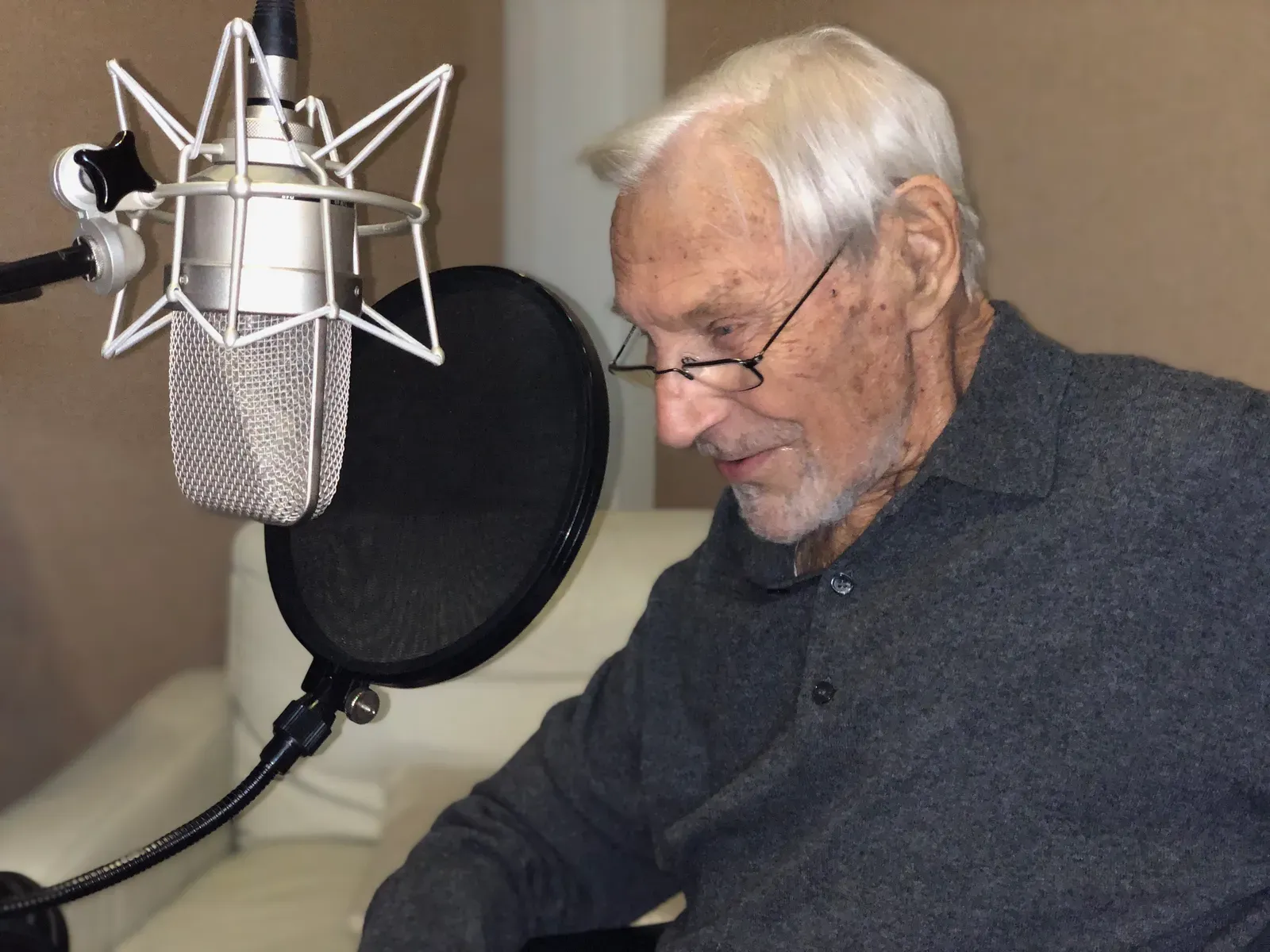
A full-length book can take many hours to record, often over several days or weeks. A voice chosen in chapter one has to sound the same in chapter thirty. Narrators solve this with notes, character sheets and short reference clips recorded when a voice is first created.
Producers and directors help too. Some studios use a proofing or editing stage where someone checks pronunciation and consistency against the script. When a recording session resumes after a break, narrators often listen to earlier material to get back into the right sound.
Protecting the Voice and Staying Natural

Long sessions are physically demanding, so narrators pay attention to hydration, warm-ups and rest. Voice professionals commonly recommend avoiding strain, especially when a character requires a rough or unusual sound. A voice that’s pushed too hard can sound worse and may cause real vocal problems.
Staying natural also helps the listener. The goal isn’t a flashy performance but a clear, immersive one. Many narrators say the best character work is the kind you don’t notice, because the story simply flows.
Conclusion
in audiobooks come from planning: reading the whole text, defining each character, choosing a few distinct vocal traits, researching accents carefully and tracking everything over time. None of it relies on gimmicks. It relies on craft and consistent habits.
The next time a character in an audiobook feels completely real, remember that someone decided exactly how that person would breathe, pause and speak, and then made it sound effortless.