
Walk backstage before a big show and you’ll often hear it before you see anyone: a low hum, a lip trill, a rolling siren drifting down a hallway. Warming up is one of the least glamorous parts of a singer’s day, yet it’s among the most consistent.
Voice teachers and speech-language pathologists generally describe the voice as a muscular system that responds well to gradual preparation. The routines below are common across classical, pop, and musical theater settings, and they’re built on widely taught vocal pedagogy rather than any single singer’s secret.
Gentle Humming to Wake Up the Voice

Humming is often the first thing a singer does. It uses a closed mouth and light airflow, so the vocal folds can start vibrating without much strain. Many teachers suggest starting in a comfortable middle range and staying at a low volume.
The sensation to look for is a light buzz around the lips and nose. If it feels tickly, that’s usually a sign the sound is placed forward and the effort is low. Singers often hum for a minute or two before moving on to anything bigger.
Lip Trills for Breath and Tone Balance

Lip trills, sometimes called lip bubbles, are a staple in studios everywhere. The lips flutter as air passes through them, which creates gentle resistance that many voice professionals say helps balance airflow and vocal fold vibration. They also tend to relax the face and jaw.
Singers commonly slide up and down their range on a trill, since it’s hard to push the voice hard while doing it. If the trill keeps breaking, it can be a useful clue that breath support is uneven or that tension has crept in.
Straw Phonation, Backed by Research

Singing or humming through a narrow straw, often called semi-occluded vocal tract exercise, has attracted real scientific attention. Researchers, including the Utah based voice scientist Ingo Titze, have studied how the narrow opening changes pressure in the vocal tract and can make voicing feel easier. Many clinicians now use straw exercises for both warm-up and recovery.
Some singers use a regular drinking straw, while others use a stirring straw or a straw placed in a cup of water for bubbling. Evidence on the long term benefits is still developing, but the technique is popular because it’s low impact and easy to carry on tour.
Sirens and Glides Through the Range

A siren is a smooth slide from low to high and back, usually on sounds like “ng” or “oo.” It helps singers move through registers without a sudden jump. Starting small and widening the range over several repetitions is the typical approach.
Sirens are a good check on vocal flexibility, too. If the voice cracks or gets breathy at one spot, singers often note that area and approach it gently rather than forcing past it.
Partner offer
Diaphragmatic Breathing and Posture Setup

Breath work usually comes before any serious singing. A common drill is inhaling slowly through the nose or mouth while letting the lower ribs and belly expand, then releasing the air on a steady hiss or “sss.” Counting the length of the exhale gives a simple way to track control.
Posture matters here as well. Standing with feet about hip width apart, shoulders loose, and head balanced over the spine gives the breath room to move. Plenty of vocal coaches treat this as the foundation for everything that follows.
Gentle Neck, Jaw, and Shoulder Release
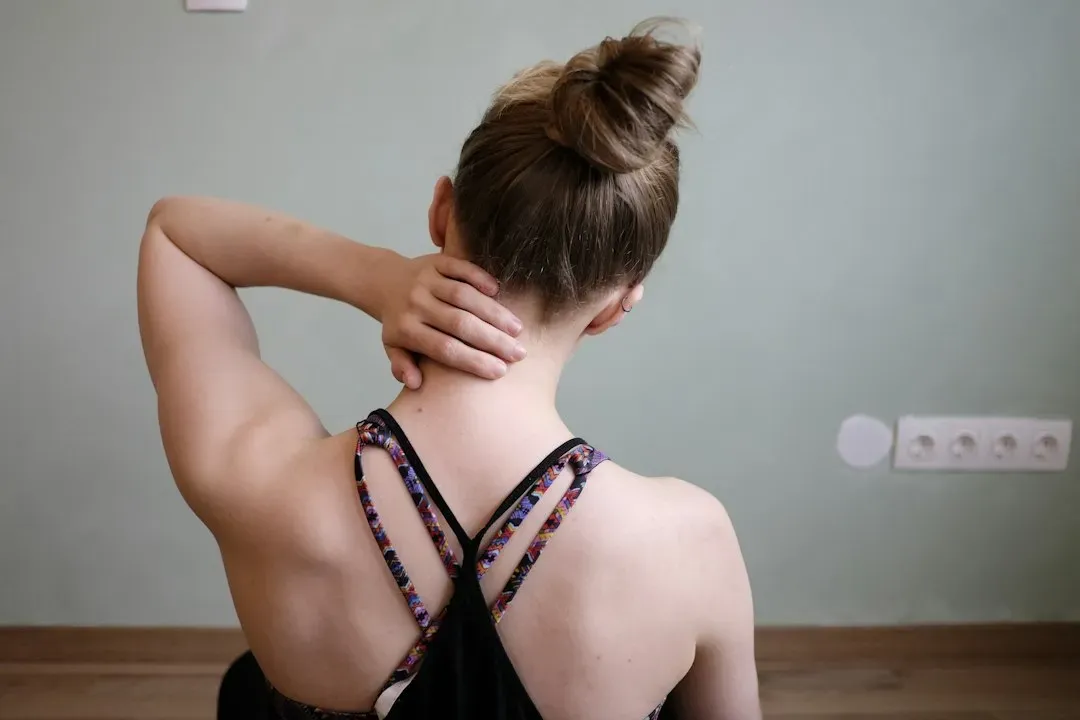
Physical tension can show up directly in the sound, so many singers loosen up their bodies first. Slow neck rolls, shoulder shrugs, and gentle jaw massage are common. Some people also stretch the tongue by sticking it out and moving it side to side.
The goal isn’t to work the muscles hard but to notice where tightness lives. A clenched jaw or raised shoulders can limit resonance and make high notes feel harder than they should.
Five Note Scales on Open Vowels

Once the voice feels awake, singers typically move to simple scales. Five note patterns on vowels like “ah,” “eh,” and “oh” are classics, shifting up by half steps and then back down. They build coordination without demanding much range at the start.
Many singers use consonant and vowel combinations such as “mah” or “nee” to help the sound stay forward and clear. Volume stays moderate until the voice feels stable, and the range expands a little at a time.
Articulation Drills and Tongue Twisters

Clear diction matters in a live room, so singers often run through articulation exercises. Tongue twisters, rapid syllable patterns like “ta ka ta ka,” and exaggerated lip and tongue movements get the speech muscles moving. This is especially useful for fast lyrics.
The exercises usually start slowly and speed up as accuracy improves. Performers who sing in several languages sometimes practice lines from the actual set list so the tricky transitions are already familiar.
Hydration, Steam, and Rest as Part of the Routine

Many professionals treat water and rest as part of warming up, not as extras. The vocal folds are lubricated by the body’s internal hydration, so drinking water steadily during the day tends to work better than gulping it right before a show. Voice specialists commonly note that sipped water doesn’t touch the vocal folds directly, which is why consistency matters.
Some singers also use steam inhalation, often through a personal steamer, to comfort a dry throat. Others protect their voice by limiting talking on show days and getting enough sleep. These habits aren’t dramatic, though they often make the difference between a tired voice and a dependable one.
Partner offer
Planning a trip to Vegas?
Compare hotel rates and show tickets on VEGAS.com.