Most crime writers get one great sleuth, and that’s plenty. A detective who sticks with readers for decades can support an entire career.
A smaller group managed it more than once. These six authors built separate investigators, each with a distinct voice, setting and following.
Agatha Christie: Hercule Poirot and Miss Marple
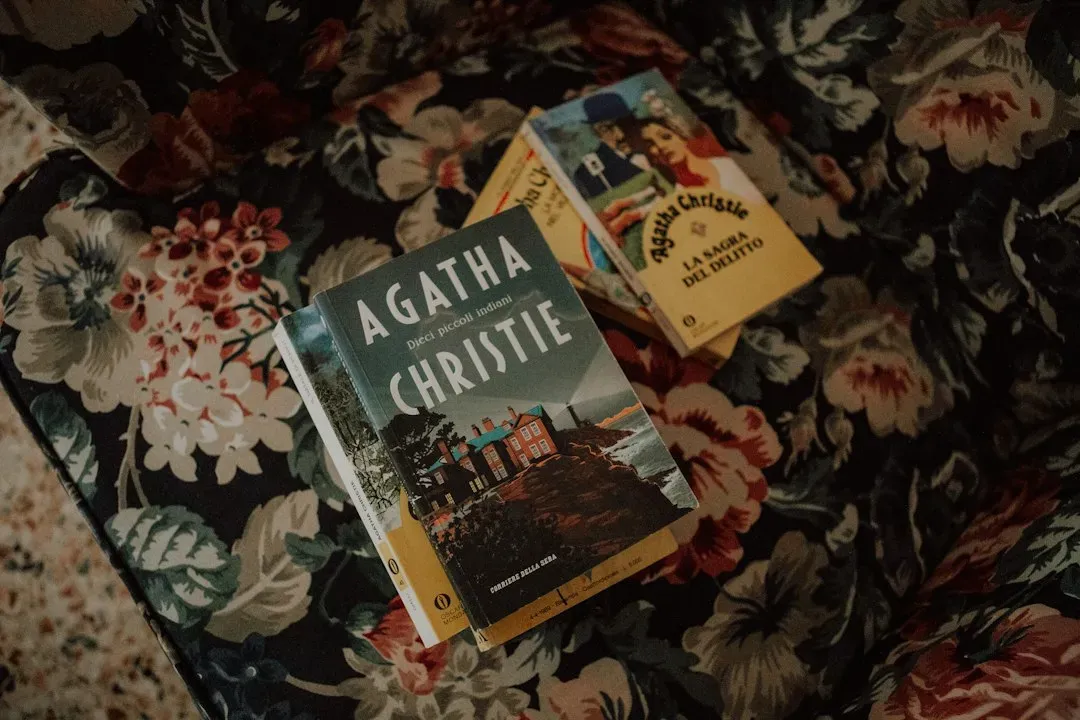
Christie introduced Hercule Poirot in The Mysterious Affair at Styles, published in 1920. The Belgian detective went on to appear in dozens of books and stories, including 33 novels. His final case, Curtain, appeared in 1975.
Miss Marple arrived in short stories in the late 1920s. She then took the lead in the 1930 novel The Murder at the Vicarage. Christie wrote 12 Marple novels, with Sleeping Murder published after her death in 1976, and the two sleuths work very differently. Poirot relies on order and method, while Marple draws on her understanding of village life and human nature.
Michael Connelly: Harry Bosch, Mickey Haller and Renée Ballard

Connelly launched Los Angeles detective Harry Bosch in The Black Echo in 1992. Bosch’s cases run through more than twenty novels, and the character reached a wide audience through the Amazon television adaptation. Connelly gave Bosch a long, evolving career instead of resetting him each time.
His second major figure is defense attorney Mickey Haller, who debuted in The Lincoln Lawyer in 2005. Renée Ballard followed in The Late Show in 2017. Connelly often links the three, so Bosch, Haller and Ballard share a single connected fictional world.
Ed McBain: The 87th Precinct and Matthew Hope

Ed McBain, a pen name of Evan Hunter, began the 87th Precinct series with Cop Hater in 1956. The books follow a squad of detectives in a fictional city, with no single hero at the center. The series eventually passed fifty novels, and it helped shape the modern police procedural.
In 1978 McBain started a separate series with Matthew Hope, a lawyer in Florida, beginning with Goldilocks. The Hope books are a very different animal, built around one private professional rather than a team. Together the two series show how he could shift between ensemble drama and a single narrator.
Val McDermid: Kate Brannigan, Tony Hill and Karen Pirie
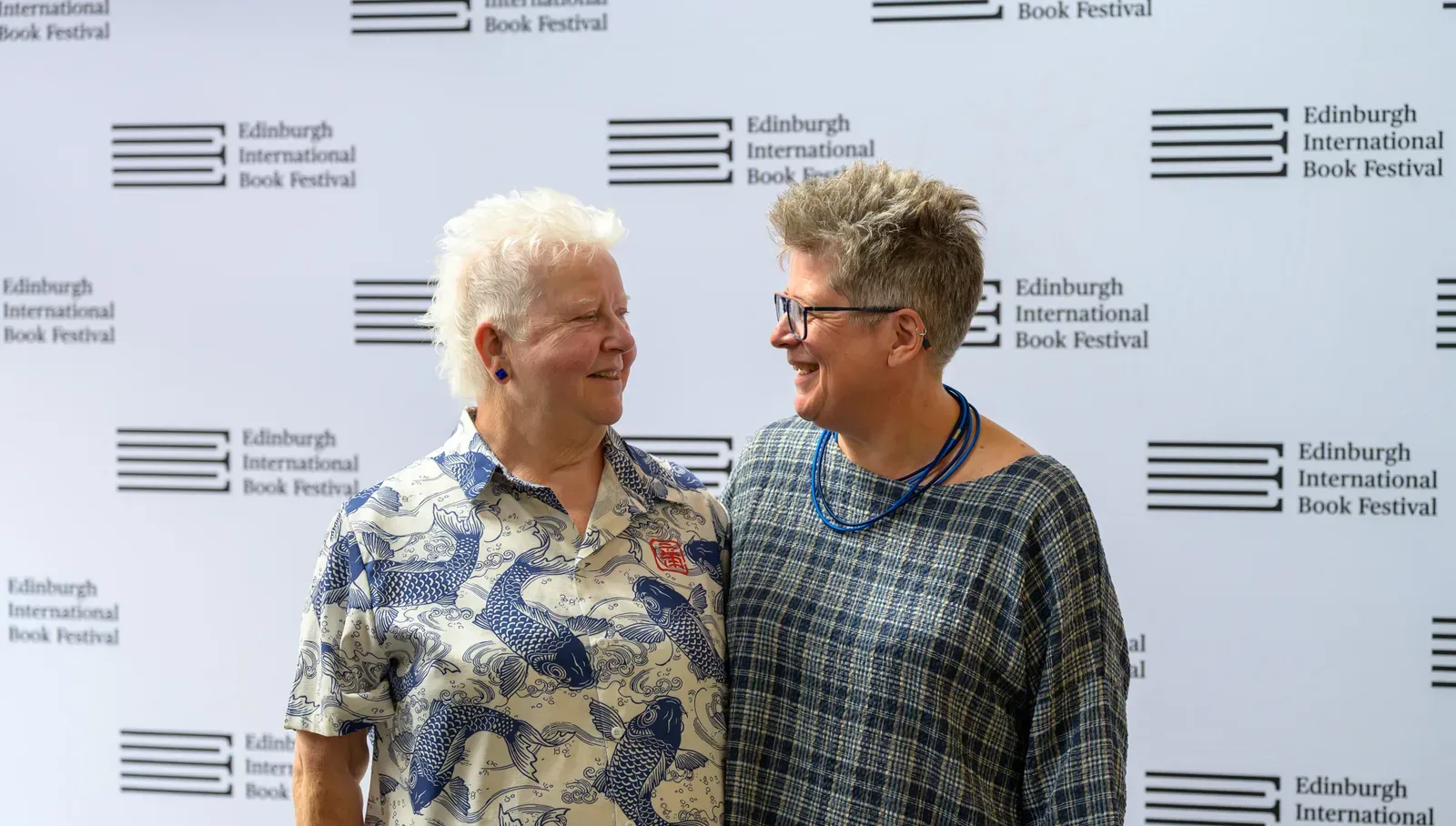
Scottish author Val McDermid first found an audience with private investigator Kate Brannigan, who debuted in Dead Beat in 1992. The Manchester based series has a lighter, wry tone. It established McDermid as a crime writer before her darker work took over.
Her best known creation is the pairing of psychologist Tony Hill and detective Carol Jordan, introduced in The Mermaids Singing in 1995. That series was adapted for television as Wire in the Blood. Later she brought back Karen Pirie, a cold case detective who first appeared in The Distant Echo and went on to lead her own series and a television adaptation.
Robert B. Parker: Spenser, Jesse Stone and Sunny Randall
Robert B. Parker introduced Boston private eye Spenser in The Godwulf Manuscript in 1973. Spenser’s wit and moral code became a template for later American detective fiction, and the series ran for decades. A television series, Spenser: For Hire, brought the character to a wider audience in the 1980s.
Parker then created Jesse Stone, a police chief in a small Massachusetts town, in Night Passage in 1997. Sunny Randall, a female private investigator, arrived in Family Honor in 1999. Parker died in 2010, yet his estate allowed other authors to continue the Spenser, Stone and Randall novels.
Ann Cleeves: Vera Stanhope and Jimmy Perez

Ann Cleeves introduced Northumberland detective Vera Stanhope in The Crow Trap in 1999. Vera is gruff, untidy and sharp, and she made a memorable lead for a series of regional crime novels. The books were adapted into a popular ITV drama.
Cleeves began a second series with Raven Black in 2006, set in the Shetland Islands and starring Inspector Jimmy Perez. That series also became a long running television drama. She has since added Matthew Venn, a Devon based detective, which gives her three separate regional settings.