Before most big releases reach theaters, studios show a near-finished cut to a recruited audience and hand out scorecards. Those cards can carry a lot of weight. Sometimes they send a team back to the cutting room, and sometimes they send the cast back to set months later.
The ten films below all had endings that changed after audiences weighed in. Some of the changes are now famous, and a few filmmakers still prefer what they shot first.
Fatal Attraction (1987)
The original finale was a film noir piece in which Alex kills herself but arranges things so Dan’s fingerprints are on the knife, leaving him headed to jail. That was how Glenn Close described it, and she clearly rated it. Audiences did not share her enthusiasm.
Close recalled that viewers wanted a more cathartic ending, so the team went back months later and shot the one in the film today. In it, Dan and his wife Beth fight Alex until Beth shoots her. The reshoot turned a bleak courtroom shadow into a thriller payoff.
Pretty in Pink (1986)
In the first version, Andie and Duckie went to the prom together and danced the night away to a David Bowie song, hinting they’d stay together. It sounds sweet on paper. The room disagreed.
Test audiences had cheered all the way through, then booed once Duckie and Andie’s dance ended her romance with Blane. The ending was retooled so that Duckie gave his blessing and Andie got her happy ending. The studio asked Hughes and Deutch for a new ending even after the novelization was already written.
First Blood (1982)
In the original ending, John Rambo takes his own life. Stallone felt that ending was too excessive from the moment he joined the production. Test screenings backed up his instinct.
Reports say audiences connected with the troubled veteran’s trauma and were devastated to watch him die. Director Ted Kotcheff reshot the finale so Rambo lives and surrenders to authorities. A grim one off became the start of a long franchise.
Blade Runner (1982)
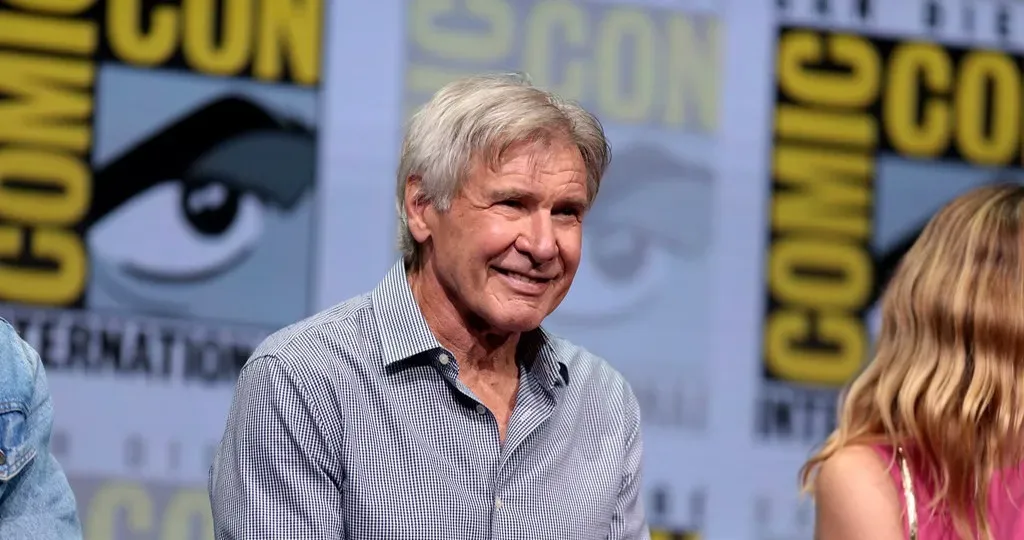
Early audiences were confused by the film’s complex, ambiguous plot. They also expected Harrison Ford to act more like Han Solo or Indiana Jones in this sci-fi noir. The studio responded by adding things the director never wanted.
Ford was brought back between shooting scenes on Return of the Jedi to record narration, which he reportedly disliked doing. Sunny countryside footage originally shot for The Shining was tacked onto the end as a happy ending of sorts. Later cuts of the film dropped these changes.
I Am Legend (2007)
In the original ending, Robert Neville learns that the Darkseekers attacking his lab only want to rescue the female he has captured. That forces him to see himself as the monster in their world. It gave the title a meaning the theatrical cut lacks.
Test audiences rejected that reversal, so Neville became a conventional action hero who sacrifices himself with a grenade. The theatrical version was easier to cheer but weakened the meaning of the title. Home video releases have let viewers compare the two.
Little Shop of Horrors (1986)
In the first ending, Audrey is eaten, the plant then eats Seymour, and Audrey II goes on to wipe out humankind. It was a very dark way to finish a musical comedy. Viewers did not take it well.
After rooting for Audrey and Seymour all film long, test audiences were disappointed by the tragic finish. The director preferred the original, but it was changed to win audience approval. That makes it a clear case of studio and filmmaker pulling in different directions.
Scott Pilgrim vs. the World (2010)
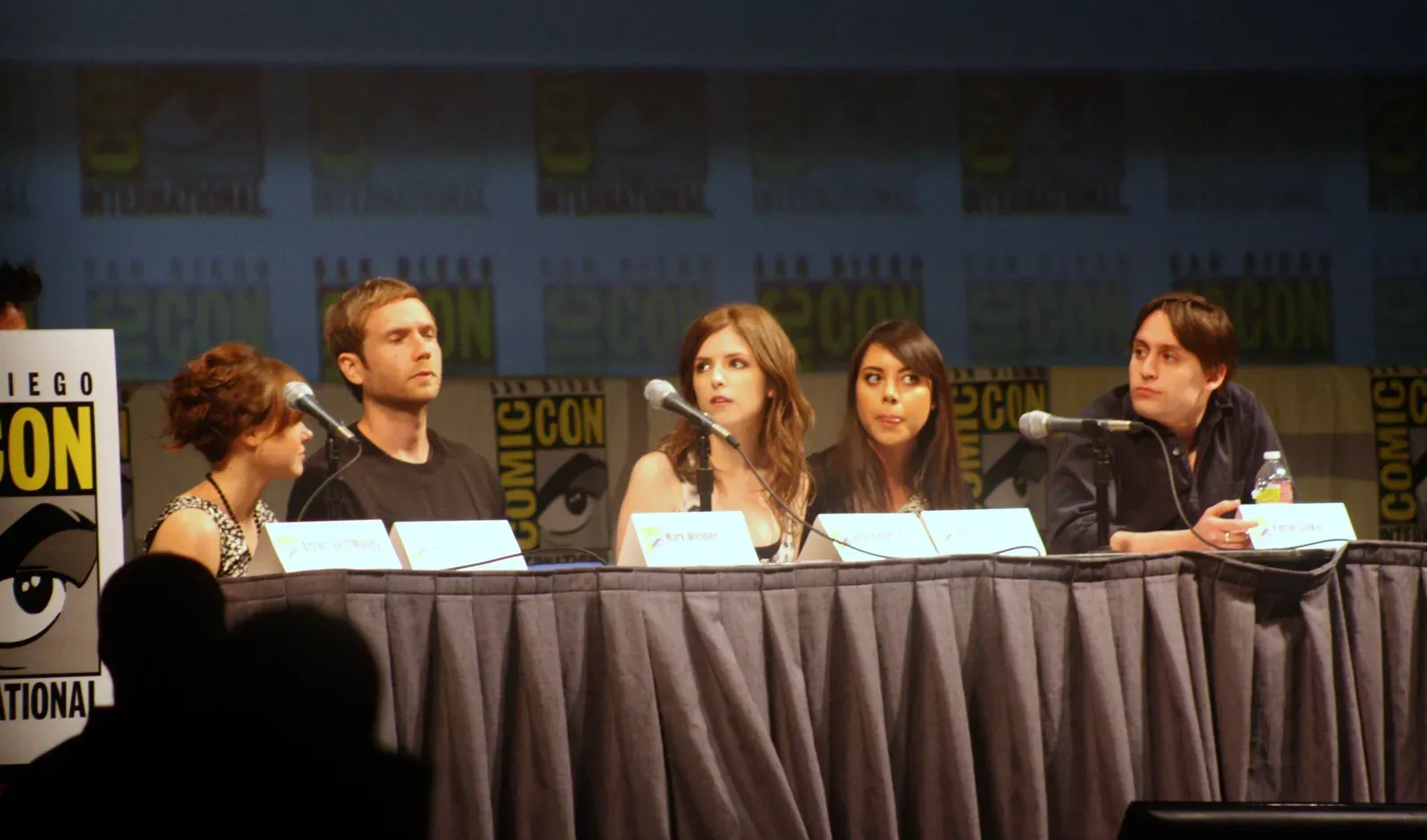
The first ending followed the graphic novel closely, with Scott reuniting with Knives Chau rather than ending up with Ramona. According to Edgar Wright, that choice created arguments during the testing process. The audience was split.
After the tests went poorly, Wright, Bryan Lee O’Malley and Michael Bacall wrote a new ending in which Knives encourages Scott to be with Ramona. Wright said Universal backed the reshoot, and that scores rose hugely when the film screened again. It stands out because the author himself helped rewrite it.
28 Days Later (2002)
In Danny Boyle’s original cut, Jim is shot in the stomach and slowly dies while his two companions try to revive him in a hospital. Boyle shot several endings in which Jim dies. The tone was bleak all the way to the final frame.
After test screenings, he chose a slightly more optimistic ending, with the survivors in a cottage in the Lake District waiting for rescue. The film still feels tense and uneasy. Yet it leaves viewers with a flicker of hope instead of a full stop.
Escape Room (2019)
The original ending had Zoey returning to her college and finding a clue in a puzzle book suggesting the games were about to start again. It was a familiar sequel tease. Test audiences found it unsatisfying.
Director Adam Robitel dropped that smaller ending and shot the set piece on a plane that closes the final film. The result is louder and more cinematic. It also keeps the door open for more.
Final Destination (2000)
Test screenings did more than tweak this film’s finale, because they shaped the whole last stretch. The filmmakers, led by director James Wong, addressed the issues by removing the love story, saving Alex, and ending on a gruesome death. The changes aimed to match what the audience wanted from a horror film.
The test screening process was documented, and that documentary was included on the DVD release. The reworked film became a hit and kickstarted a long running franchise. Few movies show so plainly what a changed ending can do.