Fame in music rarely fades gradually. More often, it drops suddenly, like a curtain coming down mid-performance. One season, an artist is inescapable, on every radio station, every magazine cover, every late-night stage. Then, without much warning or ceremony, they’re gone.
The stories behind these disappearances are rarely simple. Some left by choice, frustrated or suffocated by the very industry that made them. Others were swallowed by personal circumstances, the pressures of expectation, or a music world that simply moved on. What follows are seven musicians who were genuinely everywhere, and then weren’t.
Bobbie Gentry: The Most Complete Vanishing Act in Country Music

Bobbie Gentry was one of the biggest music stars of the late 1960s, thanks to her massive international number one single “Ode to Billie Joe.” Her brand of country-folk music came at exactly the right time, and she soon had her own TV variety series and even recorded an equal-billing duet album with Glen Campbell. She was one of the first female artists to compose and produce her own material, inspiring countless singers ever since.
Her final public appearance was at the Academy of Country Music Awards on April 30, 1982. Since then, Bobbie Gentry has not recorded music, performed live, or been interviewed. It was not until 2016 that any concrete news about Gentry surfaced, when an investigation by The Washington Post found that she was living in a gated community near Memphis, Tennessee. She made no public announcement of her retirement; instead, she simply disappeared. There have been rumors and reports of sightings, but even some family members have said they do not know how to contact her.
Cat Stevens (Yusuf Islam): Three Decades of Silence

Cat Stevens dominated the early 1970s with gentle folk-rock anthems like “Peace Train,” “Wild World,” and “Father and Son.” His thoughtful lyrics and acoustic melodies made him one of the era’s most beloved singer-songwriters. Then, in 1977, he shocked the music world by converting to Islam, changing his name to Yusuf Islam, and largely abandoning secular music.
Stevens’ conversion was a profound spiritual awakening that led him to question whether his music career aligned with his new beliefs. For nearly three decades, he focused on Islamic education and charity work, rarely performing the songs that had made him famous. In the 2000s, Yusuf began recording again, blending his spiritual beliefs with his musical talents. While he never fully returned to his Cat Stevens persona, his later work shows an artist who successfully integrated his faith with his creativity.
Bill Withers: The Man Who Walked Away from a Fortune

Bill Withers created some of the most beloved songs in American music, with timeless classics that remain fixtures of popular culture decades later. Yet at the height of his success in the early 1980s, he simply stopped making music and walked away from an industry that had made him a millionaire. Withers grew frustrated with record label politics and the commercial pressures that he felt compromised his artistic integrity.
Unlike many artists who threaten retirement, Withers actually did it. He spent his remaining decades living quietly in Los Angeles, rarely performing and turning down countless offers for comebacks. Frustrated by the music industry, he never made a comeback. No farewell tour, no last album, just a graceful exit. His songs, of course, continued to fill arenas and soundtracks long after he left the stage.
Gotye: A Grammy Winner Who Retired at the Height of His Power
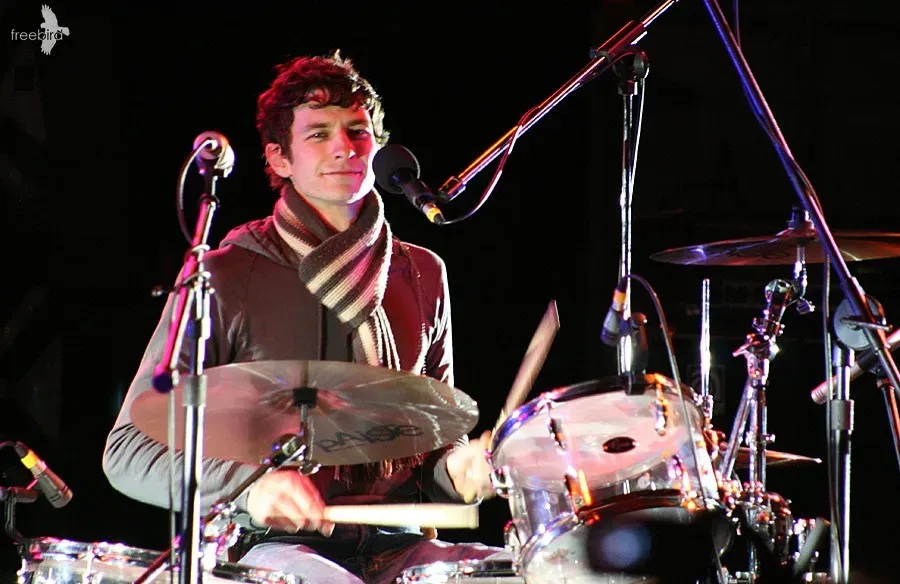
In 2011, Belgian-Australian musician Gotye became an international sensation with a song that was an outlier to the chart music of the time. “Somebody That I Used to Know,” featuring Kimbra, brought Gotye international fame, topping multiple singles charts including the Billboard Hot 100. His album Making Mirrors hit number six on the Billboard 200. He won his first three career Grammy Awards in 2013, including Record of the Year and Best Pop Duo/Group Performance.
Instead of capitalizing on the momentum, Gotye made the conscious choice to retreat from the mainstream. He avoided commercialization, refused ad deals, and focused on experimental side projects. Rather than chase pop fame, he preferred musical freedom, and faded from the spotlight as a result. The music video for “Somebody That I Used to Know” accumulated 2.2 billion views on YouTube, which could have earned over ten million dollars in ad revenue. De Backer refused to place ads on it, stating plainly that he was not interested in selling his music.
John Deacon: The Quiet Beatle of Queen

The bassist of Queen wrote some of their most enduring hits, including “Another One Bites the Dust.” After Freddie Mercury’s death, John quietly left the band and refused to participate in reunions. He’s rarely seen, never interviewed, and reportedly wants nothing to do with the music business today.
Others, like former Queen bassist John Deacon, seem to all but vanish altogether. In a band famous for its enormous personalities, Deacon was always the reserved one, and that restraint ultimately defined his exit too. He has never written a memoir, appeared on a documentary, or surfaced at any public event to celebrate the band’s continued legacy. For a man who co-wrote some of rock’s most recognizable songs, the silence is total and, by all accounts, entirely deliberate.
Tracy Chapman: The Recluse Who Returned for One Unforgettable Moment

With hits like “Fast Car” and “Give Me One Reason,” Tracy Chapman left a deep mark on popular music. Rare interviews, no social media, and almost no public appearances added to her legend. When she returned in 2024 to perform with Luke Combs at the Grammys, it was a moment of genuine awe.
That Grammy performance was the first time many younger fans had ever seen her perform live, and it stopped television audiences cold. For someone who had been so largely absent from the public eye for so long, the impact was striking. Chapman’s career trajectory is unusual in that her near-total disappearance actually deepened her mystique rather than diminishing it. The songs kept living; she simply chose not to.
Mark Hollis: The Artist Who Chose Silence Over Noise
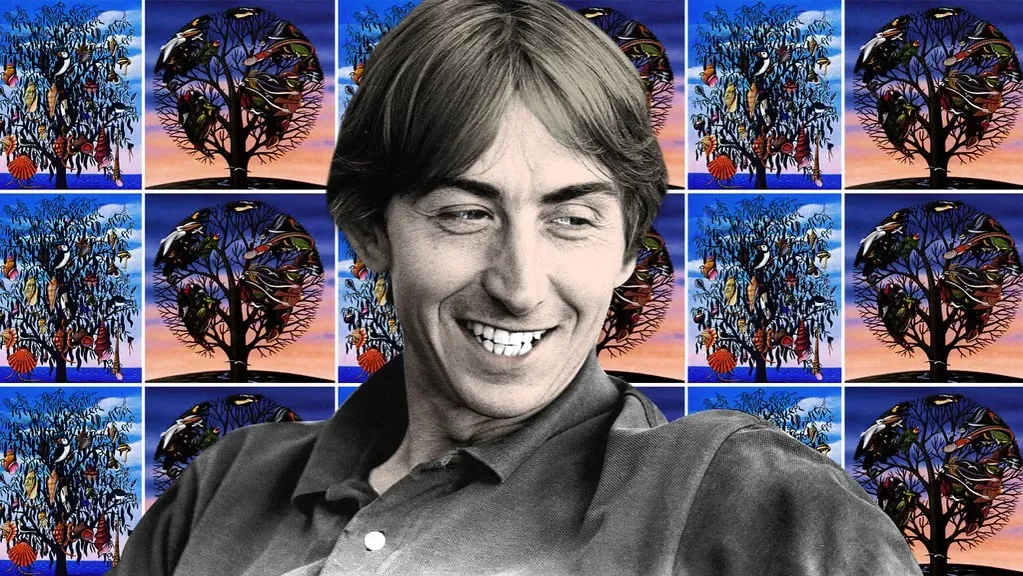
Mark Hollis was the creative force behind Talk Talk, a band that took pop music to strange, beautiful places. After his 1998 solo album, he stepped away entirely, citing a desire to focus on family. What makes Hollis’s exit especially striking is what Talk Talk had become by the end. The band had evolved from polished synth-pop in the early 1980s to something closer to experimental ambient music, with albums that critics would later cite as foundational to entire post-rock and art-rock movements.
Hollis released just one solo record, a quiet and spare album in 1998, and then stopped. No concerts, no interviews, no further recordings. He passed away in February 2019, leaving behind a body of work that felt genuinely ahead of its time. His disappearance was not a retreat from failure but a withdrawal at the moment of his greatest artistic credibility. That choice, in its way, was as bold as any song he ever made.
What connects all seven of these artists is not failure. Most of them left at or near their peak, which is precisely what makes their exits so striking. The music industry rarely rewards the decision to stop, yet each of these musicians made it anyway, for reasons that range from spiritual conviction to quiet exhaustion to a simple, firm refusal to compromise. Their songs remain. The artists themselves chose something else.