A name on a book cover feels permanent, yet plenty of famous writers started out under a different one. Some wanted privacy, some worried about how readers would treat their gender, and some simply had day jobs that didn’t mix with fiction.
The eight writers below all used a pseudonym or a variation of their name early on, and that name carried them into the work people still read today. The details come from well documented literary history.
Charlotte Brontë

In 1846, Charlotte, Emily and Anne Brontë published a joint poetry volume under the names Currer, Ellis and Acton Bell. The names kept their initials and hid their sex. The book sold only a couple of copies, so it was hardly a triumph.
Charlotte kept the Currer Bell name for her novel Jane Eyre, which appeared in October 1847 and found a wide readership. She revealed her identity only after the sisters’ publishing situation became complicated and curiosity about the Bells grew. Today, Jane Eyre is considered one of the central novels of the Victorian era.
George Eliot (Mary Ann Evans)
Mary Ann Evans was already a respected editor and translator when she turned to fiction. She chose the name George Eliot, partly because she wanted her novels judged seriously rather than dismissed as the work of a lady novelist. Her first fiction, Scenes of Clerical Life, appeared in 1857.
Adam Bede followed in 1859 and became a major success. Speculation about the author’s real identity grew, and Evans eventually stepped forward. She kept the pen name for the rest of her career, including Middlemarch.
Louisa May Alcott

Before Little Women made her a household name, Alcott wrote lurid thrillers and melodramas for magazines. Many of them ran under the pseudonym A. M. Barnard, and some appeared anonymously. A story like Behind a Mask, published in 1866, shows how far that work was from her later family fiction.
Little Women came out in 1868 under her own name and changed her career. The A. M. Barnard material was recognized as hers only much later, after scholars traced it. It gave readers a surprising picture of the writer behind a famously wholesome book.
Mark Twain (Samuel Clemens)
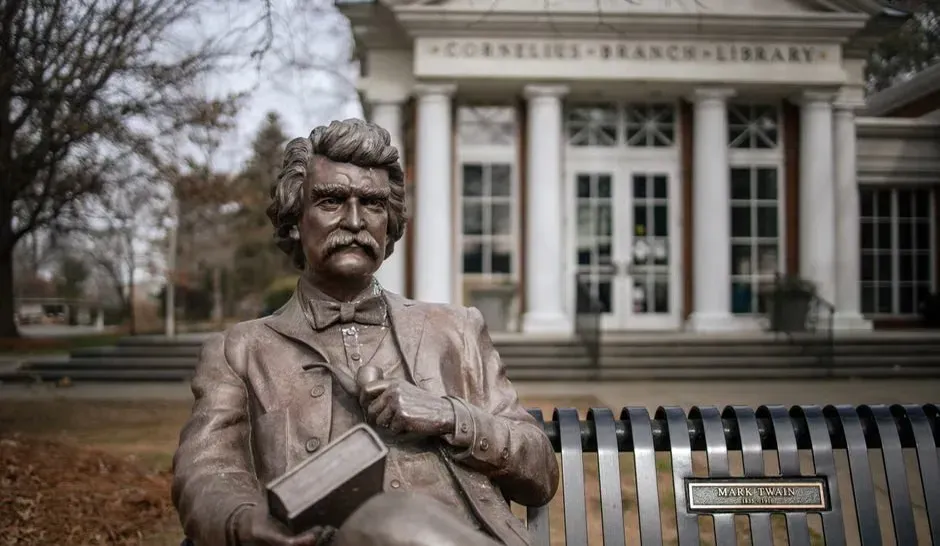
Samuel Clemens first signed a piece as Mark Twain in February 1863, while working for the Territorial Enterprise newspaper in Virginia City, Nevada. The name comes from riverboat slang for a measured depth of water, a nod to his years as a Mississippi pilot. He was a working journalist at that stage, not yet a celebrated novelist.
His 1865 story about a jumping frog gave the name national attention. Books such as The Adventures of Tom Sawyer and Adventures of Huckleberry Finn followed under the same byline. Clemens never really dropped it, and it became his public identity.
George Orwell (Eric Blair)
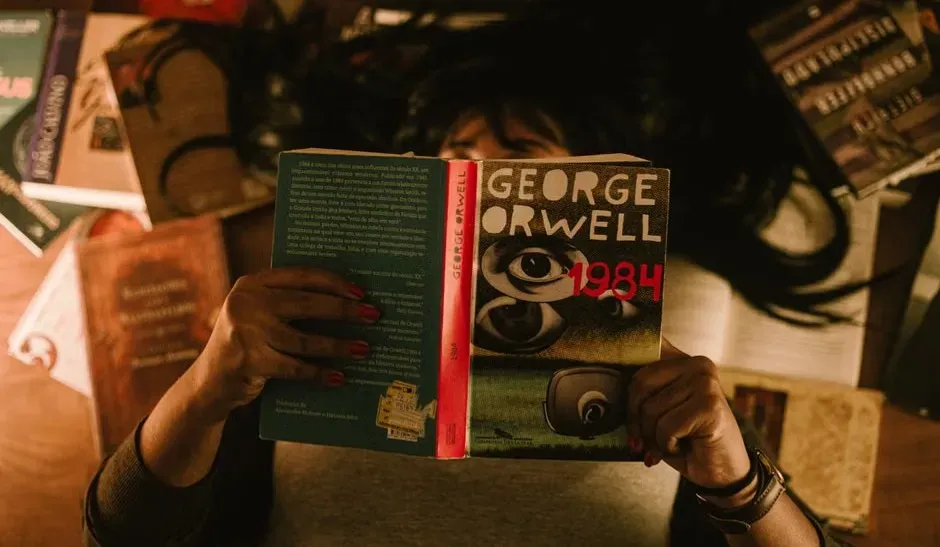
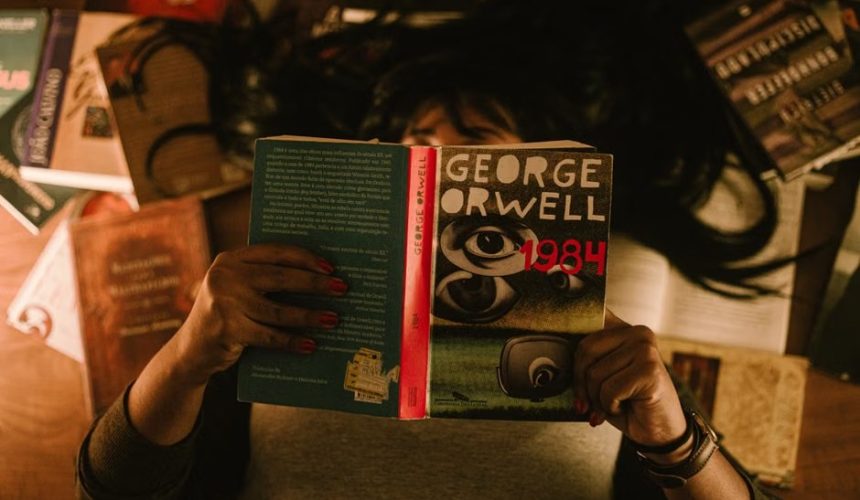
Eric Blair published his first book, Down and Out in Paris and London, in 1933 under the name George Orwell. He is often said to have wanted to spare his family any embarrassment over his account of poverty. The surname was taken from the River Orwell in Suffolk.
He kept the name through his novels and essays, including Animal Farm and Nineteen Eighty Four. Blair himself remained a private figure, and the pen name became the one history remembers. His early reportage shaped the plain, direct style that later defined his work.
Isak Dinesen (Karen Blixen)

Karen Blixen, a Danish writer, returned from Kenya in the early 1930s after the failure of her coffee farm. She published Seven Gothic Tales in 1934 under the name Isak Dinesen, first in the United States. The book was well received, and it launched her literary career at an age when many writers are already established.
She used the pseudonym for Out of Africa in 1937, her best known work. Over time, readers learned who Dinesen really was, but the name stayed attached to her books. In Denmark she also published under her own name at times, so the two identities overlapped.
John le Carré (David Cornwell)

David Cornwell worked for British intelligence, first with MI5 and later MI6, when he began writing novels. Officials in that world weren’t supposed to publish under their own names, so he adopted John le Carré. His first novel, Call for the Dead, appeared in 1961.
His real breakthrough came with The Spy Who Came in from the Cold in 1963, which was a bestseller. He left intelligence work to write full time and kept the pen name for his entire career. The name remained on every cover, long after secrecy stopped being a concern.
Dr. Seuss (Theodor Geisel)
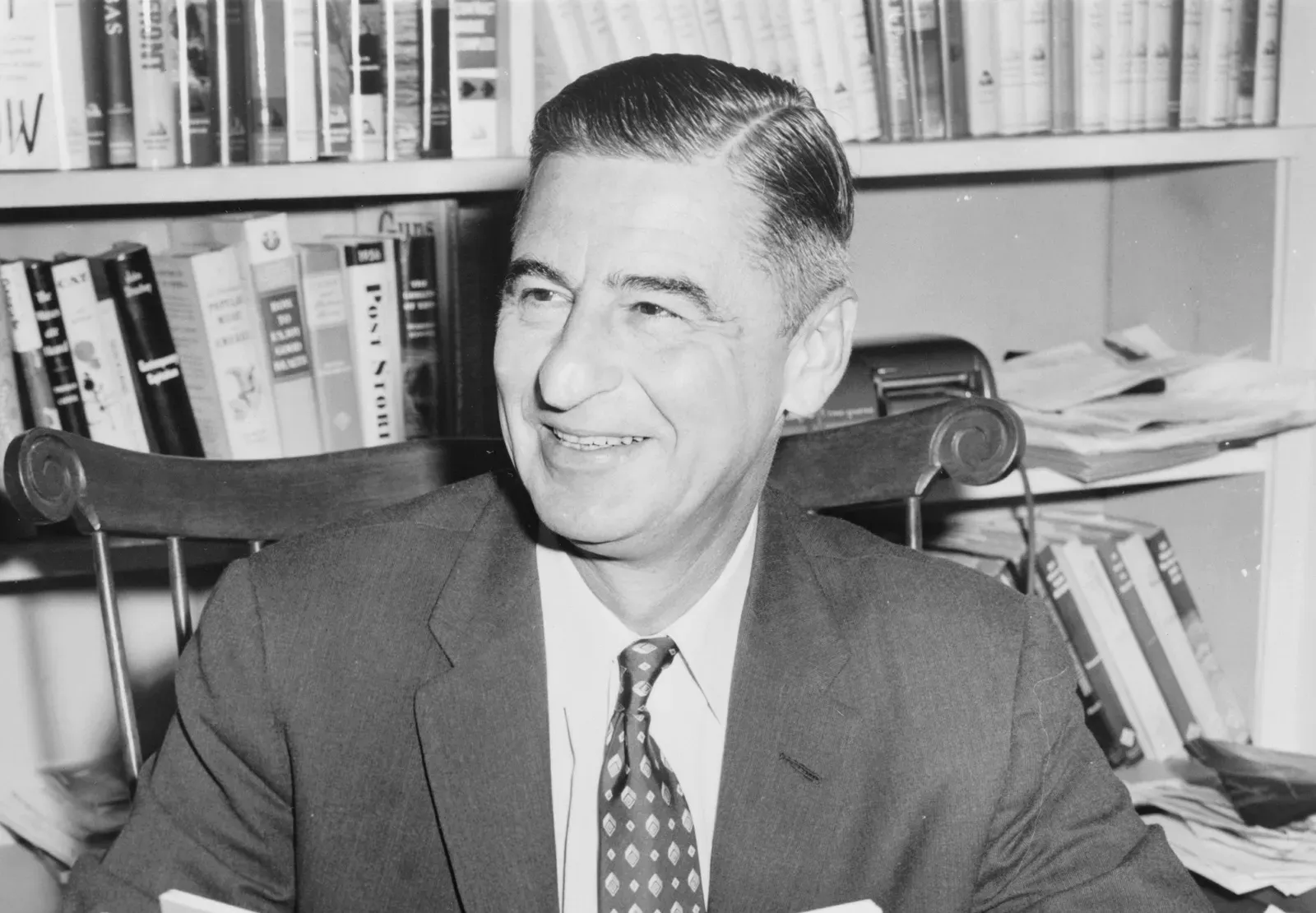
Theodor Geisel began using Seuss as a student at Dartmouth in the 1920s. After he was caught drinking gin in violation of Prohibition rules, he was barred from extracurricular activities such as the humor magazine. He kept contributing under a pen name instead, and Seuss was his middle name and his mother’s maiden name.
He later drew cartoons and advertisements under the same name before moving into children’s books. And to Think That I Saw It on Mulberry Street was published by Vanguard Press in 1937, after rejections from other publishers. The Dr. Seuss identity carried through everything from The Cat in the Hat to Green Eggs and Ham.