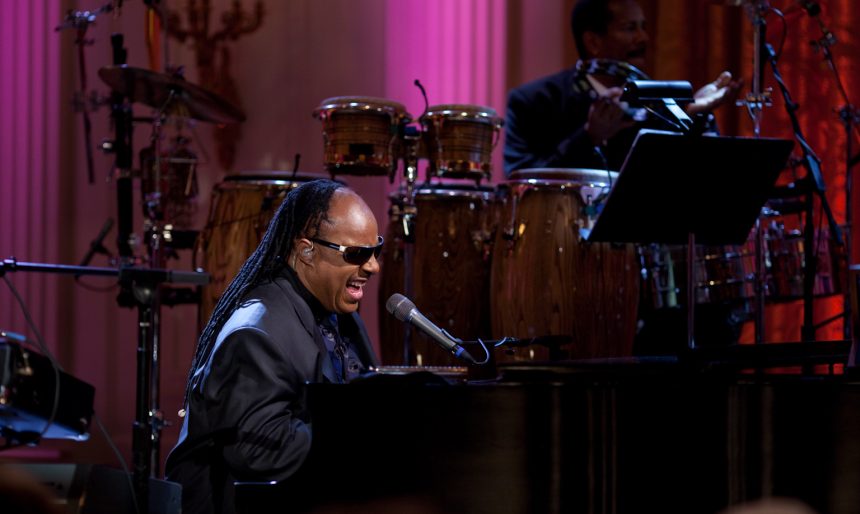
The 1970s were a strange, wonderful stretch for the Grammys. Folk singers, soul innovators, a benefit concert, a soft rock band in turmoil and a disco soundtrack all took the night’s biggest prize within about ten years.
Ten albums won Album of the Year at the ceremonies held in that decade. This gallery looks at eight of them, in the order they won, and what made each one stand out.
Bridge over Troubled Water by Simon & Garfunkel
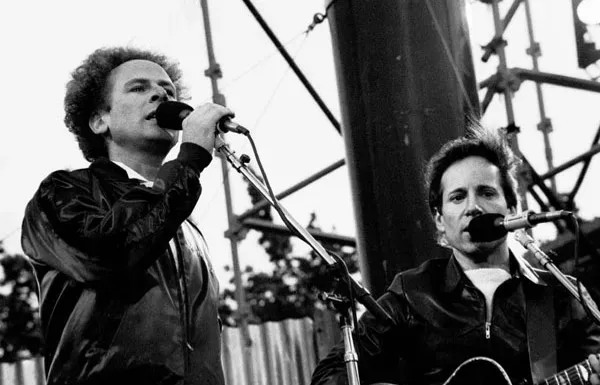
Released in early 1970, this was the final studio album from Paul Simon and Art Garfunkel. It took the top prize at the 1971 ceremony, and the title track also won Record of the Year and Song of the Year.
The record moved comfortably between gospel, folk, rock and even Latin flavors. It also marked the end of the duo’s partnership, which gives its polished sound a slightly bittersweet edge when you listen today.
Tapestry by Carole King

Carole King had already written hits for other artists before she stepped forward on her own. Tapestry arrived in 1971, and at the 1972 ceremony it won Album of the Year, with King also taking Record of the Year, Song of the Year and Best Pop Vocal Performance, Female.
The album included songs like It’s Too Late and I Feel the Earth Move. Its warm, piano led style made the singer songwriter sound feel intimate and mainstream at once, and it stayed on the charts for years.
The Concert for Bangladesh by George Harrison and Friends
This one was unusual from the start. It documented the two benefit shows George Harrison organized at Madison Square Garden on August 1, 1971, to raise money and attention for refugees from the conflict in East Pakistan, now Bangladesh.
The triple album won Album of the Year at the 1973 ceremony. Harrison was joined on stage by Ringo Starr, Bob Dylan, Eric Clapton, Billy Preston and Ravi Shankar, which made the lineup itself a major event.
Innervisions by Stevie Wonder
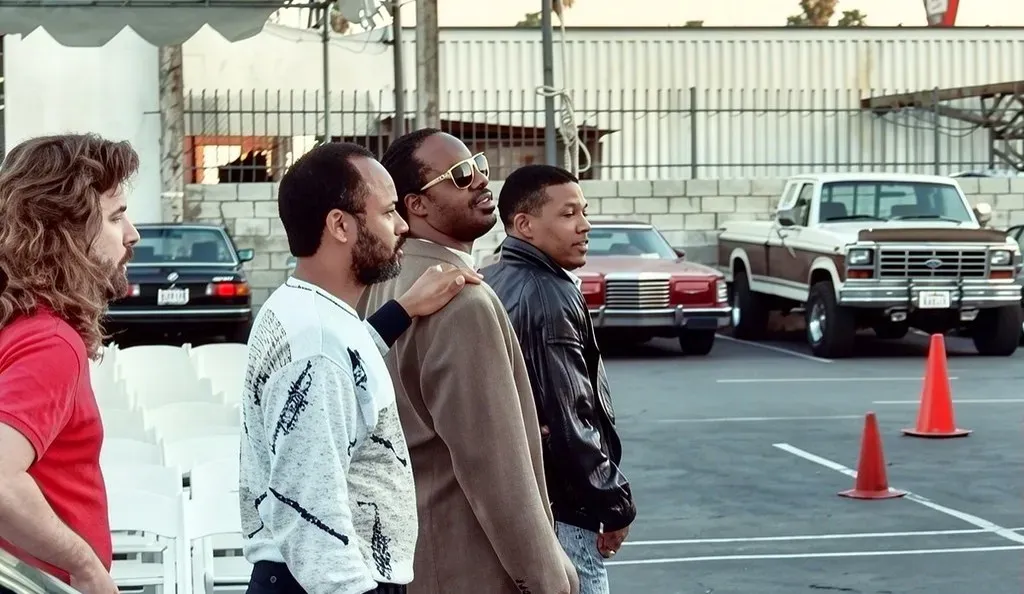
Innervisions came out in 1973 and won Album of the Year at the 1974 ceremony. Stevie Wonder wrote and arranged the material and played most of the instruments himself, using synthesizers in a way that felt strikingly modern.
The songs ranged from the funky Higher Ground to the pointed social commentary of Living for the City. It’s often described as a peak of his classic run, and the Grammy voters clearly agreed.
Still Crazy After All These Years by Paul Simon

Paul Simon’s 1975 solo record won Album of the Year at the 1976 ceremony. It’s a more reflective, grown up album than his earlier work, dealing with aging, divorce and uncertainty in a conversational tone.
It also produced the chart topping hit 50 Ways to Leave Your Lover. Simon’s win came just a few years after Bridge over Troubled Water, so he became a two time winner in the category within the decade.
Songs in the Key of Life by Stevie Wonder
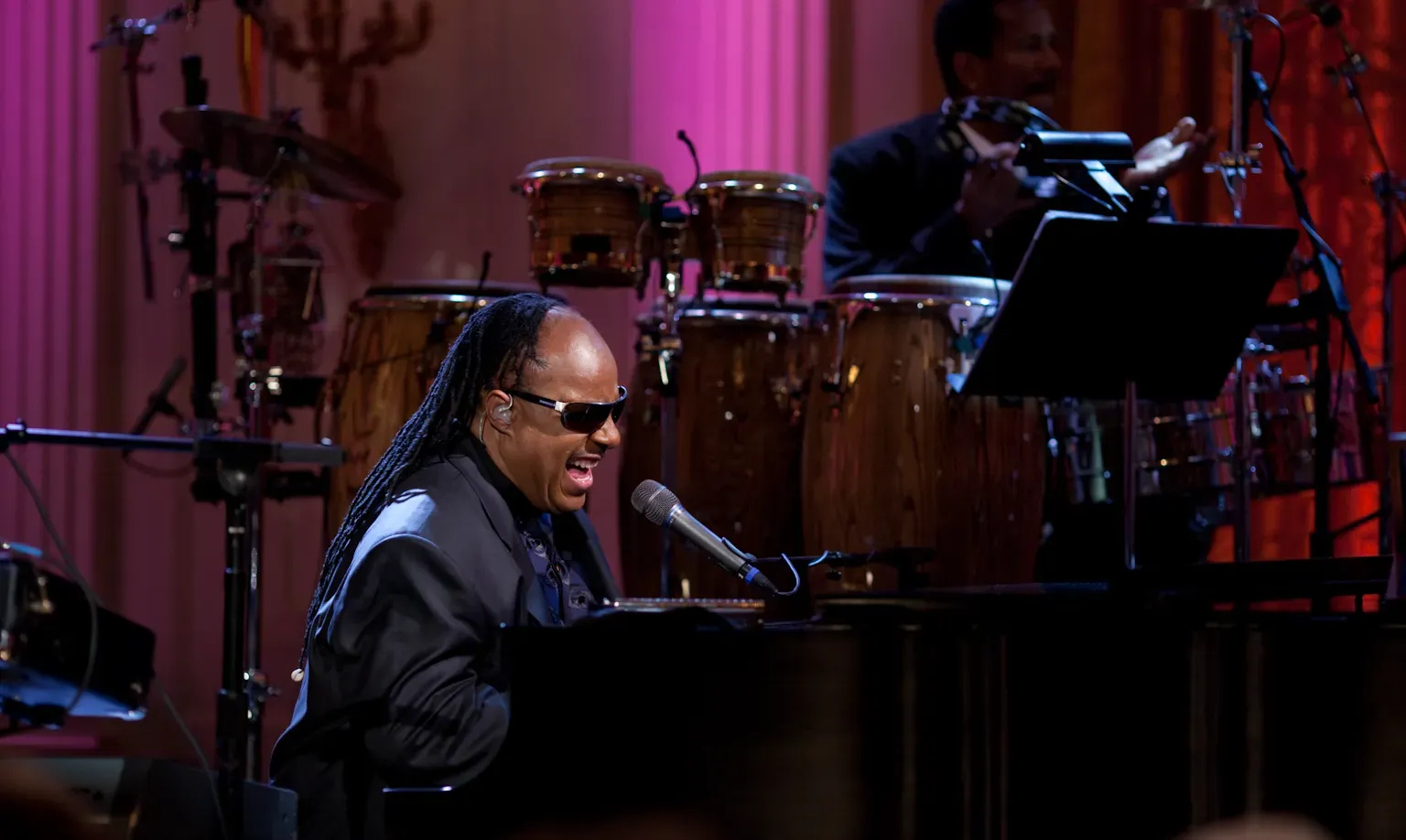
Released in September 1976, this sprawling double album came with a bonus EP and carried a huge amount of music. It won Album of the Year at the 1977 ceremony.
The win made Stevie Wonder the first artist to take the category three times, since Innervisions and Fulfillingness’ First Finale had won in the preceding years. Tracks like Sir Duke and I Wish remain staples of radio and wedding playlists.
Rumours by Fleetwood Mac
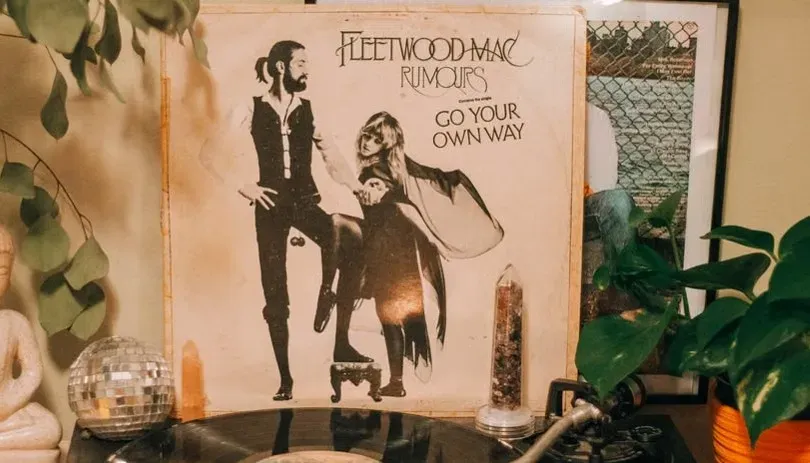
Rumours was released in 1977 and won Album of the Year at the 1978 ceremony. The band recorded it while relationships inside the group were breaking apart, and the personal tension is all over the lyrics.
Songs such as Go Your Own Way, Dreams and The Chain helped it become one of the best selling albums of all time. Its sales run to tens of millions of copies worldwide, which says plenty about how widely it connected.
Saturday Night Fever by Various Artists

The soundtrack to the 1977 film, led by the Bee Gees, won Album of the Year at the 1979 ceremony. Songs like Stayin’ Alive and Night Fever pushed disco well beyond the dance floor and into mainstream pop culture.
It’s often remembered as the disco album that voters rewarded at the highest level. The soundtrack sold in enormous numbers and remains closely tied to the sound of the late 1970s.