Most listeners know the singer on a record and, if they’re curious, the producer. The players who built the groove often go unmentioned, even when their parts are the reason a song sticks.
The seven musicians below spent much of their careers in studios, working for other artists. Their credits come from liner notes, interviews, and decades of music history, and in a few cases they remain partly a matter of musician memory. Where numbers are fuzzy, this article says so.
Hal Blaine, the Drummer Behind the Wall of Sound
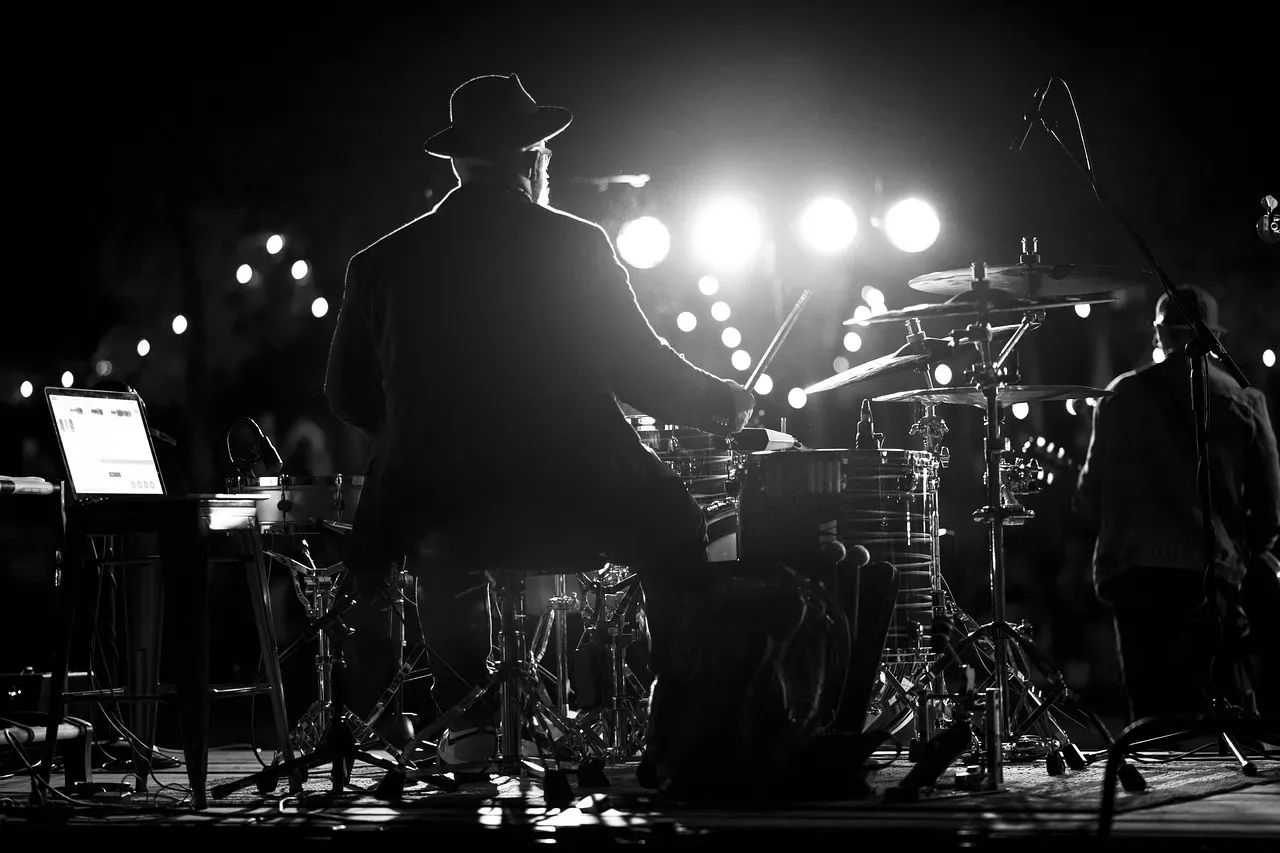
Hal Blaine was the most visible drummer of the Wrecking Crew, the loose group of Los Angeles studio players of the 1960s. His opening beat on “Be My Baby” by the Ronettes is one of the most recognizable drum figures in pop. He also played on Simon & Garfunkel’s “Mrs. Robinson” and “Bridge Over Troubled Water.”
Blaine’s own estimates put his work in the thousands of sessions, which is hard to verify exactly. What’s well documented is the range, from Phil Spector productions to the Beach Boys, the Mamas and the Papas, and Frank Sinatra. He was inducted into the Rock and Roll Hall of Fame as a sideman in 2000 and died in 2019.
Carol Kaye, the Bassist Who Started on Guitar

Carol Kaye began as a jazz guitarist and moved into Los Angeles studio work in the late 1950s. She switched to bass in the early 1960s, and the instrument became her main calling card. She is closely associated with the Wrecking Crew and with Beach Boys sessions from the Pet Sounds era.
Kaye has long claimed an enormous number of credits, and some specific attributions have been debated among historians because session paperwork from the period was often thin. Her influence on how rock bass was played is less disputed. Her melodic, pick driven style shaped a generation of players who learned from those records.
James Jamerson, the Motown Bass Foundation
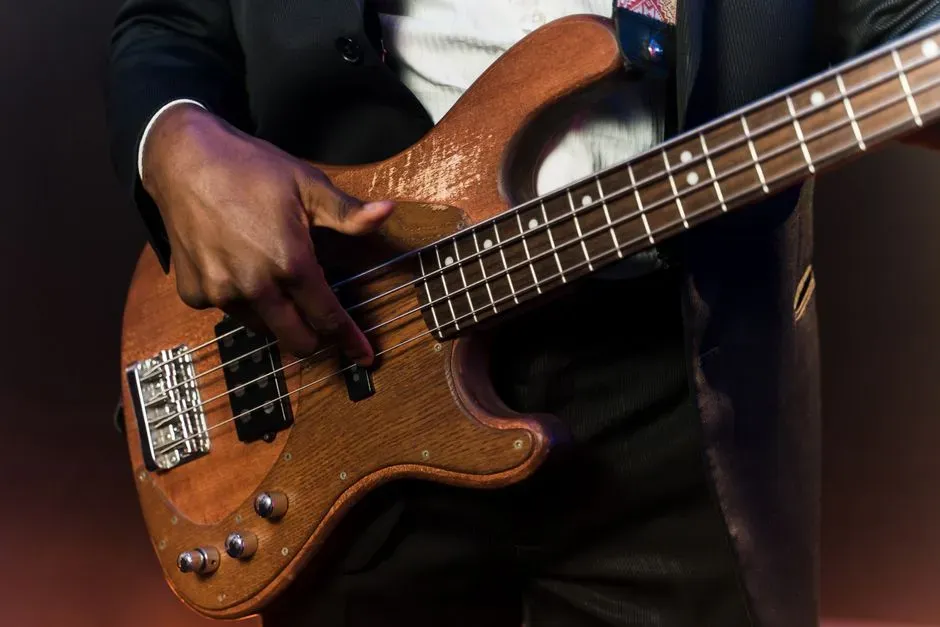
James Jamerson was the core bassist of the Funk Brothers, the Detroit house band behind Motown’s hit run in the 1960s. He played on records such as “My Girl” by the Temptations and Marvin Gaye’s “What’s Going On.” His lines were busy and melodic, yet they never fought the vocals.
For years Motown didn’t credit its band on record sleeves, so Jamerson worked in near anonymity. The 2002 documentary Standing in the Shadows of Motown brought the Funk Brothers wider recognition. Jamerson died in 1983, and the Rock and Roll Hall of Fame honored him as a sideman in 2000.
Tommy Tedesco, the Guitarist of a Thousand Jingles

Tommy Tedesco was another core Wrecking Crew member, a guitarist known for being able to read nearly anything put in front of him. His playing turned up on pop singles, film scores, and television themes, including Bonanza. That versatility kept him working steadily from the late 1950s into the 1990s.
His son Denny Tedesco directed The Wrecking Crew, a documentary about the group that was finished in 2008 and reached wider release in 2015. Tommy died in 1997. The film remains a handy entry point for anyone who wants to hear the players explain how those sessions actually worked.
Steve Gadd, the Drummer Who Made Feel Sound Easy
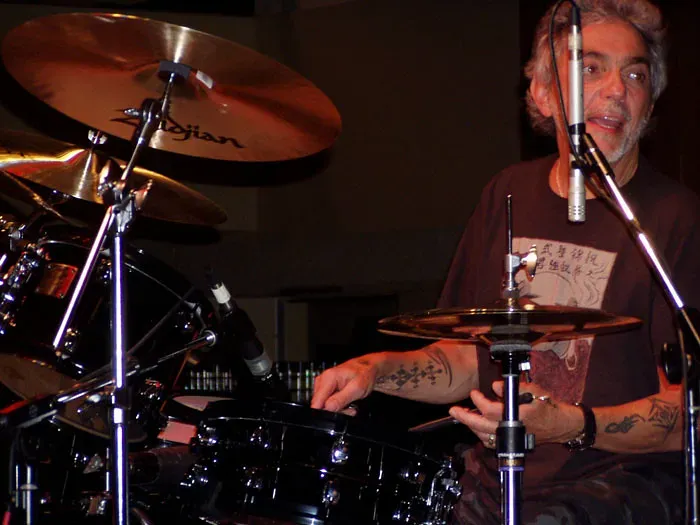
Steve Gadd moved from jazz into the New York studio scene in the 1970s and became one of its most requested drummers. His part on Paul Simon’s “50 Ways to Leave Your Lover” is often cited as a textbook example of a memorable groove. He also played on Steely Dan’s “Aja,” a track drummers still study closely.
Gadd has worked with artists as varied as Eric Clapton, Chick Corea, and Simon. Players admire him less for flash than for taste, meaning he chooses the right part and plays it with a steady, relaxed pocket. He remains an active and widely respected figure in drumming.
Jeff Porcaro, the Studio Drummer Who Also Led Toto
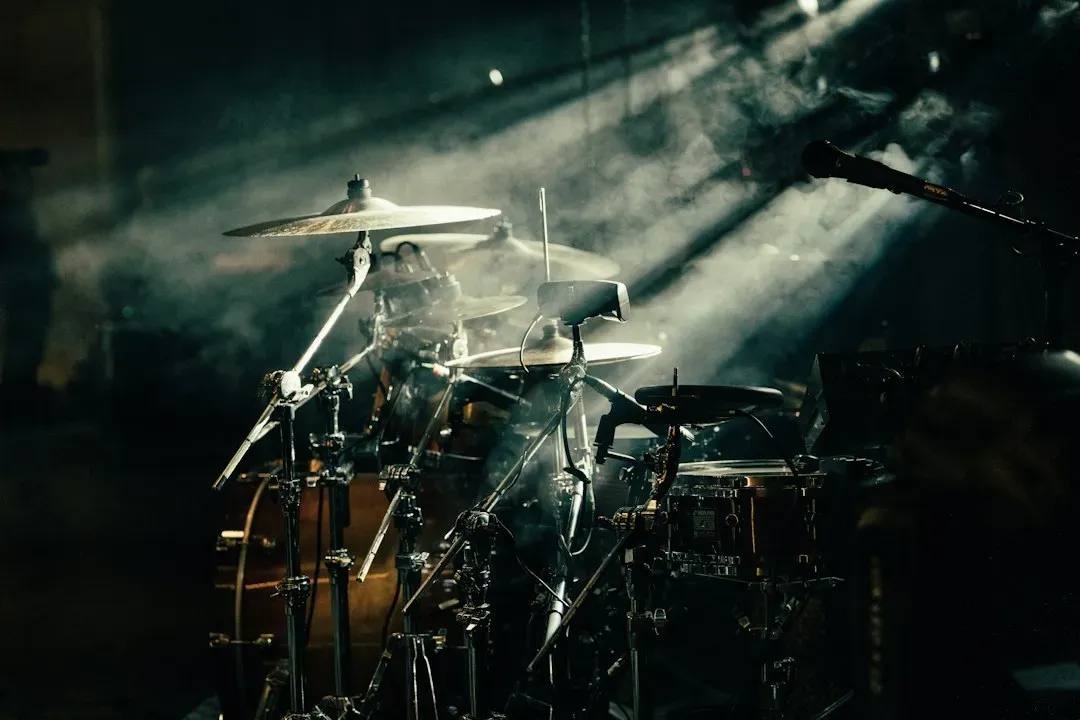
Jeff Porcaro built his reputation in Los Angeles studios in the 1970s, then co founded Toto in 1977. Even while the band was successful, he kept taking outside sessions. He is credited with the drums on “Beat It” from Michael Jackson’s Thriller, among many other well known recordings.
He was also a regular on records by Steely Dan and Boz Scaggs, where his feel was a major part of the sound. Porcaro died in 1992 at the age of 38, yet his approach is still held up as a model for pop drumming. Many younger players study his shuffles and ghost notes.
Leland Sklar, the Beard Behind the Bass
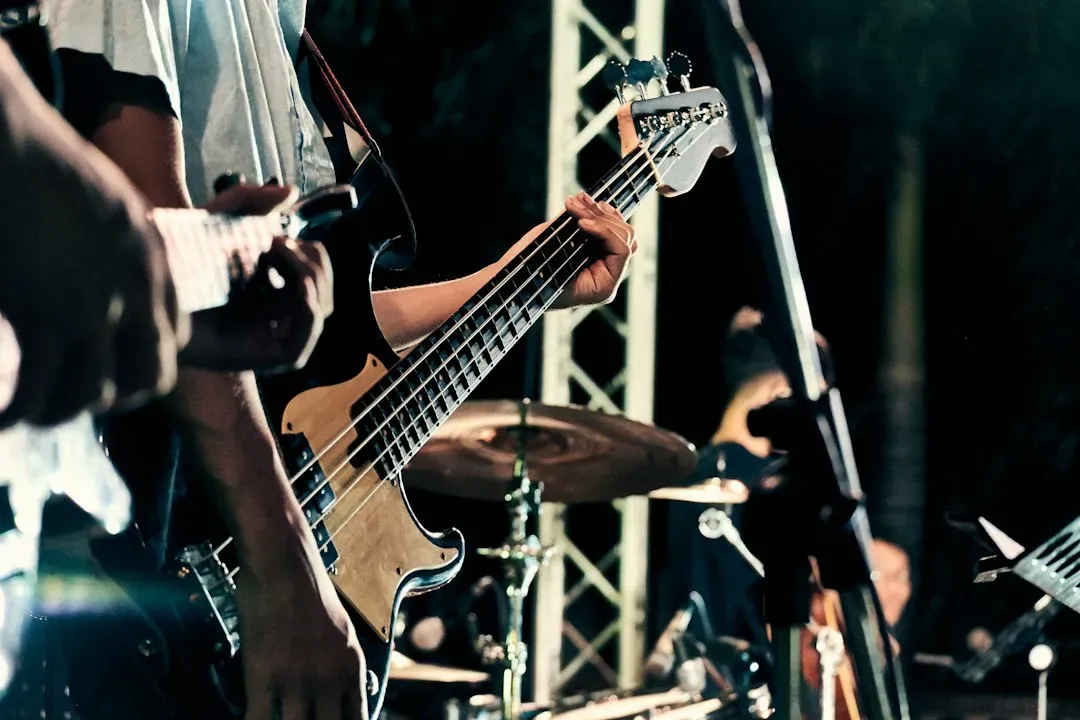
Leland Sklar became one of the best known bassists in singer songwriter rock through his work in the 1970s with James Taylor, Carole King, and Jackson Browne. He was part of a tight group of Los Angeles players sometimes called The Section. Later he played on records and tours with Phil Collins as well.
His credits run into the thousands of recordings by common estimates, though no single official count exists. Sklar’s style is supportive and unfussy, which is exactly why bandleaders kept calling him. He’s also hard to miss in photos, thanks to a famously long beard.