
A great debut season can be a gift and a trap. It sets expectations so high that almost anything that follows risks looking small by comparison.
Some shows handle that pressure well. Others lose the thread, change what made them work, or simply run out of story. These five are often pointed to as examples of a strong start followed by a rocky second year.
Heroes

The first season of Heroes, which aired in 2006 and 2007, was a ratings hit and won the Emmy for Outstanding Drama Series nominations conversation that year. It built a tidy, ticking-clock story around the threat of an exploding New York. Characters were introduced carefully, and the season had a clear destination.
Season two arrived shortened by the 2007 to 2008 writers’ strike, running only eleven episodes. The pacing felt rushed, new characters landed flat, and the central threat lacked the first season’s urgency. Even the creators later acknowledged the season fell short of what they wanted.
Twin Peaks

The 1990 debut of Twin Peaks was a cultural event, built on the question of who killed Laura Palmer. Its short first run mixed mystery, soap opera, and dreamlike oddity in a way television hadn’t really tried before. Viewers talked about it everywhere.
In season two, the killer’s reveal came partway through, and the show drifted into side plots that many fans found aimless. Ratings dropped sharply, and ABC moved the series around its schedule. David Lynch has said he was never keen on the decision to reveal the killer, and the show was cancelled after season two.
Lost

Lost premiered in 2004 and became an instant phenomenon, winning the Emmy for Outstanding Drama Series for its first season. The mysterious island, flashbacks, and ensemble cast felt fresh and tightly connected. Each episode added a question worth chasing.
The second season is still widely liked, so it isn’t a total collapse. Yet many critics and viewers remember its middle stretch, especially the Tailie storyline, as uneven. Questions piled up faster than answers, a pattern that would trouble the series in later years.
Kevin Can Wait

Not every example is a prestige drama. Kevin Can Wait debuted on CBS in 2016 with Kevin James as a retired cop, and it drew solid ratings for a traditional sitcom. Its first season was seen as a comfortable, if conventional, family comedy.
Before season two, the show removed Erinn Hayes, who played Kevin’s wife, and killed her character off in the premiere. The tonal shift and the change in dynamic were widely criticized, and the series ended after two seasons. It is a clear case of a creative reset that backfired.
Roseanne
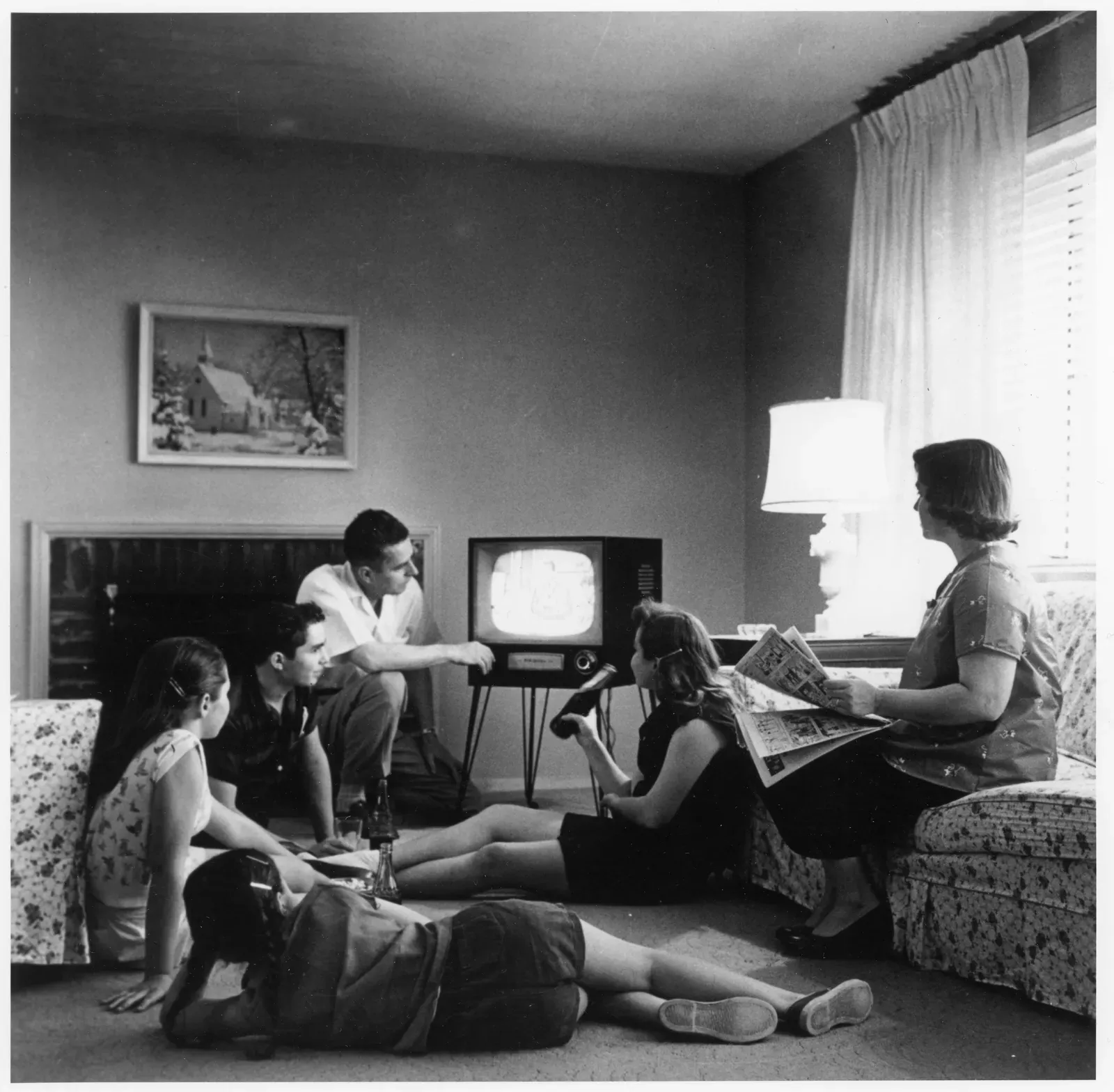
Few shows have a more surprising tale than this one. The ABC sitcom debuted in 1988 and was an instant success, praised for its realistic portrayal of a working class family. Its opening season was a ratings powerhouse and a critical favorite.
Later seasons are generally remembered as drifting away from that grounded tone, though that decline took years rather than a single season. It’s a looser fit than the others here, and it shows how a series can lose its footing gradually. Even so, many viewers still point to the early episodes as its best work.