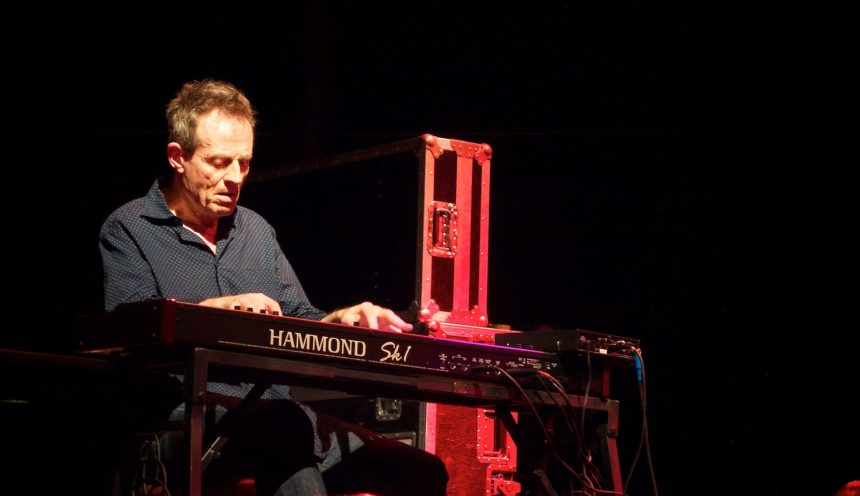
Plenty of famous names spent years in the background first. They sat in studios, read charts, and played whatever a producer needed that afternoon, often without a credit on the sleeve.
That work made them fast, versatile and well connected. Here are ten musicians who built their reputations as hired hands before stepping out front, listed in no particular order.
Jimmy Page
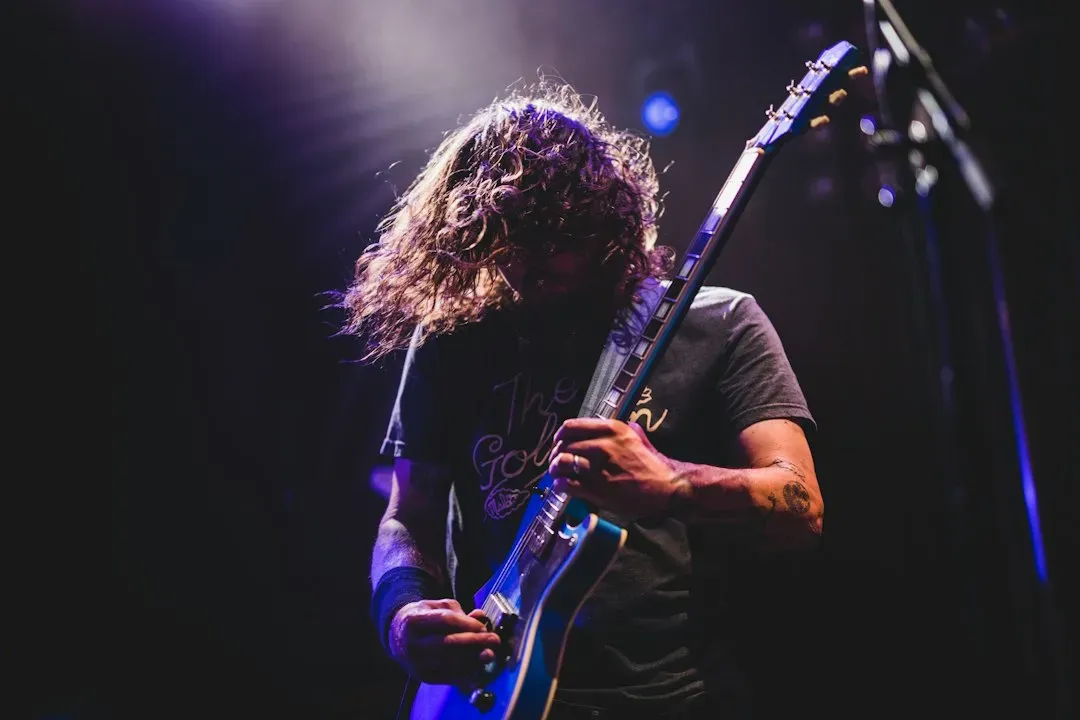
Before Led Zeppelin, Jimmy Page was one of the busiest guitarists in London studios in the early to mid 1960s. He played on a wide range of pop and rock recordings, and his versatility kept him in constant demand.
In 1966 he joined The Yardbirds, first on bass and then on guitar. When that band fell apart, he put together the New Yardbirds, which became Led Zeppelin in 1968.
John Paul Jones
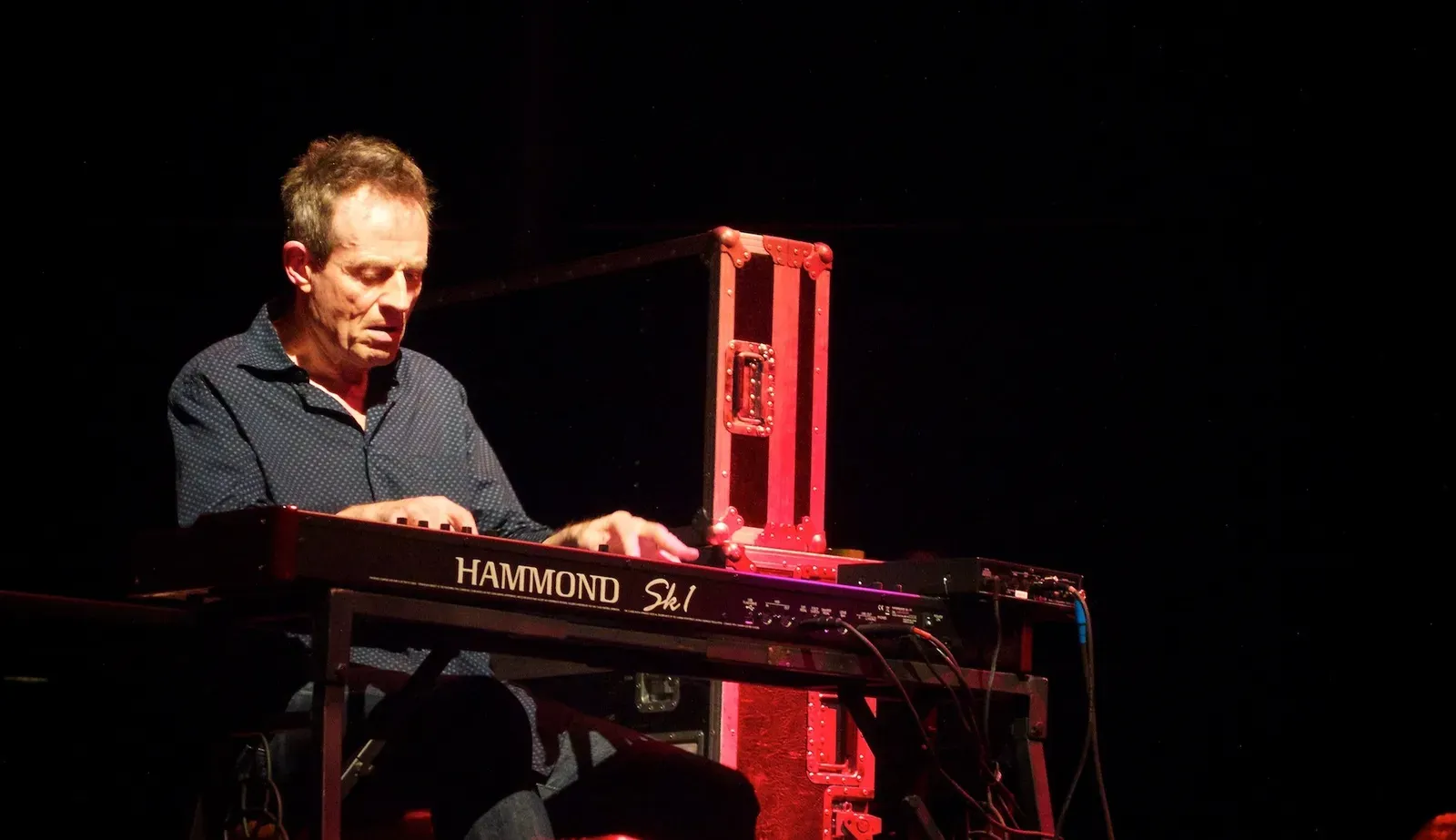
John Paul Jones was a session bassist and arranger in 1960s London, and his name appears on records by artists such as Donovan and The Rolling Stones. He wrote the string arrangement for the Stones track She’s a Rainbow in 1967.
He joined Page in 1968 to form Led Zeppelin. Studio discipline shaped his bass lines and his keyboard work, and he brought the same arranging instincts to the band.
Nicky Hopkins
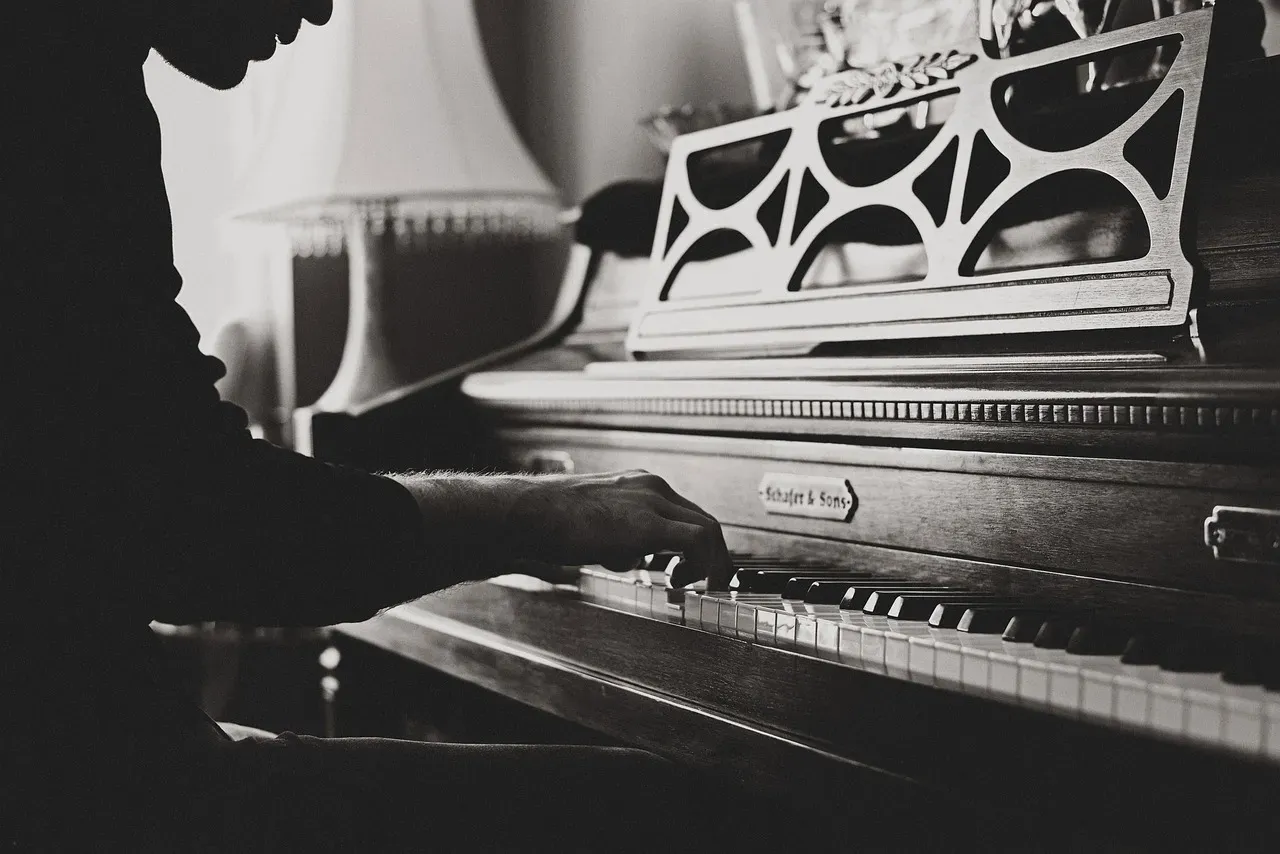
Nicky Hopkins was one of the most in demand session pianists of the 1960s and 1970s. His playing turned up on records by The Rolling Stones, The Who and The Kinks.
He also moved into band life. He worked with Quicksilver Messenger Service and Jefferson Airplane in the early 1970s, though he stayed best known as the pianist other bands called first.
Rick Wakeman
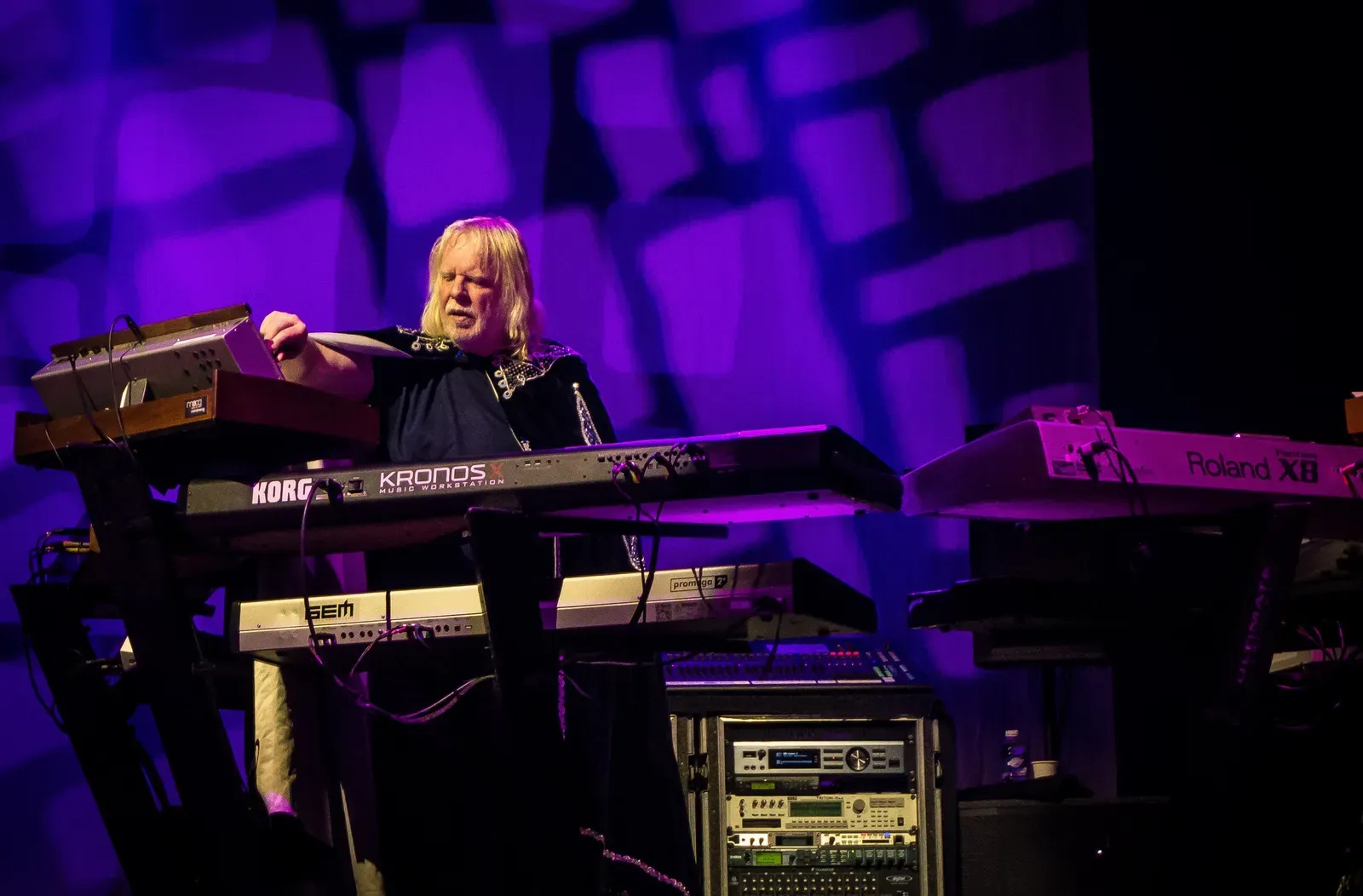
Rick Wakeman studied at the Royal College of Music before turning to rock, where he became a busy session keyboardist around 1969 and 1970. He played on David Bowie’s Hunky Dory and on Cat Stevens’ Morning Has Broken.
He joined Yes in 1971, and his keyboard parts became central to the band’s sound. His solo career followed soon after.
Glen Campbell
Glen Campbell was a member of the Los Angeles studio group often called The Wrecking Crew in the early 1960s. He played guitar on a huge number of pop sessions.
In 1964 and 1965 he toured with The Beach Boys, filling in for Brian Wilson on the road. He then became a solo star with hits such as Gentle on My Mind and Wichita Lineman.
Leon Russell
Leon Russell was another Wrecking Crew pianist who played on countless sessions in 1960s Los Angeles. His credits cover pop, rock and country, and he became a go to player for producers.
By the end of the decade he was leading his own projects. He helped organise Joe Cocker’s Mad Dogs and Englishmen tour in 1970 and released solo records, including a self titled debut that same year.
Dr. John

Mac Rebennack worked as a guitarist, pianist and session player in New Orleans in the 1950s and 1960s. He played on many local recordings and moved to Los Angeles to keep working in studios.
He took on the Dr. John persona with the 1968 album Gris Gris. It blended New Orleans music with psychedelic sounds and launched his solo career.
Ry Cooder
Ry Cooder first earned his name as a guitarist for hire in the 1960s. He played on Captain Beefheart’s Safe as Milk and contributed mandolin to The Rolling Stones’ Love in Vain on Let It Bleed.
He released his own debut album in 1970. Over the years he built a solo catalogue, and he later became known for film soundtracks and collaborations such as the Buena Vista Social Club project.
Jeff Porcaro

Jeff Porcaro was a studio drummer in Los Angeles in the 1970s, playing on records such as Steely Dan’s Katy Lied and Aja. His feel and precision made him one of the most sought after drummers of his generation.
In 1977 he formed Toto with other studio musicians, including David Paich and Steve Lukather. The band’s debut came out in 1978, and Toto went on to win multiple Grammy Awards in 1983 for the album Toto IV.
Elton John
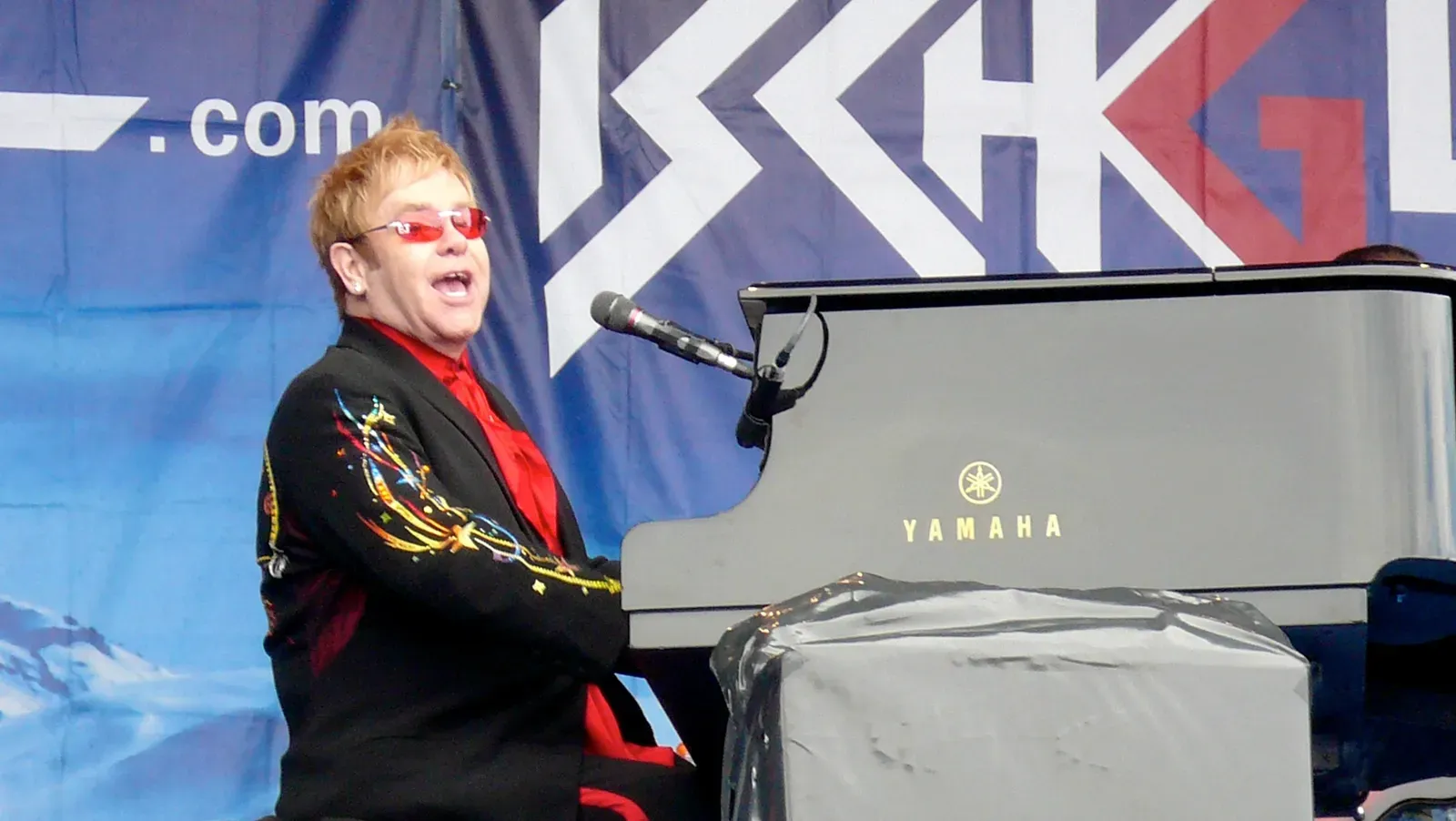
Before his breakthrough, Elton John did paid studio work in London in the late 1960s. That included singing on budget cover albums of current hits, an early example of the unglamorous work many future stars did to earn a living.
He had also played piano in the band Bluesology, backing touring soul and blues acts. His own album Elton John arrived in 1970, and his career took off in the United States soon after.