Most records begin life in a studio with soundproofed walls and a control room. Some artists, though, wander off. They set up in a hotel hallway, a rented villa or a cabin in the woods.
The results aren’t always tidy, and that’s often the point. Rooms leave fingerprints on recordings, from echo to temperature to a certain looseness in the playing. Here are nine albums where the location is a real part of the story.
Led Zeppelin IV at Headley Grange
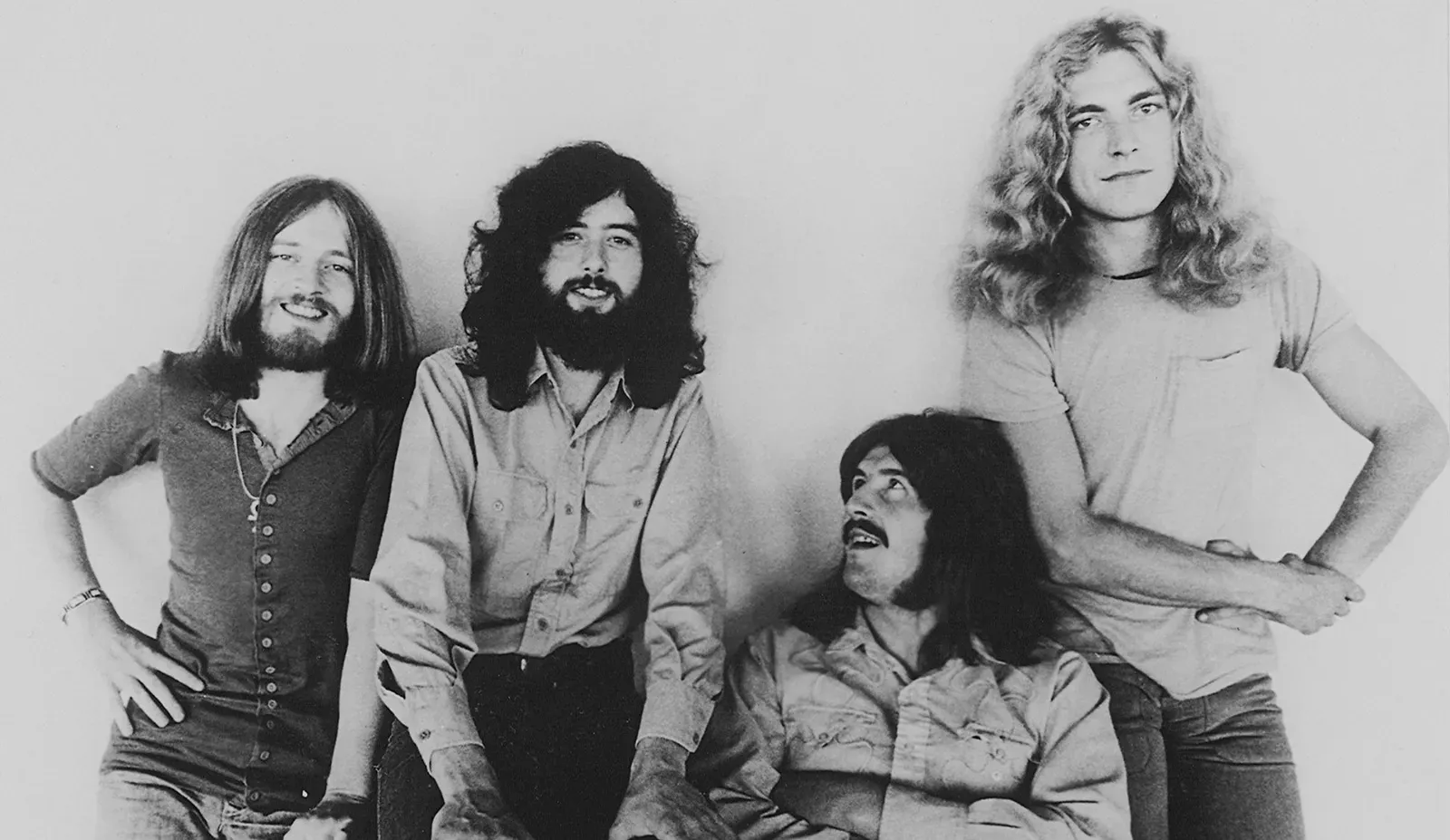
Led Zeppelin worked on their fourth album in 1971 at Headley Grange, a former workhouse in Hampshire, England. The band brought in the Rolling Stones Mobile Studio, which let them record in a lived in house instead of a conventional studio. The setup suited their appetite for loud, roomy sound.
The best known result is the drum sound on “When the Levee Breaks”. John Bonham’s kit was placed in the house’s stairwell, with microphones positioned above it, and the cavernous echo became one of rock’s most sampled drum tones. The house was clearly more than a backdrop.
Exile on Main St. in a French Villa Basement
The Rolling Stones recorded much of Exile on Main St. in 1971 at Nellcôte, a villa in Villefranche-sur-Mer on the French Riviera. Keith Richards had rented the house, and the band set up in its basement using their own mobile studio. They had moved to France partly for tax reasons, which turned a legal problem into a recording location.
The basement was hot, cramped and awkward to work in. Musicians played in separate rooms and corners, which affected the way the tracks sounded. The album came out in 1972, and its loose, murky feel is often tied to those conditions.
Honky Château at a French Castle
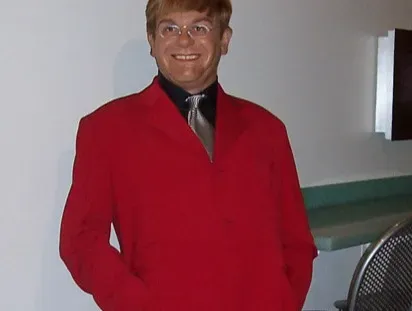
Elton John recorded Honky Château in 1971 at the Château d’Hérouville, an eighteenth century castle northwest of Paris. The building had been converted into a residential studio, so artists could live and record under one roof. Elton’s 1972 album took its title from the place itself.
The studio drew other major names over the years, including David Bowie, who recorded Pin Ups there. For Elton and his band, the stay produced “Rocket Man” and “Honky Cat”. Being away from London helped keep the sessions focused.
Machine Head Inside a Swiss Hotel
Deep Purple planned to record Machine Head at the Montreux Casino in Switzerland in December 1971. A fire broke out during a Frank Zappa concert at the venue and destroyed the building. The band had to improvise, and they ended up at the Grand Hotel in Montreux.
There they used the Rolling Stones Mobile Studio again, parking it outside and running cables into the empty hotel. Parts of the album were captured in corridors and rooms. The fire inspired “Smoke on the Water”, and the album was released in 1972.
Kind of Blue in a Converted Church
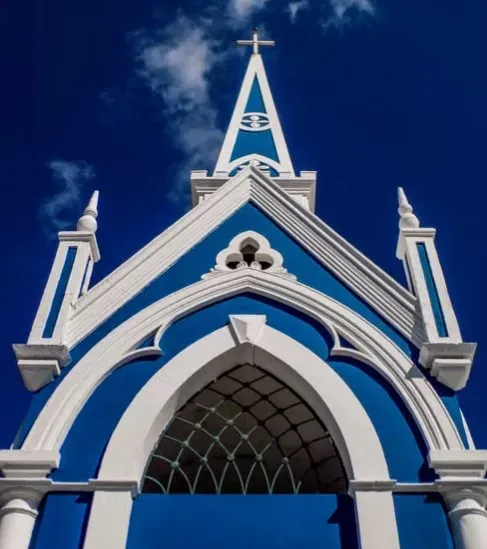
Miles Davis recorded Kind of Blue in 1959 at Columbia’s 30th Street Studio in Manhattan. The space was a former Armenian church, and the building’s high ceiling gave it a famously spacious acoustic. Columbia engineers valued the room for the natural reverb it provided.
The sessions took place across two days, in March and April 1959. The calm, open sound of the record owes something to the room as well as the musicians. It remains among the best selling jazz albums ever released.
Harvest and the Barn at Broken Arrow Ranch
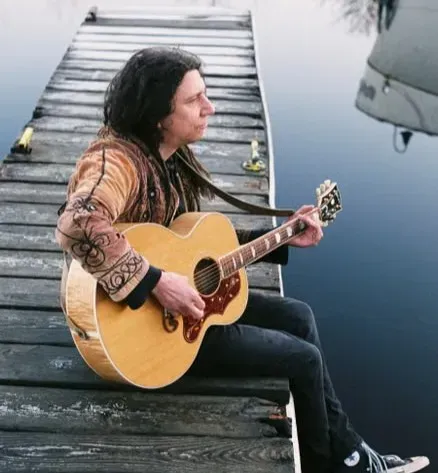
Neil Young made Harvest in 1971 and 1972, and part of it was recorded in a barn on his Broken Arrow Ranch in California. Other sessions took place in Nashville, and strings were added in London. The barn was converted into a working studio, which let Young record close to home.
This was a rustic setup used for a polished and very successful record. Harvest was released in 1972, and the barn sessions gave it some of its warmth. The mix of locations shows how one album can pull together several very different rooms.
The Basement Tapes at Big Pink
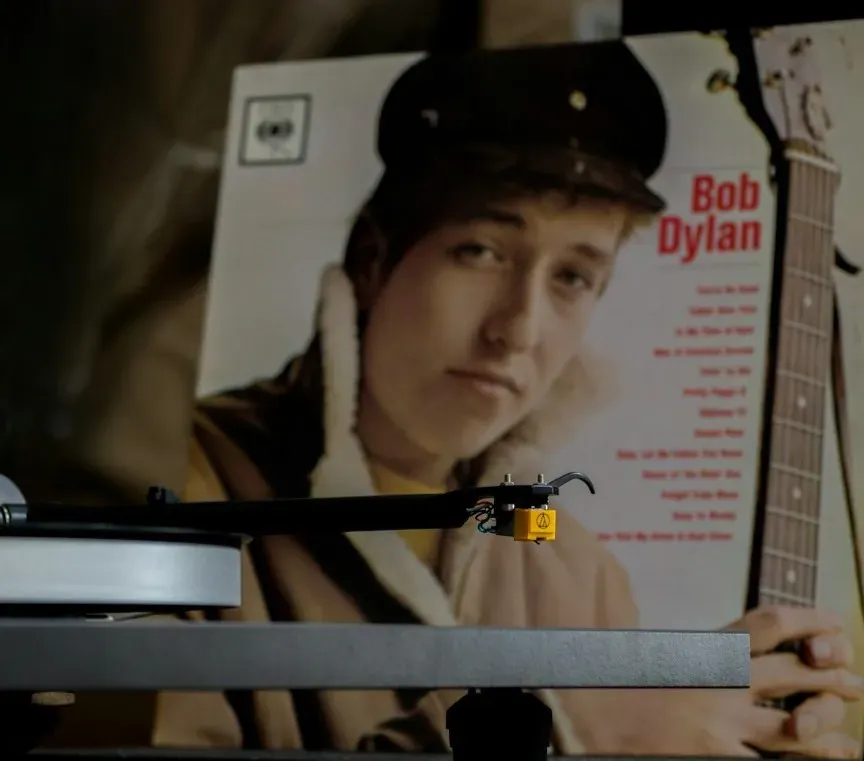
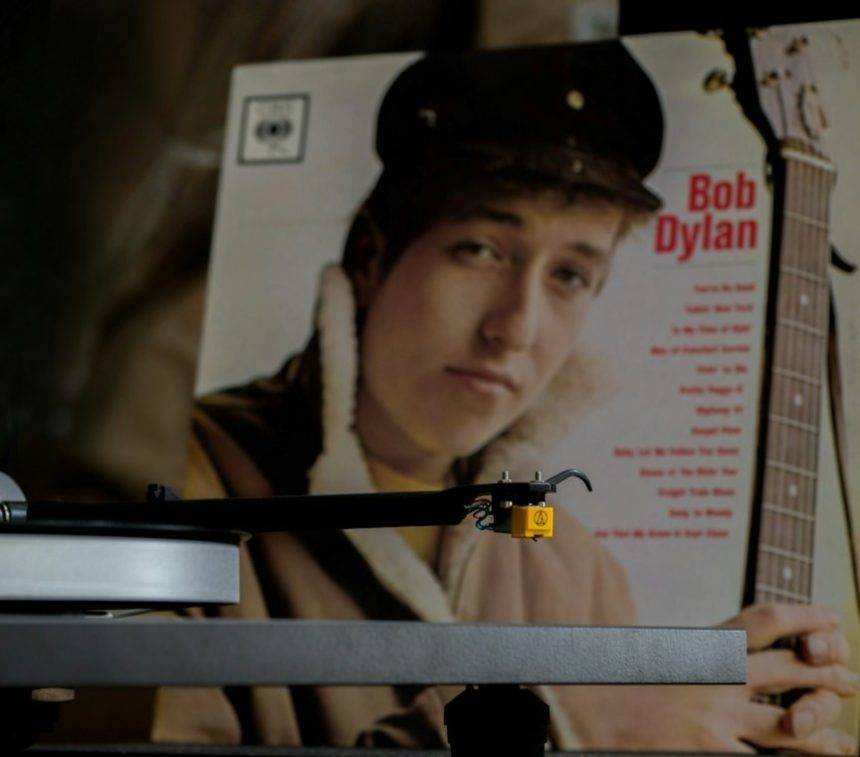
In 1967, Bob Dylan and the musicians who became The Band recorded a large batch of songs at a house in West Saugerties, New York. The house was nicknamed Big Pink, and the recordings were mostly made in its basement with simple equipment. Dylan was recovering from a motorcycle accident and living in the area at the time.
The recordings circulated unofficially for years. An official double album, The Basement Tapes, finally appeared in 1975. Its informal, homemade quality is the whole charm.
For Emma, Forever Ago in a Wisconsin Cabin
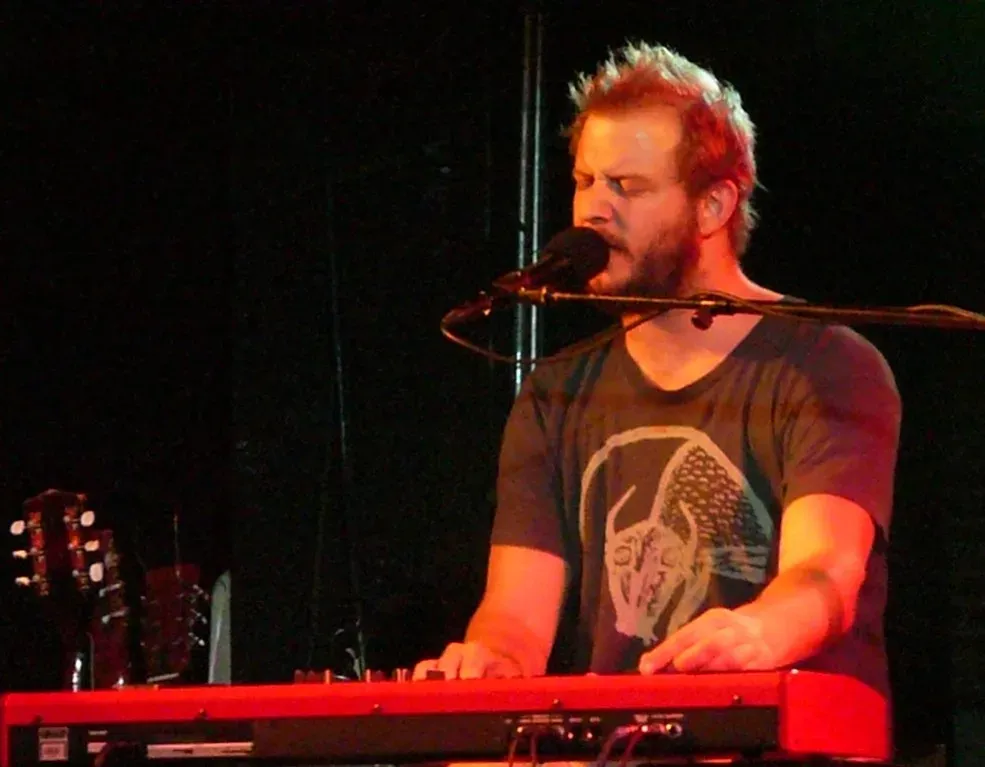
Justin Vernon, who records as Bon Iver, retreated to a hunting cabin in rural Wisconsin in the winter of 2006 to 2007. The cabin belonged to his father, and he stayed there for several months. He recorded the songs on his own, with limited equipment.
The album first came out in 2007 as a self release. Jagjaguwar issued it more widely in 2008, and the cabin story became central to how listeners understood the music. The sparse sound and layered falsetto fit the isolated setting.
OK Computer at a Mansion Near Bath

Radiohead recorded most of OK Computer in 1996 and 1997 at St Catherine’s Court, a historic manor house near Bath, England. The house was owned by the actress Jane Seymour. The band worked in its large rooms rather than in a traditional studio, which gave them room to experiment.
Some tracks were recorded in unconventional spots in the house. “Exit Music (For a Film)”, for instance, was reportedly captured in a stone stairwell for its echo. The album was released in 1997 and is widely regarded as one of the defining records of that decade.