Box office numbers tell you what people did on one opening weekend. They don’t always tell you what a film will mean in ten or twenty years. Science fiction has a particularly bumpy record here, since the genre often asks viewers to sit with strange ideas and slower storytelling.
The six films below all struggled to find a crowd when they first arrived. Over time, reassessments, home video, restorations and plain word of mouth turned them into titles that critics regularly cite as essential. Here’s how each one made the journey.
Blade Runner (1982)
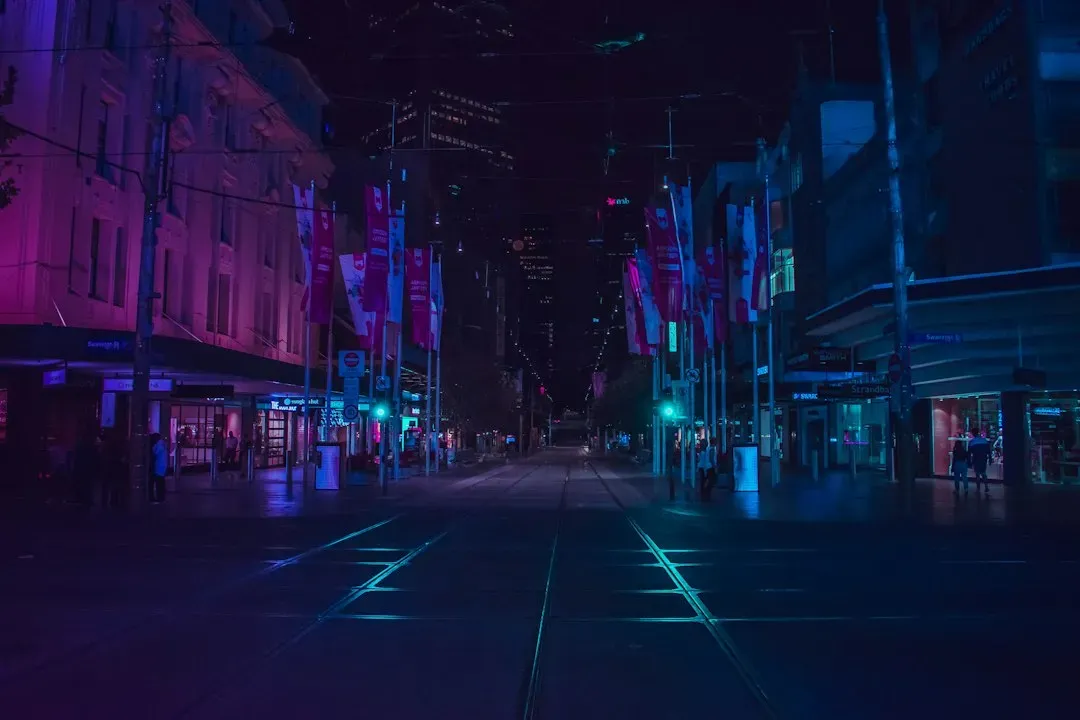
Ridley Scott’s neon soaked vision of a future Los Angeles opened in the summer of 1982 and earned only a modest return against its production costs. Reviews were divided, with some critics finding the pace sluggish and the story muddy. Audiences expecting a straightforward action adventure with Harrison Ford were largely left cold.
The film’s reputation grew through home video, television airings and repertory screenings. Scott’s 2007 release, known as The Final Cut, gave it a polished restoration and a wider rediscovery. Today it’s treated as one of the most influential science fiction films ever made, and its look still shapes how movies imagine cities of the future.
The Thing (1982)
John Carpenter’s creature feature landed in June 1982, the same month as E.T. the Extra-Terrestrial. Moviegoers were in the mood for a friendly alien, and a bleak story of paranoia in Antarctica felt like the opposite. Many critics at the time attacked its gore and bleak tone, and the box office reflected a public that stayed away.
Cable, VHS and later streaming gave it the second life it deserved. Critics now point to the practical effects, the claustrophobic staging and the way the story keeps everyone, including the audience, guessing about who can be trusted. It’s frequently named among the finest horror and science fiction hybrids on record.
Gattaca (1997)

Andrew Niccol’s debut imagined a society where genetic engineering decides a person’s career and worth. Despite a cast including Ethan Hawke, Uma Thurman and Jude Law, it earned far less than it cost to make. Marketing struggled to explain a quiet, stylish drama that didn’t lean on spectacle.
Its themes have only grown more relevant as genetic testing and screening have moved into everyday conversation. Critics now praise the film’s restrained design and its humane focus on ambition and identity. It had earned an Oscar nomination for art direction, a sign that some people noticed its craft early.
Dark City (1998)
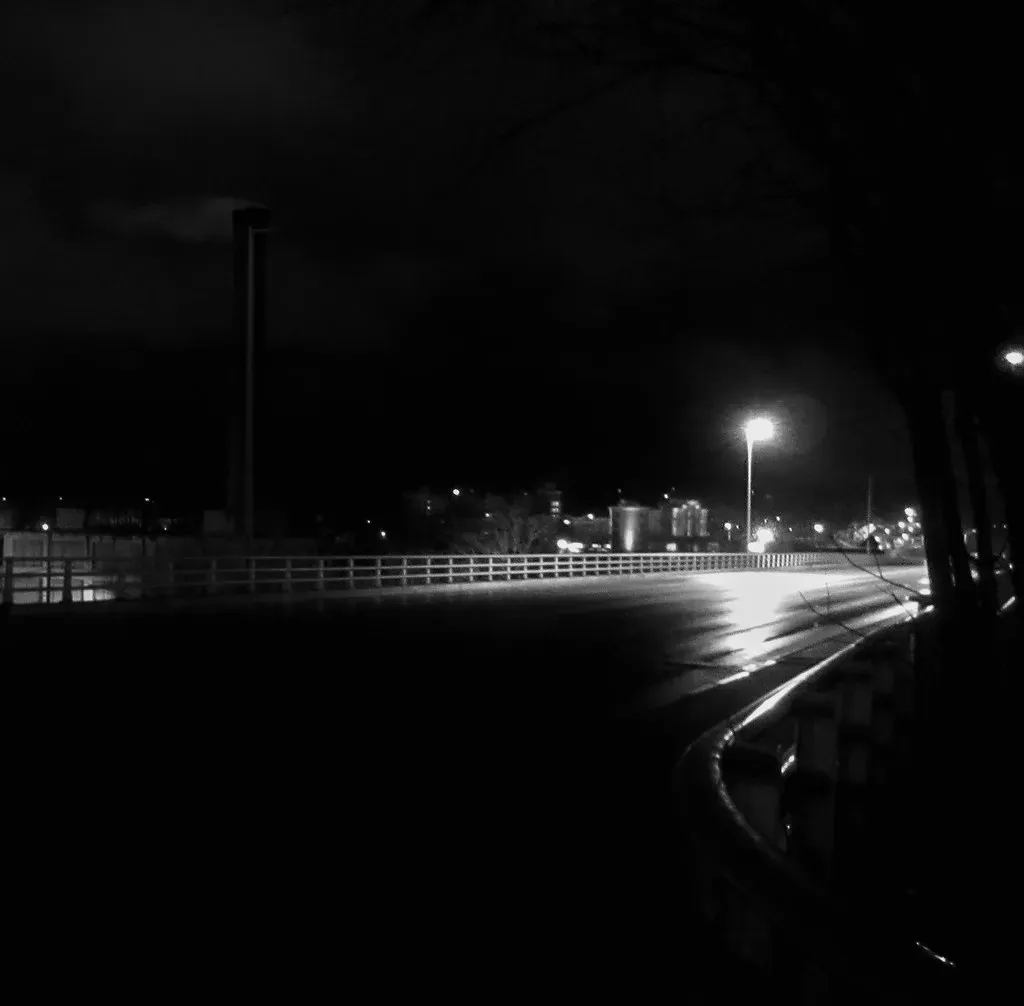
Alex Proyas made a shadowy mystery about a city where the night is controlled by mysterious beings and nobody remembers their own past. It arrived in 1998 and didn’t connect with a wide audience, partly because it was easy to dismiss as a darker cousin of other genre hits. Its box office roughly matched its budget at best, which in studio terms is a disappointment.
Roger Ebert was one of its early champions and went as far as naming it the best film of 1998. Later critics and filmmakers have pointed to its visual influence, especially its shifting architecture and moody lighting. A director’s cut on home video helped new viewers see the story Proyas wanted to tell.
Sunshine (2007)
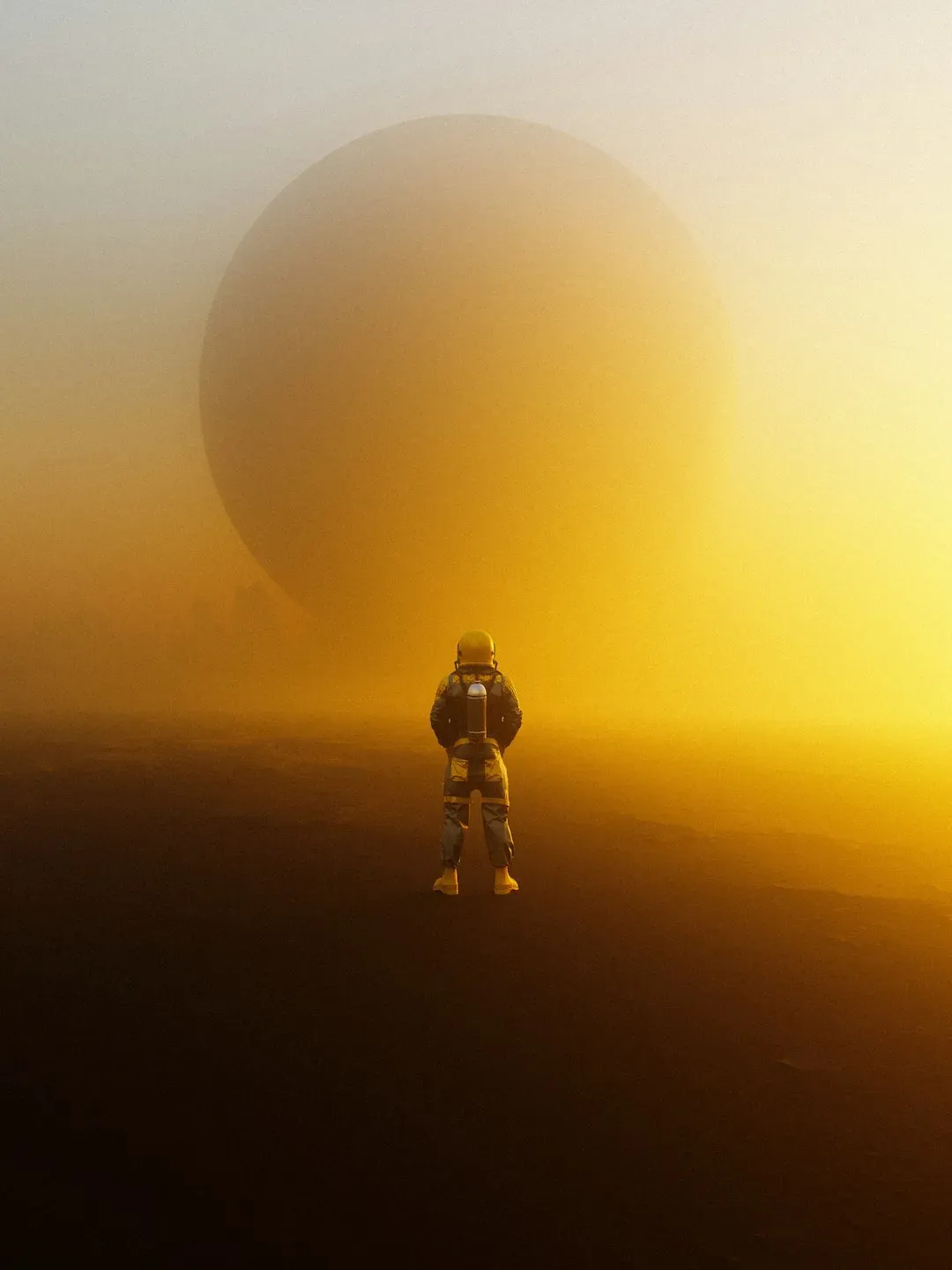
Danny Boyle sent a crew of astronauts toward a dying sun in a film that blends hard science fiction with psychological tension. It was released in 2007 to a lukewarm theatrical response, and its box office fell short of its sizable budget. Some viewers felt the final act shifted into something stranger than they’d signed up for.
Critics have been kinder in hindsight, praising the cinematography, Cillian Murphy’s performance and an unusually sincere sense of awe about the sun itself. The score and sound design are often singled out as among the best of the decade. It has since become a favorite among genre fans who prefer atmosphere to explosions.
Blade Runner 2049 (2017)
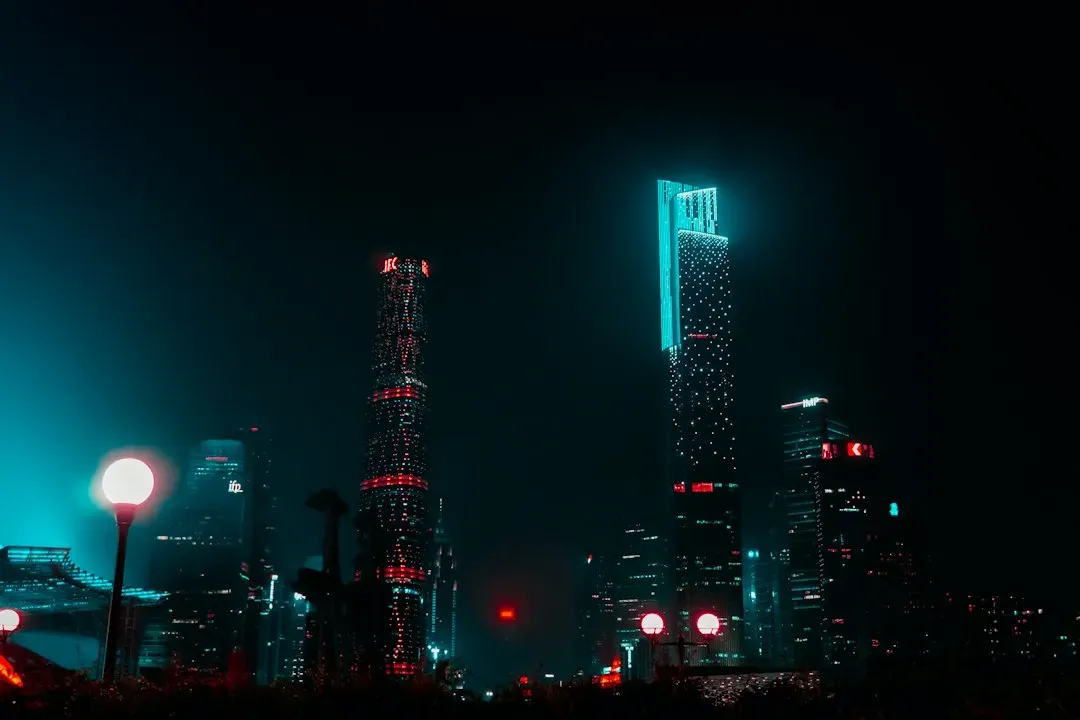
Denis Villeneuve’s long awaited sequel earned strong reviews on release, yet it didn’t draw the crowds studios hoped for. With a large budget, its worldwide gross landed well short of the level needed to call it a financial success. Its length and deliberate pacing were commonly cited as reasons casual audiences stayed home.
Its critical standing has kept climbing. It won Academy Awards for cinematography and visual effects, and many critics now rank it among the best science fiction films of the 2010s. Streaming has given it a steady second audience, which is a pattern the original film followed decades earlier.