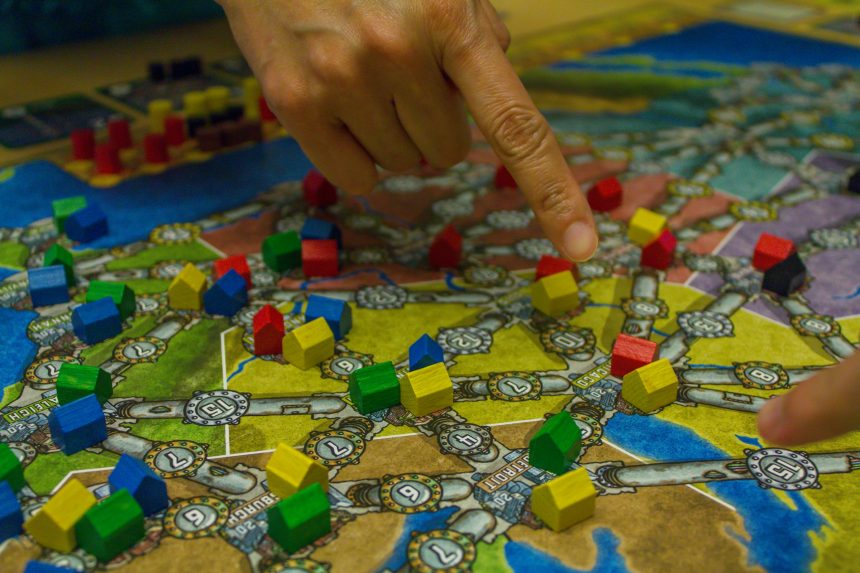
Walk into a thrift store or scroll through an online marketplace and you’ll still find boxes from the 1970s with faded cardboard and wild artwork. Some of these games sit alongside titles that never left shelves, like Sorry! and Stratego. Others vanished a long time ago.
The ten below were released in that decade and are no longer being made. Some had their originals discontinued and later revivals discontinued too. Others simply live on through collectors and resale listings.
Stay Alive (1971)
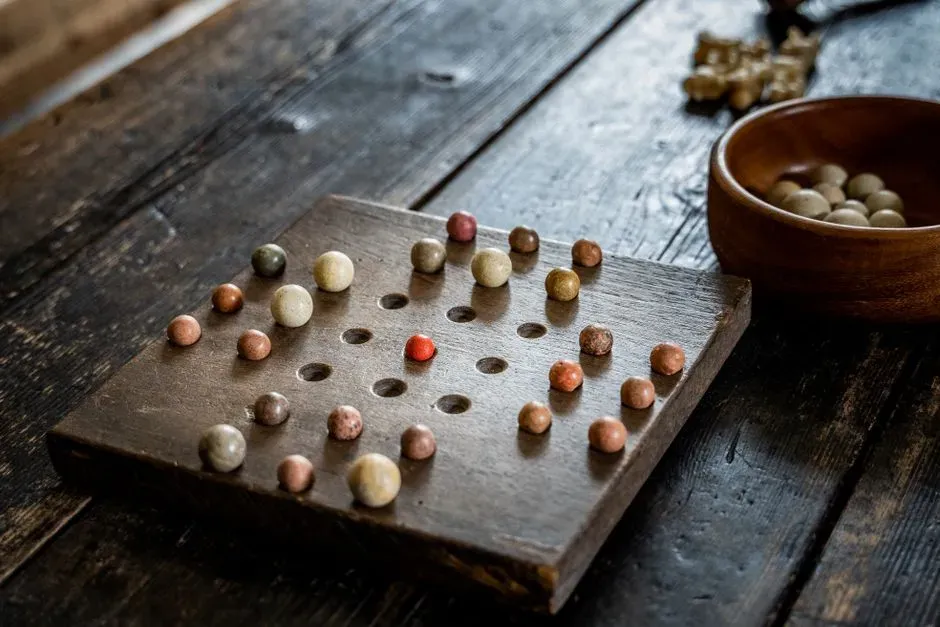
Stay Alive was built around marbles and a grid. Two to four players placed marbles on a seven by seven grid with sliders and holes, trying to trap opponents’ marbles in holes that opened unexpectedly. It borrowed a little from Ker-Plunk and Battleship, which helped explain its appeal.
Milton Bradley launched it in 1971. The original was discontinued in the late 1970s, and a 2005 revival by Winning Moves is also out of production. That makes it one of the rarer games to go out of print twice.
Masterpiece (1970)
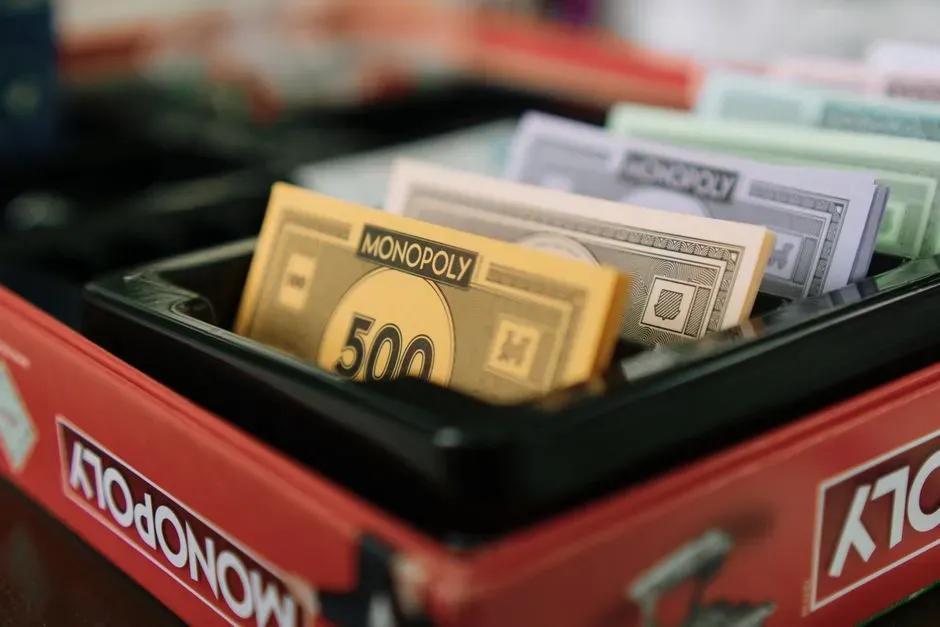
Masterpiece turned an art auction into a bluffing game. Parker Brothers launched it in 1970, and players bid on paintings that could be valuable originals or worthless forgeries. The box art promised a refined evening, though the bidding could get cutthroat.
The game stayed in circulation for a while. Parker Brothers produced later editions, including versions in 1976 and 1996, and those are now sold mainly as out of print collectibles. Online listings from vintage sellers still show it as a sought after piece of 1970s game history.
Bermuda Triangle (1975)
This one rode the decade’s fascination with mysterious disappearances. Milton Bradley’s Bermuda Triangle dates to 1975, and its signature feature was a magnetic mystery cloud that moved across the board and could pick up players’ ships. Some later references list 1976, but 1975 is the more accurate date.
Its gimmick tied directly to a pop culture craze. The cloud randomly moved across the board and made ships disappear, capitalizing on the 1970s Bermuda Triangle mystery craze. The original game is now cataloged as out of print, with surviving copies turning up through specialty sellers and collectors.
Voice of the Mummy (1971)
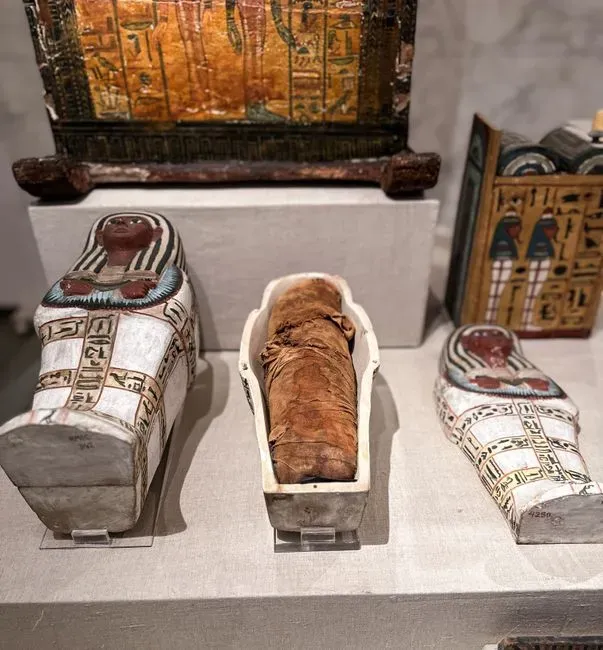
Few games from the era were as theatrical. Milton Bradley built a plastic sarcophagus that talked, with a small battery powered record player inside giving spooky instructions as players hunted for jewels. The board showed an Egyptian tomb, with the sarcophagus standing up as the centerpiece.
The game came from a well known design shop. Marvin Glass and Associates, the toy design firm behind many classic gadgets, created it. Collectors are advised to check whether the voice still plays, since record mechanisms wear out after decades.
Electronic Detective (1979)
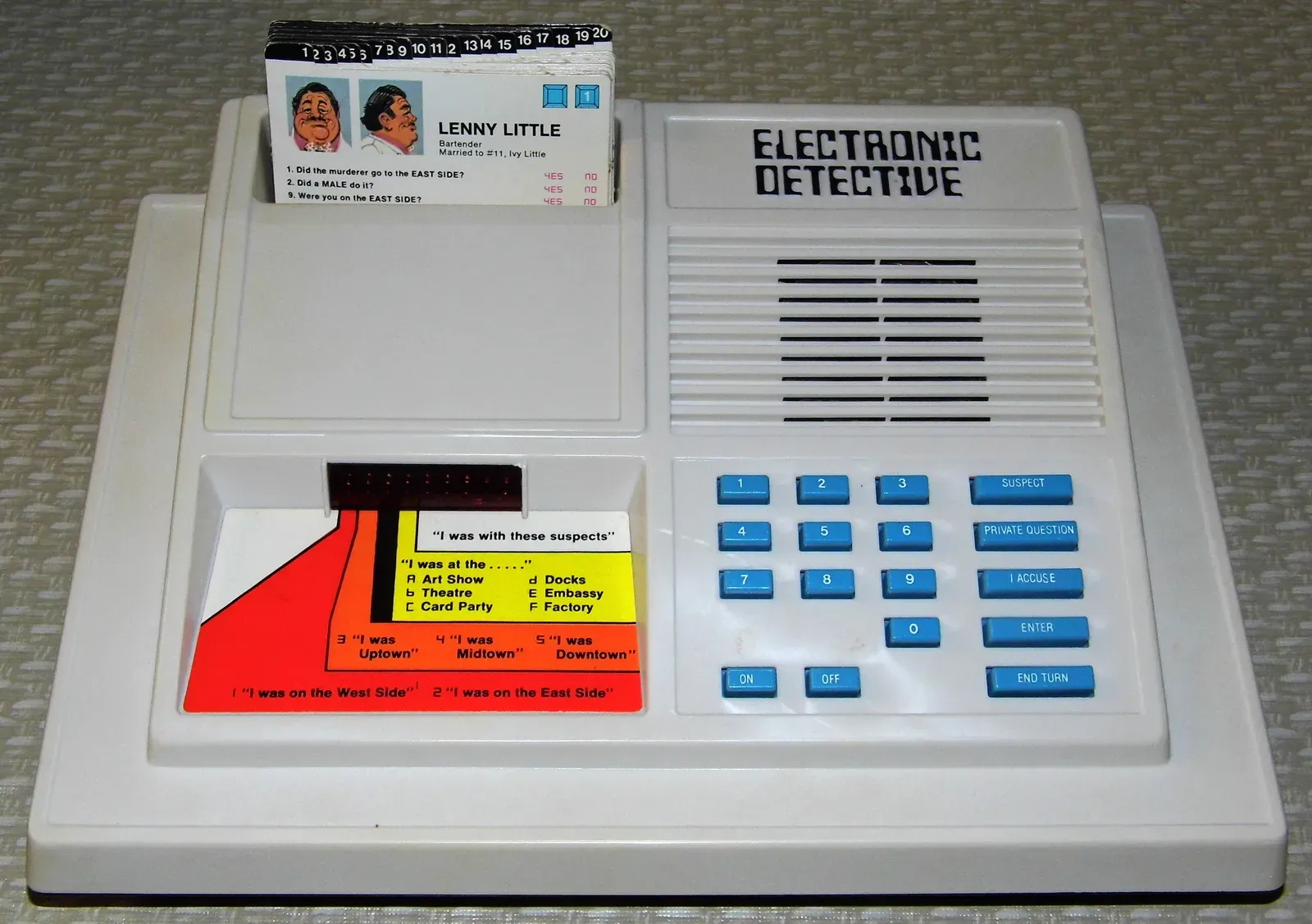
Ideal’s Electronic Detective gave players something that felt futuristic at the time. It handed detectives a calculator style computer and a crime to crack, released in 1979, letting players question suspects and check alibis through button presses. The idea was a mystery that the machine itself could solve.
It came out as the decade was closing, just as electronic toys were growing more common. The game is no longer in production, and it shows up in lists of discontinued titles that collectors hunt for. Working electronics are naturally the hard part when buying a used copy.
Stop Thief! (1979)
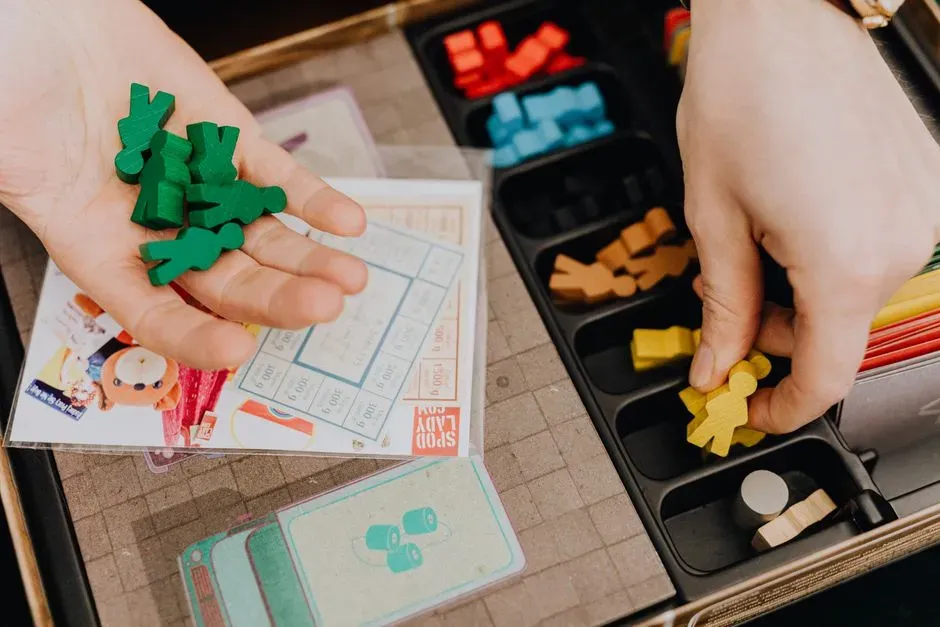
Parker Brothers released Stop Thief! in 1979, the same year as Electronic Detective. Like it, the game leaned on electronics to set itself apart from traditional roll and move titles. It appears on collector lists of discontinued games from the period.
Players chased a thief across a city board while using a handheld device to gather clues. That mix of board and gadget made it a good example of how late 1970s game makers were experimenting. Original copies are still traded among vintage game fans.
Which Witch? (1970)
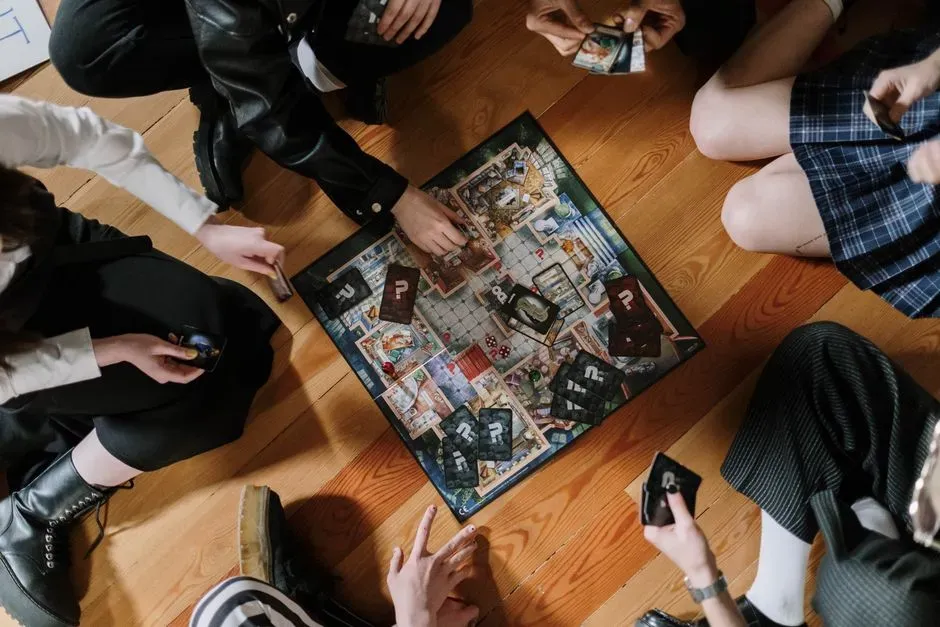
Which Witch? is a 1970 title that has become a nostalgic favorite. In the US it was known as Haunted House, which sometimes confuses people searching for it. It sits among the spooky themed games that were popular in that era.
It is listed among forgotten board games from the 1970s and 1980s, and you won’t find it as a current retail product. Most surviving copies come through resale sites, estate sales and collector groups. Complete boxes tend to be the ones worth looking for.
Séance (1972)
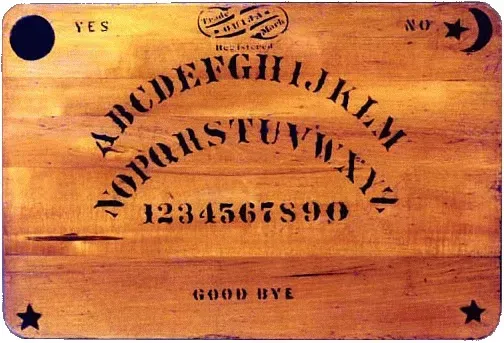
Séance came out in 1972 and was another entry in the decade’s taste for the supernatural. It’s one of the titles named in retrospectives on quirky classics that filled rainy afternoons before smartphones. Its theme matched the ghost and occult interest of the time.
It has long been out of production. Anyone wanting to play it today has to track down an older copy, since there’s no standard current edition in stores. Condition and completeness matter a lot with games of this age.
King Oil (1974)
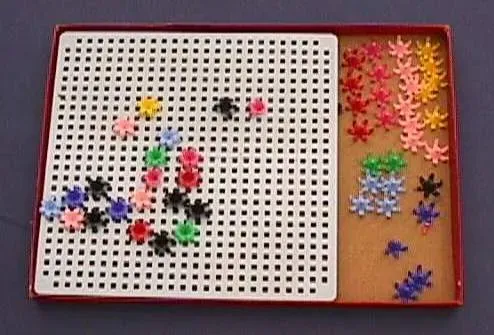
King Oil dates to 1974 and carries the feel of a decade when energy and business games were popular. It appears in retrospectives on forgotten games from the era alongside Stay Alive and Bermuda Triangle. Few modern players have heard of it.
Like many titles here, it survives only on the secondhand market. Without a current publisher keeping it on shelves, it has drifted into obscurity. Finding a complete box is the main challenge.
Flustration (1974)
Flustration, a 1974 game from Reiss, is one of those lesser known titles that still turns up online. Vintage listings describe a 1974 Flustration board game by Reiss in complete, excellent condition. Its bold black box with white lettering makes it easy to spot.
It isn’t produced now, and the listings are the main sign it still exists. Prices for complete copies vary by seller and condition. For anyone curious about the 1970s tabletop scene, it’s a fitting reminder of how many small games came and went.