Before a big studio film reaches theaters, it often gets shown to a recruited audience that fills out cards afterward. The scores and comments can move a release date, trim a scene, or send a cast back to set. In a handful of famous cases, they changed how the story ended.
The reasons weren’t always the same. Sometimes viewers were upset, sometimes confused, and sometimes the studio was simply nervous about money. Here are seven classics where the ending we know isn’t the one the filmmakers first planned.
Fatal Attraction Needed a Different Kind of Villain Fate
Adrian Lyne’s 1987 thriller originally ended with Alex Forrest killing herself in a way that framed Dan Gallagher for her death. The idea echoed the opera Madame Butterfly, which Alex plays in the film. Glenn Close has said she was attached to that darker version.
Test audiences reacted badly, reportedly because they wanted Alex to face the consequences of her violence and Dan’s family to be avenged. The studio agreed to reshoot, and the finished film has Beth Gallagher shoot Alex in the bathroom. The change added cost, yet the film became a huge hit, and the debate over which ending suits it better has continued ever since.
Pretty in Pink Gave Andie a New Prom Partner
John Hughes wrote the 1986 teen drama with Andie ending up alongside her best friend Duckie, played by Jon Cryer. That version was shot and shown to test viewers. Audiences reportedly wanted Andie to end up with the wealthy Blane, played by Andrew McCarthy.
The cast and crew returned for a reshoot, and the prom ending now features Andie and Blane reuniting. Reports have long said the original pairing was also weakened by a lack of chemistry between the two leads. The new ending kept a small nod to Duckie, but many fans still feel he deserved the girl.
Little Shop of Horrors Lost Its Bleak Finale
The 1986 musical adaptation of the stage show originally closed the way the stage story does, with the man eating plant Audrey II devouring Seymour and Audrey. Viewers at test screenings did not enjoy watching characters they liked die. Warner Bros. paid for a new ending that let the couple survive and the plant meet its end.
The expensive reshoot was a notable gamble for a film of its size. The original ending, which includes a large scale sequence of plants overrunning the city, survived on work print footage. It was later restored for a director’s cut release, so viewers today can choose between both versions.
Blade Runner Was Made Easier to Follow
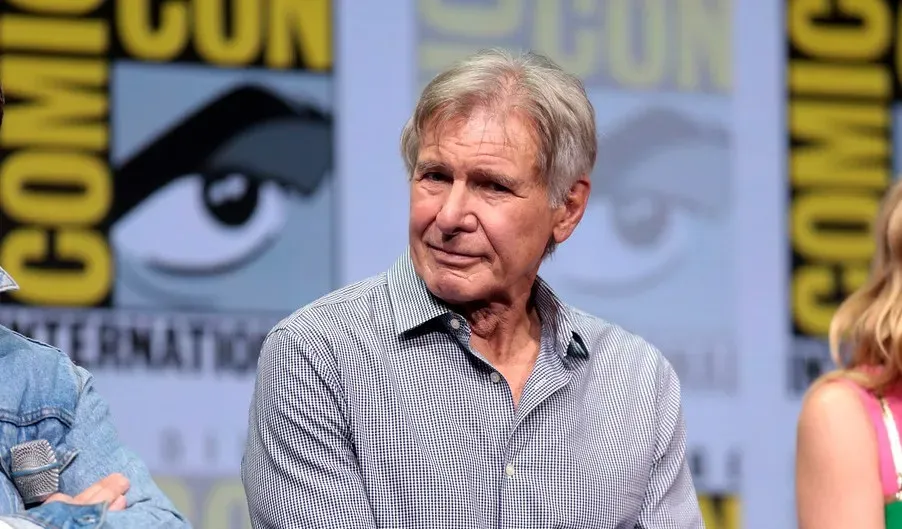
Ridley Scott’s 1982 science fiction film confused preview audiences. The studio, worried about its commercial prospects, pushed for changes to make it clearer. That led to a voiceover narration by Harrison Ford, which he was reportedly unenthusiastic about.
The studio also added a hopeful final scene of Deckard and Rachael driving through open landscapes. Some of that footage came from unused aerial shots from Stanley Kubrick’s The Shining. Scott’s preferred cut was eventually released as The Final Cut in 2007, without the narration or the happy coda.
First Blood Let John Rambo Live
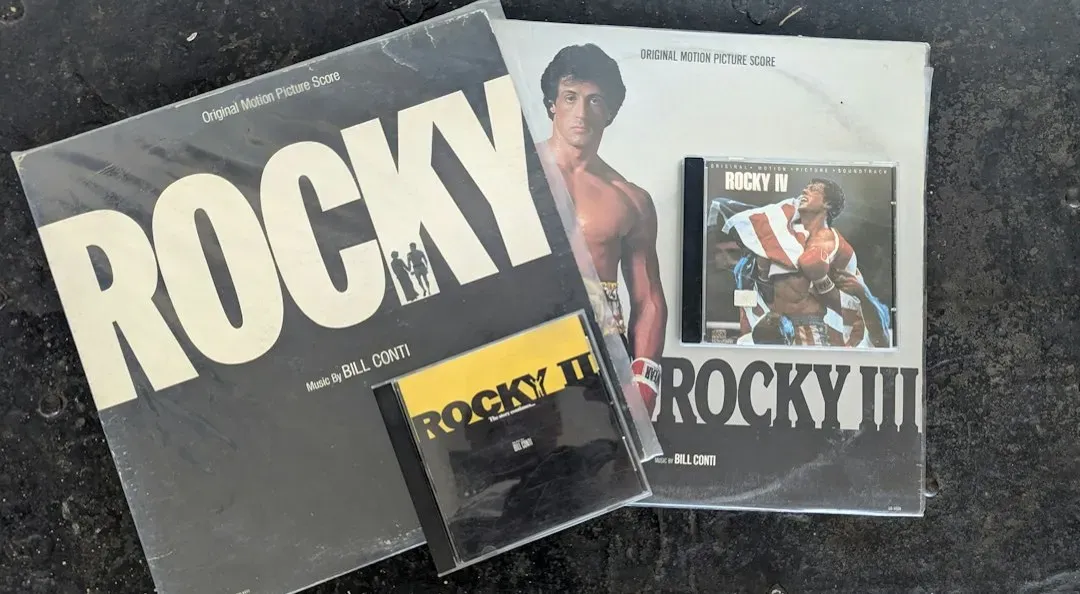
In the novel that inspired the 1982 film, the main character dies. Director Ted Kotcheff shot a version where Rambo asks Colonel Trautman to kill him, which stayed closer to the book’s bleak tone. Sylvester Stallone and others later said that ending did not work for the audience.
The ending was changed so Rambo breaks down emotionally and surrenders instead. Keeping him alive made sequels possible, and the franchise that followed went in a very different direction. Few endings changed after audience reaction have had such a long afterlife.
The Magnificent Ambersons Was Cut and Reshot Without Orson Welles
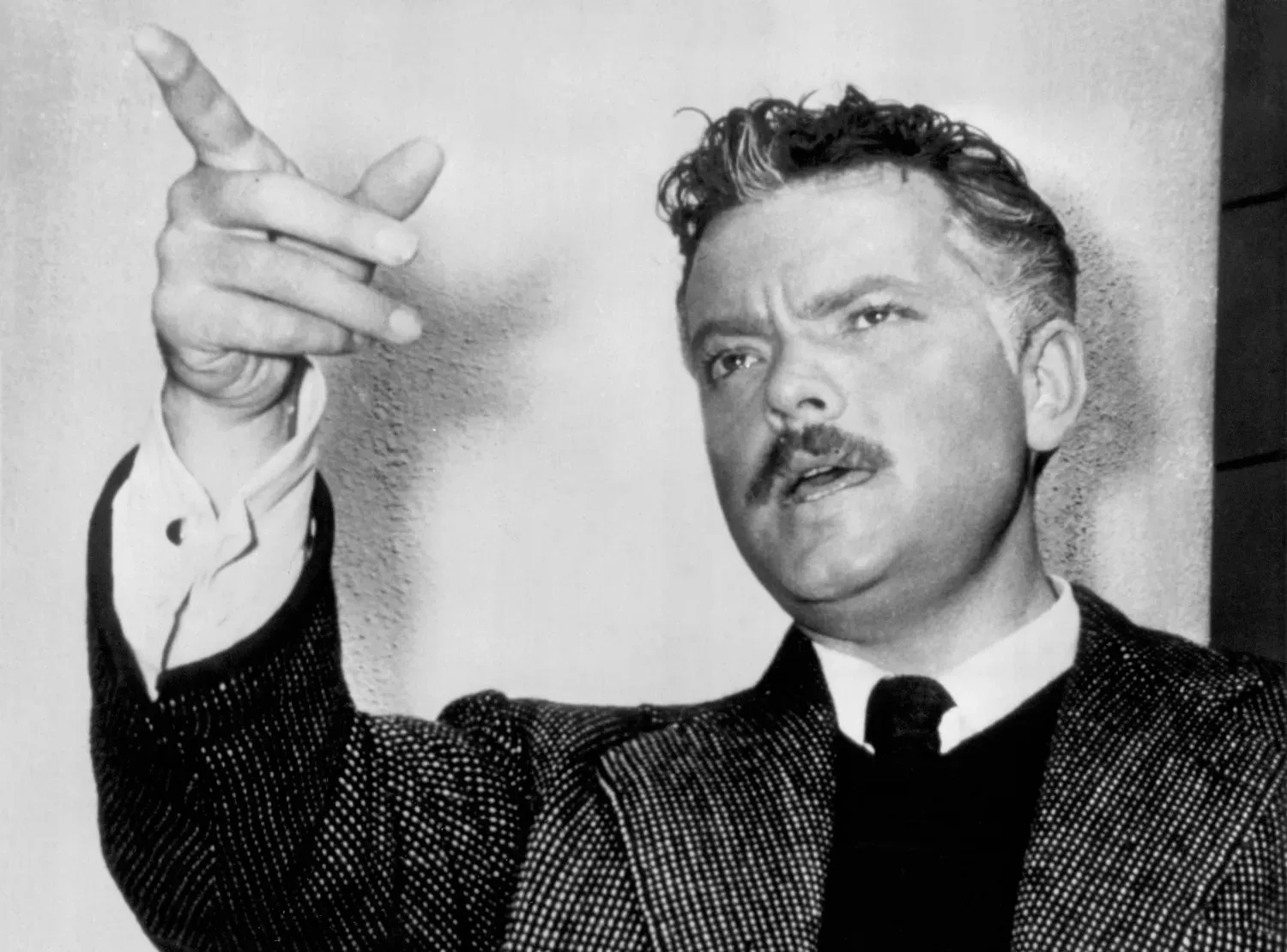
Orson Welles followed Citizen Kane with this 1942 period drama. After preview screenings went poorly, RKO moved to shorten it and add a more upbeat conclusion. Welles was working abroad at the time and could not control the edit.
Other hands cut footage and shot new scenes, and the removed material was destroyed to free up storage. The film that audiences saw is therefore a compromise, and the original cut is considered lost. It remains one of the best known examples of a studio overriding a director after audience feedback.
Dr. Strangelove Dropped Its Pie Fight
Stanley Kubrick shot a large pie fight in the war room for the finale of his 1964 satire. The scene was cut before release, and accounts say Kubrick felt it pushed the film too far into slapstick. The decision came during the period when the film was being previewed and finalized.
Instead, the film closes on the montage of nuclear explosions set to a wartime song. Some stills from the pie fight survive, and the sequence has become a piece of film folklore. It shows that a changed ending does not always mean a softer one.