Walk through almost any mall or downtown in 1975 and the anchor stores had names that now sound like relics. Some have vanished entirely. Others survive in a smaller, stranger form.
The chains below are well documented, and each one shaped how Americans shopped during that decade. If a few of them bring back a smell, a lunch counter or a catalog page, you probably spent time in them.
Sears, Roebuck and Co.
In the 1970s, Sears was the largest retailer in the country, and its catalog was a fixture in many homes. The company finished its Chicago headquarters, the Sears Tower, in 1973. It held the title of tallest building in the world for years afterward.
The decline came slowly, then all at once. Sears Holdings filed for bankruptcy in 2018, and only a handful of stores carry the name today. For anyone who bought a Kenmore washer or a Craftsman wrench back then, the brand names still outlast the stores.
JCPenney
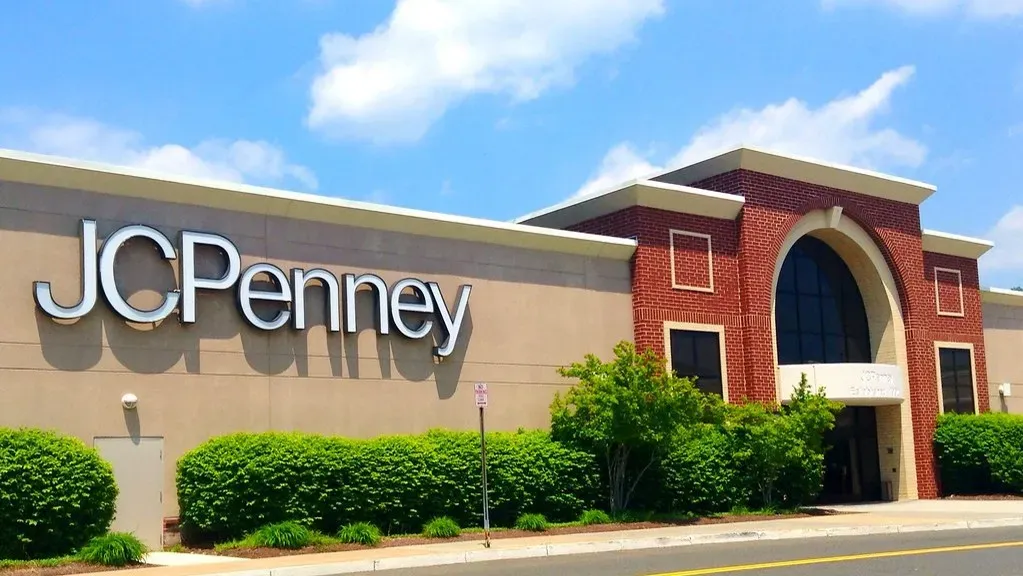
James Cash Penney opened his first store in 1902 under the name Golden Rule. The JCPenney name came into use in 1913. By the 1970s, the chain was a mall staple for clothing, bedding and household basics.
The company filed for bankruptcy in 2020, and Simon Property Group and Brookfield bought its retail operations. In early 2025 it combined with SPARC Group to form Catalyst Brands. The stores still operate, though far fewer than in the chain’s heyday.
Montgomery Ward
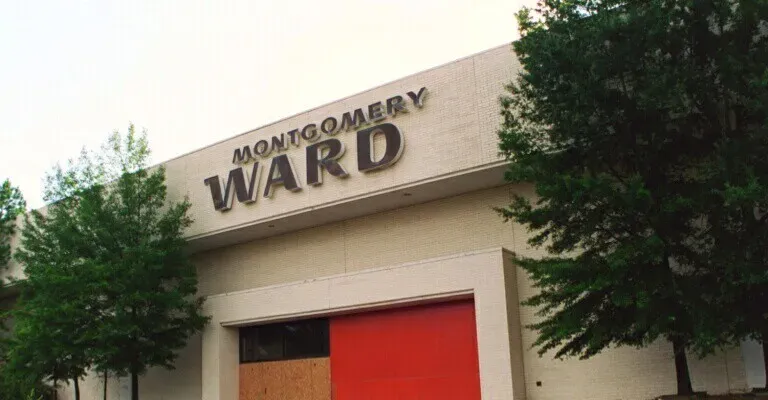
Aaron Montgomery Ward started the first general merchandise mail order business in 1872. For decades it competed head to head with Sears, in the catalog and on main streets. In the 1970s its red signs were common in malls and shopping strips.
The physical chain closed in 2001. A new owner relaunched the name as an online retailer in 2004. It’s now a web brand, with no department store left to walk into.
Woolworth’s
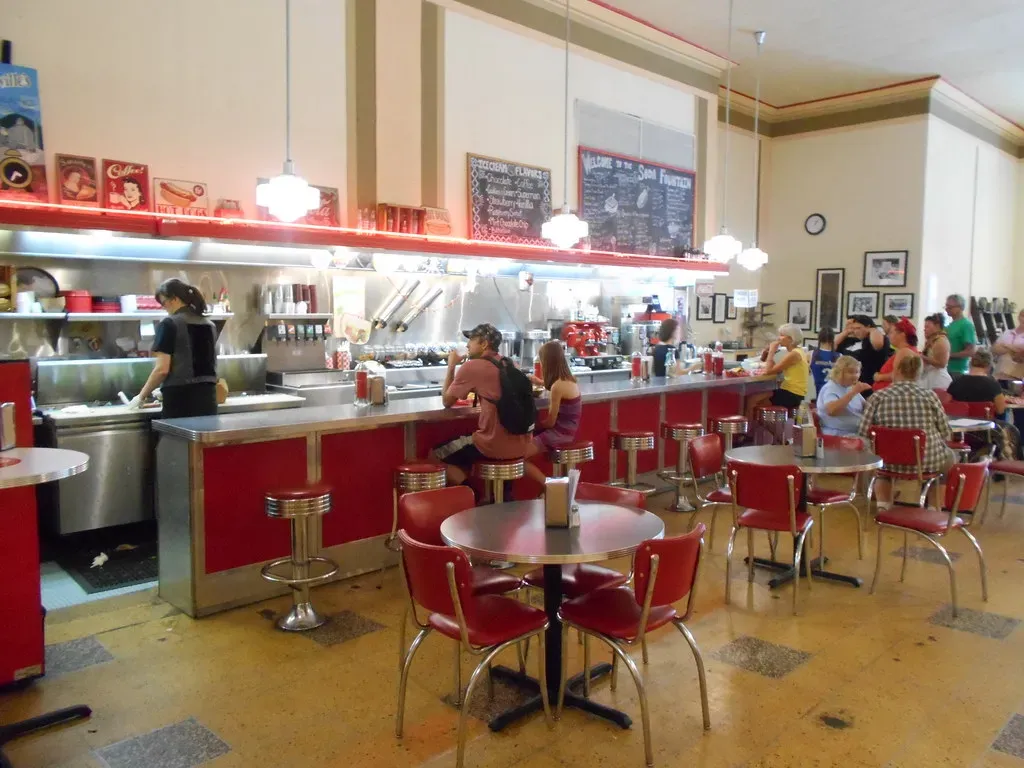
F.W. Woolworth opened its first successful five and dime in 1879 and grew into a giant of everyday shopping. In the 1970s, many locations still had a lunch counter, where kids could order a grilled cheese or a milkshake after browsing the toy aisle. Candy by the pound was another draw.
The company closed its remaining American Woolworth stores in 1997. It had already shifted its focus to athletic footwear and later took the name Foot Locker, Inc. That makes it one of the odder retail transformations on record.
Gimbels
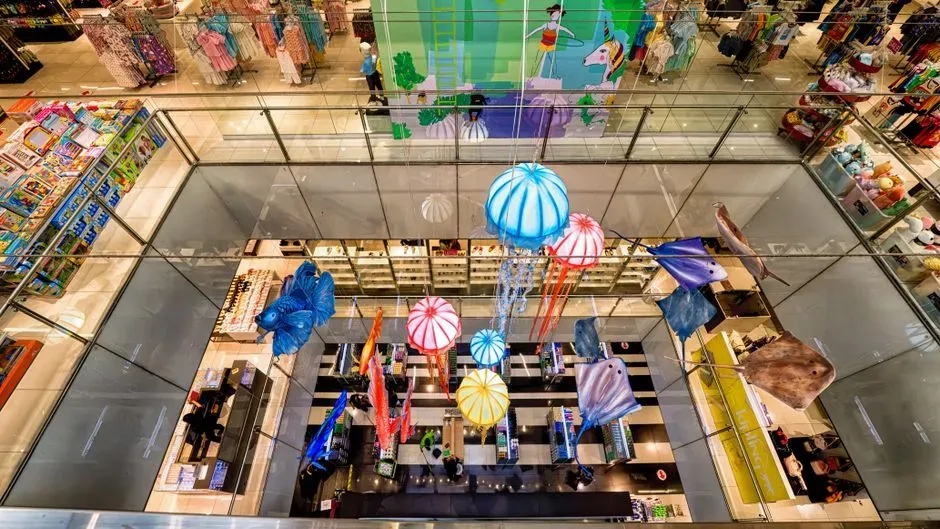
Adam Gimbel opened the first Gimbels in Vincennes, Indiana, in 1887, and the chain later became a big name in New York and Philadelphia. Its long rivalry with Macy’s was famous enough to appear in the film Miracle on 34th Street. In 1973, the tobacco company Brown and Williamson’s parent, BATUS, bought the chain.
Gimbels struggled through the early 1980s. The company closed all its stores in 1986, ending nearly a century in business. Shoppers who remember the 1970s often remember its basement bargain floors as well.
Kmart
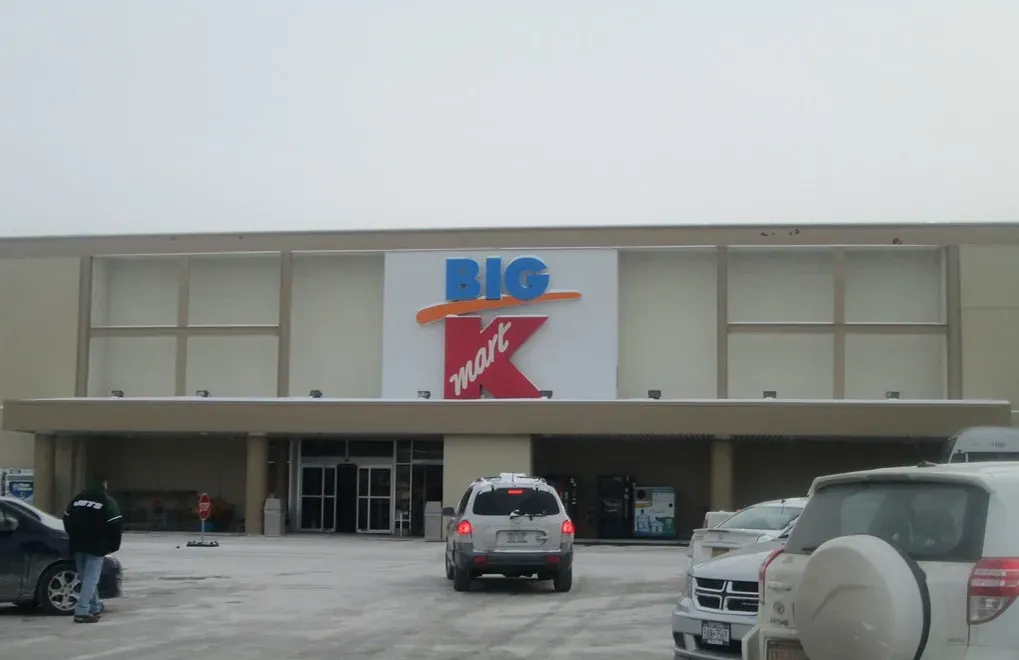
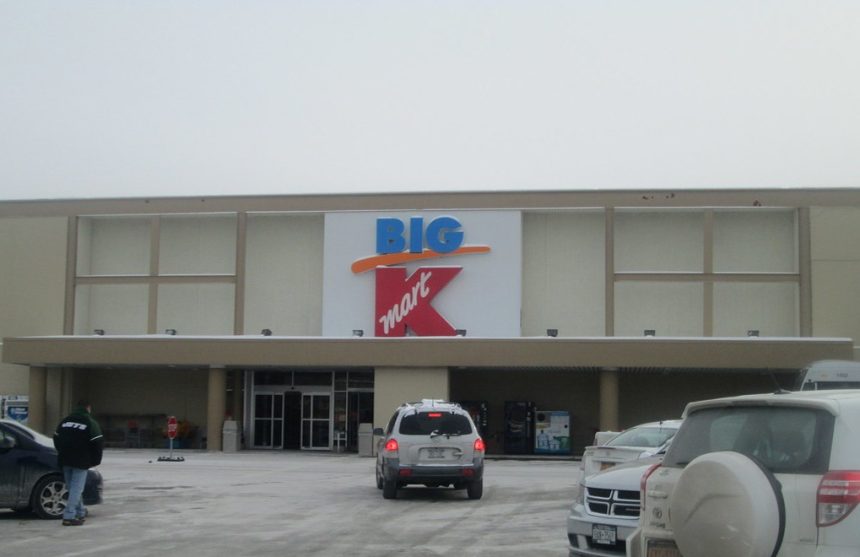
The first Kmart opened in 1962 in Garden City, Michigan, as the discount arm of the S.S. Kresge Company. By the 1970s the chain was expanding quickly, and the blue light special became part of the culture. Shoppers went for low prices on clothes, tools, records and home goods, all under one roof.
Kmart filed for bankruptcy in 2002, and it merged with Sears in 2005. Most stores have since closed, and by the mid 2020s only a tiny number remained. The chain’s former dominance is hard to picture now.
Marshall Field’s
Marshall Field’s was the pride of Chicago’s State Street, famous for its holiday windows and the Walnut Room restaurant. Its Frango mints became a local tradition. In the 1970s it was a regional institution, still operating as a classic multi floor department store.
Federated Department Stores converted the stores to the Macy’s name in 2006, which upset many loyal customers. The Frango mints survived and are still sold. The State Street building is a Macy’s today.
Zayre

Zayre began in Framingham, Massachusetts, in 1956 and spread through the Northeast and beyond as a discount department store. It was a familiar stop for families on weekend errands in the 1970s. Its parent company launched T.J. Maxx in 1976, which turned out to be the more lasting idea.
The Zayre name faded in the late 1980s as the parent company sold off or converted its stores. The off price business it started grew into TJX Companies, one of the biggest retailers in the world. Few shoppers realize that connection today.
What Remains
Of the eight chains, only JCPenney still operates stores at any real scale, and Sears and Kmart hold on in tiny numbers. Montgomery Ward lives online, while Woolworth’s became Foot Locker. Gimbels, Marshall Field’s and Zayre ended as store names, though Marshall Field’s Frango mints and Zayre’s T.J. Maxx offshoot are still around.