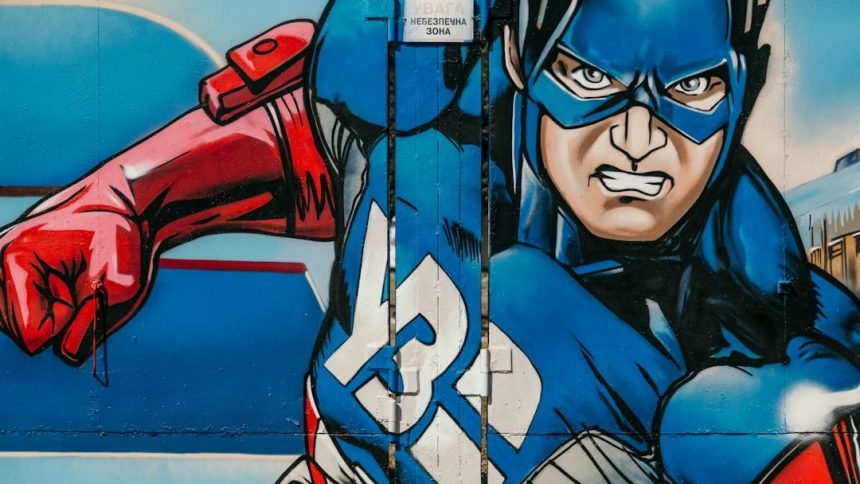

LA mayor’s race: AI videos supporting Spencer Pratt shake up political playbook – Image for illustrative purposes only (Image credits: Unsplash)
Los Angeles has long served as a testing ground for new campaign tactics, yet the latest development stands apart from traditional advertising or debate performances. Short videos generated through artificial intelligence now circulate widely online, presenting Spencer Pratt as a larger-than-life protector of the city while placing Karen Bass in an opposing role. Observers note that these clips have accumulated significant views in recent days, prompting questions about how such material fits into an already competitive contest.
Content and Format of the Videos
The productions rely on familiar superhero tropes to frame Pratt in action-oriented sequences that emphasize strength and resolve. In contrast, the same clips depict Bass through scenes that highlight conflict or opposition. Production quality varies, yet the consistent narrative structure makes the videos easy to share across social platforms. Viewers encounter them in feeds without clear labeling of their artificial origin, which adds to their reach.
Timing and Reach Within the Campaign
These videos surfaced as the mayoral race entered a phase of heightened voter outreach and media scrutiny. Their appearance coincides with ongoing efforts by both campaigns to connect with residents on issues such as housing, public safety, and economic recovery. Supporters of Pratt have shared the clips as examples of creative messaging, while representatives for Bass have pointed to the need for clearer distinctions between real statements and generated content. The online traction has drawn attention from local news outlets and political analysts who track digital influence in elections. The practical effect appears in how quickly the material spreads beyond core supporters. Platforms that host short-form video see repeated shares, which in turn surfaces the clips for users who may not follow either candidate closely. This pattern creates a secondary layer of visibility that traditional television spots or mailers rarely achieve at the same speed. Stakeholders including undecided voters, campaign staff, and election officials now face the task of assessing whether such content influences turnout or shapes perceptions before ballots are cast.
Questions Raised for Future Campaigns
The use of AI tools in this manner highlights a shift in how candidates and their allies can generate material without large production budgets. Campaigns that once relied on professional film crews now have access to software capable of producing polished clips in hours rather than days. This accessibility changes the pace at which narratives can be tested and adjusted based on early viewer response. Election administrators and platform moderators continue to evaluate guidelines around labeled versus unlabeled synthetic media. Voters, meanwhile, encounter an environment where distinguishing between authentic footage and generated scenes requires additional scrutiny. The current example in Los Angeles serves as one data point in a larger conversation about transparency during the final weeks leading to the election.
Key Considerations Moving Forward
– Campaigns must decide whether to respond directly to AI-generated material or focus resources on their own verified messaging.
– Voters benefit from checking the source of any video that presents dramatic contrasts between candidates.
– Platform policies on disclosure of AI content will likely face further review as similar tactics appear in other races. The episode underscores how digital tools can accelerate certain aspects of political communication while also introducing new layers of verification for everyone involved. As the race continues, attention will remain on whether these videos represent an isolated experiment or the start of a broader pattern in local elections.