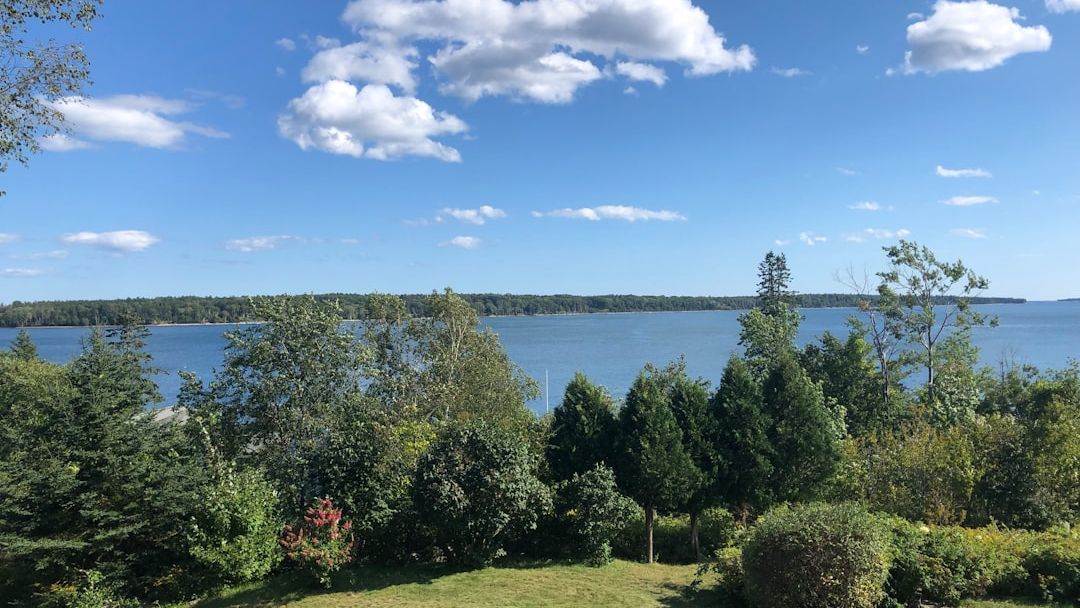
Inside the Indigenous Fight to Save Alaska’s Bristol Bay – Image for illustrative purposes only (Image credits: Unsplash)
Unlikely partners from Indigenous tribes, commercial fishing fleets, and conservation organizations joined forces in Alaska to block a large-scale gold and copper mine in the Bristol Bay region. Their coordinated effort succeeded in halting the project, preserving one of the world’s most productive wild salmon habitats. The victory stands as a clear example of how shared environmental concerns can bridge longstanding divides.
The Common Threat That United Them
A proposed mine raised alarms across multiple sectors that rarely align on policy matters. Indigenous communities viewed the development as a direct risk to traditional fishing grounds and cultural practices passed down for generations. Commercial fishermen saw potential harm to the salmon runs that sustain their livelihoods and the regional economy. Conservation groups highlighted the broader ecological stakes for water quality and wildlife in the area.
These groups recognized that their separate interests converged on one central issue: protecting the watershed from large-scale industrial activity. Meetings and joint campaigns followed, allowing each side to contribute distinct expertise and resources. The result was a sustained, multi-pronged campaign that reached decision-makers at state and federal levels.
How the Coalition Operated
Coordination began with regular strategy sessions that incorporated tribal knowledge, fishing industry data, and scientific assessments from conservation partners. Public outreach efforts emphasized the mine’s potential long-term effects on water systems and fish populations. Legal and regulatory challenges were filed alongside grassroots mobilization that drew attention from national media outlets.
Partner offer
Each participant maintained its core mission while supporting the shared goal. Tribes led cultural and sovereignty arguments. Fishermen supplied economic impact analyses. Conservation organizations provided technical reports on habitat protection. This division of labor kept the campaign efficient and credible throughout the review process.
The Decisive Outcome
After years of advocacy and review, federal authorities denied the necessary permits for the mine. The decision effectively ended the project in its proposed form. Supporters described the result as a rare instance in which regulatory processes responded to unified local opposition rather than industry pressure alone.
The win reinforced the legal and political weight of combined voices from affected communities. It also set a precedent for future development proposals in sensitive watersheds. Follow-up monitoring continues to ensure the protections remain in place.
Looking Ahead After the Victory
The successful campaign demonstrated that environmental protection can advance through pragmatic alliances rather than isolated efforts. Participants noted that the relationships formed during the fight have endured, creating a stronger network for addressing other regional challenges. Ongoing stewardship of Bristol Bay now rests on continued vigilance and collaboration among the same groups that achieved the initial success.
Alannah Hurley, executive director of the United Tribes of Bristol Bay, discussed the effort in a recent interview with Living on Earth. Her remarks underscored the determination that sustained the coalition through extended regulatory proceedings. The outcome offers a model for other communities facing similar industrial proposals in ecologically critical areas.
Partner offer
Planning a trip to Vegas?
Compare hotel rates and show tickets on VEGAS.com.