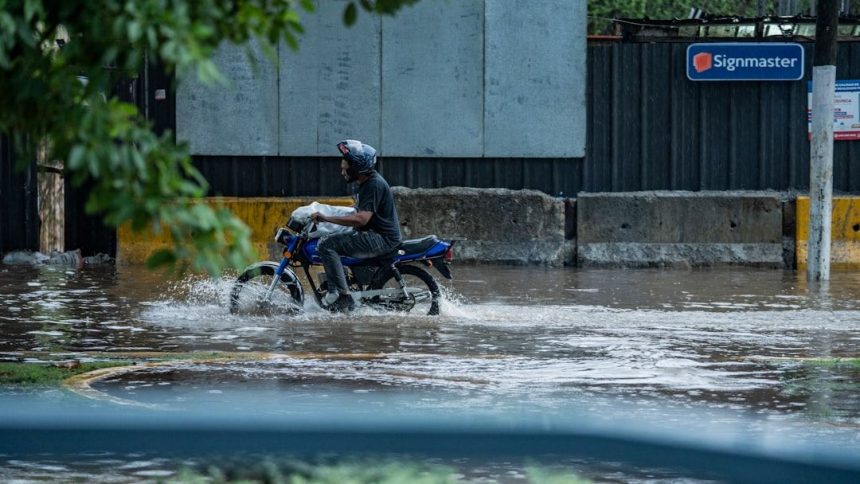

El cambio climático está intensificando las lluvias de los huracanes, contribuyendo a inundaciones mortales – Image for illustrative purposes only (Image credits: Unsplash)
Freshwater flooding from hurricanes has accounted for more than half of all direct deaths since 2013. The pattern reflects a broader shift in how these storms affect communities, with inland waters claiming more lives than high winds or coastal surges in recent years. Experts note that the danger is expected to grow as rising global temperatures alter storm behavior.
The Changing Face of Hurricane Fatalities
Direct deaths from hurricanes have long been associated with wind damage and storm surge along coastlines. Yet data compiled since 2013 reveal that flooding from heavy rainfall now drives the majority of fatalities. This inland threat often catches residents off guard, particularly in areas far from the coast where evacuation plans focus on wind and waves rather than rising rivers and overwhelmed drainage systems.
Communities in low-lying regions have experienced repeated episodes where slow-draining floodwaters trapped residents in homes or vehicles. The shift underscores how rainfall totals, rather than peak wind speeds, increasingly determine the human toll during these events.
How Climate Change Alters Storm Rainfall
Warmer air can hold more moisture, allowing hurricanes to produce greater volumes of rain over the same period. This physical process contributes to the heavier downpours observed in recent storms. As a result, the amount of water dumped on land during a single event has risen, extending the reach and duration of flooding.
Researchers tracking long-term trends link these changes directly to human-driven warming. The added moisture does not simply increase totals; it also raises the likelihood that rainfall will exceed the capacity of local infrastructure designed for historical storm patterns.
The Added Risk from Slower-Moving Storms
Some hurricanes are also lingering longer over land or coastal zones. When forward speed decreases, the same storm can unload rain for extended periods rather than passing quickly. This combination of higher rainfall rates and prolonged exposure amplifies flood depths and the area affected.
Models project that both factors – wetter conditions and potentially slower movement – will become more common. The result is a measurable increase in the probability of extreme inland flooding during future hurricane seasons.
Key points on current understanding:
- Freshwater flooding has caused over half of direct hurricane deaths since 2013.
- Climate change is expected to make hurricanes wetter.
- Storms may also move more slowly in some cases, prolonging rainfall.
- Uncertainty remains about the exact rate of increase in any single region.
Implications for Preparedness and Response
Emergency planning that once emphasized coastal evacuation now requires greater attention to inland flood mapping and early warning systems for rainfall. Residents in previously lower-risk zones may need updated guidance on when to move to higher ground or avoid travel during heavy rain bands.
Continued monitoring of storm behavior will help refine forecasts and improve communication about flood risks. While the precise future increase remains subject to ongoing study, the observed trend already points to the need for updated infrastructure standards and public awareness campaigns focused on freshwater flooding.