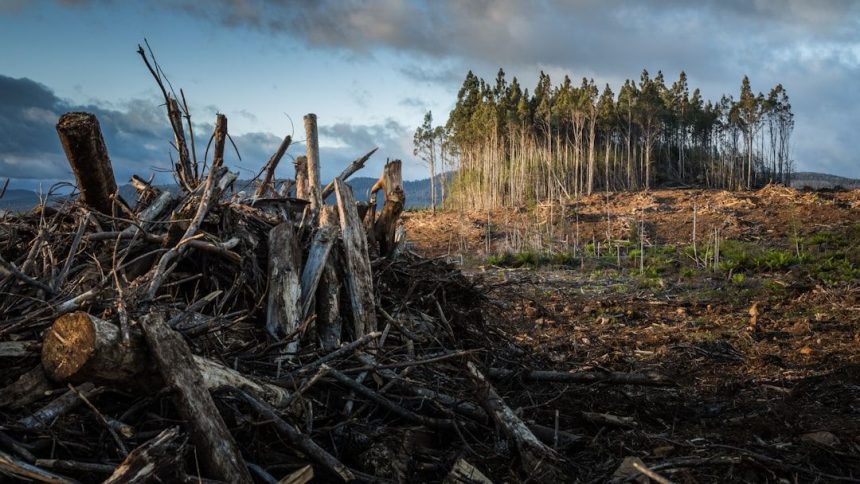
Amazon Deforestation at Eight-Year Low, Report Shows – Image for illustrative purposes only (Image credits: Unsplash)
In the Brazilian Amazon, the area cleared between August 2025 and March 2026 shrank by more than a third compared with the same stretch a year earlier. The reduction marks the smallest total for any comparable period in eight years. Yet the same months brought a sharp rise in wildfires, underscoring that lower clearing rates alone do not guarantee fewer threats to the forest.
Numbers Behind the Decline
The Brazilian Human and Environment Amazon Institute, known as Imazon, released the latest figures this month. Its monitoring showed roughly 36 percent less deforestation than in the prior year. The drop reflects fewer large-scale clearings across the nine states that make up the Brazilian portion of the rainforest.
Imazon tracks forest loss through satellite imagery updated every month. Analysts compare each new reading against historical records dating back to 2017. The current total sits below every annual figure recorded since that baseline year began.
Wildfires Move in the Opposite Direction
While cleared land decreased, the number of fires detected rose by more than 30 percent. Many of these fires occurred in areas already affected by earlier logging or drought. The increase suggests that drier conditions and accumulated fuel can still drive intense burning even when new clearing slows.
Partner offer
Fire activity often peaks in the dry season, which overlaps with the months covered by the report. Researchers note that some fires escape control and spread into standing forest, creating additional damage that satellite clearing maps may not fully capture. The contrast between falling deforestation and rising fires illustrates how multiple pressures can act at once.
Why the Mixed Picture Matters
Lower deforestation rates point to the impact of stronger enforcement and policy changes introduced in recent years. At the same time, the wildfire surge shows that gains remain fragile when weather patterns turn extreme. Continued monitoring will be needed to determine whether the downward trend in clearing holds through the rest of 2026.
Imazon’s data covers only the Brazilian Amazon, yet the region accounts for the majority of the entire basin’s forest loss. Similar patterns observed in neighboring countries could alter the overall outlook for the rainforest as a whole.
What stands out now
- Deforestation fell 36 percent year over year.
- Wildfires increased more than 30 percent in the same window.
- The clearing total reached its lowest level since 2017.
- Longer-term protection will depend on addressing both clearing and fire risks together.
Next Steps for Protection
Authorities and local communities continue to test new approaches that combine satellite alerts with on-the-ground response teams. These efforts aim to stop fires before they grow large and to discourage illegal clearing in the first place. Success will depend on sustained funding and coordination across federal, state, and municipal levels.
Scientists emphasize that the current data represent only one slice of a longer story. Full-year results and comparisons with neighboring nations will provide a clearer sense of whether the Amazon is entering a sustained period of recovery or simply experiencing a temporary lull.
Partner offer
Planning a trip to Vegas?
Compare hotel rates and show tickets on VEGAS.com.