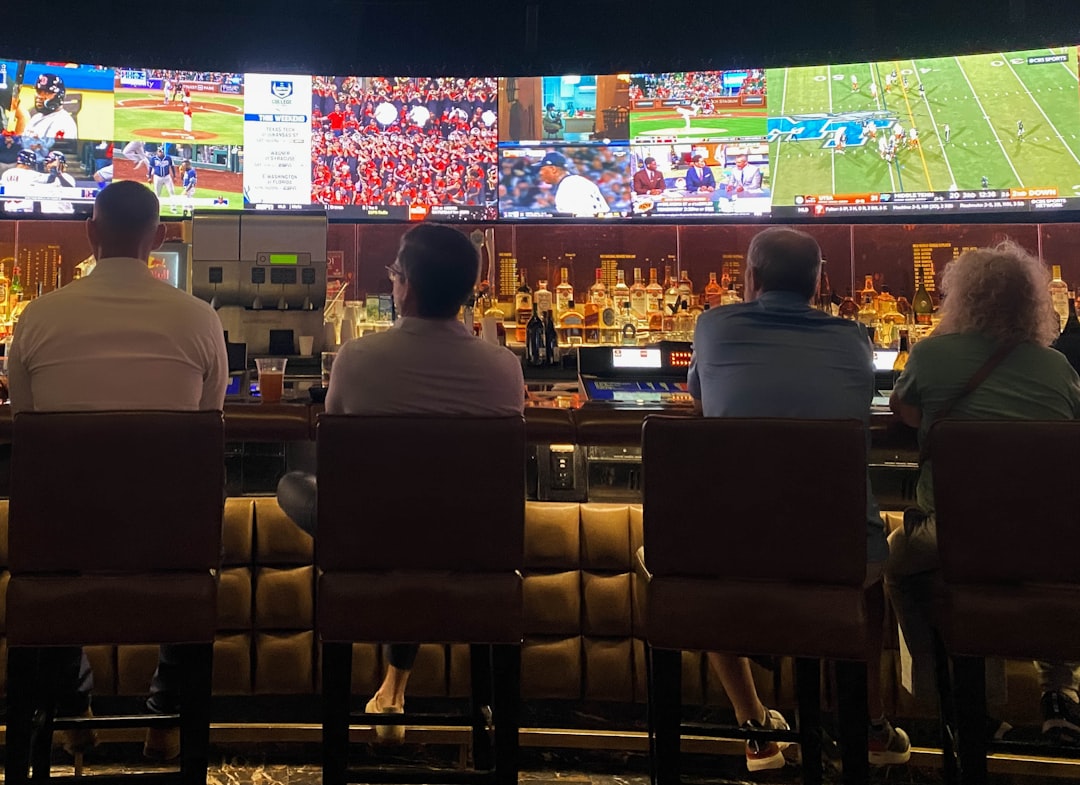
Nevada Court Blocks Kalshi Operations (Image Credits: Unsplash)
Nevada regulators secured a court victory against prediction market operator Kalshi last week, highlighting tensions between emerging platforms and traditional gaming oversight. A fresh nationwide poll reinforces public skepticism, with strong majorities equating sports wagers on these sites to outright gambling.[1][2] The developments come as states grapple with how to classify event-based contracts amid booming interest in prediction trading.
Nevada Court Blocks Kalshi Operations
District Court Judge Jason Woodbury in Carson City granted a temporary restraining order on March 20, prohibiting Kalshi from offering contracts tied to sports, elections, and entertainment events.[2] The 14-day measure responded to arguments from the Nevada Gaming Control Board that the platform operated without required licenses. Regulators emphasized their duty to shield consumers from unlicensed wagering.
Nevada Gaming Control Board Chairman Mike Dreitzer stated that Kalshi’s claims of nationwide legality rang false in the state. The board views such prediction markets as facilitating illegal gambling when unlicensed. A hearing for a preliminary injunction followed on April 3, while a federal appeals court rejected Kalshi’s bid to pause enforcement.[2]
Poll Highlights Public Consensus on Gambling Label
Morning Consult surveyed 15,029 U.S. adults from March 17 to 22, revealing that 81 percent classified sports betting on prediction markets as gambling.[1] The same share insisted these platforms must adhere to state gaming rules, encompassing age checks, taxes, and safeguards against problem gambling. Commissioned by the coalition Gambling is Not Investing, the findings arrived amid Kalshi’s Nevada setback.
Executive Director Mick Mulvaney remarked, “This polling confirms that unabated sports gambling on prediction markets is a growing concern across America.” He accused platforms of masking bets as investments to evade protections. The coalition aims to curb unregulated event contracts skirting state and tribal laws.[1]
Age Gaps and Terminology Fuel Worries
Respondents expressed alarm over Kalshi’s 18-year-old minimum age threshold, lower than the 21 required at licensed sportsbooks. Seventy-seven percent worried this could heighten gambling harm among young adults. Such disparities underscore broader debates on consumer protection in digital wagering arenas.
- 81 percent: Sports bets on prediction markets qualify as gambling.
- 81 percent: Platforms must follow state regulations.
- 77 percent: Concerned about teen access boosting youth risks.
- 73 percent: Opaque terms like “event contracts” obscure dangers.
Seventy-three percent found descriptors such as “swaps” or “futures” confusing for financial risks. Platforms defend these as regulated derivatives under federal oversight, yet states counter with gambling statutes.[1][3]
Regulatory Battles Escalate Nationwide
Nevada’s action marked the first state-level operational halt for Kalshi, though disputes simmer elsewhere. Regulators in Ohio, Arizona, and Massachusetts challenged similar offerings, often deeming them unlicensed betting. Kalshi restricted affected markets for Nevada users while preserving others like weather or news events.[3]
The Commodity Futures Trading Commission asserts federal primacy over such swaps, clashing with state enforcers. Legal outcomes varied, with some courts siding against platforms. Nevada prioritized licensed venues for safe wagering, aligning with poll sentiments on oversight.[2]
| Aspect | Prediction Markets (e.g., Kalshi) | Licensed Sportsbooks |
|---|---|---|
| Minimum Age | 18 | 21 |
| State Regulation | Disputed/Federal Claim | Required |
| Event Types Blocked in NV | Sports, Elections, Entertainment | N/A |
Future Implications for the Industry
The poll and court order signal mounting pressure on prediction markets to align with gaming frameworks. Platforms like Kalshi, valued at billions, face tests on whether federal rules preempt state laws. Resolution may hinge on higher courts, potentially the Supreme Court.
Public opinion, as captured in the survey, bolsters regulators’ positions. States seek to protect bettors through familiar structures amid rapid platform growth.
Key Takeaways:
- Over four-fifths of Americans demand state compliance from prediction platforms.
- Youth access concerns dominate, given lower age limits.
- Court battles pit federal derivative claims against state gambling controls.
As Nevada enforces its order, the clash exposes fault lines in America’s evolving betting landscape. Will prediction markets adapt or fight on? What do you think about it? Tell us in the comments.