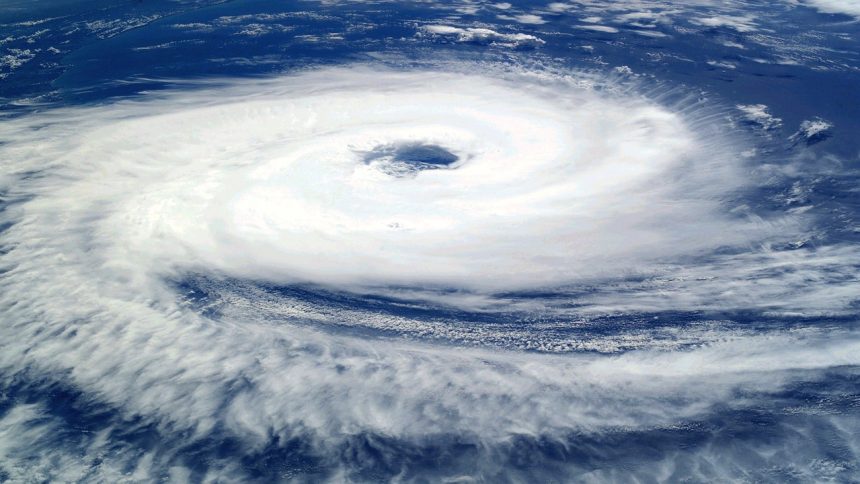
The Atlantic hurricane season runs from June 1st through November 30th. – Image for illustrative purposes only (Image credits: Pixabay)
With the calendar now in early May, coastal communities from the Carolinas to Texas are reviewing their preparedness plans ahead of the Atlantic hurricane season. The official period begins June 1 and runs through November 30, the six-month window when tropical or subtropical cyclones are most likely to form in the North Atlantic basin. Forecasters have already released initial outlooks that point to quieter-than-normal activity this year.
Why These Dates Were Chosen
The National Hurricane Center established the current June 1 to November 30 boundaries in 1965. Those dates were selected in part because they are easy for the public to remember and because they encompass more than 97 percent of all Atlantic tropical cyclone activity. Storms can and do form outside this window, yet the official season remains the standard reference for warnings, insurance policies, and emergency management.
Water temperatures, atmospheric patterns, and the position of the jet stream all align during these months to favor development. The peak of the season historically falls around September 10, when conditions are most favorable across the main development region.
2026 Activity Expected to Stay Below Average
Multiple preseason forecasts released in April point to reduced storm counts for the coming season. The Weather Company and Atmospheric G2 project 12 named storms, six of which would reach hurricane strength and two major hurricanes. Colorado State University’s April outlook calls for 13 named storms, six hurricanes, and two major hurricanes.
These numbers sit below the 1991-2020 average of 14 named storms, seven hurricanes, and three major hurricanes. A developing El Niño pattern is cited as a primary factor that could suppress activity by increasing wind shear across the Atlantic.
Key Preparation Steps for Coastal Residents
Even in a below-average year, a single storm can produce significant impacts. Experts recommend completing these actions well before June 1:
- Review or update household emergency plans and evacuation routes.
- Assemble or refresh disaster supply kits with at least three days of water, food, and medications.
- Check flood insurance coverage and document home inventories with photos or video.
- Trim trees and secure outdoor furniture that could become projectiles.
- Sign up for local emergency alerts and follow the National Hurricane Center on social media.
Officials stress that preparation should begin now rather than waiting for the first named storm to appear on the horizon.
Looking Ahead Through November
While early forecasts suggest fewer storms, the official season still spans six full months. Activity can ramp up quickly once the peak months of August through October arrive. Residents and businesses along the Atlantic and Gulf coasts are encouraged to treat every season with the same level of readiness, regardless of the initial outlook numbers.