Hollywood operates on reputation just as much as talent. A single phone call between two executives can quietly remove a name from a casting list, and that actor might not find out until the silence becomes deafening. The word “blacklisted” rarely appears in an official press release. It happens quietly. Calls stop coming in, agents stop returning emails, and franchise roles suddenly disappear. What’s striking, looking across the careers covered here, is how varied the triggers can be. Sometimes it’s a public explosion. Sometimes it’s a single refusal to play by unwritten rules. The eight cases below each tell a different version of the same story.
Mel Gibson: The Arrest That Ended an Era
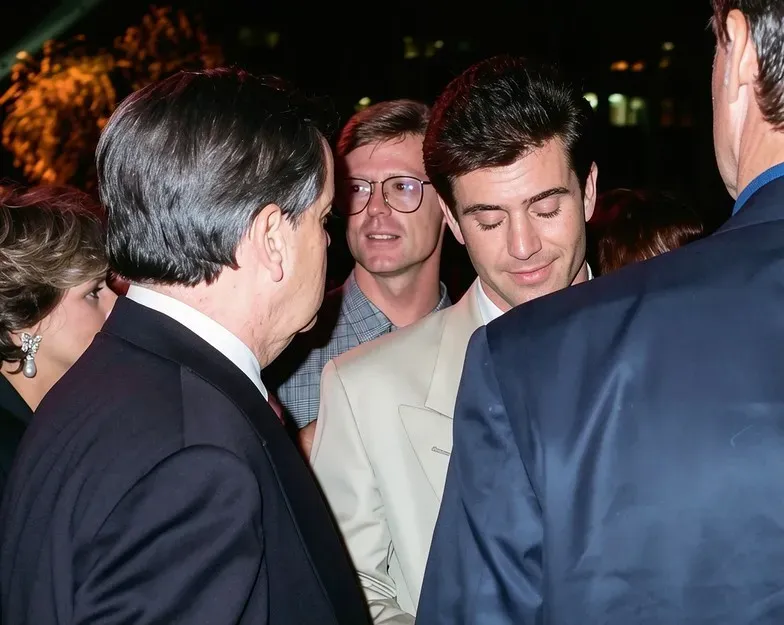
Few falls from grace in Hollywood history have been as dramatic as Mel Gibson’s. Once Hollywood’s biggest movie star, whose film Braveheart won five Oscars and whose collective box office total reached 3.6 billion dollars, Gibson had not been directly employed by a major studio since The Passion of the Christ was released in 2004. The sheer scale of the collapse is hard to overstate. He had been one of the most bankable names in the industry for nearly two decades.
The turning point came in July 2006, when Gibson was arrested for drunk driving and directed deeply anti-Semitic remarks at the arresting officer. For nearly a decade, Gibson was largely shunned by major studios and talent agencies, making it difficult for him to secure financing or distribution. He attempted a directorial comeback with Hacksaw Ridge in 2016, though his return to acting in major studio productions has remained sparse. The industry remembered.
Brendan Fraser: The Freeze-Out Nobody Talked About
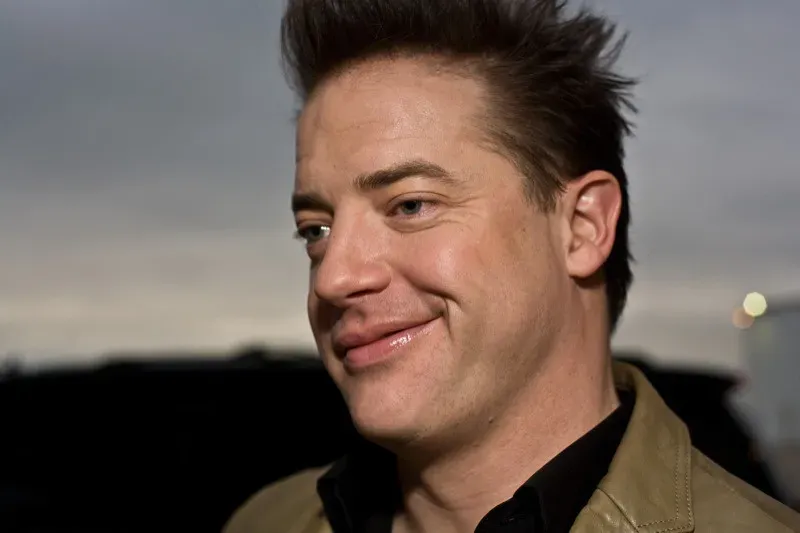
Crushing the box office with hits like George of the Jungle and The Mummy franchise, Fraser’s leap into stardom seemed picture perfect from the outside. However, according to the actor, an incident in 2003 changed the trajectory of his career for the worse. Fraser candidly revealed in a 2018 interview with GQ that, allegedly, he was sexually assaulted during a lunch meeting by Hollywood Foreign Press Association president Philip Berk.
Following the alleged incident, Fraser’s team requested a written apology from HFPA, though Berk has denied any wrongdoing. The ordeal led to Fraser becoming depressed and, he believes, blacklisted. After speaking out about the encounter, the actor noted that he felt excluded from high-profile industry events and projects like The Mummy sequels. His eventual return to prominence with The Whale in 2022, which earned him an Academy Award, gave the story an unexpectedly triumphant ending.
Shia LaBeouf: When Off-Set Behavior Overtook Box Office Success
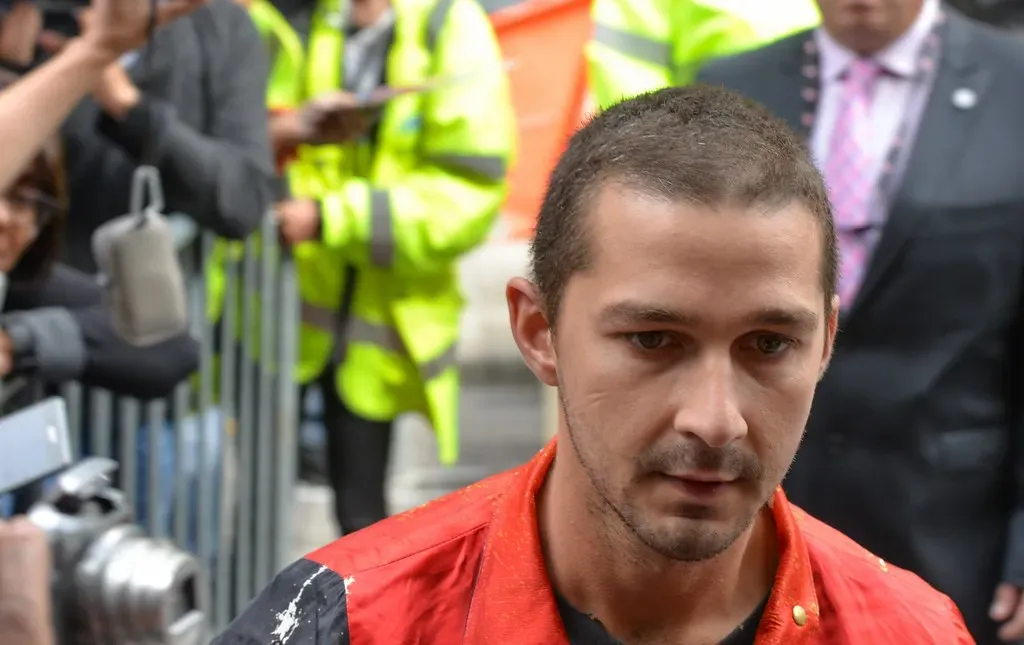
From 2007 to 2011, LaBeouf starred as Sam Witwicky in the Transformers franchise and its sequels. The three films were commercially successful. Yet a persistent pattern of erratic public behavior, legal run-ins, and onset conflicts steadily eroded his standing with major studios. The trajectory of his career remains one of the more striking examples of how off-set behavior can carry more weight with studios than box office track record.
In December 2020, LaBeouf was sued by his ex-girlfriend FKA Twigs for sexual battery, assault, and infliction of emotional distress. The lawsuit also detailed allegations that he abused another ex-girlfriend, stylist Karolyn Pho. The lawsuit was eventually settled on undisclosed terms. Following the lawsuit, Netflix removed him from its awards campaign for Pieces of a Woman. He subsequently took a hiatus from acting and began receiving treatment. By 2024 he appeared in Francis Ford Coppola’s Megalopolis, suggesting a cautious, slow reentry into the industry.
Katherine Heigl: The Cost of Speaking Your Mind

When it comes to rom-com royalty of the early 2000s, Katherine Heigl was at the top of her game. From Knocked Up to 27 Dresses, Heigl made a name for herself as a leading love interest on screen, all while bringing to life Dr. Izzie Stevens on the medical drama Grey’s Anatomy. However, Heigl’s outspoken nature and criticism of her most well-known projects earned her a reputation in Hollywood for being difficult, one that, decades later, she was still struggling to shed.
Her downfall accelerated in 2008 when she withdrew her own name from Emmy consideration, publicly stating that the writing on Grey’s Anatomy had not given her enough to work with. Writers and producers were not amused. She had also made headlines for criticizing the film Knocked Up, calling it a little sexist, even though she had starred in it. Roles slowed, and her reputation as someone hard to work with spread through the industry. Heigl has since acknowledged that she could have handled some situations better, and she made a quiet comeback years later with the Netflix series Firefly Lane.
Mo’Nique: The Oscar That Came With a Price

Mo’Nique’s biggest break came in 2009, when her role playing an abusive mother in Lee Daniels’ film Precious earned critical praise and an Academy Award for Best Supporting Actress. However, since her big win, Mo’Nique’s film and TV roles largely dried up, and the actress claimed in a 2015 interview with The Hollywood Reporter that it was because of how she handled the 2010 Oscar campaign for Precious. The detail that makes this case particularly striking is what she was actually asked to do in return.
Mo’Nique’s refusal to promote Lee Daniels’ 2009 hit movie Precious, because the production would not compensate her for travel, led to a huge fallout with producers, Daniels, Tyler Perry, and Oprah Winfrey. Mo’Nique believes this is what led to her being blackballed from Hollywood. When she was called out for allegedly refusing to promote the film, Mo’Nique revealed to CNN’s Don Lemon that she was only paid $50,000 to appear in the award-winning film. Daniels later publicly confirmed she had been sidelined, though he framed it as a consequence of her own choices rather than retaliation.
Isaiah Washington: A Slur That Couldn’t Be Walked Back
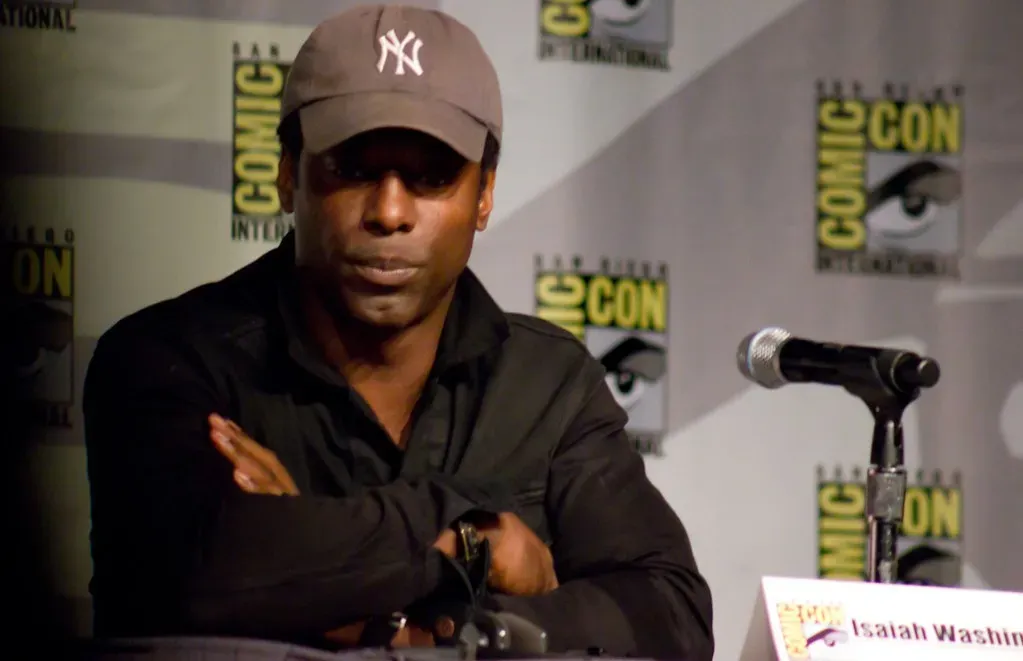
Isaiah Washington rose to fame when he was cast as Preston Burke in the medical drama Grey’s Anatomy. Washington was a central cast member on the hit drama before a backstage incident led to his termination. The controversy involved the use of a homophobic slur directed at a co-star which resulted in immediate professional repercussions. The incident became one of the more talked-about Hollywood firings of the mid-2000s.
He was let go from the show and essentially blacklisted by Hollywood after using a homophobic slur about a castmate. He also used the slur again after the show won a Golden Globe, which was the nail in the coffin. Even though Washington was put into executive counseling after the Golden Globes incident, it was soon decided that his contract would not be renewed and that he would be fired. As he put it, everything just fell apart and he lost everything, including the financial means to keep an agent or publicist. Although he attempted to return to the industry with various independent projects, he never regained the level of prominence he held on network television.
Jim Caviezel: The Role He Was Warned Not to Take
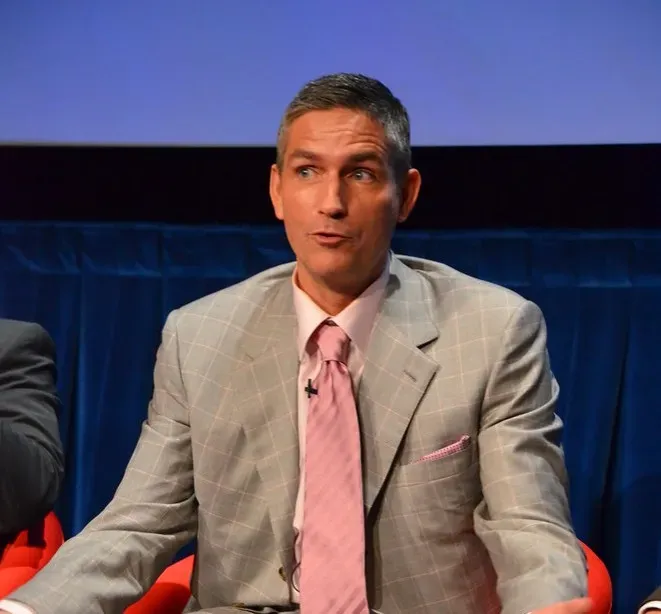
Jim Caviezel’s career path shifted dramatically after he portrayed Jesus in the 2004 film The Passion of the Christ. The actor stated that director Mel Gibson warned him that taking the role could lead to him being marginalized by major studios. He took it anyway, and the warning proved accurate. Following the film’s success, Caviezel found that traditional leading roles in blockbuster films were no longer being offered to him. He eventually moved toward television with Person of Interest and independent projects that align with his personal and religious convictions.
His luck seemed to turn around when he was cast as Jesus Christ himself in Mel Gibson’s The Passion of the Christ. While the movie may have been a major hit, it might not have been the best thing for Caviezel’s career in the long run. After its release, the actor claimed that he struggled to find work and that many people in show business wouldn’t return his calls. The case is unusual in that Caviezel went in with his eyes open, told by the director himself that professional exile was a likely outcome.
Charlie Sheen: The Slow-Burning Implosion

Before he was fired, Sheen had demanded an extra $1 million per episode of Two and a Half Men despite being difficult to work with on set. After decades of reported alcoholism, narcotics addiction, and allegations of domestic violence, Sheen sat down for an interview with ABC’s Andrea Canning in 2011. By that point, Sheen had found long-term success on Two and a Half Men after his movie roles dried up. However, a manic rant laden with odd catchphrases and boasts about his drug use eventually led him to disparage Two and a Half Men creator Chuck Lorre, leading to his firing.
Though he returned to TV in 2012 for two seasons of Anger Management, the sitcom’s success and Sheen’s income wasn’t anywhere close to what he enjoyed while part of Two and a Half Men. In 2018, he found himself struggling to afford child support. According to court documents, Sheen said he was “unable to find steady work and has been blacklisted from many aspects of the entertainment industry.” The arc from the highest-paid actor on American television to self-described industry outcast took less than a decade and is still one of the more dramatic collapses in recent Hollywood memory.