Some stories get adapted so often that the book and the film almost feel like separate franchises. Others stay stuck together in the public imagination, argued over at dinner tables and internet forums for decades. This gallery looks at eight cases where the page and the screen genuinely competed for the title of best version, and tries to settle, as fairly as possible, which one still holds up.
1. The Godfather: When Hollywood Improved the Source Material
Mario Puzo’s 1969 novel was a commercial hit, full of pulpy subplots and lurid detail that gave the story its momentum but not necessarily its dignity. Francis Ford Coppola’s 1972 film trimmed the excess and turned the material into something closer to Shakespearean tragedy, a choice that critics and audiences responded to almost immediately. The Godfather, a 1972 American gangster film adapted from Mario Puzo’s novel, has had a significant influence on popular culture.
The film’s staying power is not just sentimental. The Godfather was the highest-grossing film of 1972 and won three Academy Awards, including Best Picture. Puzo himself co-wrote the screenplay, so this was not a case of an author being pushed aside. Coppola and Puzo also won an Academy Award for their screenplay. The movie wins this round, and few serious film critics would argue otherwise.
2. The Shining: A Rare Split Decision

Stephen King wrote The Shining as a personal, almost confessional story about a father wrestling with alcoholism and the fear of losing himself. Stanley Kubrick’s 1980 film kept the hotel and the ghosts but reshaped Jack Torrance into someone who seems unstable from his very first scene. King never warmed to that choice. “The character of Jack Torrance has no arc in that movie,” King told Deadline, adding that because Torrance already seems “crazy as a shit house rat” when the audience first sees him in the hotel manager’s office, the fact that he gets even crazier does not make for a compelling story.
Yet the film’s reputation has only grown since 1980, independent of what the author thinks. Although it received mixed reviews at the time of its release, the film has since been hailed as one of the greatest and most influential horror movies ever made. King later got his own version made for television, and by most accounts it was more faithful but far less artistically memorable. Despite being considered one of the greatest movies ever made, Stephen King is not a fan of Stanley Kubrick’s 1980 adaptation of his novel. This is the rare adaptation where the book wins on faithfulness and emotional intent, while the movie wins on pure filmmaking craft. Call it a draw, with an asterisk.
3. Fight Club: The Ending Changes Everything
Chuck Palahniuk’s 1996 novel was a niche cult item before David Fincher’s 1999 film turned it into a generational touchstone. The book’s nihilism is sharper and more ambiguous, while the movie leans into visual spectacle and a slicker, more conclusive finale. Fincher and screenwriter Jim Uhls reworked the ending in a way that gave audiences a clearer emotional payoff than the novel’s more unresolved final pages.
What makes this comparison interesting is that Palahniuk has openly said he prefers the film’s ending to his own original one, a rare admission from a novelist about an adaptation of his work. That endorsement matters here because it removes the usual tension between author intent and director interpretation. The movie takes this round, not just on box office or critical reception, but on the author’s own verdict.
4. Jurassic Park: Spectacle Over Cynicism
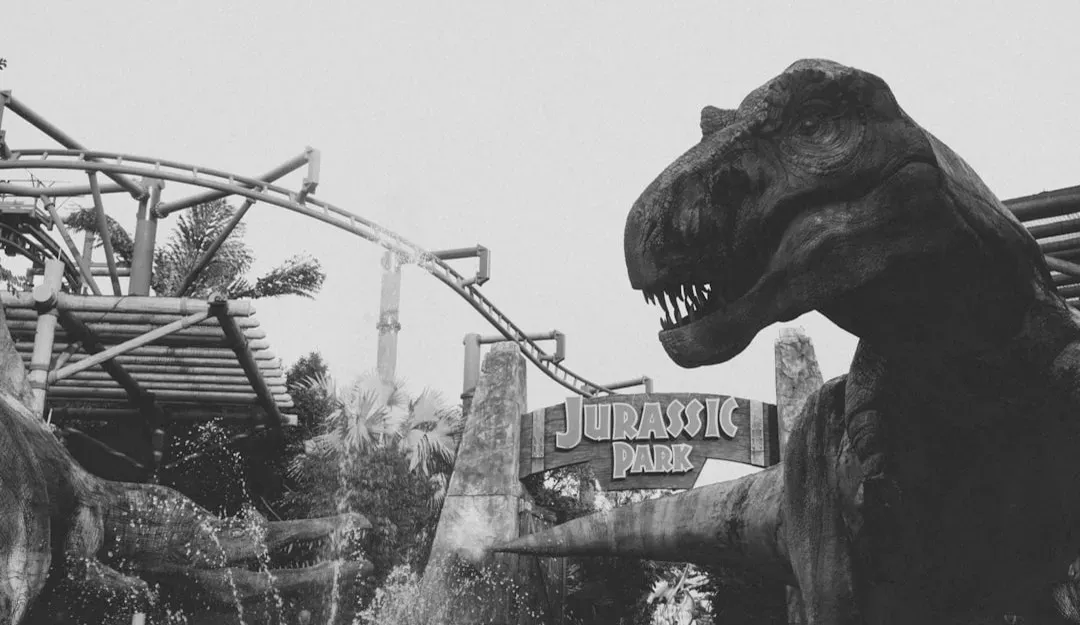
Michael Crichton’s 1990 novel is darker and more clinical than Steven Spielberg’s 1993 film, with characters who are colder and a body count that runs higher. The book reads almost like a technological cautionary tale wrapped in a thriller, heavy on scientific explanation and skepticism about genetic engineering. Spielberg’s version softened several characters, most notably Hammond, and added warmth and wonder that the novel largely withholds.
The film became one of the defining blockbusters of its era and reshaped what audiences expected from creature effects and practical filmmaking combined with early CGI. It spawned a franchise that continues into the 2020s, something the novel and its sequel never achieved on their own. For pure entertainment value and cultural reach, the movie wins, though readers looking for a tougher, more skeptical take on the same premise will still find the book worth the time.
5. Forrest Gump: Two Very Different Tones
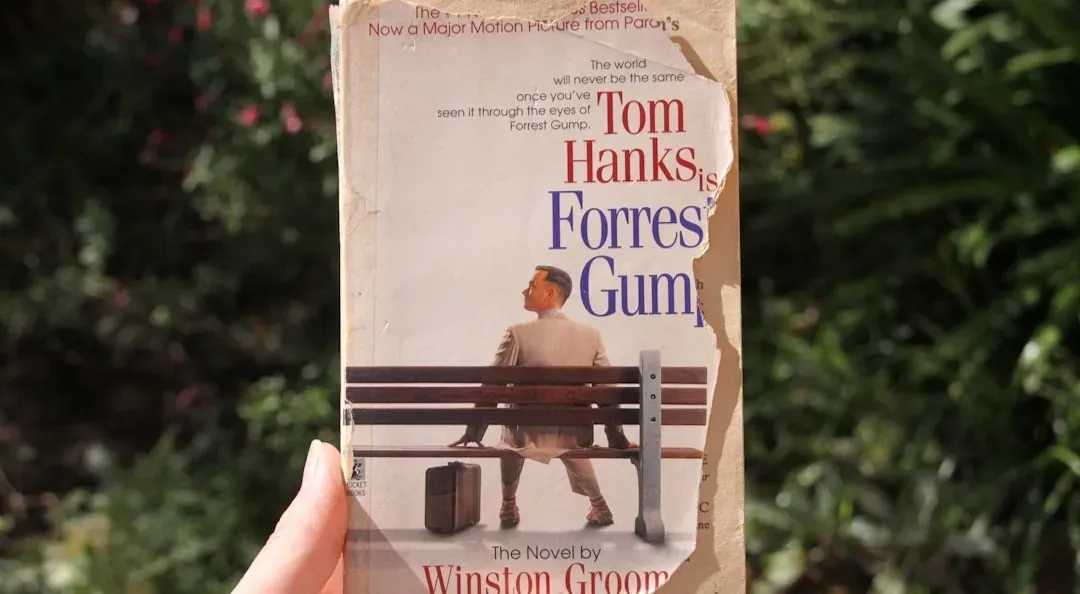
Winston Groom’s 1986 novel is stranger and more satirical than most readers expect, with a Forrest who is less consistently gentle and a plot that veers into territory the film never touches, including a stint as an astronaut. Robert Zemeckis’s 1994 film smoothed out the character into something more sentimental and accessible, built around Tom Hanks’s performance and a soundtrack that doubled as a tour through recent American history.
The film’s cultural footprint dwarfs the novel’s. It became one of the most quoted movies of its decade and won major awards, cementing Gump as a symbol of earnest American resilience rather than the odder figure Groom originally wrote. Groom did write a sequel novel after the film’s success, which suggests even he recognized where the audience’s affection had settled. This one goes to the movie by a wide margin, mostly because the tonal shift made the story more universally embraceable.
6. The Lord of the Rings: A Faithful Translation
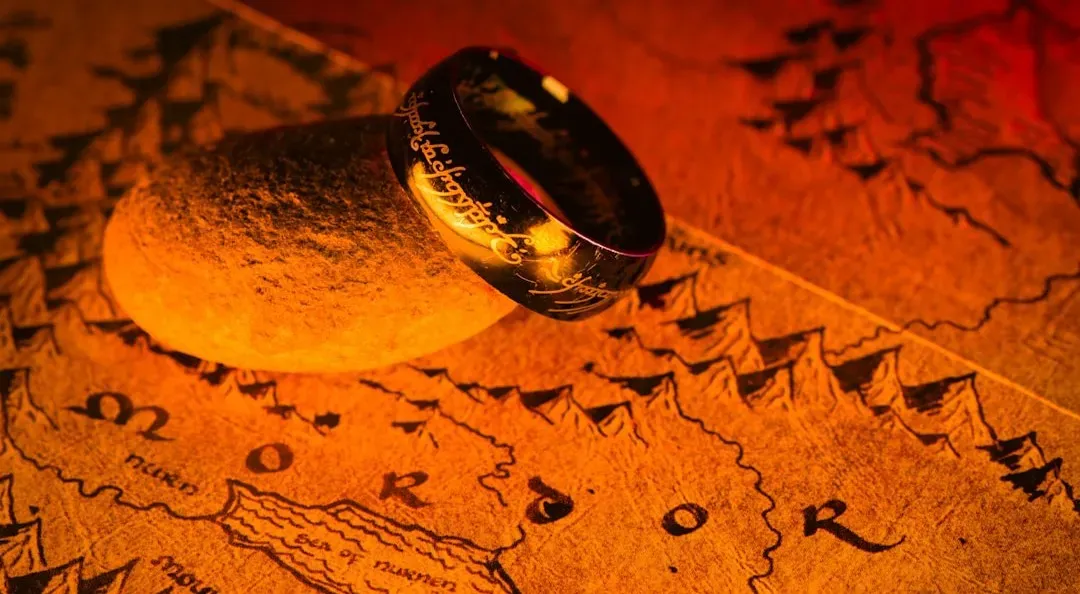
J.R.R. Tolkien’s trilogy is dense, meditative, and occasionally slow by modern pacing standards, full of songs, lineages, and digressions that Peter Jackson’s 2001 to 2003 film trilogy largely trimmed away. What Jackson kept, however, was the emotional architecture of the story, and he filmed it with a scale that matched the source material’s ambition. The films did compress and rearrange some plotlines, most notably around Arwen and the fate of certain characters, but the core mythology stayed intact.
The trilogy’s critical reception culminated in The Return of the King sweeping the Oscars in a way few adaptations ever manage, a signal that the filmmaking was seen as matching, not diminishing, the literary source. Longtime Tolkien readers still debate specific choices, particularly around Faramir’s characterization, but the broader consensus treats the films as a genuine companion to the books rather than a replacement. This is as close to a tie as adaptations get, with each version rewarding a different kind of patience.
7. No Country for Old Men: A Nearly Line for Line Adaptation
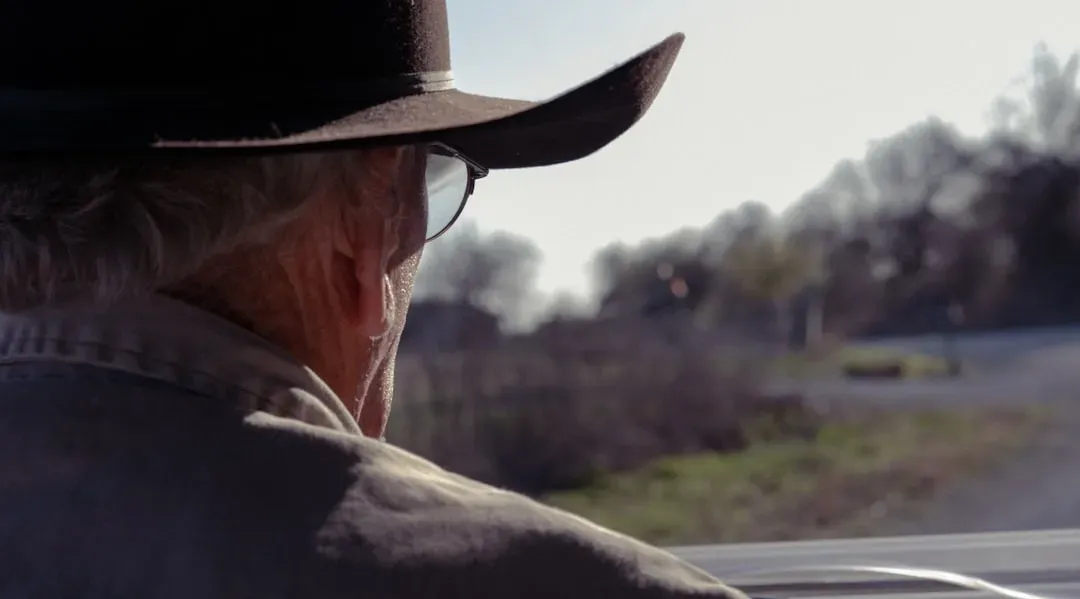
Cormac McCarthy’s 2005 novel is spare and unflinching, written in a style that strips away quotation marks and sentimentality in equal measure. The Coen brothers’ 2007 film followed that austerity almost exactly, reproducing dialogue and structure with unusual fidelity for a major studio release. Few adaptations stick this closely to their source while still feeling like a fully realized piece of filmmaking in its own right.
The film won Best Picture at the Academy Awards, along with directing and screenplay honors for the Coens, validating the idea that faithfulness and cinematic craft are not mutually exclusive. McCarthy’s prose style is famously hard to translate to screen, yet the Coens found visual equivalents for his flat, dread-laden tone rather than trying to explain it through dialogue. Given how rare this level of fidelity is, and how well it worked, the film and book essentially share the win here.
8. The Princess Bride: Beloved in Both Forms
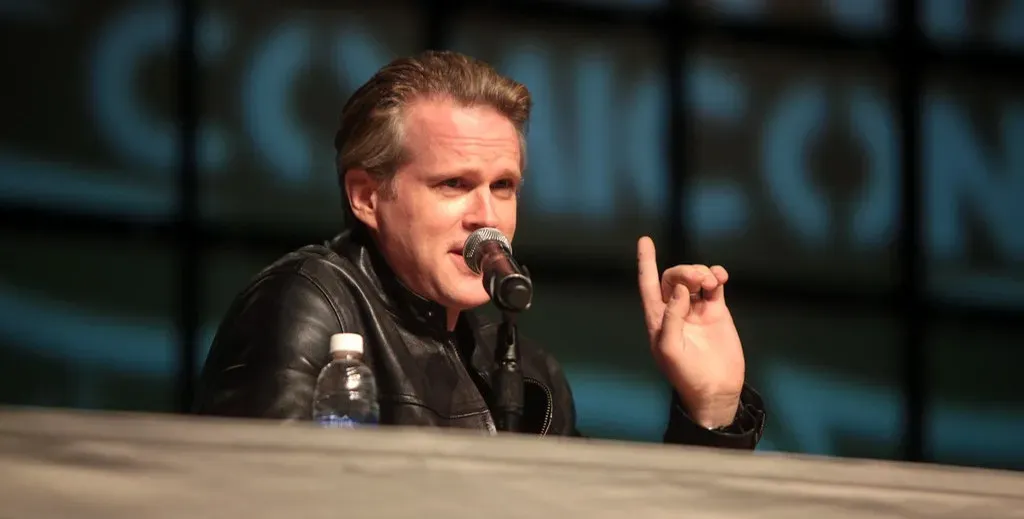
William Goldman wrote both the 1973 novel and the 1987 film’s screenplay, giving this adaptation a level of authorial control almost none of the others on this list share. The book uses a framing device about an abridged manuscript that the film mostly discards, trading literary playfulness for a grandfather reading to his grandson, which works well for a different kind of intimacy on screen. Both versions share the same jokes, the same swordplay, and largely the same affection for genre parody done with a straight face.
The film has aged into a genuine cult classic, quoted constantly and beloved across generations who may not even know it started as a novel. Because Goldman wrote both versions himself, there’s little of the usual friction between author intent and director vision that complicates other adaptations on this list. This is a case where loving one version rarely means dismissing the other, and most fans of one eventually seek out the other anyway.
Final Thoughts
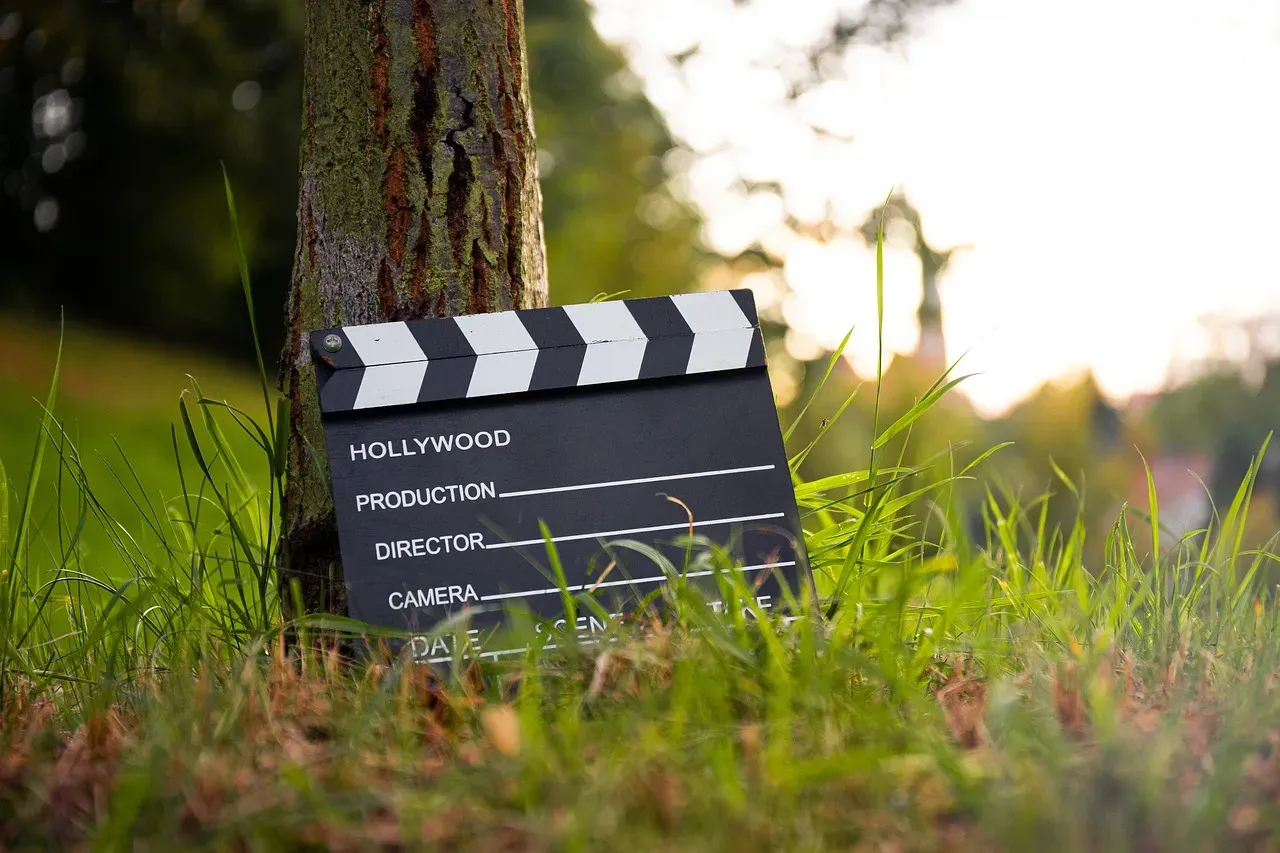
Looking across these eight pairs, the pattern that emerges is less about books losing to movies or vice versa, and more about which format better serves a given story’s structure. Dense, interior narratives like The Shining or The Lord of the Rings tend to reward readers with depth that film can only gesture toward, while plot driven or visually kinetic stories like Jurassic Park or Fight Club often find their fullest expression on screen. Neither format is inherently superior, they’re just built to do different jobs.
What’s clear from the reception history of these titles is that audiences rarely settle the debate cleanly, and that’s probably fine. A great adaptation doesn’t need to defeat its source material. It just needs to justify its own existence, and each of these eight has done exactly that.