There’s a quiet irony in the fact that some of the most celebrated books in literary history were written slowly, reluctantly, and sometimes in spite of the author’s better judgment. Speed is often mistaken for productivity, and in publishing, it’s easy to assume that prolific writers are the most successful ones. The reality is messier and more interesting than that.
Some authors write a book within months or even weeks, churning out pages like there’s no tomorrow. Others take their time with a draft until they’re satisfied with it. Neither approach is inherently better, and in fact some of the most recognized works of literature took quite a bit of time to complete. The books on this list share one thing: the years poured into them weren’t wasted. Each one earned its place.
The Lord of the Rings by J.R.R. Tolkien – 12 to 16 Years
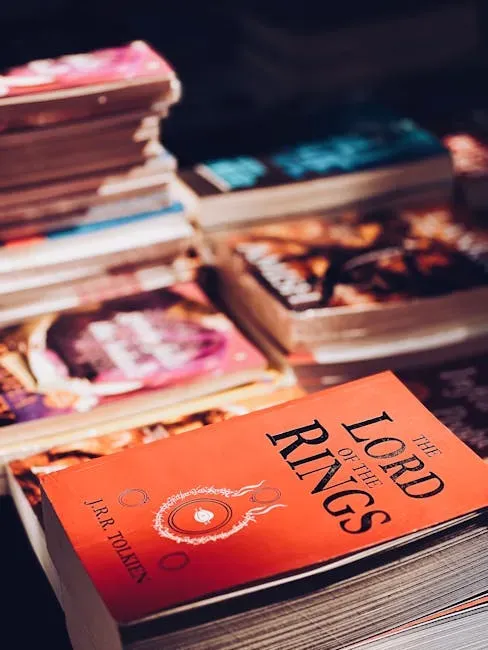
Tolkien was a full-time academic with limited hours to spare. He also abandoned The Lord of the Rings for a year, which didn’t help his pace. He restarted it in April 1944, sending chapters to his son Christopher during Christopher’s time in the Royal Air Force. All in all, he did about 12 years of actual writing, with five years of breaks in between.
Tolkien started work on The Lord of the Rings when he was 45 years old, and the book didn’t see print until he was 63. He had a full-time academic position throughout the entire process and also took a break from writing for nearly a year. His years of effort were clearly worth it, as The Lord of the Rings is now one of the most popular and beloved works of epic fantasy in existence and the third bestselling book in the world.
Gone with the Wind by Margaret Mitchell – 10 Years
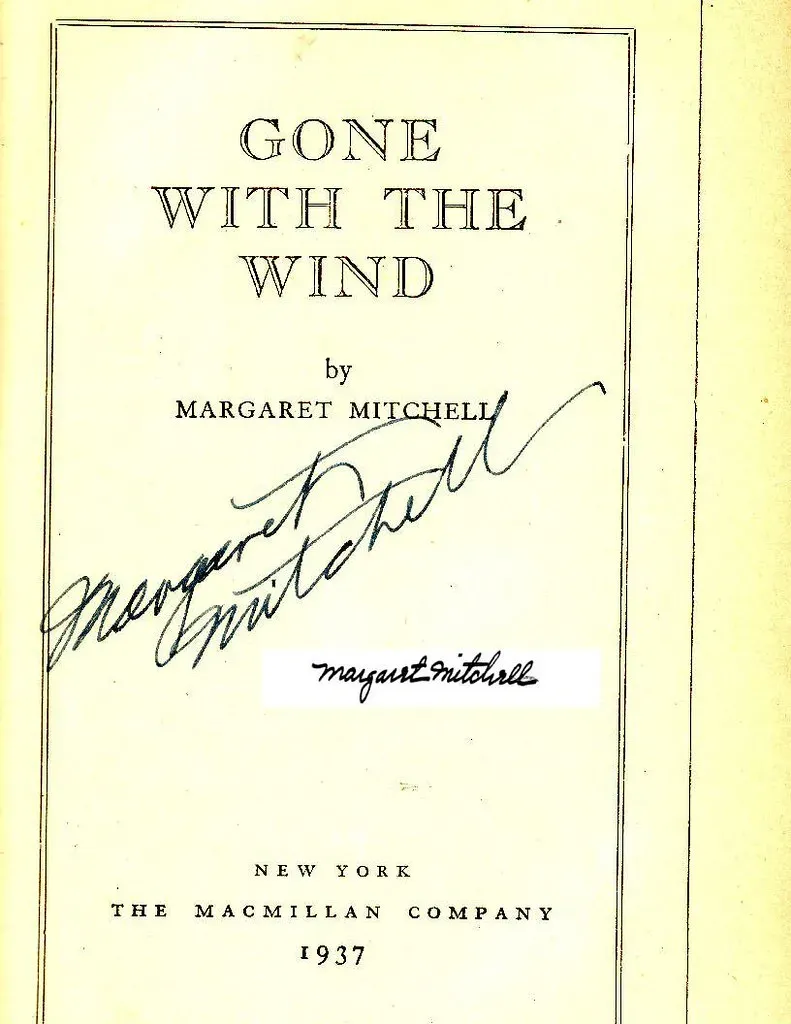
Margaret Mitchell went through nearly as many drafts as the years it took to finish the novel – nine drafts of a thousand pages. That’s thorough revision work for a book she didn’t intend to publish, at least not until someone provoked her. Mitchell started the book to pass the time while recovering from an ankle injury.
The fact that she was hiding the fact that she was writing the book from everyone around her also probably contributed to how long it took. Mitchell had no intention of publishing the novel and ended up doing so very reluctantly. The novel went on to win the Pulitzer Prize for Fiction in 1937 and became an Academy Award-winning film in 1940.
The Secret History by Donna Tartt – 8 to 9 Years
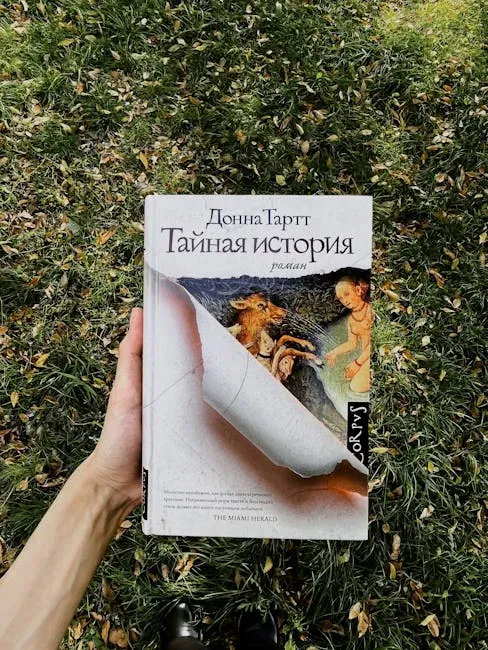
The Secret History was derived from Tartt’s time at Bennington College, where she spent eight years writing. Her agent Amanda Urban helped bring it to publication, and the novel became both a critical and financial success. It originated the dark academia literary aesthetic.
A campus novel, it tells the story of a closely knit group of six Classics students at Hampden College, a small, elite liberal arts college in Vermont. It’s an inverted detective story narrated by one of the six students, who reflects years later on the circumstances that led to the murder of their friend. Tartt’s books have each taken about ten years to write, and The Secret History was strongly influenced by Dickens, one of her favorite childhood writers.
Les Misérables by Victor Hugo – Over 17 Years in Development

Victor Hugo started planning Les Misérables in the 1830s and didn’t start writing it until 1845, a long way from its 1862 publication date. Les Misérables is one of the longest novels in history, at 1,900 pages in the original French and around 1,400 pages in English. A novel of such epic proportions arguably called for an equal amount of time to bring to fruition.
Hugo’s process wasn’t simply slow – it was also interrupted. He was in political exile for much of the writing period, having opposed Napoleon III’s coup in 1851. The novel’s moral scope, spanning social injustice, redemption, and the mechanics of poverty in post-Revolutionary France, reflects those years of hard-earned perspective. Few books have been shaped so visibly by history pressing in on the author as he wrote.
Partner offer
The Brief Wondrous Life of Oscar Wao by Junot Díaz – About 10 Years
Junot Díaz is another Pulitzer Prize-winning author who spent roughly ten years completing his novel. The story kept him busy for five years, but despite writing for hours each day he simply couldn’t make it work past the 75-page mark. Utterly dismayed, he gave up on the idea for a while, then returned to it, spending another five years finally completing the novel. Despite all the setbacks, the novel went on to win numerous awards.
The book won the John Sargent, Sr. First Novel Prize, the Dayton Literary Peace Prize in Fiction, the National Book Critics Circle Award, and the Pulitzer Prize for Fiction in 2008. It tells the poignant story of Oscar de León, a Dominican American boy who struggles with his identity, love, and the weight of a familial curse known as fukú, with Oscar’s romantic obsession and painful experiences of adolescence at the story’s emotional center.
No Great Mischief by Alistair MacLeod – 13 Years

Author Alistair MacLeod’s first novel, No Great Mischief, has been celebrated as a work of great literary skill and grace, and it also took him 13 years to complete. The novel is a story of a family consumed by their history of conflict and violence, substance abuse, and theft. Through it all, they remain painfully loyal to one another. The novel received numerous awards and award nominations.
MacLeod was a perfectionist who preferred writing in longhand. His habit of writing only a single sentence at a time and then reading it aloud to make sure the words were just right contributed toward the lengthy process. Sadly MacLeod died before he could write another novel, but No Great Mischief went on to receive numerous awards and nominations.
Jurassic Park by Michael Crichton – 8 Years
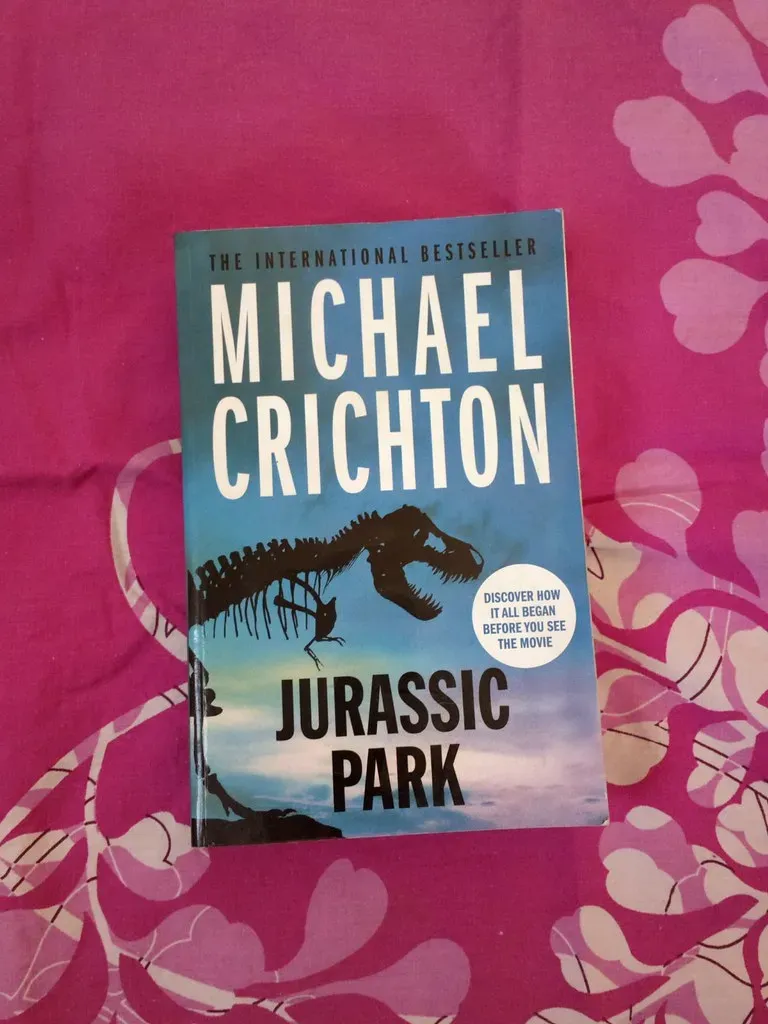
Michael Crichton publicly stated that he counted the preparation phase of his books as part of the writing process. He spent a lot of time researching before starting to write, with the actual drafting being relatively quick by comparison. By his own standards, it took him eight years to finish Jurassic Park.
While Crichton wrote quickly once he began drafting, his preparation could take years. That’s why Jurassic Park took eight years to finish. The result was a novel that transformed popular science fiction and eventually gave rise to one of the most commercially successful film franchises ever made. The depth of Crichton’s scientific research into genetics and paleontology gave the story a texture that readers felt even without being able to name it.
The Catcher in the Rye by J.D. Salinger – About 10 Years
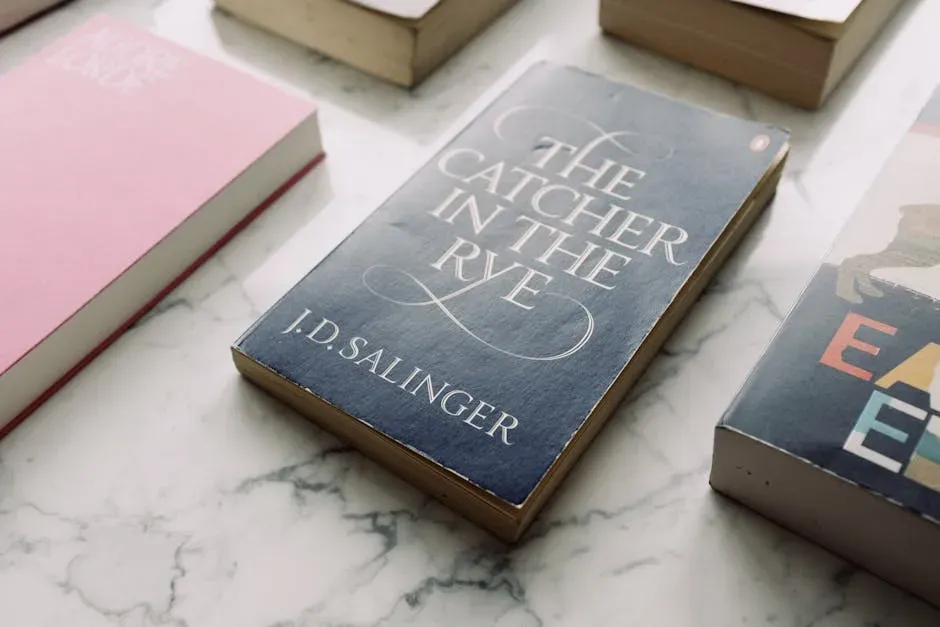
It’s a bit difficult to write a book when you get drafted as a soldier in World War II. That was the situation J.D. Salinger found himself in while working on The Catcher in the Rye. It didn’t start as a novel – he originally wrote it as a series of short stories because he was a short story author unfamiliar with writing longer fiction.
Salinger’s average output for The Catcher in the Rye worked out to a mere 20 words per day over ten years. That number captures something real about how fragmented and difficult the process was for him. The war, the shift in form, the revision across years – all of it shows. Yet the novel’s voice remains so immediate, so trapped in a single restless consciousness, that readers rarely sense the decade of labor behind it.
Why the Long Road Sometimes Produces the Finest Work
Many things can get in the way of a book’s progress – a full-time job, perfectionism, lack of ideas, and more. What’s striking about the books collected here is that none of them suffered for the time their authors took. In most cases, the extra years produced something more layered, more precise, and more lasting than a faster draft might have allowed.
Some of the most recognized works of literature took quite a bit of time to complete, and reading them now, the patience embedded in every sentence is often exactly what makes them feel alive. A book written slowly isn’t necessarily a book written reluctantly. Sometimes it’s simply a book written with the kind of care that no deadline could have forced – and no shortcut could have replaced.
Partner offer
Planning a trip to Vegas?
Compare hotel rates and show tickets on VEGAS.com.