A big chorus can drown out the verses around it. Put a bright melody on top, and plenty of people stop listening to what’s actually being sung. That’s how some of pop and rock’s most famous songs ended up meaning something very different in the public imagination.
Here are eight songs that have been cheered at rallies, played at weddings, or danced to at parties, even though their writers had something else in mind. In several cases the misunderstanding has lasted well past the song’s fortieth birthday.
Born in the U.S.A. by Bruce Springsteen

Released in 1984, the title track tells the story of a working class man sent to Vietnam who comes home to little help and few prospects. The roaring chorus and drum sound make it feel like a flag waving anthem, and that’s how many heard it. Later that year, Ronald Reagan mentioned Springsteen by name during a campaign stop in New Jersey, which showed how widely the song was being taken at face value.
Springsteen has long treated the song as a portrait of a veteran let down by his country, and the verses support that reading. It has been reported that he turned down a very large offer from Chrysler to use it in advertising. The gap between the sound and the story is exactly why it keeps being misunderstood.
Every Breath You Take by The Police

Sting wrote this 1983 hit after his marriage broke down, reportedly at Ian Fleming’s former Jamaican home, Goldeneye. Its gentle guitar line and smooth melody have made it a favorite first dance at weddings. The words, though, are about someone watching, following, and refusing to let go.
Sting has said over the years that he sees the song as dark and has been surprised by its romantic reputation. Read the lyrics on paper and the surveillance theme is hard to miss. The tune simply sounds too pleasant for many listeners to notice.
Fortunate Son by Creedence Clearwater Revival

John Fogerty wrote this 1969 song as a protest about class and the Vietnam draft, aimed at privileged families whose sons avoided military service. It’s a snarling, short, powerful track, and the title phrase is easy to mistake for praise. Over the years it has turned up in patriotic montages and commercials that seem to miss its target.
The song’s point is that those with money and connections were often spared while poorer young men were sent to fight. That makes it a poor fit for flag waving ads. The repeated hook just happens to work well as a slogan when the verses are ignored.
Rockin’ in the Free World by Neil Young
Young released this song in 1989, and its anthemic chorus can sound like a celebration of American freedom. The verses describe homelessness, drug use, and a country that had left people behind. The song is a critique dressed up as a stadium singalong.
It drew fresh attention in 2015, when Donald Trump used it at his campaign launch and Young objected to the use. The episode showed again how a chorus can travel without its verses. Young has performed it for decades with the dark details still intact.
Partner offer
Semi-Charmed Life by Third Eye Blind
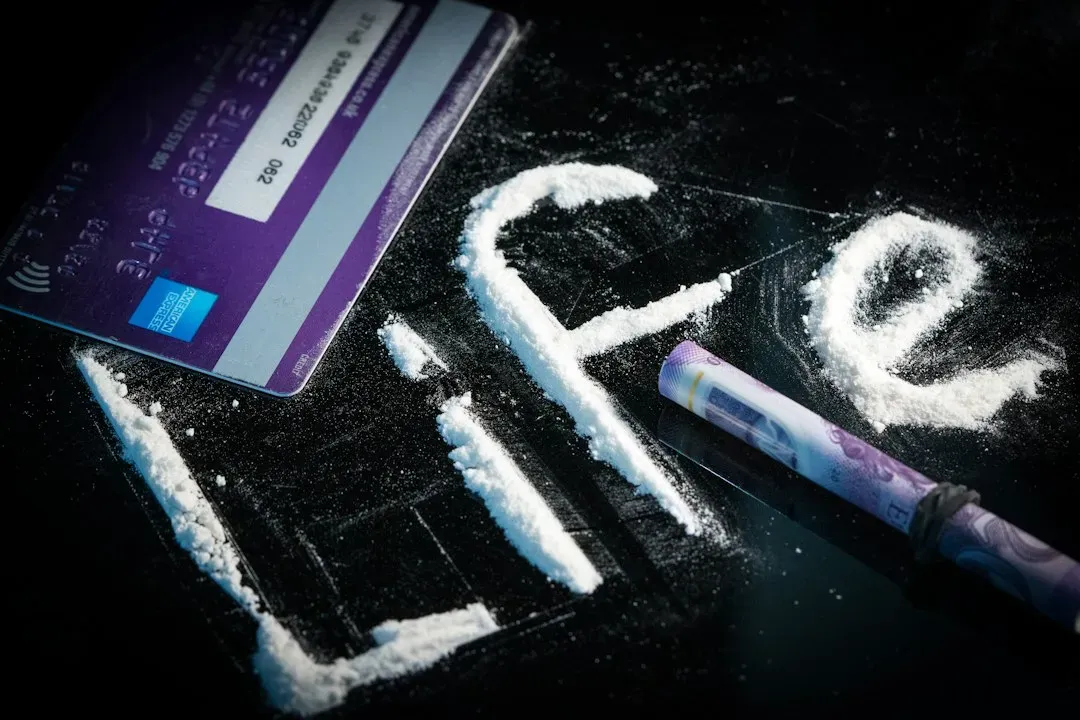
This 1997 hit has a bouncy pop rock sound and a famously catchy “doo doo doo” section that fills radio playlists and road trip mixes. Listen to the verses, though, and the subject is crystal meth use and the emotional wreckage around it. The contrast between sunny music and bleak content is the whole trick.
Singer Stephan Jenkins has acknowledged the song’s drug theme, so this isn’t a fan theory. Plenty of people still treat it as a feel good summer track. It’s one of the cleaner examples of a happy sound hiding a grim story.
Pumped Up Kicks by Foster the People

The 2010 single became a huge hit with a laid back groove and whistled hook. Its lyrics follow a troubled teenager who fantasizes about gun violence, and songwriter Mark Foster has said he wanted to explore that mindset and draw attention to the issue. Many listeners danced to it for months without registering the words.
Foster has said he was trying to understand the isolation behind such violence, not glorify it. The band later stopped playing it live in the wake of mass shootings. Its strange journey from summer playlist staple to uncomfortable song shows how quickly lyrics can change a track’s meaning once people notice them.
Hey Ya! by OutKast
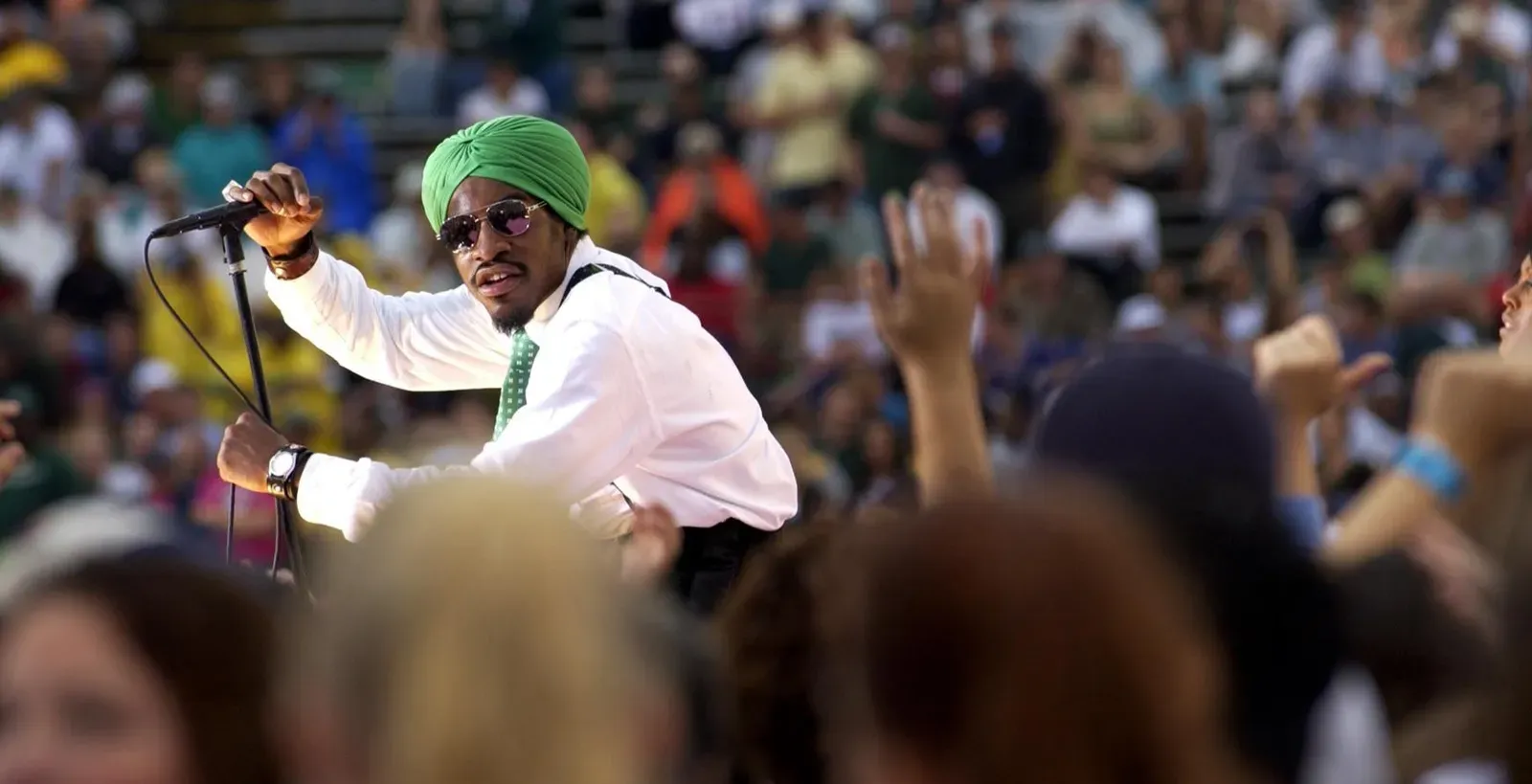
In 2003 this song became a party staple, with its handclaps, bright energy, and a famous call to shake it. Underneath the fun, André 3000 wrote about relationships that fade and the doubts people carry about whether love can last. Few dance floors were thinking about that.
The track helped power the album Speakerboxxx/The Love Below to the Grammy for Album of the Year in 2004. Its success was built partly on how irresistible it sounded. The lyrical unease sits just beneath the surface for anyone who listens closely.
Smells Like Teen Spirit by Nirvana
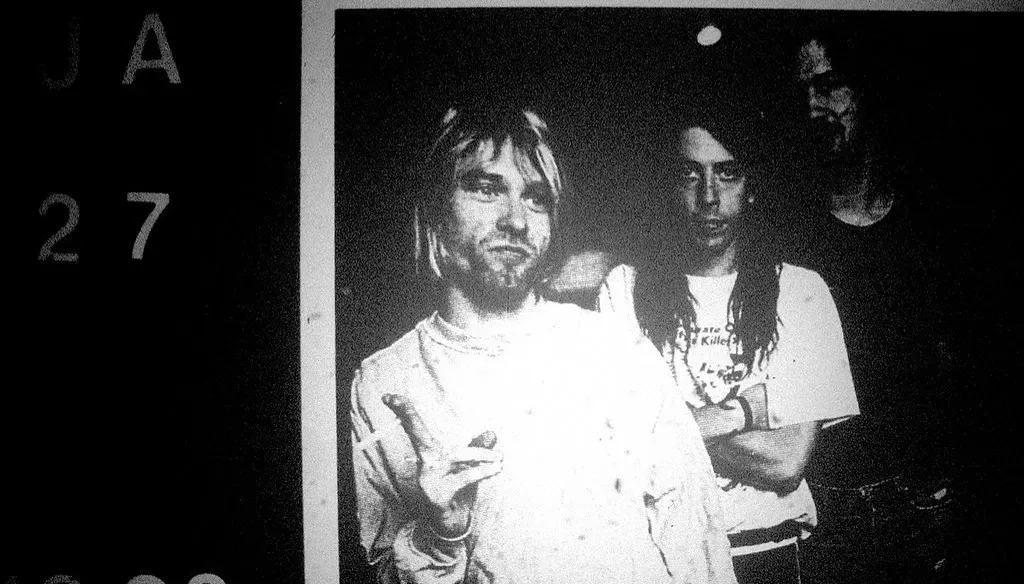
This 1991 grunge landmark is often read as a simple call for teenage rebellion, and the title seems to back that up. In fact, the phrase came from graffiti written by Kathleen Hanna of Bikini Kill, who wrote that Kurt smelled like Teen Spirit. Kurt Cobain reportedly didn’t know Teen Spirit was a deodorant brand when he borrowed the line.
The lyrics themselves are deliberately slippery, full of contradiction and irony, which left room for endless interpretation. Cobain himself was uneasy about how the song was received. What began as a sly, scrambled piece of writing became shorthand for a whole generation’s mood.
What These Songs Have in Common
Each track pairs a strong, easy hook with words that say something more complicated. The hook travels farther than the verses, so the song takes on a new life in advertising, rallies, and weddings. The writer’s intent gets left behind.
Reading the lyrics is the simplest way to check any song you’ve loved for years. In these eight cases, what the writers wrote and what listeners heard are very different things.
Partner offer
Planning a trip to Vegas?
Compare hotel rates and show tickets on VEGAS.com.