Flip through a stack of vinyl in a parent’s or grandparent’s living room, and you’ll notice the same covers turning up again and again. A prism on black. A rumpled couple in a studio. A man in a white suit pointing at the ceiling. The 1970s was a decade when the album became the main way people listened to music at home, and certain records ended up in nearly every house.
The ten below aren’t a ranking. They’re records that sold in huge numbers, collected major awards, or stayed popular long enough to be handed down. Each one earned its spot on the shelf for a different reason.
The Dark Side of the Moon by Pink Floyd
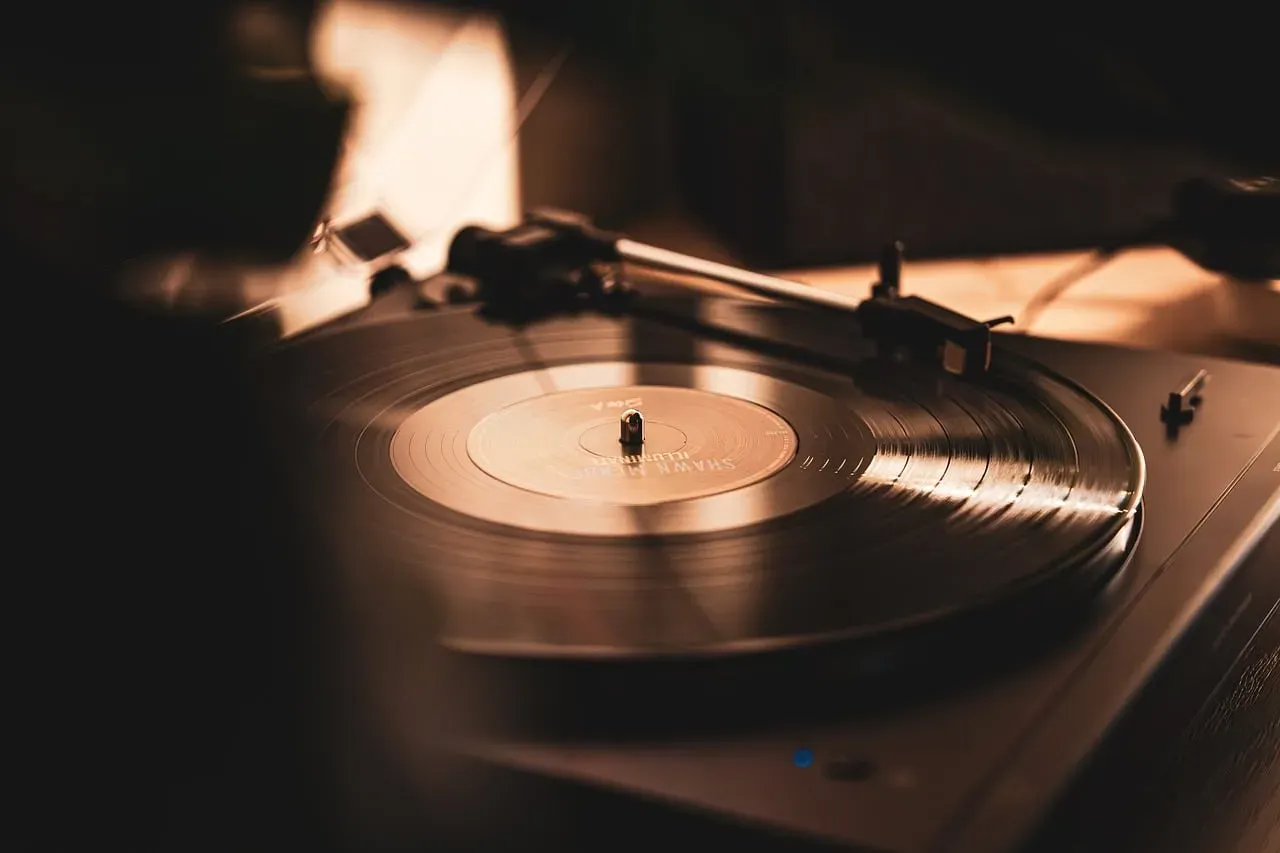
Released in March 1973, this album is probably the most recognizable cover of the decade, a beam of light passing through a prism. Pink Floyd built it as one continuous piece, with songs like Money and Time flowing into each other. It was designed to be heard front to back, which suited the turntable well.
Its staying power is the real story. The album spent more than seven hundred weeks on the Billboard 200 chart, a run that stretched across many years. Plenty of families own it because one generation bought it new and the next found it by accident.
Rumours by Fleetwood Mac
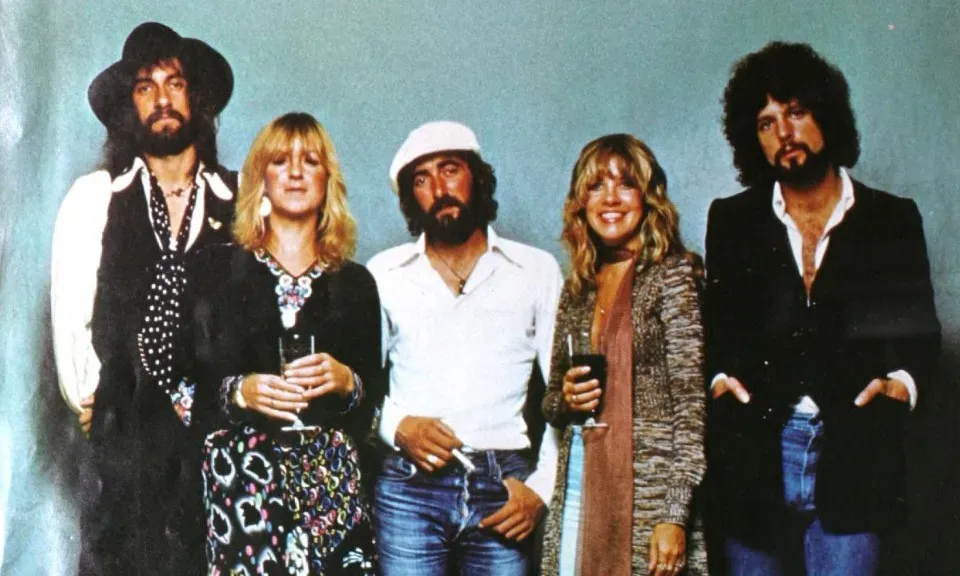
Rumours came out in February 1977 and was recorded while members of the band were going through breakups with one another. That tension fed songs such as Go Your Own Way, Dreams and The Chain. The result sounded polished and a little raw at the same time.
It won the Grammy for Album of the Year at the ceremony held in 1978. Sales are generally placed at well over forty million copies worldwide, which explains why a used copy is easy to find. If a family owns only a handful of records, this is often one of them.
Led Zeppelin IV

The band’s fourth album arrived in November 1971 with no title and no band name on the sleeve. Instead, each member was represented by a symbol, a choice that fit the group’s wish to let the music stand alone. Black Dog, Rock and Roll and Going to California sit alongside the long, building epic Stairway to Heaven.
That last song became one of the most requested tracks in the history of rock radio. The album sold enormously in the United States, and the RIAA lists it at many times platinum. For many households, it was the record that introduced a younger listener to heavy guitar.
Tapestry by Carole King

Tapestry was released in February 1971 and showed how personal singer songwriter music could fill a mainstream living room. King had already written hits for other artists, so songs like It’s Too Late and You’ve Got a Friend felt both fresh and familiar. The cover, with her seated in a window, matched the quiet, homey sound.
It won four Grammys, including Album of the Year, at the ceremony held in 1972. It also stayed on the charts for years and remained a steady seller afterward. Plenty of parents bought it, and plenty of kids borrowed it later.
Bridge Over Troubled Water by Simon and Garfunkel

Released in January 1970, this was the duo’s final studio album together. The title track, built on a piano and a soaring vocal, became one of the best known songs of the era. Other tracks, including The Boxer and Cecilia, gave it a broad range from gospel to folk to a playful singalong.
Partner offer
The album took the Grammy for Album of the Year at the ceremony held in 1971. Because it reached listeners of many ages, it tended to land in homes that didn’t consider themselves rock households. That wide appeal is why it still turns up in thrift store bins.
Hotel California by Eagles

The Eagles released this album in December 1976, and it marked a darker, more cinematic turn for the band. The title song, with its long guitar duet at the end, earned the Grammy for Record of the Year. New Kid in Town and Life in the Fast Lane also became staples of radio.
The cover photograph of a Beverly Hills hotel at dusk gave the record a moody identity. It remains one of the biggest sellers in American music history, according to RIAA certification data. Families who owned it often played it on long car rides once cassette copies appeared.
Their Greatest Hits 1971 to 1975 by Eagles

This compilation came out in August 1976, just before Hotel California. It gathered the band’s early singles, such as Take It Easy, Peaceful Easy Feeling and Lyin’ Eyes, into one tidy package. For casual listeners, that was the whole appeal.
The RIAA has certified it at a level that places it among the best selling albums ever released in the United States. Many homes owned both this and Hotel California, which is a good sign of how deeply the band was woven into the decade. A greatest hits record is easy to buy for someone else, and that helped its numbers too.
Saturday Night Fever Soundtrack
The soundtrack to the 1977 film was released in November of that year as a double LP. The Bee Gees supplied the biggest songs, including Stayin’ Alive, Night Fever and How Deep Is Your Love. Its dance floor energy carried far beyond the movie itself.
It won the Grammy for Album of the Year at the ceremony held in 1979. Even households that never set foot in a disco often owned a copy, partly because the soundtrack became a cultural event. The white suit on the cover is still one of the decade’s most copied images.
Goodbye Yellow Brick Road by Elton John
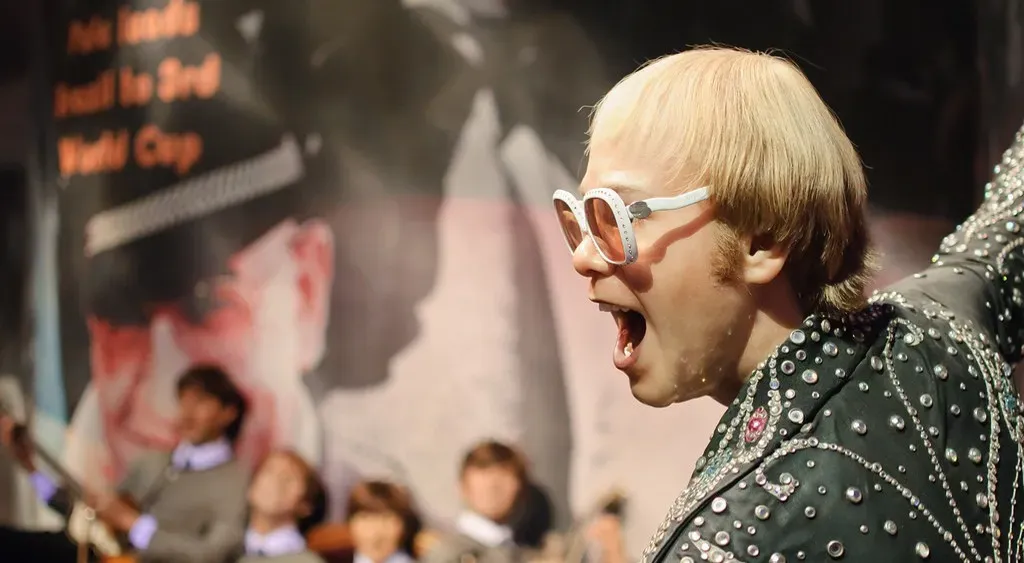
This double album was released in October 1973 and showed off Elton John’s range, from piano ballads to glam rock stomps. Bennie and the Jets, Candle in the Wind and the title track all became favorites. The sprawling track list gave listeners plenty to explore.
It reached number one in the United States and sold strongly around the world. Families often had it because it offered something for different tastes in one purchase. The gatefold sleeve, with its illustrated artwork, made it a pleasure to hold as well as hear.
Songs in the Key of Life by Stevie Wonder
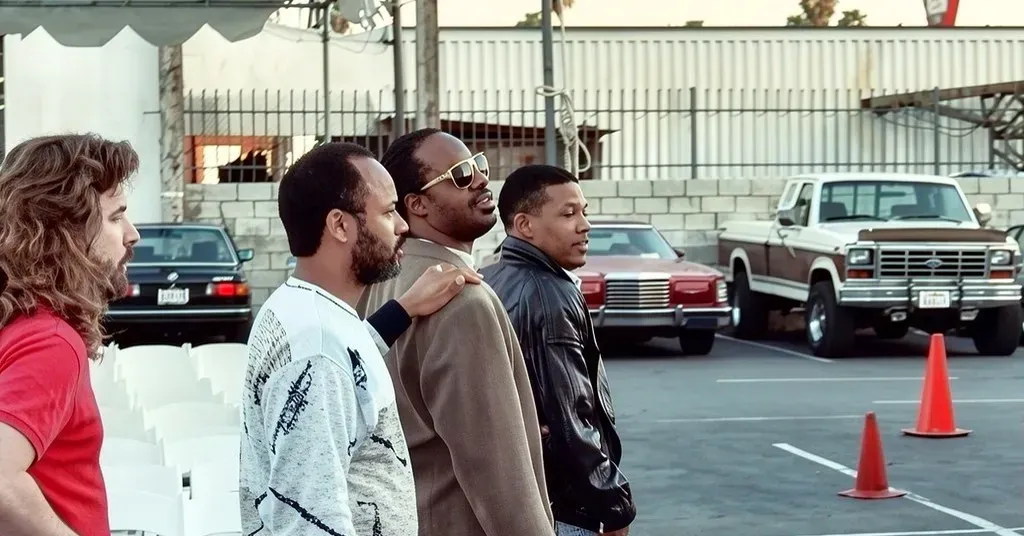
Stevie Wonder released this sprawling work in September 1976, packaged as a double album with a bonus four song EP. Sir Duke, I Wish and Isn’t She Lovely are among its best known songs. The record blends funk, soul, jazz and pop without feeling scattered.
It won the Grammy for Album of the Year at the ceremony held in 1977, and it reached number one on the Billboard 200. Its popularity crossed generational lines, which is why it so often sits in a family collection near the front of the shelf. Many households still play it at gatherings because the songs suit nearly any mood.
Partner offer
Planning a trip to Vegas?
Compare hotel rates and show tickets on VEGAS.com.