Musicals have a strange relationship with the movies. Something happens when a show built for a live audience gets locked into a fixed camera frame and a permanent cut. Sometimes the transfer preserves the magic. Other times it flattens it, trading spontaneity for spectacle. Looking back at eight major stage-to-screen musical adaptations, the pattern that emerges is less about which medium is “better” and more about what each one is actually built to do.
Chicago: the Oscar winner that reshaped the genre
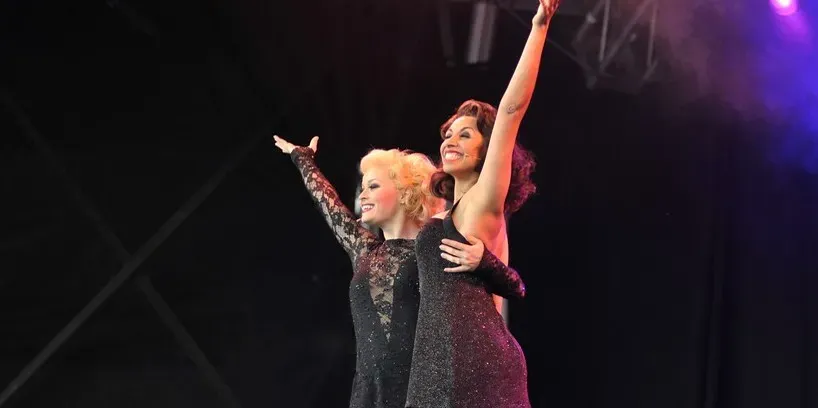
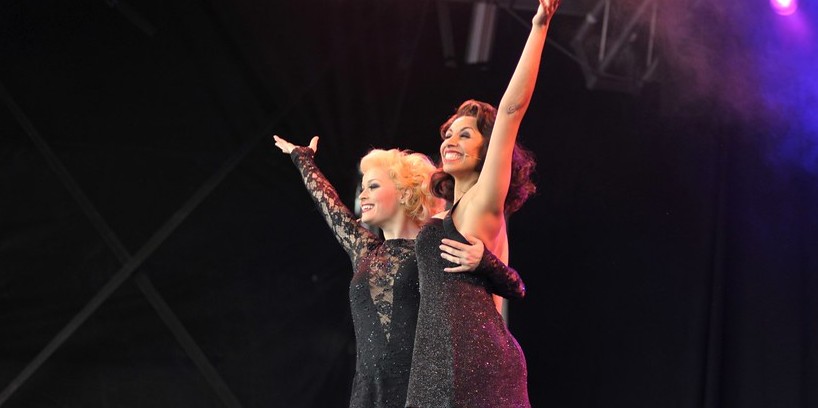
Rob Marshall’s 2002 film version of Chicago did something few musicals had managed in decades: it won Best Picture at the Academy Awards, a feat that hadn’t happened for a musical since Oliver! in 1968. The film leaned into a fantasy structure, staging the musical numbers as imagined performances inside Roxie Hart’s head rather than literal scenes, which solved the classic problem of characters bursting into song in a courtroom.
The stage version, still running strong in revivals decades after its 1975 debut, thrives on raw, minimalist choreography by Bob Fosse that puts every dancer’s body under a spotlight. On film, that intimacy gets traded for editing tricks and star power from Catherine Zeta-Jones, Renée Zellweger, and Richard Gere. Both versions work, but for different reasons. The stage show is about presence, the film is about performance as illusion.
Les Misérables: epic scale versus emotional precision

The 2012 film adaptation directed by Tom Hooper made headlines for its decision to record vocals live on set rather than dubbing them in later, a choice that gave Anne Hathaway’s “I Dreamed a Dream” a raw, breathless quality that earned her the Academy Award for Best Supporting Actress. The film leaned hard into close-up camera work, practically pushing viewers into the actors’ tear ducts during every emotional peak.
On stage, Les Misérables has run continuously in London’s West End since 1985, making it one of the longest-running musicals in history. The theatrical version relies on sweeping staging and a live orchestra to build its emotional weight gradually across nearly three hours, while the film compresses and intensifies everything into tighter, more claustrophobic moments. Purists tend to favor the stage for its pacing, while casual viewers often find the film’s rawness more immediately affecting.
Into the Woods: Sondheim’s dark fairy tale gets a glossy makeover
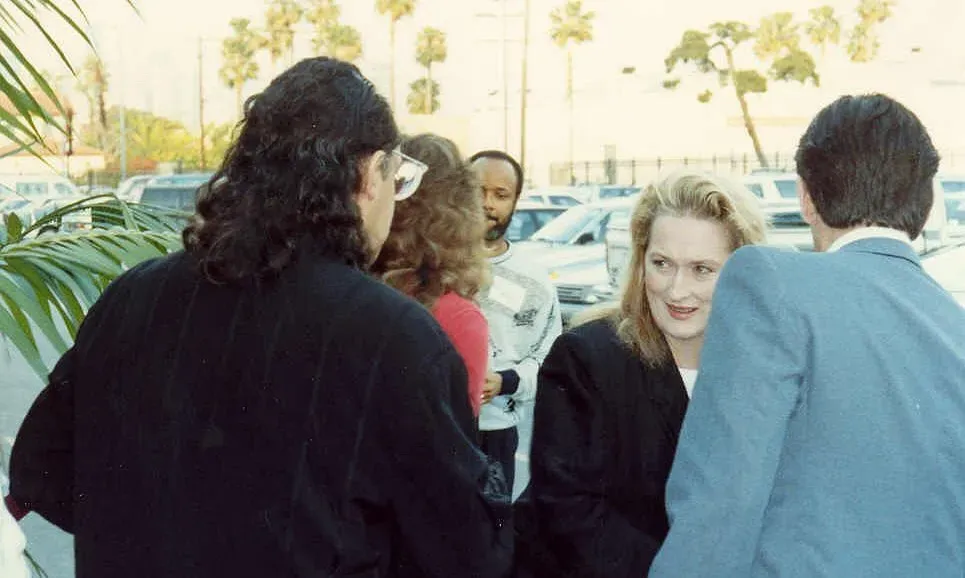
Disney’s 2014 film adaptation, directed by Rob Marshall, softened some of the show’s darker edges from Stephen Sondheim and James Lapine’s original book, trimming subplot elements and adjusting a few plot beats to fit a more family-friendly tone. Meryl Streep’s performance as the Witch earned her an Oscar nomination, and the film’s visual world building gave the fairy tale forest a genuinely cinematic texture that a stage set can’t fully replicate.
The original 1987 Broadway production is beloved specifically for its unflinching commitment to moral ambiguity, showing that fairy tale endings come with real consequences. Fans of the stage version often feel the film pulled its punches on some of that darkness, even as it captured the visual imagination of the story more vividly. It’s a case where the movie wins on spectacle but the stage version wins on nerve.
Dear Evan Hansen: a stage triumph that struggled on screen
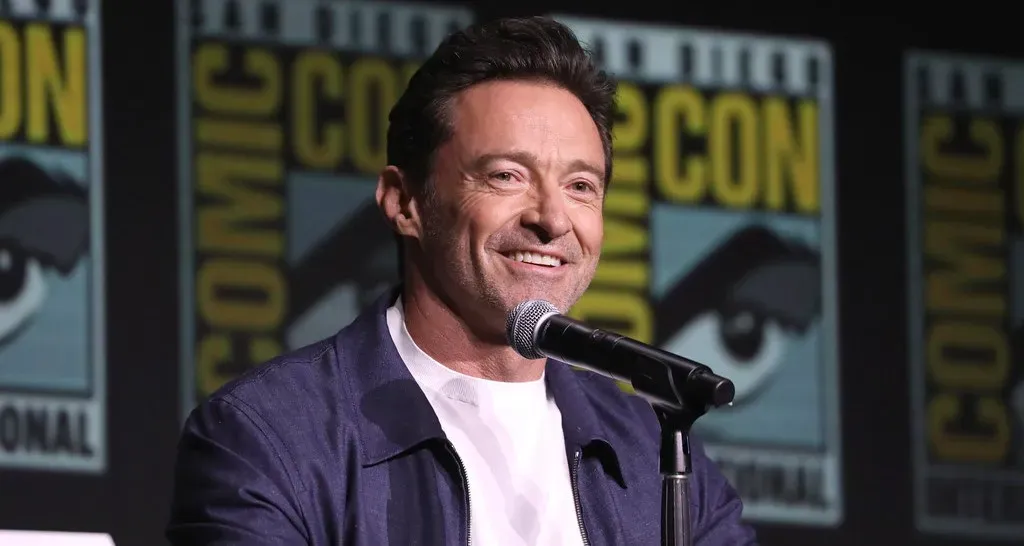
Dear Evan Hansen won six Tony Awards in 2017, including Best Musical, and became a cultural touchstone for its raw portrayal of teenage anxiety and grief. The 2021 film adaptation, however, faced significant backlash, much of it centered on Ben Platt reprising his stage role at an age that read as noticeably older than the teenage character he was meant to portray on camera.
Critics and audiences who had connected deeply with the show’s intimacy in a theater found the same material felt uncomfortable and overwrought when captured in unforgiving close-up film shots. The stage production benefits from the emotional buffer of distance and live performance energy, something the film’s hyper-realistic visual style couldn’t replicate. This is one of the clearest examples in this list where the theatrical version remains the stronger version by a wide margin.
In the Heights: a joyful adaptation that arrived at the wrong moment

Lin-Manuel Miranda’s In the Heights opened on Broadway in 2008 and won the Tony for Best Musical, celebrated for its vibrant blend of hip hop, salsa, and traditional musical theater storytelling rooted in Washington Heights. The 2021 film adaptation, directed by Jon M. Chu, expanded the visual scope dramatically, filling city blocks with choreographed dance numbers and giving the neighborhood itself a starring role.
Partner offer
Despite strong reviews, the film underperformed at the box office, a result widely attributed to its pandemic-era release and same-day streaming availability rather than any quality issue. Chu’s camera work arguably gave the story a scale the stage could never achieve, particularly in the pool party sequence and the “96,000” number. Commercially the film struggled, but as a piece of pure cinematic craft, it stands as one of the more successful transfers on this list.
West Side Story: critical acclaim meets box office reality
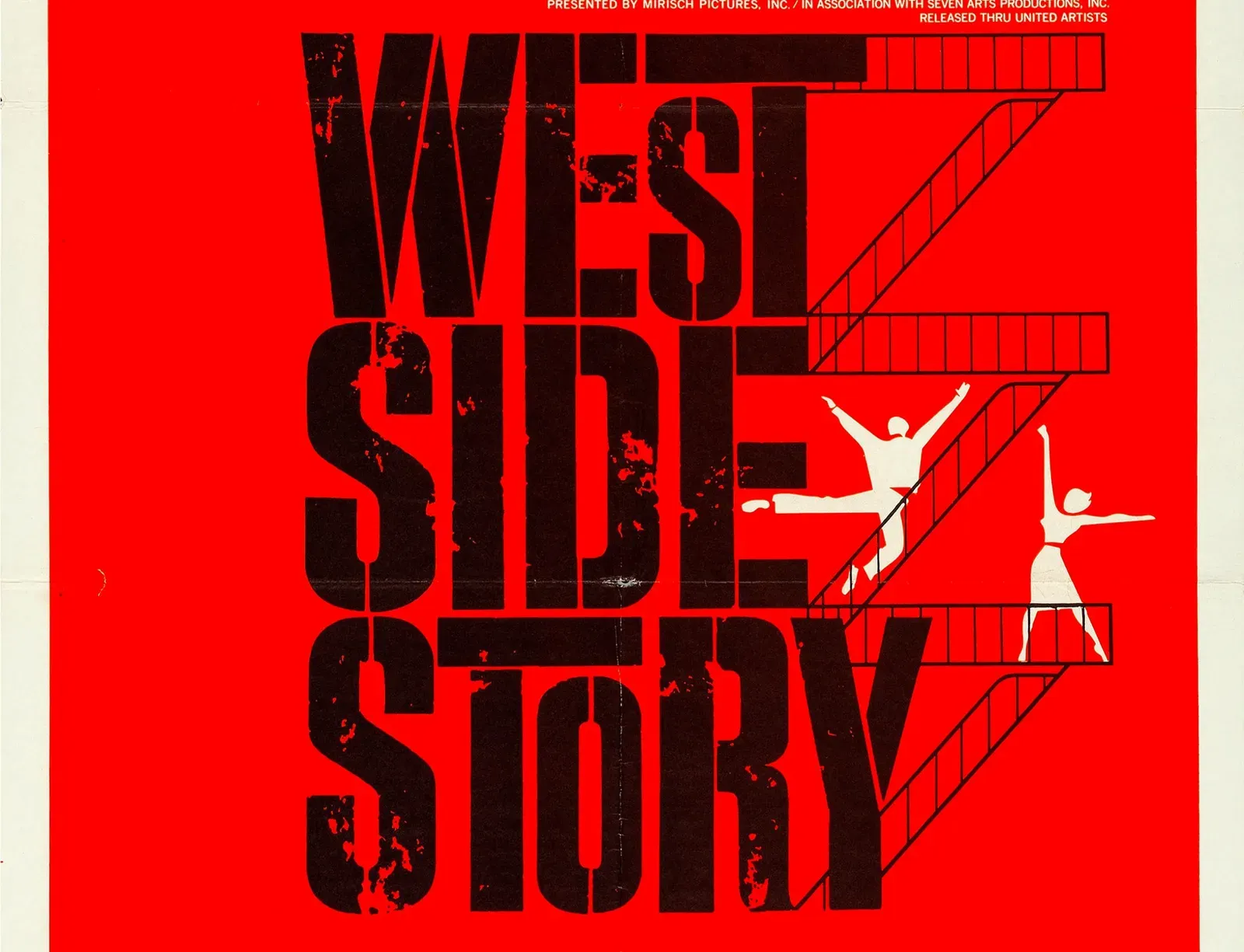
When it was released in 2021, Spielberg’s West Side Story grossed just $76 million at the worldwide box office against its budget of $100 million. That number is striking given the reception. The film was universally acclaimed by critics and earned a boatload of Oscar nods including a Best Picture nomination and a Best Supporting Actress win for Ariana DeBose.
Box-office analysts noted the film suffered because it was targeted at older audiences hesitant to return to cinemas during the pandemic, lacked a major Hollywood star, and was pit against Spider-Man: No Way Home. Critically, though, this remake is often considered a rare case of a film improving on both its source stage musical and its own 1961 predecessor, thanks to sharper character work and updated cultural sensitivity from screenwriter Tony Kushner. The stage version remains a staple of high school and regional theater, but the film’s craft, even without matching box office success, gave the material a new depth many critics found genuinely superior.
The Color Purple: a musical adaptation of a musical adaptation
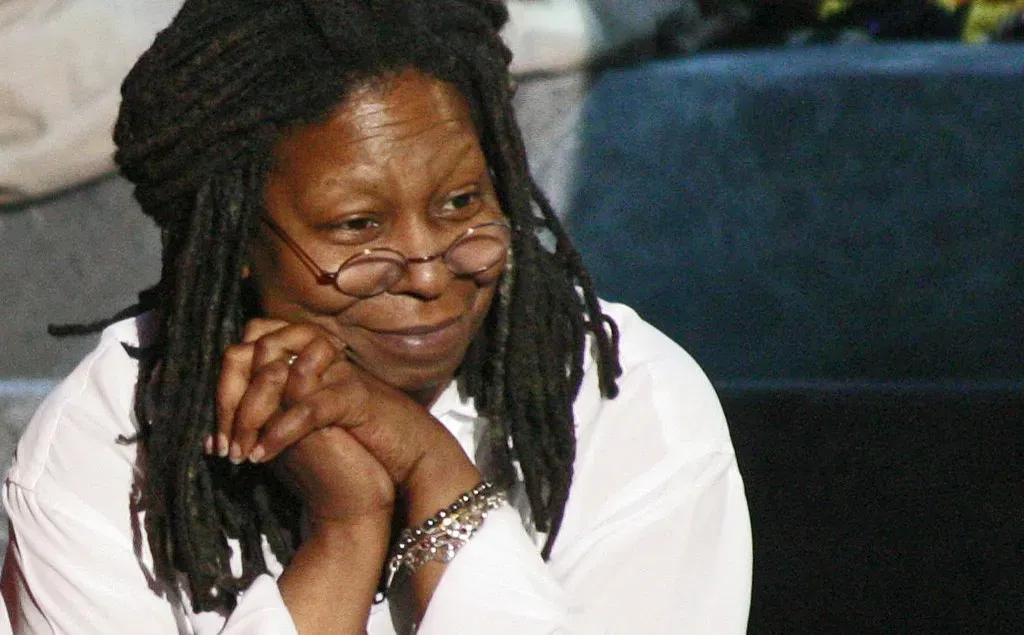
The 2023 film version of The Color Purple carries a layered history, since it draws from the 2005 Broadway musical, which itself was adapted from Alice Walker’s novel and the earlier 1985 Spielberg film. Director Blitz Bazawule leaned into surreal, dreamlike sequences that gave Celie’s inner world a visual richness that the stage production, constrained by set changes, couldn’t fully explore.
Fantasia Barrino, reprising her Tony-nominated stage role as Celie, brought a lived-in familiarity to the part that grounded the film’s more ambitious visual choices. The musical numbers on stage rely on the intimacy of live vocal performance to carry emotional weight, while the film uses editing and scale to build toward its most powerful moments, particularly in “I’m Here.” Both versions succeed at what they’re trying to do, though the film’s visual imagination gives it a slight edge in emotional impact for newer audiences unfamiliar with the stage history.
Wicked: the rare case of a film matching its Broadway reputation

Wicked became the highest-grossing live-action movie featuring an LGBTQ+ lead actor, the third highest-grossing film by Universal Pictures, and the highest-grossing movie based on a Broadway musical. That is a remarkable outcome for a stage show that has been running since 2003 and remains one of the most successful musicals in Broadway history. The film received ten Oscar nominations including Best Picture, with Grande nominated for Supporting Actress and Erivo for Lead Actress, winning two trophies for costumes and production design.
Cynthia Erivo and Ariana Grande’s performances gave the film an emotional core that matched, and arguably deepened, the stage version’s central friendship between Elphaba and Glinda. Director Jon M. Chu’s decision to split the story into two films allowed for a slower, more textured build than the stage musical’s condensed first act. The musical fantasy film, the first installment of a two-part adaptation of the stage musical of the same name, won the most awards at the National Board of Review with three, including Best Film and Best Director. For a franchise built on decades of stage devotion, the film adaptation managed something rare: it satisfied longtime fans while pulling in a massive new audience.
Final thoughts on stage versus screen
No single medium consistently wins this contest. Stage musicals thrive on immediacy, the unpredictable energy of a live performance that changes slightly every night. Films offer scale, intimacy through the camera, and the ability to reach audiences who will never see a Broadway marquee in person.
What these eight examples show is that the strongest adaptations, like Wicked and Chicago, understand what makes their source material work and then translate that strength into something cinema can do uniquely well. The weaker ones, like the Dear Evan Hansen film, often falter by trying to replicate stage intimacy in a format that magnifies every flaw. The real winner, in the end, tends to be whichever version respects what its own medium is actually good at.
Partner offer
Planning a trip to Vegas?
Compare hotel rates and show tickets on VEGAS.com.