Movie studios love inventing businesses. A made up logo on a wall, a nameplate on a skyscraper, or a slogan on a coffee mug can tell you a lot about a world before any character speaks. Some of these brands feel so believable that you could almost picture applying for a job there.
Think of this as a small gallery. Each frame below shows one fictional company, with a few details about what it does on screen and where it comes from. Try covering the film title in each section and guessing first.
Tyrell Corporation
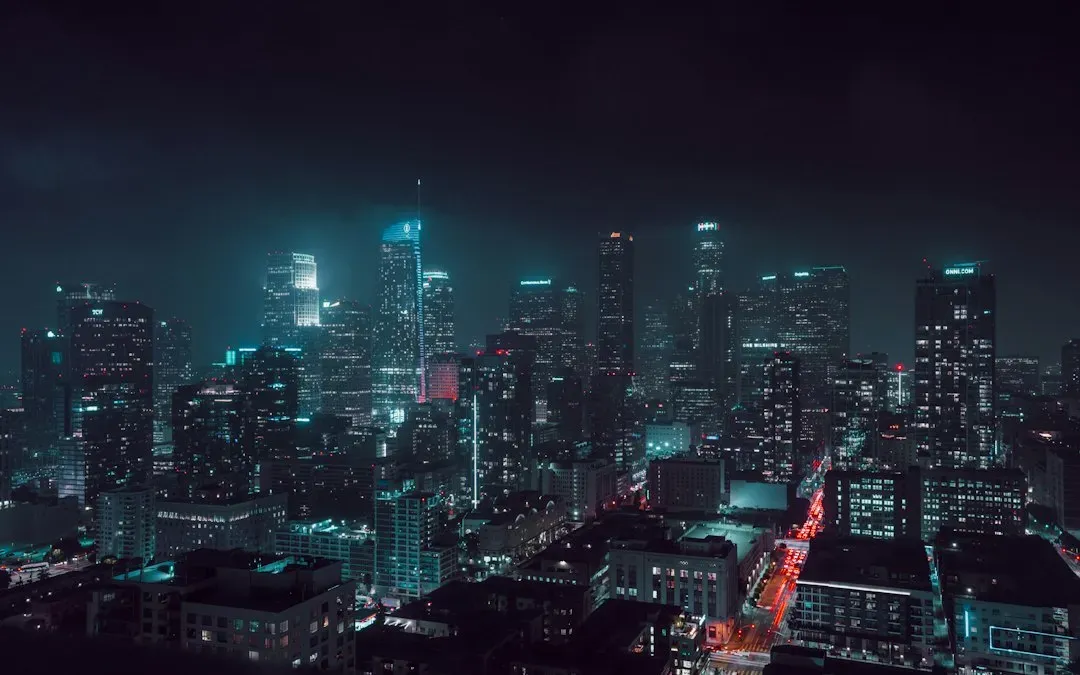
This is the company that builds replicants, the artificial humans at the center of Blade Runner. The film came out in 1982 and was directed by Ridley Scott. Its headquarters is a vast pyramid that towers over a rain soaked Los Angeles.
Eldon Tyrell, the founder, appears as a cold and curious creator. His motto about being more human than human has stuck with fans for decades. The brand returned in a different form in the 2017 sequel, Blade Runner 2049.
Cyberdyne Systems
Cyberdyne is the tech firm behind the military computer network Skynet. It takes center stage in Terminator 2: Judgment Day, released in 1991 and directed by James Cameron. The company’s research lab is where the story’s key technology is discovered.
Miles Dyson, a Cyberdyne engineer, is the man who unknowingly sets the machine uprising in motion. His storyline gives the film much of its moral weight. It also makes the company a classic warning about ambitious engineering.
Initech

Nothing about Initech looks glamorous. It’s a software company full of cubicles, fluorescent lights and endless paperwork, and it’s the workplace in Office Space from 1999. Mike Judge wrote and directed the film.
The memos about TPS reports became a pop culture shorthand for pointless bureaucracy. Peter Gibbons, played by Ron Livingston, is the bored employee at the center. Milton’s red stapler became so famous that a real version was later sold to fans.
Monsters, Inc.
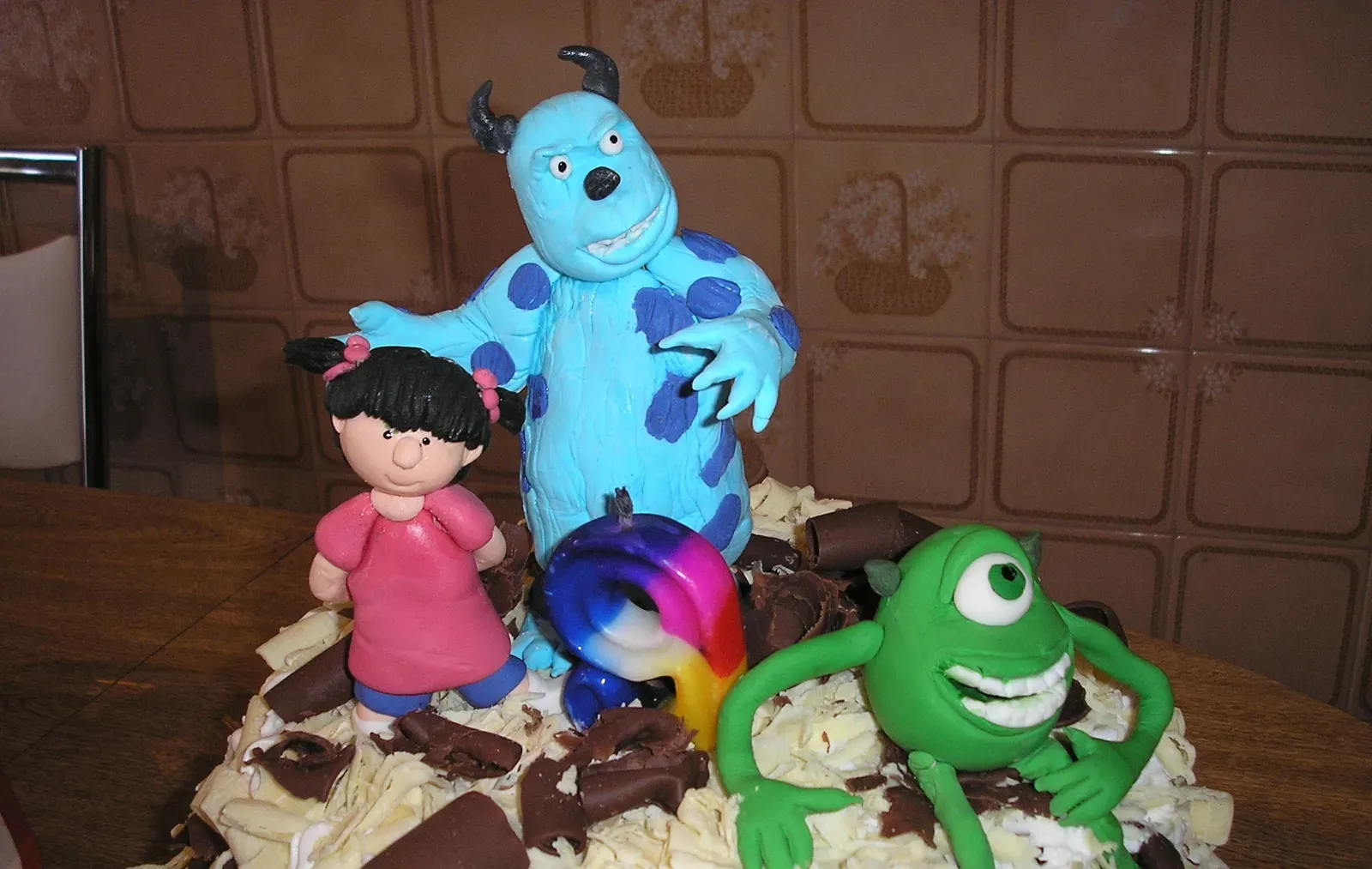
This one runs on screams. In the 2001 Pixar film that shares its name, the company powers the monster city of Monstropolis by collecting the screams of human children. Sulley and Mike Wazowski are its star employees.
The plot turns when the company’s whole business model is questioned. Eventually the monsters discover that laughter produces far more energy than fear. It’s a tidy example of an animated film using a corporate setting to tell a very warm story.
Umbrella Corporation
Umbrella presents itself as a pharmaceutical giant, yet it secretly develops biological weapons. The company comes from the Resident Evil video games by Capcom, and it appears in the 2002 film of the same name. Paul W.S. Anderson directed that movie, and Milla Jovovich played Alice.
In the story, a leaked T virus turns an underground research facility into a zombie filled trap. The red and white logo is one of the easiest to spot in horror. It launched a long film series that continued for several sequels.
Buy n Large

Buy n Large is the all consuming megacorporation in WALL·E, the 2008 Pixar film. It sells everything and has effectively taken over government functions on a polluted Earth. Its logo shows up on products, buildings and even starship signage.
The company’s decision to evacuate humanity aboard the Axiom starliner sets up the whole story. Passengers there drift through a comfortable, automated life. The film uses the brand as a gentle but pointed satire of consumerism.
Soylent Corporation
In Soylent Green, released in 1973, Soylent supplies food to a crowded and resource starved world. The film is set in the year 2022 and stars Charlton Heston as a police detective. His investigation leads right back to the company’s factories.
The reveal about what the product is made from is among the most famous twist endings in cinema. The film was loosely adapted from a novel by Harry Harrison. Its vision of overpopulation and scarcity has kept it relevant long after its fictional date has passed.
Omni Consumer Products

OCP is the conglomerate that runs, and basically owns, a decaying Detroit in RoboCop. Paul Verhoeven directed the 1987 film. The company has taken over the city’s police force and has plans to rebuild it as a gleaming development called Delta City.
Its executives treat law enforcement as a product line, which is exactly where the satire lands. The company also funds the creation of RoboCop himself. Few fictional firms feel quite so sharp in their critique of privatization.
Stark Industries
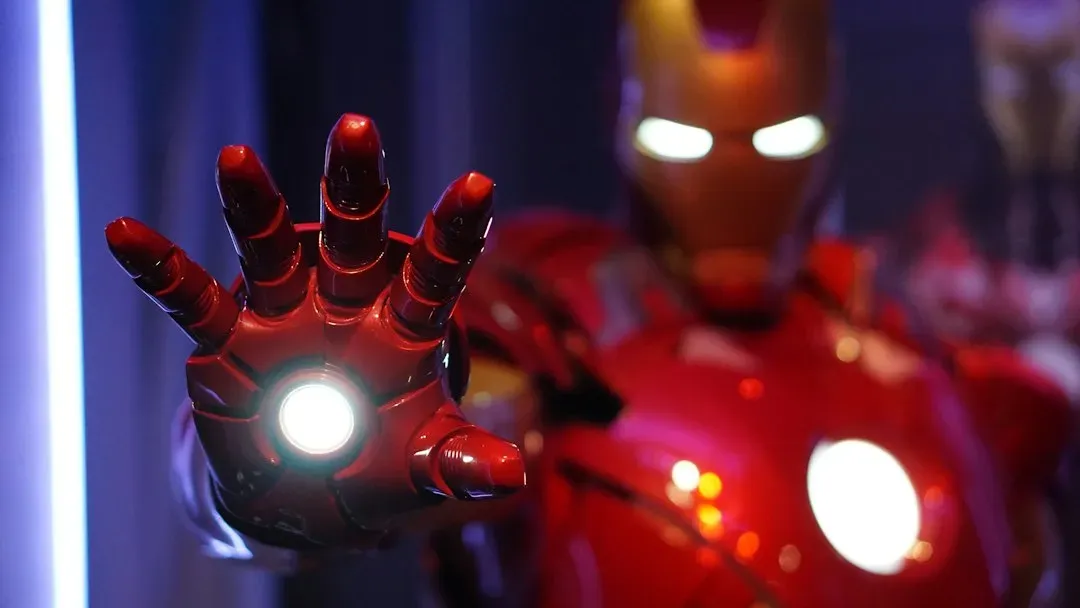
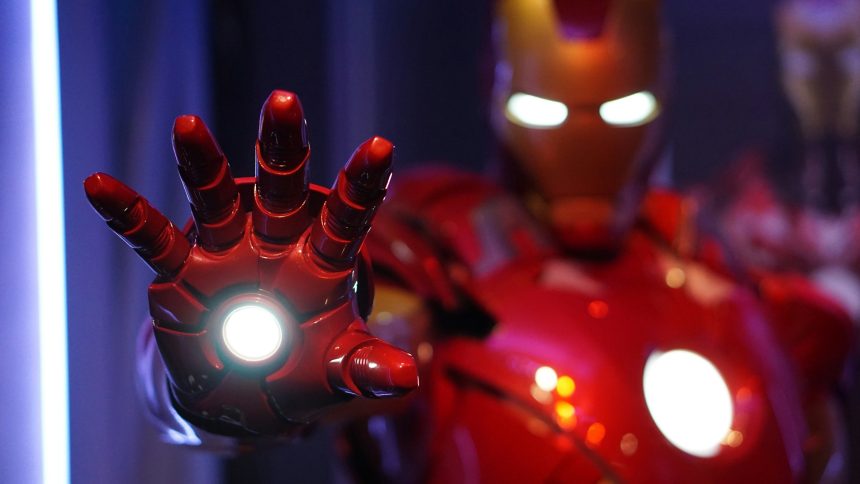
Stark Industries began as a weapons manufacturer, and it’s the company that launched the Marvel Cinematic Universe in Iron Man in 2008. Its head, Tony Stark, is a brilliant engineer and a billionaire. A captivity ordeal pushes him to change what the company stands for.
The firm appears again and again in later Marvel films. Its logo, technology and tower became fixtures across the franchise. It remains one of the most recognizable corporate brands in modern blockbuster filmmaking.
Bubba Gump Shrimp Company
The shrimp business comes from Forrest Gump, the 1994 film starring Tom Hanks. Forrest keeps a promise to his late army friend Bubba Blue and starts a shrimp boat operation. The venture eventually grows into a successful company.
This fictional brand later became real. A restaurant chain using the name opened in Monterey, California, in 1996, and it has operated locations around the world since. Few movie companies have crossed from screen to shopping district quite so literally.
Final Thoughts
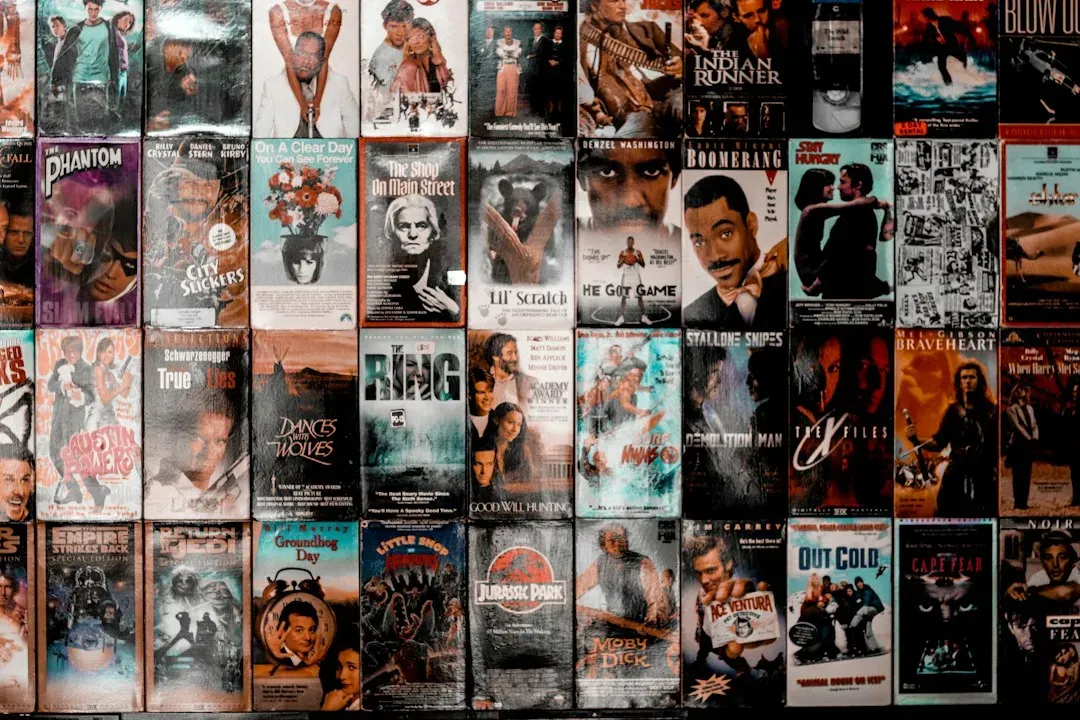
Ten logos, ten films, and a surprising range of tones, from satire to horror to family animation. If you recognized most of them, your movie memory is in good shape. If not, there’s a watch list waiting.