Thursday, 26 Nov 2026
Las Vegas News
  • About Us
  • Our Authors
  • Cookies Policy
  • Disclaimer
  • Contact Us
  • Privacy Policy
  • News
  • Politics
  • Education
  • Crime
  • Entertainment
  • Las Vegas
  • Las
  • Vegas
  • news
  • Trump
  • crime
  • entertainment
  • politics
  • Nevada
  • man
Las Vegas NewsLas Vegas News
Font ResizerAa
  • About Us
  • Our Authors
  • Cookies Policy
  • Disclaimer
  • Contact Us
  • Privacy Policy
Search
Have an existing account? Sign In
Follow US
© 2022 Foxiz News Network. Ruby Design Company. All Rights Reserved.
Entertainment

If You’ve Heard All 10 of These Jazz Albums, Your Record Collection Has Real Depth

By Matthias Binder November 26, 2026
If You've Heard All 10 of These Jazz Albums, Your Record Collection Has Real Depth
SHARE

Jazz has no official canon, and any list like this one reflects a bit of taste. Still, certain records keep turning up in conversations among musicians, critics and collectors, because they changed how other people played.

Contents
Kind of Blue by Miles DavisA Love Supreme by John ColtraneTime Out by the Dave Brubeck QuartetMingus Ah Um by Charles MingusBrilliant Corners by Thelonious MonkSaxophone Colossus by Sonny RollinsThe Shape of Jazz to Come by Ornette ColemanBlue Train by John ColtraneHead Hunters by Herbie HancockBitches Brew by Miles DavisWhere This Leaves You

The ten albums below span 1956 to 1973. They cover bebop’s aftermath, modal playing, free jazz, and the early days of fusion. If you’ve sat through all of them, you’ve covered a lot of the music’s ground.

Kind of Blue by Miles Davis
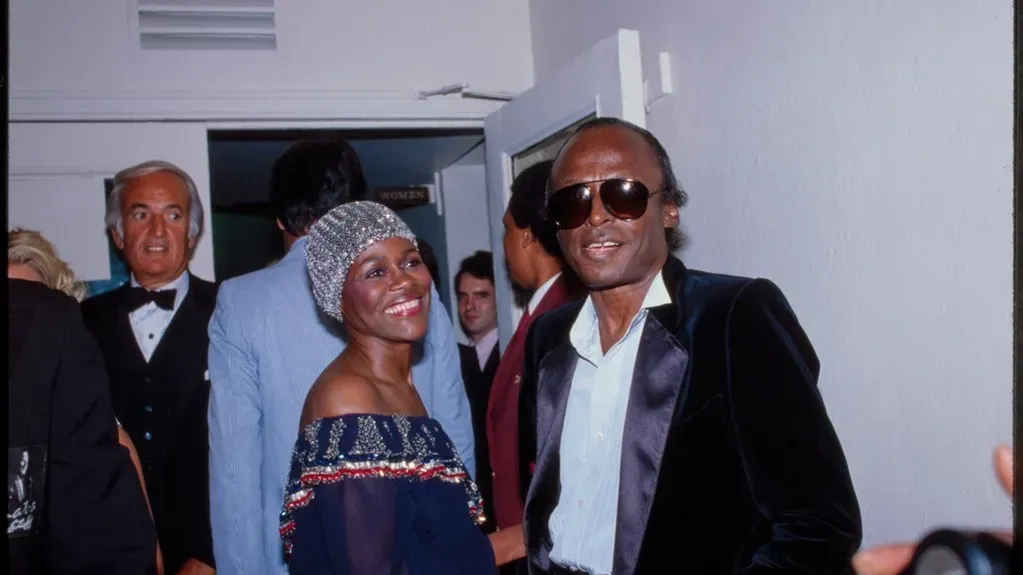
Kind of Blue by Miles Davis (Image Credits: Rawpixel)

Released in 1959 on Columbia, this is the album most people name first. Davis led a sextet that included John Coltrane, Cannonball Adderley, Bill Evans, Paul Chambers and Jimmy Cobb, with Wynton Kelly sitting in on one track.

Its calling card is modal jazz, where players improvise over a few scales instead of a fast stream of chord changes. The result sounds spacious and unhurried, which is why it still works as both a first jazz record and a lifelong favorite.

- Advertisement -

A Love Supreme by John Coltrane

A Love Supreme by John Coltrane (Image Credits: Pexels)

Recorded in December 1964 and released the following year on Impulse!, this is Coltrane’s spiritual statement. His classic quartet of McCoy Tyner, Jimmy Garrison and Elvin Jones plays it as a four part suite: Acknowledgement, Resolution, Pursuance and Psalm.

It’s intense, but it’s also surprisingly focused. Many listeners who find free jazz forbidding still connect with the album’s central bass riff and its sense of devotion.

Time Out by the Dave Brubeck Quartet

Time Out by the Dave Brubeck Quartet (Image Credits: Unsplash)

Time Out arrived in 1959 and made odd time signatures feel friendly. Take Five, written by saxophonist Paul Desmond, is in five four time, while Blue Rondo a la Turk moves in nine eight.

It became a rare jazz record that reached a mass audience, and the single Take Five became a hit. Even so, there’s real craft under the charm, especially in Joe Morello’s drumming.

Mingus Ah Um by Charles Mingus

Mingus Ah Um by Charles Mingus (Image Credits: Unsplash)

Mingus released this Columbia album in 1959, and it mixes gospel energy, blues, swing and sharp social commentary. Goodbye Pork Pie Hat is a tribute to Lester Young, while Fables of Faubus takes aim at Arkansas governor Orval Faubus.

- Advertisement -

The band feels loose but never sloppy, which was Mingus’s trademark. If you want to hear a bandleader shaping a whole ensemble rather than just showcasing soloists, start here.

Brilliant Corners by Thelonious Monk
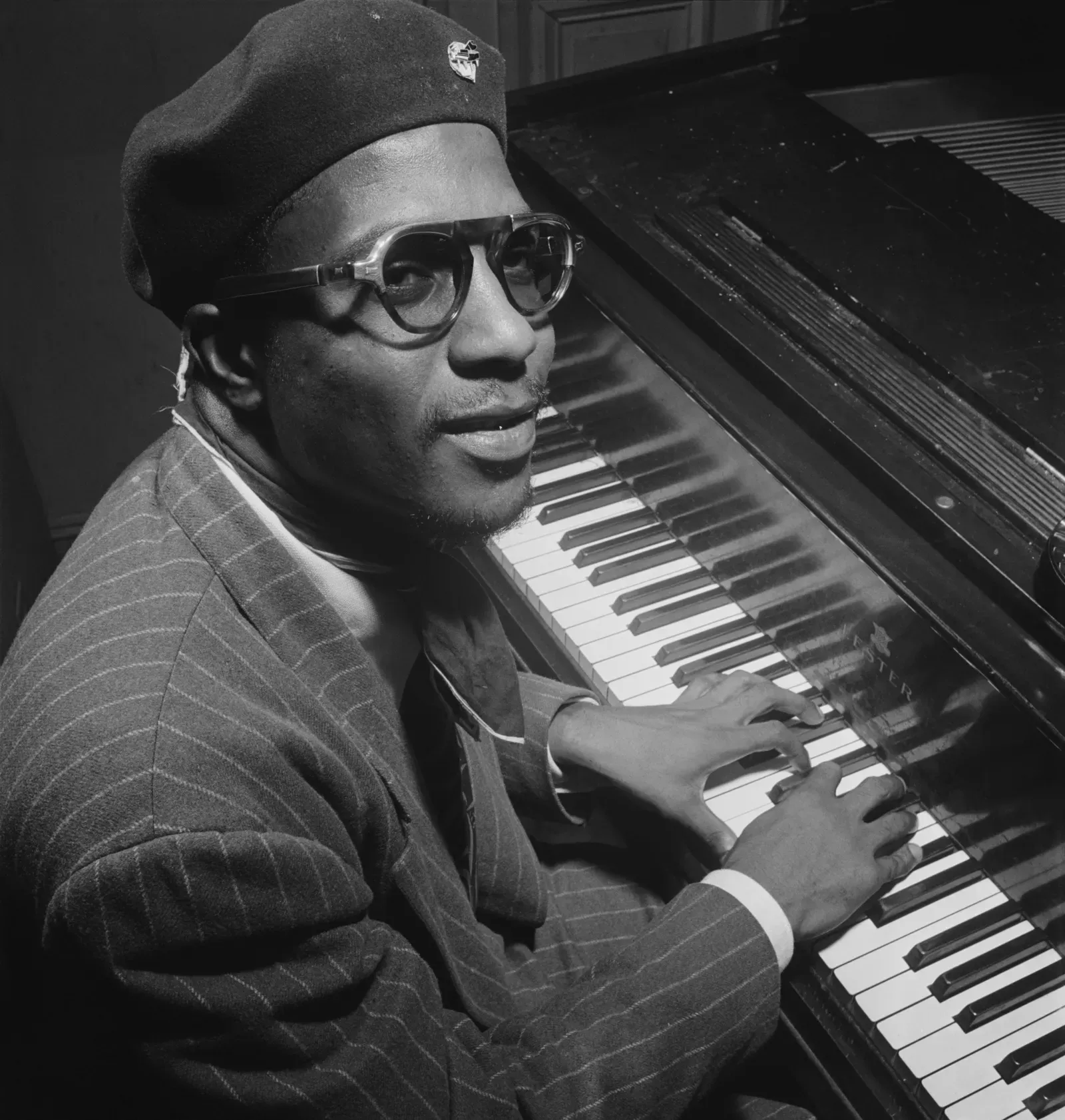
Brilliant Corners by Thelonious Monk (This image  is available from the United States Library of Congress's Music Division under the digital ID gottlieb.06191.This tag does not indicate the copyright status of the attached work. A normal copyright tag is still required. See Commons:Licensing., Public domain)
Brilliant Corners by Thelonious Monk (This image is available from the United States Library of Congress’s Music Division under the digital ID gottlieb.06191.This tag does not indicate the copyright status of the attached work. A normal copyright tag is still required. See Commons:Licensing., Public domain)

Monk recorded this for Riverside in 1956 and 1957, and it is famously difficult to play. The title track reportedly needed so many takes that the released version was assembled from pieces, a fact that tells you how tricky the tune is.

Sonny Rollins and Max Roach are on the session, and the angular melodies sound like nobody else’s. Monk’s odd spacing and sudden silences are exactly the point.

- Advertisement -

Saxophone Colossus by Sonny Rollins

Saxophone Colossus by Sonny Rollins (Image Credits: Pexels)

Recorded for Prestige in 1956, this record shows Rollins at a peak of confidence. Tommy Flanagan, Doug Watkins and Max Roach make up the rhythm section, and the Caribbean flavored St. Thomas is the best known track.

Rollins builds long solos by developing small melodic ideas, rather than just running through scales. It’s a great listen for anyone curious about how improvisation can feel structured.

The Shape of Jazz to Come by Ornette Coleman
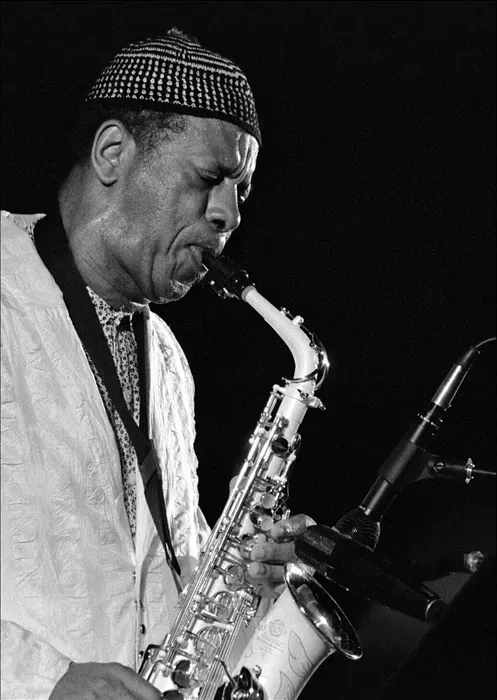
The Shape of Jazz to Come by Ornette Coleman (Ornette Coleman, CC BY-SA 2.0)

The Atlantic release of 1959 was a provocation, and its title said so. Coleman’s quartet, with Don Cherry, Charlie Haden and Billy Higgins, had no piano, which left the harmony open and the improvisation less tied to chord progressions.

Some listeners at the time were baffled, and some musicians were furious. Today it sounds more melodic than its reputation suggests, and Lonely Woman remains the doorway in.

Blue Train by John Coltrane
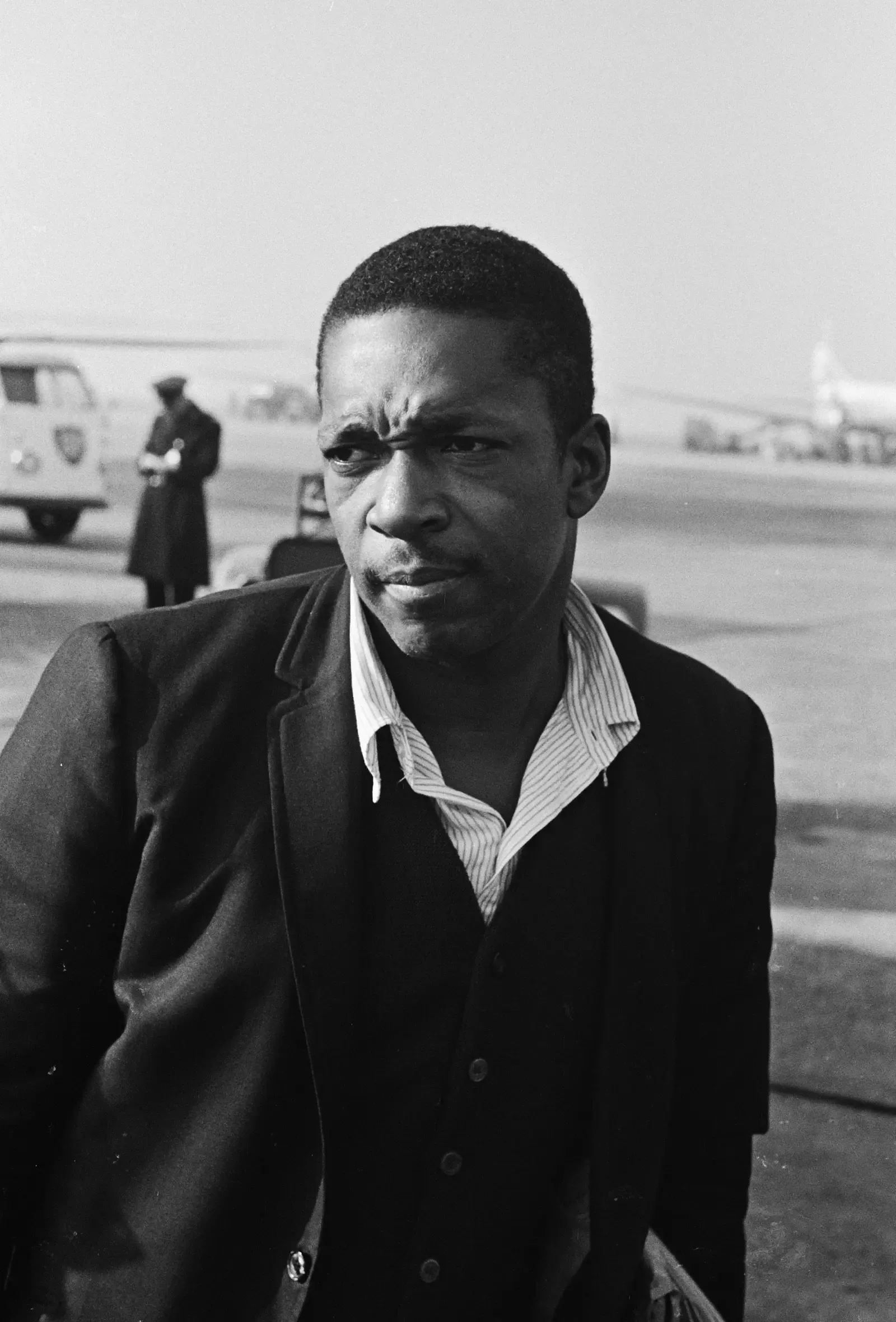
Blue Train by John Coltrane ([1] Dutch National Archives, The Hague, Fotocollectie Algemeen Nederlands Persbureau (ANeFo), 1945-1989, Nummer toegang 2.24.01.05 Bestanddeelnummer 915-6748, CC0)

Coltrane made this in 1957, and it’s his only album as a leader for Blue Note. The band includes trumpeter Lee Morgan, trombonist Curtis Fuller, pianist Kenny Drew, bassist Paul Chambers and drummer Philly Joe Jones.

It’s a hard bop record, driven and bluesy, and it’s more approachable than his later work. The title track’s horn arrangement is one of the most recognizable in the genre.

Head Hunters by Herbie Hancock

Head Hunters by Herbie Hancock (Image Credits: Wikimedia)

Hancock’s 1973 Columbia album moved jazz toward funk, with synthesizers, clavinet and heavy grooves. Chameleon and a reworked Watermelon Man are the standouts, and the band featured Bennie Maupin, Paul Jackson and Harvey Mason.

It is widely described as one of the best selling jazz albums of its era. Purists argued about it, but its rhythms later turned up all over hip hop sampling.

Bitches Brew by Miles Davis
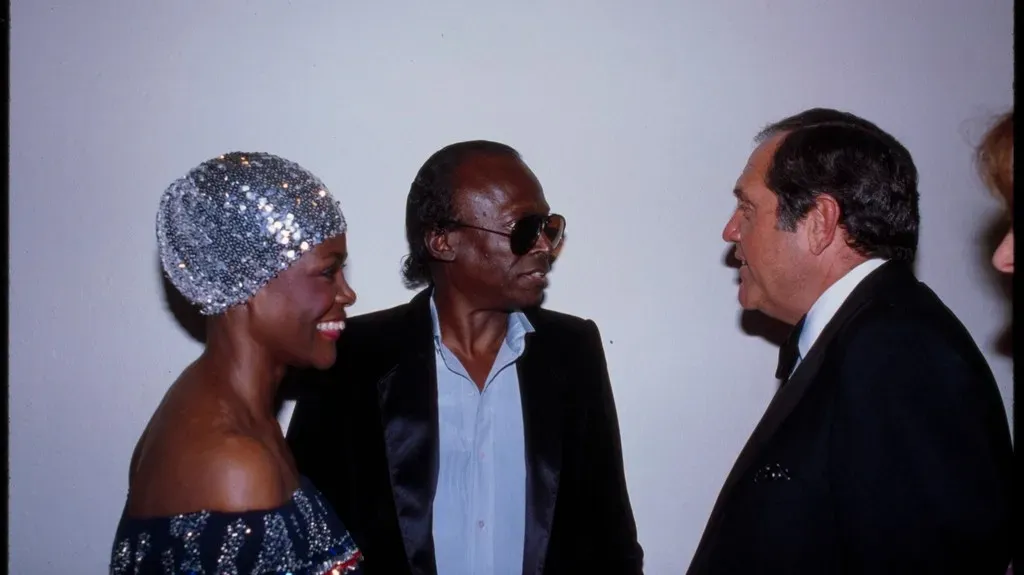
Bitches Brew by Miles Davis (Image Credits: Rawpixel)

Recorded in August 1969 and released in 1970, this double album helped define jazz fusion. Davis brought in electric pianos, electric guitar and multiple drummers, and producer Teo Macero shaped the long sessions through heavy editing.

It’s dense, noisy and sometimes hypnotic, and it divided critics when it appeared. Still, it opened a path that Weather Report, Mahavishnu Orchestra and many others would follow.

Where This Leaves You

Where This Leaves You (Image Credits: Unsplash)

These ten records trace a clear arc, from hard bop and modal jazz through free playing to electric fusion. Hearing them all means you’ve followed the music through most of its major turns between 1956 and 1973.


Previous Article Can You Name These 10 Classic Films From Their Taglines? Can You Name These 10 Classic Films From Their Taglines?
Next Article If You Recognize These 7 Commercial Jingles, You Grew Up in the '70s or '80s If You Recognize These 7 Commercial Jingles, You Grew Up in the ’70s or ’80s
Advertisement
Advertisement
Advertisement
Can You Name the Film From These 10 Fictional Companies?
Entertainment
If You Recognize These 7 Commercial Jingles, You Grew Up in the '70s or '80s
If You Recognize These 7 Commercial Jingles, You Grew Up in the ’70s or ’80s
Entertainment
Can You Name These 10 Classic Films From Their Taglines?
Entertainment
10 Albums That Sold Poorly on Release and Are Now Regarded as Classics
Entertainment
8 Box Office Disappointments of the 1980s That Found Audiences on Cable
Entertainment
Categories
Archives
November 2026
M T W T F S S
 1
2345678
9101112131415
16171819202122
23242526272829
30  
« Oct    
- Advertisement -

You Might Also Like

Entertainment

Go well with up! Met Gala reveals gown code and a slate of recent celeb hosts

February 5, 2025
11 Movie Scenes That Accidentally Captured Something Real
Entertainment

11 Movie Scenes That Accidentally Captured Something Real

September 16, 2026
The Real Reason 7 Famous Bands Broke Up
Entertainment

The Real Reason 7 Famous Bands Broke Up

October 1, 2026
Entertainment

The Gaza warfare is paused, however Israel and Hamas sustain a fierce battle of optics over hostage releases

February 2, 2025

Interested in working with us? Explore Advertising Opportunities.

© Las Vegas News. All Rights Reserved – Some articles are generated by AI.

A WD Media Brand.

Welcome to Foxiz
Username or Email Address
Password

Lost your password?