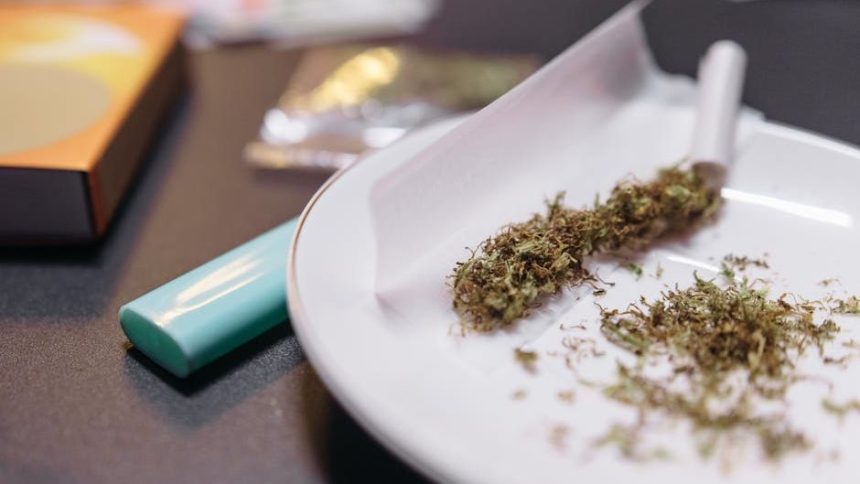
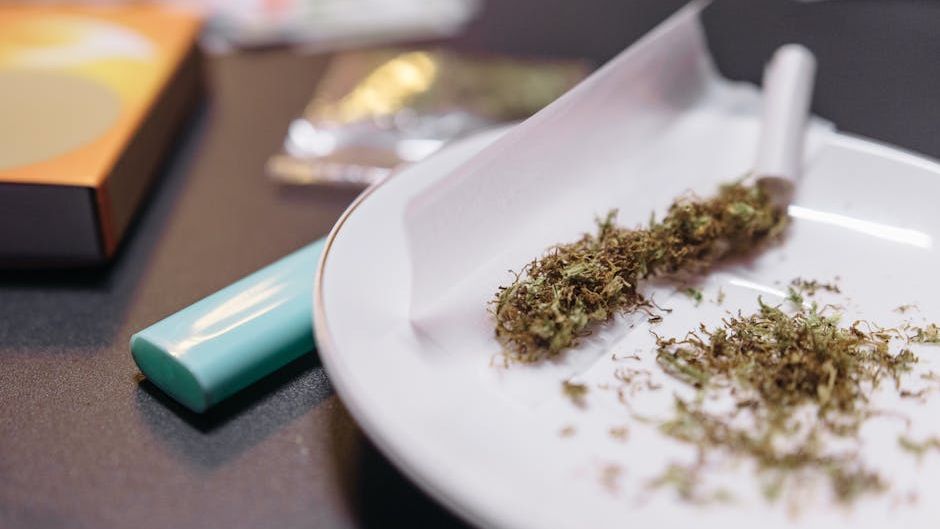
Think microdosing is about mushrooms and LSD? New research says otherwise – Image for illustrative purposes only (Image credits: Pexels)
Quietly, in kitchens and living rooms nationwide, a significant number of Americans have turned to tiny doses of cannabis for subtle effects. Researchers at the University of California, San Diego unveiled findings from the first large-scale national survey on the practice this week, revealing that cannabis microdosing eclipses the use of substances like psilocybin and LSD.[1] The study, published in the American Journal of Preventive Medicine, estimates that 24 million adults have tried it, reshaping assumptions about who microdoses and why.[2]
Unexpected Scale of the Practice
The survey captured lifetime microdosing rates that surprised even the investigators. About 9.4 percent of U.S. adults reported intentionally consuming small amounts of cannabis at some point, a figure that translates to roughly 24.1 million people.[1] This marked the highest prevalence among the substances examined.
Psychedelics trailed behind. Lifetime use stood at 5.3 percent for psilocybin, or magic mushrooms; 4.8 percent for LSD; and 2.2 percent for MDMA.[2] Ongoing microdosing appeared less frequent overall, with 3.3 percent of adults still using small cannabis doses regularly, compared to 1 percent or less for the others.
Defining Microdosing and How the Data Emerged
Investigators defined microdosing as taking one-fifth to one-twentieth of a typical recreational dose, aiming for benefits like better mood or focus without intense psychoactive effects. The data came from a 2023 Ipsos KnowledgePanel survey of 1,525 representative U.S. adults, weighted to reflect the national population.[1]
Participants answered directly about ever microdosing cannabis, psilocybin, LSD, or MDMA. This probability-based approach provided the most reliable estimates to date, filling a gap in prior research that focused heavily on anecdotal reports or smaller samples.
Such precision revealed patterns obscured before. Cannabis emerged not just as common but dominant, nearly twice as prevalent as any psychedelic option. The cross-sectional design offered a snapshot, though it left questions about long-term trends unanswered.
Motivations Reveal Key Differences
Reasons for microdosing varied sharply by substance, highlighting distinct user intentions. For cannabis, medical purposes led: 41 percent cited managing anxiety, depression, or chronic pain.[2] Recreational motives followed, often simply to “get less high.”
Psychedelics leaned recreational. Two-thirds of psilocybin users and nearly 60 percent of LSD users sought milder experiences, with medical claims rarer. MDMA followed suit, at 86 percent recreational.[1] Overall, recreation edged out health goals across the board.
This contrast challenged stereotypes. While psychedelics dominate microdosing discussions for creativity or therapy, cannabis users pursued practical relief more often. Yet both groups shared a core appeal: subtle enhancement without overwhelm.
- Cannabis: Anxiety relief, pain management, milder high
- Psilocybin: Less intense trip, curiosity
- LSD: Subtle mood boost, recreation
- MDMA: Controlled effects
Strong Links to Mental Health and Policy Environments
Microdosing correlated closely with self-reported mental health. Adults describing their mental state as “poor” microdosed cannabis at 21 percent, versus 8 percent among those rating it “excellent.”[1] Similar gaps appeared for other substances.
Location mattered too. Psychedelic microdosing rose in areas with decriminalization, while cannabis use tracked recreational legalization states. Federal illegality persisted, yet these patterns signaled shifting norms.
Key Takeaways:
- Cannabis microdosing: 9.4% lifetime prevalence (24 million adults)
- More common with poorer mental health
- Medical reasons prominent for cannabis; recreational for psychedelics
- Need for more rigorous trials on benefits and risks
Expert Insights and Calls for Caution
“Microdosing is often discussed in the context of psychedelics like psilocybin or LSD, but what surprised us most was that cannabis microdosing was almost twice as common,” said Kevin Yang, MD, the study’s first author and a psychiatry resident at UC San Diego.[1] He noted this overlooked a vast cannabis-using cohort.
Senior author Eric Leas, PhD, MPH, emphasized recreation’s role: “Most people are microdosing for recreational purposes. They may just want to take less, so they don’t want to get as high.”[3] Both urged caution, citing scant evidence from placebo-controlled trials and risks like adulterated products or dosing errors.
The cross-sectional limits precluded proving causation – did mental struggles spur microdosing, or vice versa? Researchers called for longitudinal studies amid policy shifts. As legalization spreads, surveillance grows essential to guide public health without hype.
These revelations arrive as cannabis access expands and psychedelics gain therapeutic traction. Whether microdosing proves a harmless tweak or harbors unseen perils, the practice demands measured scrutiny over enthusiasm.