Every iconic performance feels inevitable once it hits the screen. Yet behind almost every star-making role sits a messier reality: a studio pushing for someone else, a scheduling conflict, or an executive who simply couldn’t picture the eventual star in the part. Casting directors and directors have spent decades unpacking these near-misses in interviews, and the paper trail is surprisingly well documented. What follows are eight cases where the actor now inseparable from a role almost never got the chance to play it. Some stories involve a rival contender who backed out at the last second. Others involve outright resistance from the people footing the bill.
1. Harrison Ford almost wasn’t allowed to audition for Han Solo
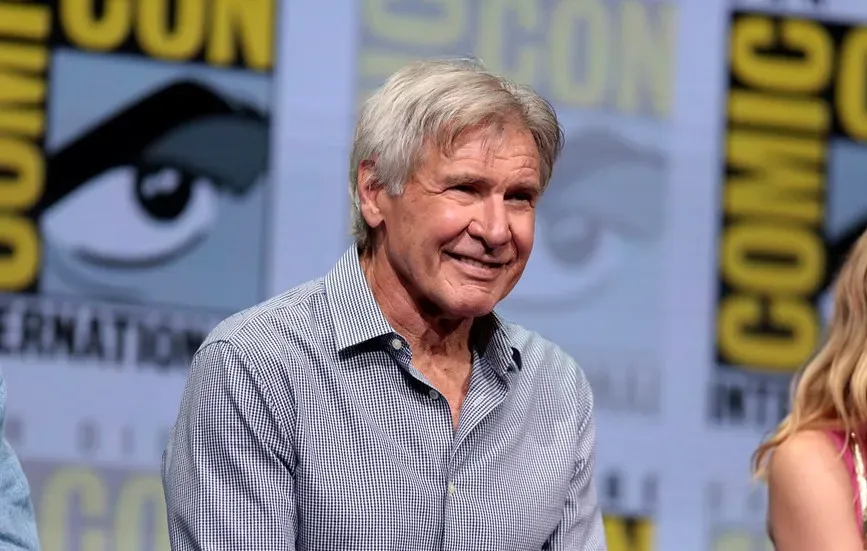
George Lucas had a strict rule while casting Star Wars in 1976: no actors from American Graffiti, his previous film, would be considered. Lucas did not want to use any familiar faces that he previously worked with for American Graffiti, so Ford was not allowed to audition, but Lucas did ask him to read lines with other actors who were auditioning. Ford was working as a carpenter at the time, and casting director Fred Roos arranged for him to build a door at the office where the sessions were happening.
Roos suggested Harrison Ford to Lucas, believing he was perfect for the galactic smuggler, but Lucas was still set on looking for new faces, partly because he felt he hadn’t really gotten to know him. Ford ended up reading Han’s lines opposite dozens of actors auditioning to play Luke Skywalker, including names like Kurt Russell, Christopher Walken, and Nick Nolte who were being considered for Solo himself. Some 500 people later, it slowly became apparent that when Harrison Ford kept playing Han Solo for the actors, his grasp of the script, natural wit, and handsome charm were unbeatable. Lucas eventually gave in, and the role that almost skipped him entirely became the launchpad for one of the most recognizable careers in film history.
2. Hugh Jackman got Wolverine only after another actor’s schedule fell apart
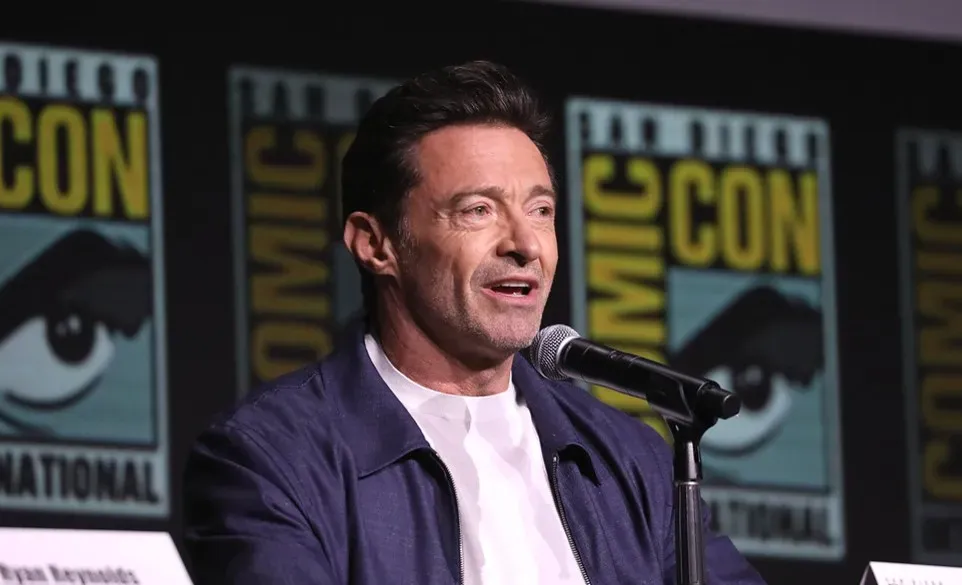
Before Hugh Jackman was Wolverine, the role in Bryan Singer’s 2000 X-Men belonged to someone else entirely. Director Bryan Singer had actually cast Scottish actor Dougray Scott as Logan for the original 2000 X-Men movie. Scott was locked into the part and had already begun preparing for it.
The problem was timing. Scott was supposed to play the mutant; however, he couldn’t free himself from Mission: Impossible II, which was behind schedule. That production delay opened the door for Jackman, who at the time was a largely unknown Australian stage actor. Hugh Jackman was a nobody before winning the part of Wolverine, which defined his career for the better part of two decades, culminating in a franchise that ran until 2024’s Deadpool & Wolverine.
3. Kate Winslet had to fight James Cameron to become Rose in Titanic
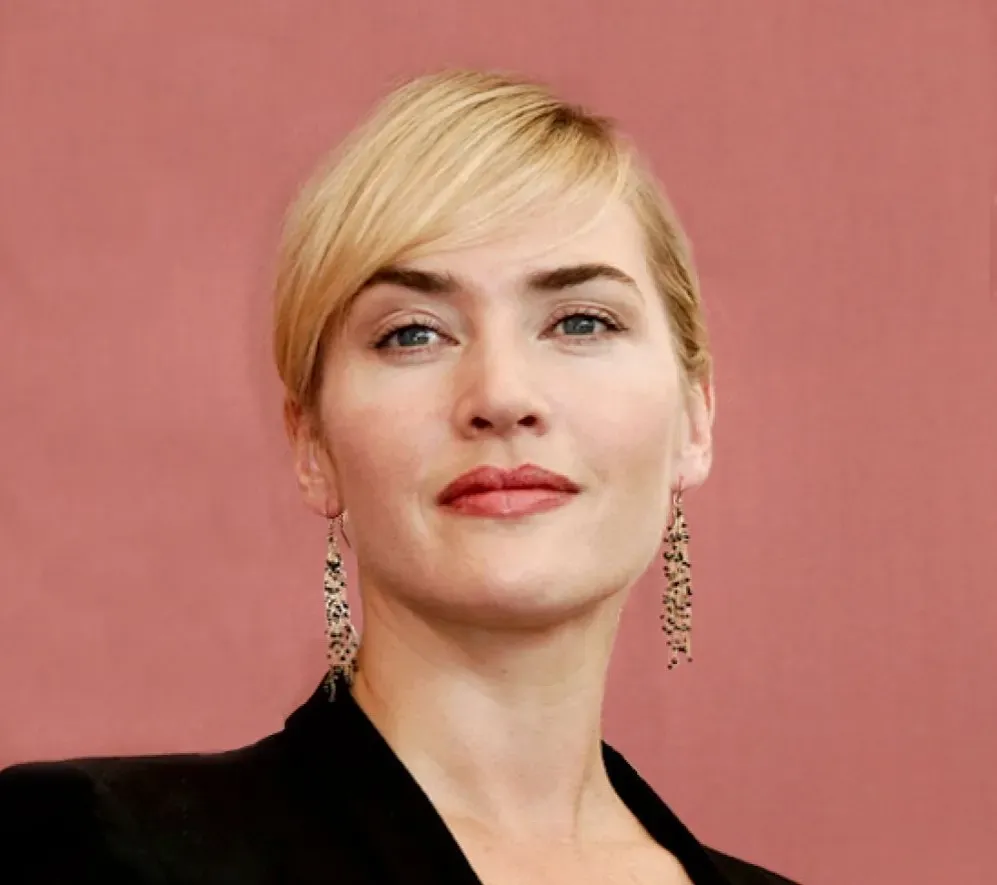
Winslet wasn’t unknown when Titanic came calling in 1996, but she was hardly the global star the film would make her. James Cameron actually had other actresses in mind first. James Cameron must have had Jane Austen heroines on the brain when casting his Rose: Paltrow, who starred in Emma, said no to the part; Kate Winslet, Oscar nominated for Sense and Sensibility, won it after lobbying Cameron daily.
Gwyneth Paltrow later gave a more nuanced account of her own near-casting, telling Howard Stern that “I think I was really in contention for it, I was one of the last two.” Winslet’s persistence paid off in a way few could have predicted. The film became the highest-grossing movie of its era and earned her an Oscar nomination, turning a promising British actress into one of the biggest names in the industry.
4. Julia Roberts almost lost Pretty Woman before she ever got near it
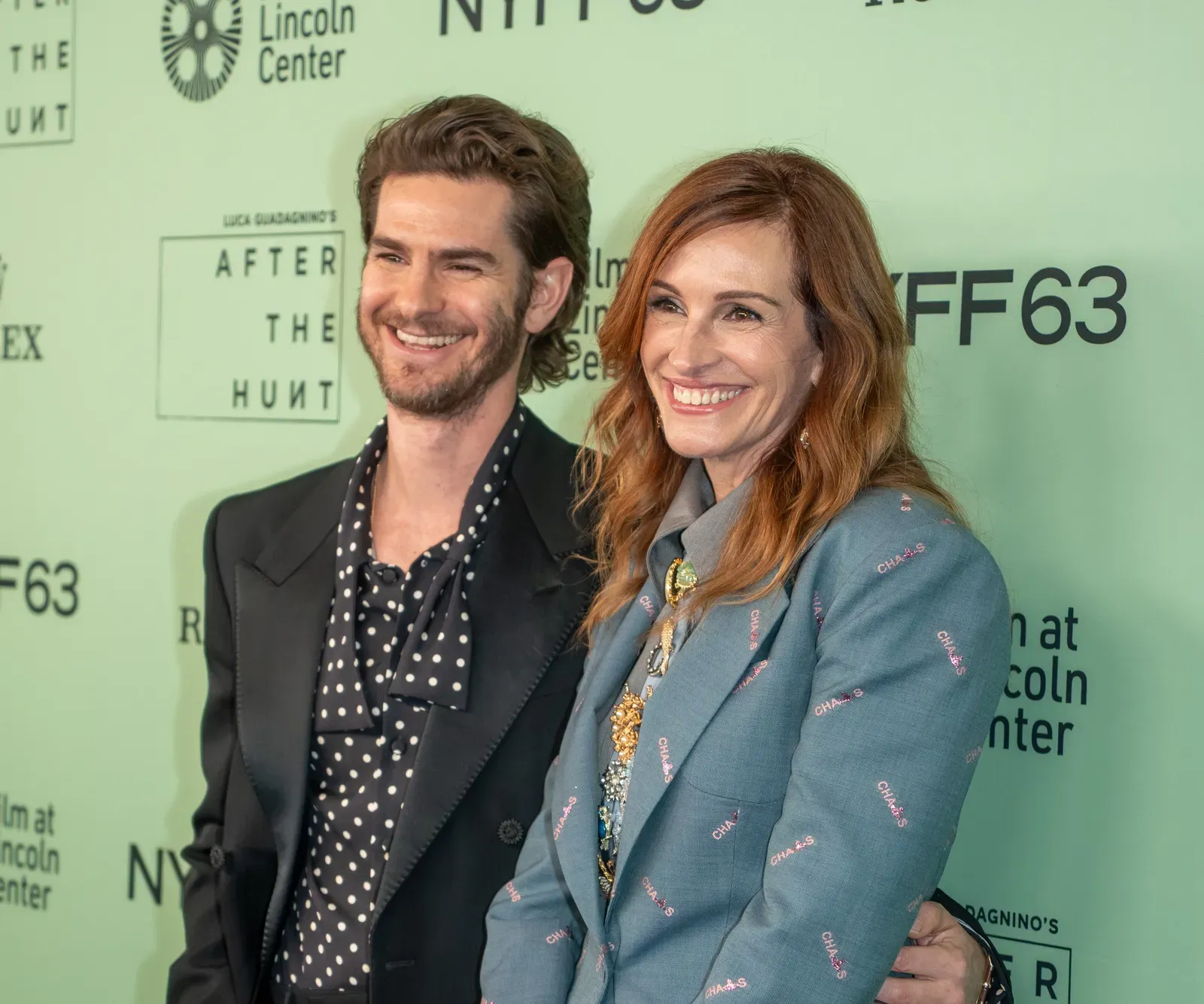
Pretty Woman is now synonymous with Julia Roberts, but the script passed through several hands before reaching her. According to reporting on the film’s development, Molly Ringwald read the material first and turned it down because she found the premise distasteful. Ringwald read the script and thought it was “icky,” the whole prostitution and “renting for a week” kind of thing, and then the studio’s top choice became Meg Ryan, who wasn’t willing to compromise her newly established “America’s Sweetheart” image.
Diane Lane came closest of anyone before Roberts. Diane Lane came closest to being cast; she even did the costume fittings, and after they hit a dead-end, they settled for a mostly unknown 21-year-old Julia Roberts. That casting decision reshaped Roberts’ career overnight, turning a relatively new face into one of the most bankable stars of the 1990s.
Partner offer
5. Jennifer Aniston nearly lost Rachel Green before Friends even aired
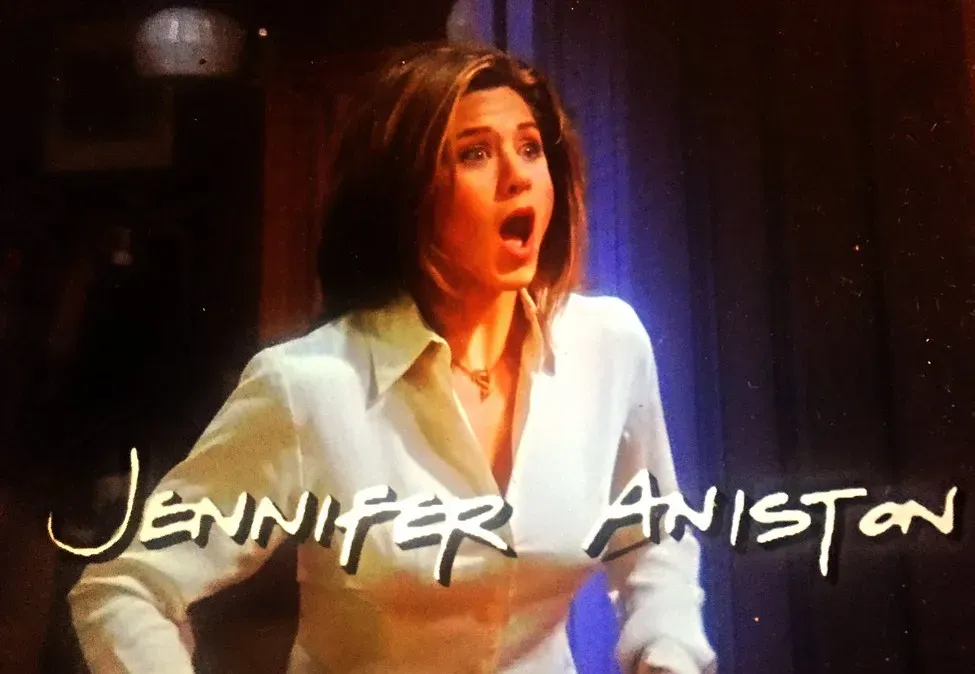
It’s difficult to imagine Friends without Jennifer Aniston, yet the casting process for Rachel Green went further with another actress than most fans realize. The Saved by the Bell star Tiffani Thiessen came very close to starring as Rachel Green on the hit sitcom, and she revealed she auditioned and was screen-tested for the role.
The deciding factor came down to age and chemistry with the rest of the cast. Being 20 at the time, Thiessen said they felt she was “just a little too young” to be paired with the other castmembers, and a then-25-year-old Jennifer Aniston got the role instead. That decision turned out to define a decade of television and made Aniston one of the most recognizable sitcom stars of her generation.
6. Renee Zellweger’s Jerry Maguire breakout almost belonged to Connie Britton
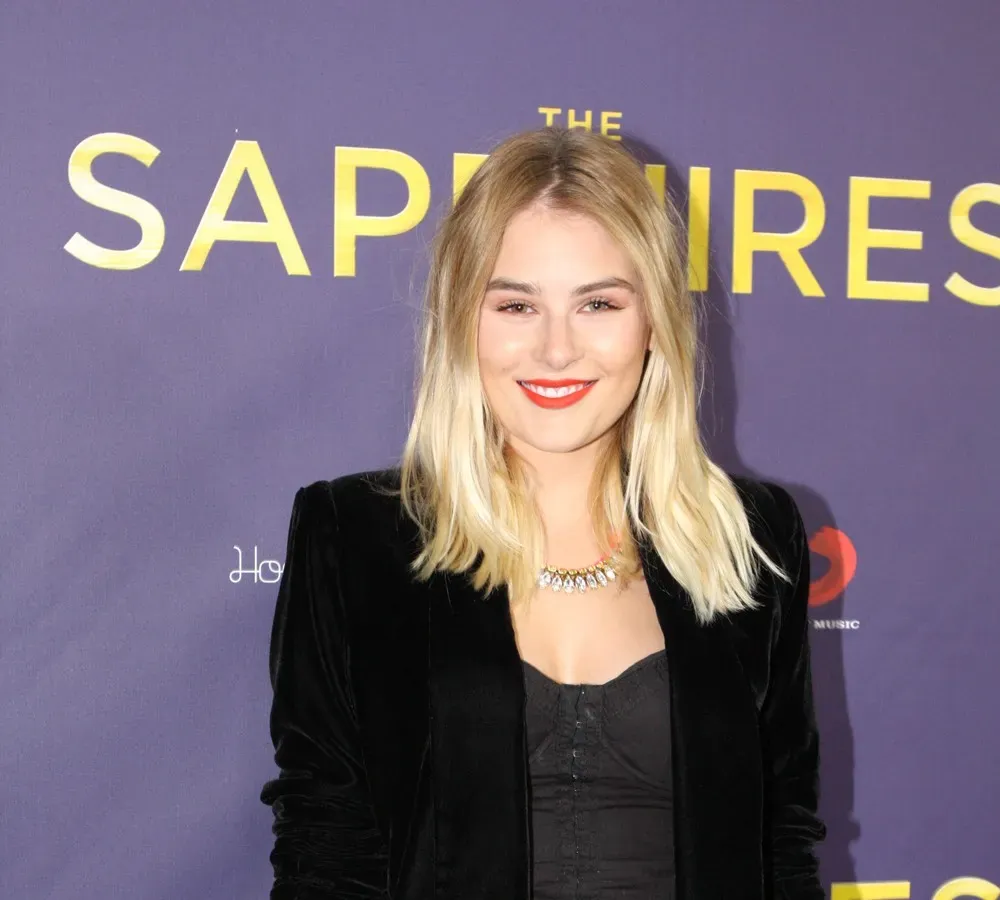
Long before she became a Nashville and Friday Night Lights fixture, Connie Britton was in serious contention for the role that eventually made Renee Zellweger a household name. Nashville star Connie Britton didn’t land the role in Jerry Maguire that put Renee Zellweger on the map. Britton was confident enough in the audition that she immediately told her agent about it afterward.
The disappointment stayed with her for years. Britton told The New York Times, “I walked into my brand-new agent’s office the next day, and I put the script down on his desk, and I was like, ‘I have two words for you: Jerry Maguire,'” and described the moment they passed on her as “heartbreak.” Zellweger’s performance opposite Tom Cruise ultimately became a defining moment of her early career, proving how thin the margin can be between two actresses chasing the same part.
7. Bryan Cranston had to overcome a network that didn’t trust him
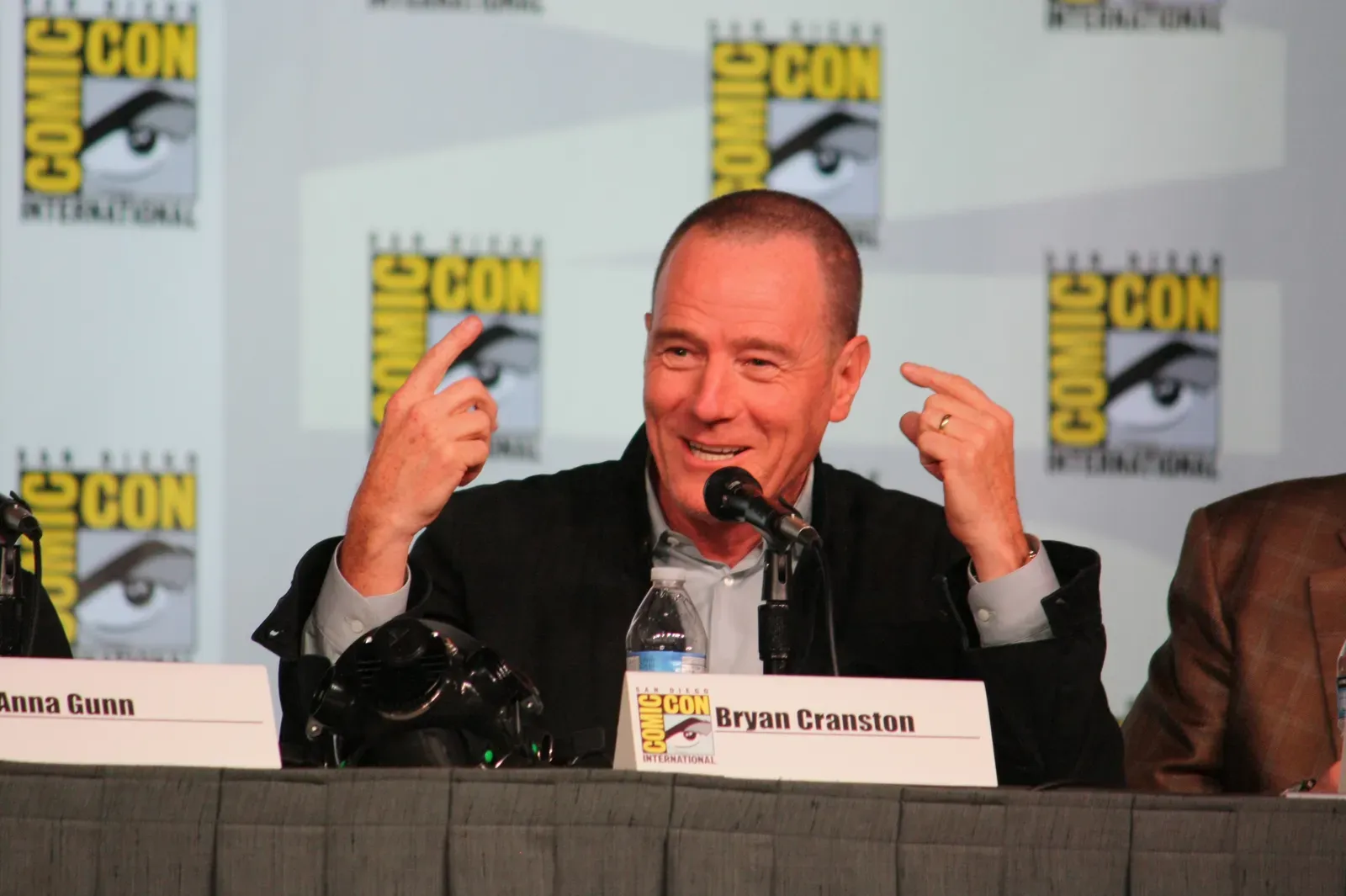
Before Breaking Bad, Bryan Cranston was best known to television audiences as the goofy father on Malcolm in the Middle, and that reputation nearly cost him the role that would redefine his career. AMC executives were absolutely terrified of casting Bryan Cranston as the mild-mannered teacher turned meth kingpin Walter White, since to the public he was exclusively known as the goofy, bumbling dad from the sitcom.
Series creator Vince Gilligan had to push hard against that skepticism, insisting Cranston was the only actor who could pull off Walter White’s transformation from mild chemistry teacher to feared drug manufacturer. The gamble paid off in a way few network executives could have anticipated. Cranston’s performance became one of the greatest achievements in television history for this particular role, earning him multiple Emmy wins and cementing Breaking Bad as one of the most acclaimed dramas ever made.
8. Robert Downey Jr. had to fight Marvel’s own hesitation to become Iron Man
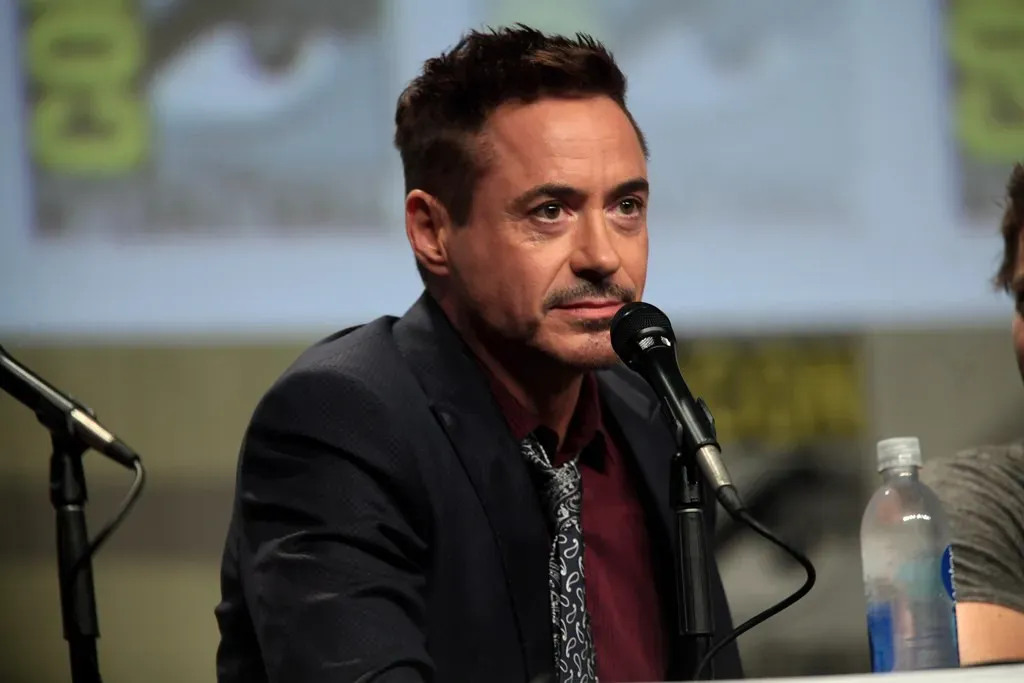
Before Robert Downey Jr. put on the suit in 2008, Marvel’s first instinct was to go with a far safer choice. The role of Tony Stark was actively pitched to Tom Cruise, who flirted with the project for years before passing because he felt it didn’t align with his vision. When Cruise moved on, studio executives were reluctant to hand the part to Downey given his well-publicized personal struggles.
Marvel executives wanted a safe, dependable star and vehemently opposed Downey due to his highly publicized, turbulent history with addiction and legal trouble. Director Jon Favreau pushed back, betting that Downey’s own history of hitting bottom and rebuilding would give Tony Stark’s arc real weight. Favreau knew that Downey’s real-life journey of destruction and redemption perfectly mirrored Tony Stark’s comic book arc, and that instinct ended up launching an entire cinematic universe with Downey as its central face for more than a decade.
What these near-misses actually reveal
Partner offer
Planning a trip to Vegas?
Compare hotel rates and show tickets on VEGAS.com.