
An audition room is usually smaller and quieter than actors expect. A table, a camera, a reader, and one or two people who have already watched dozens of tapes that day. In that setting, small behaviors stand out more than they would on a busy set.
Casting professionals rarely say these things out loud to the person in front of them. Still, many of them have shared the same patterns over the years in workshops, interviews, and guild resources. Here are six habits that tend to get noticed, for better or worse.
Arriving Unprepared With the Material

Casting directors can tell quickly whether you’ve actually read the sides. Stumbling over lines, staring at the page, or missing the tone of the scene suggests you didn’t spend time with it. Memorizing isn’t always required, but familiarity is.
Preparation also means understanding the project’s genre and where your scene sits in the story. An actor who knows the scene is a comedic beat plays it differently from one who guesses. That context is usually in the breakdown or the notes you were sent, so it’s worth reading closely.
Ignoring the Technical Instructions
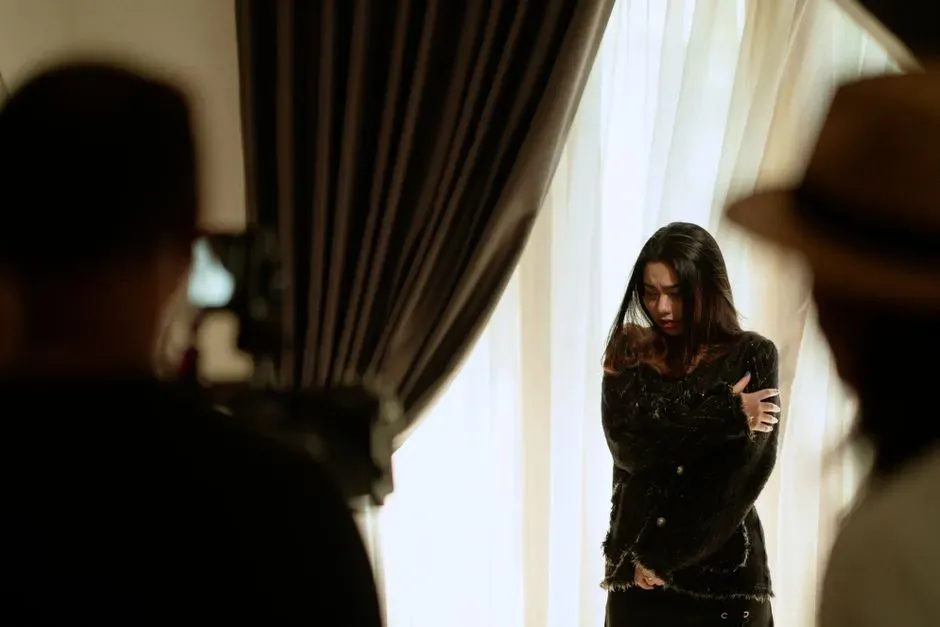
Self-tapes are now a standard first step for most roles. That makes instructions about slating, framing, file names, and deadlines part of the audition itself. A tape that arrives late or in the wrong format can be passed over before anyone sees your performance.
Basic quality matters too. Clear audio, steady framing, and simple lighting keep attention on you. Nobody expects a studio, yet a muffled tape asks the viewer to work harder than they have to.
Overacting or Playing It Too Big

Screen work, especially on camera, rewards stillness and truthfulness. Casting directors often note that actors push emotion when the scene needs restraint. Big choices can look like effort rather than character.
That doesn’t mean playing it flat. It means letting thoughts show in your eyes and trusting the camera to catch them. Many coaches suggest a smaller, more specific choice over a loud general one.
Apologizing or Explaining Yourself

Saying sorry for a flubbed line, a cough, or a cold is a common reflex. In the room, it draws attention to the mistake and chips at your confidence. Casting teams generally prefer you simply continue or ask calmly to take it again.
The same goes for long explanations of your choices before you start. A short, friendly greeting is plenty. Let the work do the talking.
Struggling to Take Direction
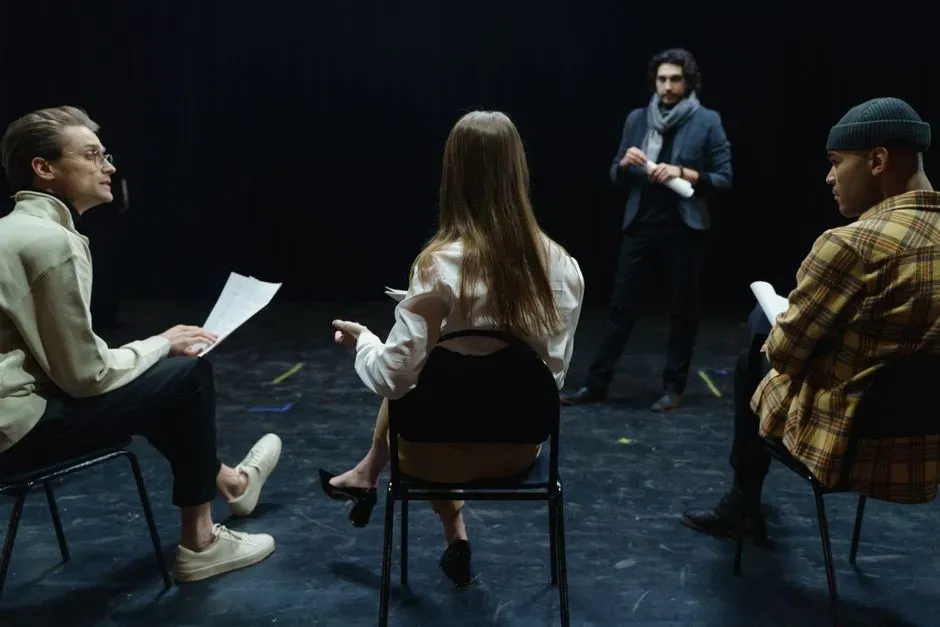
Many auditions include an adjustment, and it’s rarely a sign you did badly. It’s a test of how easily you can change course. Casting directors watch whether you actually shift your performance or repeat the same take with minor tweaks.
Listening is the key skill here. Nod, absorb the note, and try something genuinely different. Production schedules are tight, so someone who adapts quickly is attractive to hire.
Being Difficult With the Room

How you treat the reader, the assistant, and the front desk gets noticed. Casting directors talk with directors and producers, and they remember who was kind and who wasn’t. Professionalism is part of what they’re recommending when they put your name forward.
Arriving on time, staying polite, and keeping your energy calm all help. Pushy follow-ups or complaints about the process tend to linger in memory. A simple thank you as you leave does more than most people realize.
Final Thoughts

None of these habits are about talent alone. They reflect preparation, awareness, and how it feels to work with you. Most of them can be adjusted with a little practice, starting with your next audition.