Walk into almost any film festival in 2026 and you’ll find a quiet group of directors who have made the same technical choice. They’re loading actual film into their cameras. Digital cameras are cheaper and more flexible, so the choice isn’t an obvious one.
What they say they get back is harder to measure than resolution or dynamic range. It shows up in how a set runs, how actors perform, and how a story gets built. The recent record from festivals, awards seasons and television gives a fair picture of why.
A Medium That Slows Everyone Down
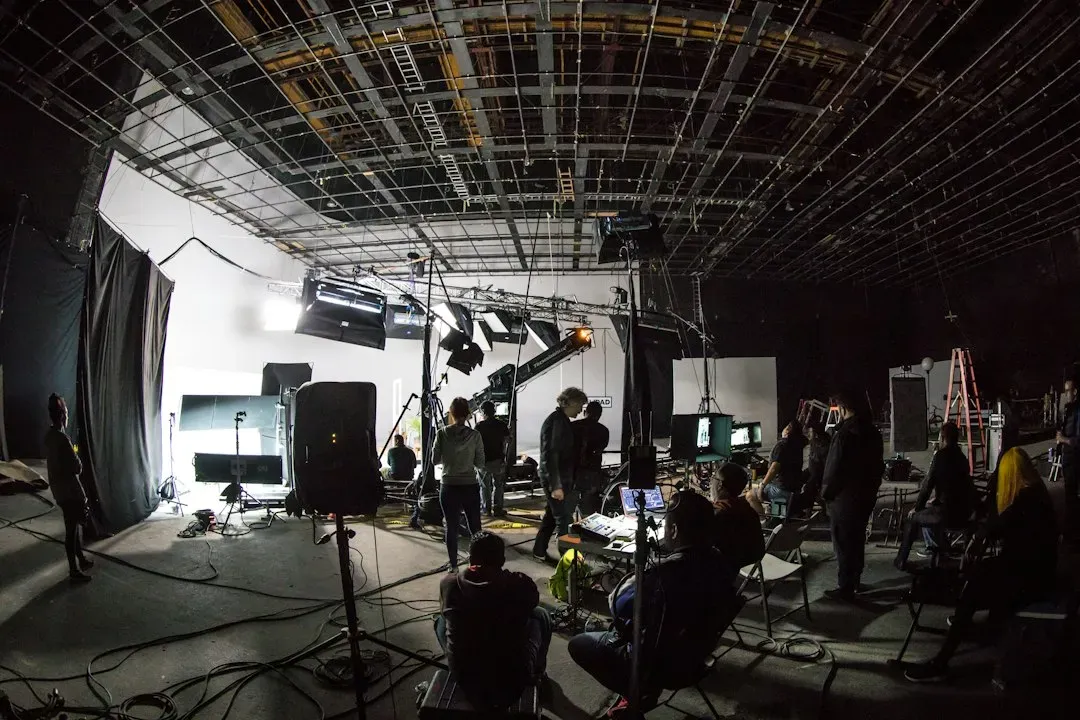
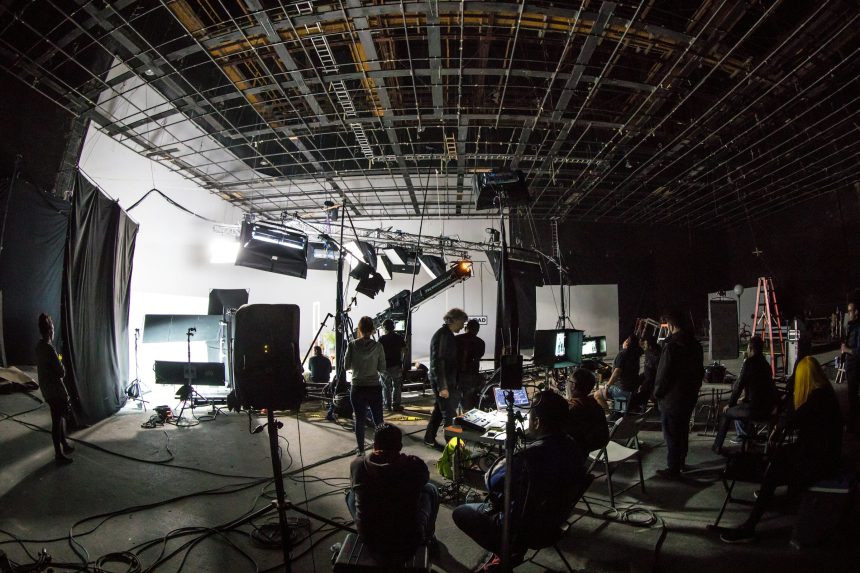
Film stock costs money every time the camera rolls, so a take stops being free. That changes the habits of a set in ways that don’t depend on any one director’s taste. Crews tend to rehearse more, and decisions get made before the camera starts instead of after.
Directors often describe this as focus, though it’s really a trade. You give up the option to shoot endlessly and fix everything later. In return, the shoot has a rhythm, and everyone knows which moments matter.
The Cannes 2026 Evidence
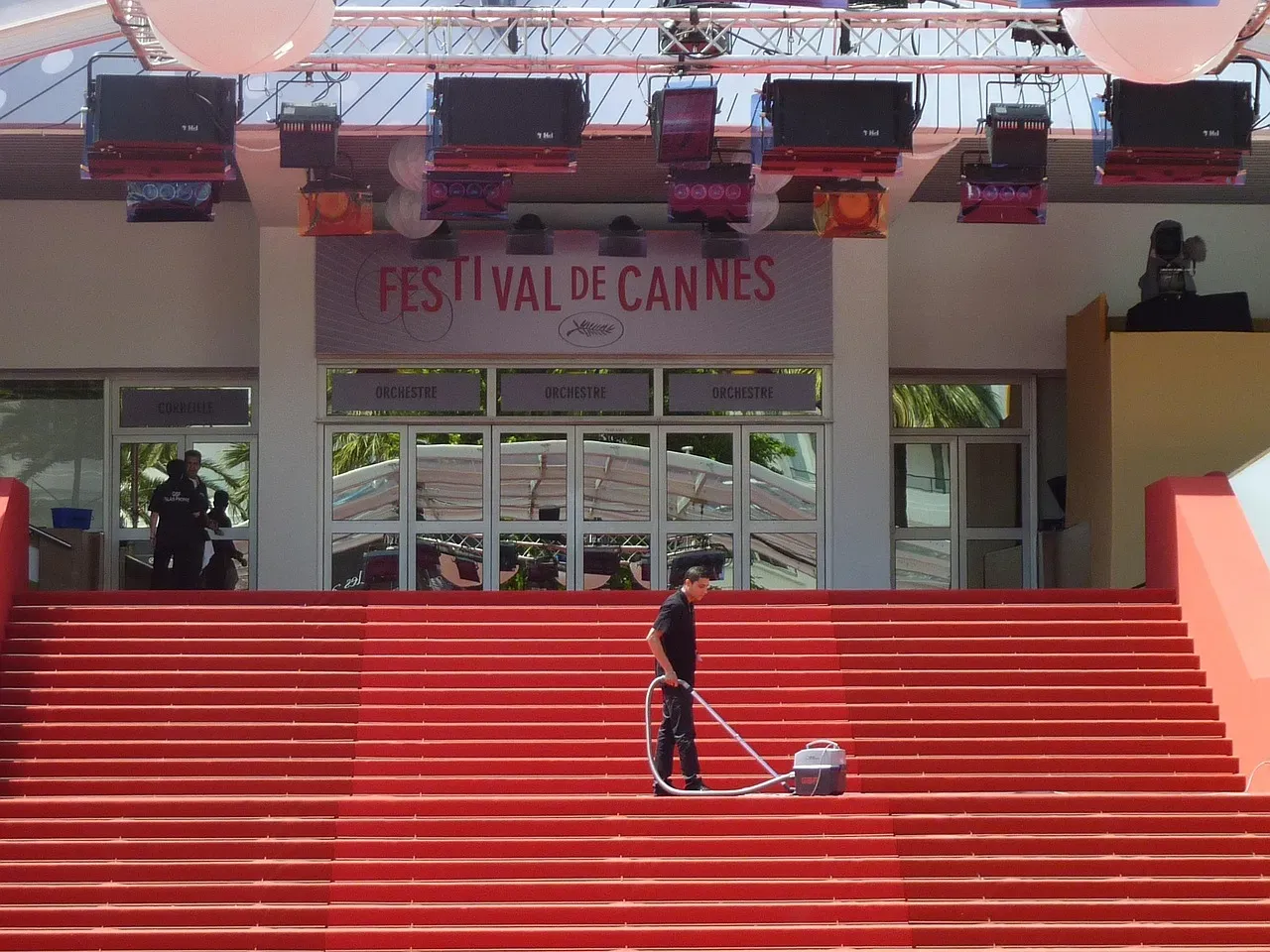
This isn’t a niche habit confined to a few nostalgic filmmakers. Kodak Motion Picture said it was celebrating twenty productions shot on Kodak film at the 2026 Cannes Film Festival. Seven of those were in the running for the Palme d’Or, including films from James Gray, László Nemes, Hirokazu Kore-eda and Ira Sachs.
The formats varied too. Twelve of the productions were captured on 35mm and eight on 16mm. That spread suggests film is being picked for different jobs, not as a single house style.
Awards Season Tells a Similar Story

The Oscars offered another snapshot. The 2026 shot on film nominees included Bugonia, Marty Supreme, One Battle After Another, Sentimental Value, Sinners and Sirat, among others. The list mixed studio spectacle with smaller, more personal films.
It’s worth keeping the source in mind. Much of this tallying comes from Kodak, which has an obvious interest in the story. Still, the titles themselves are public, and the range of directors on the list is hard to wave away.
Why First Time Directors Are Choosing It
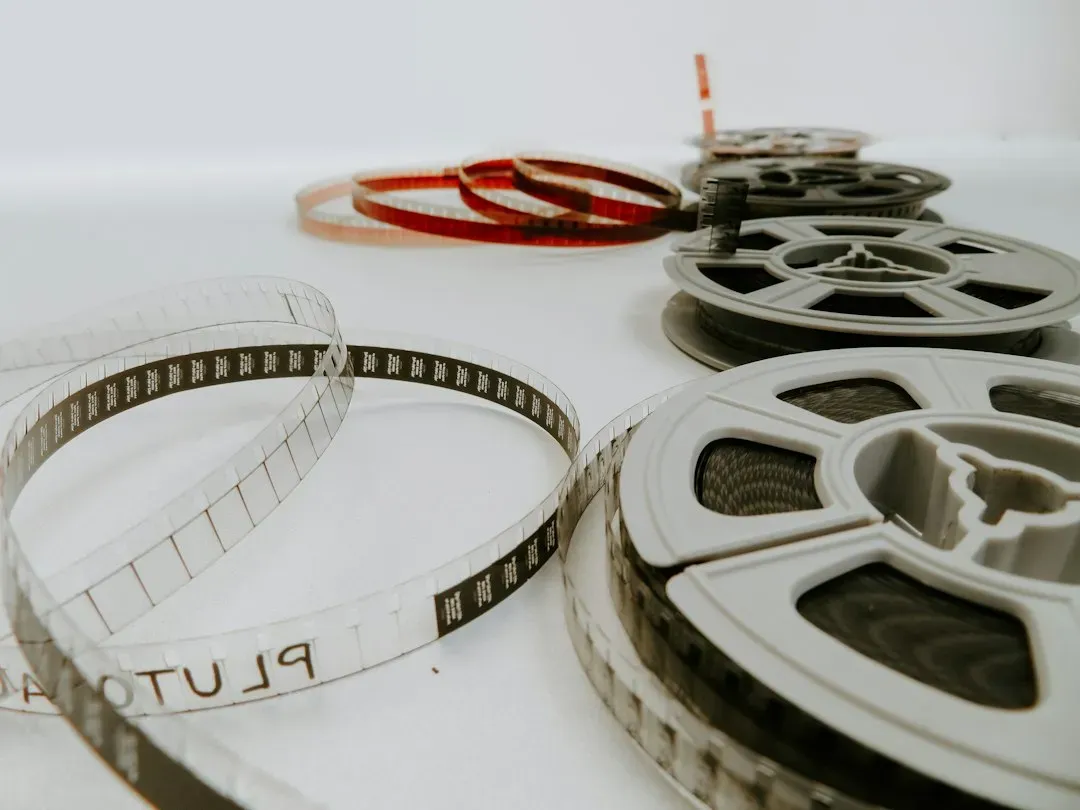
You might expect film to be the preserve of established names who can afford it. The festival lineup suggests otherwise. Three of the twenty Cannes titles were debut features, including Jordan Firstman’s Club Kid.
Kristen Stewart is another example. She accepted the Debut Feature Award at the Kodak Film Awards for her directorial debut, The Chronology of Water. For new directors, choosing film can be a way of committing to a visual identity from the very first frame.
Scale and Spectacle on Large Formats
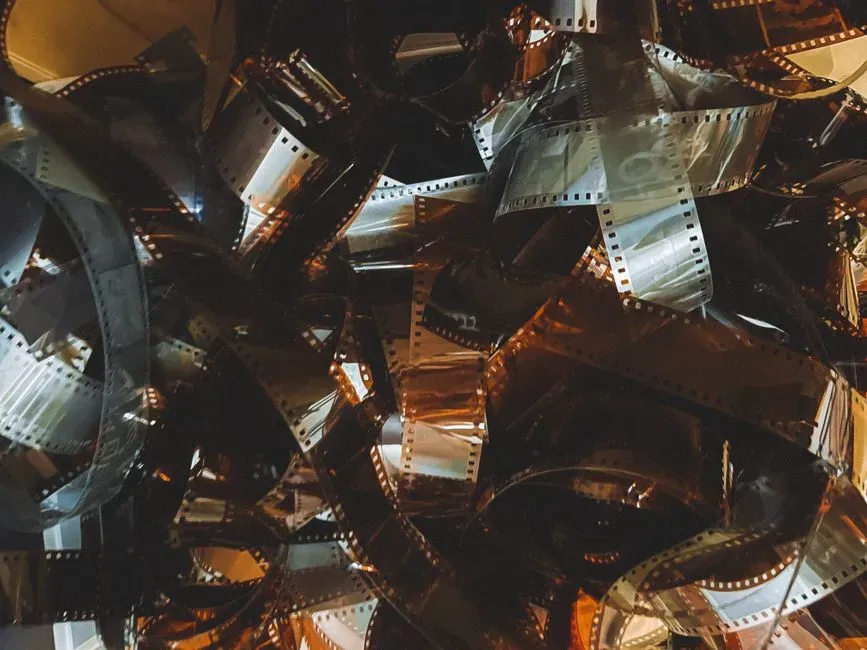
For big images, film remains a serious option. Sinners was shot on IMAX 65mm film. Kodak also reported that Hoyte van Hoytema shot Christopher Nolan’s The Odyssey entirely on 65mm film.
Large format film changes planning more than almost anything else. Cameras are heavier, setups take longer, and framing has to be settled early. Directors working this way build scenes around the capacity of the format, and that shapes the story’s physical scale.
Film Alongside Digital, Not Against It
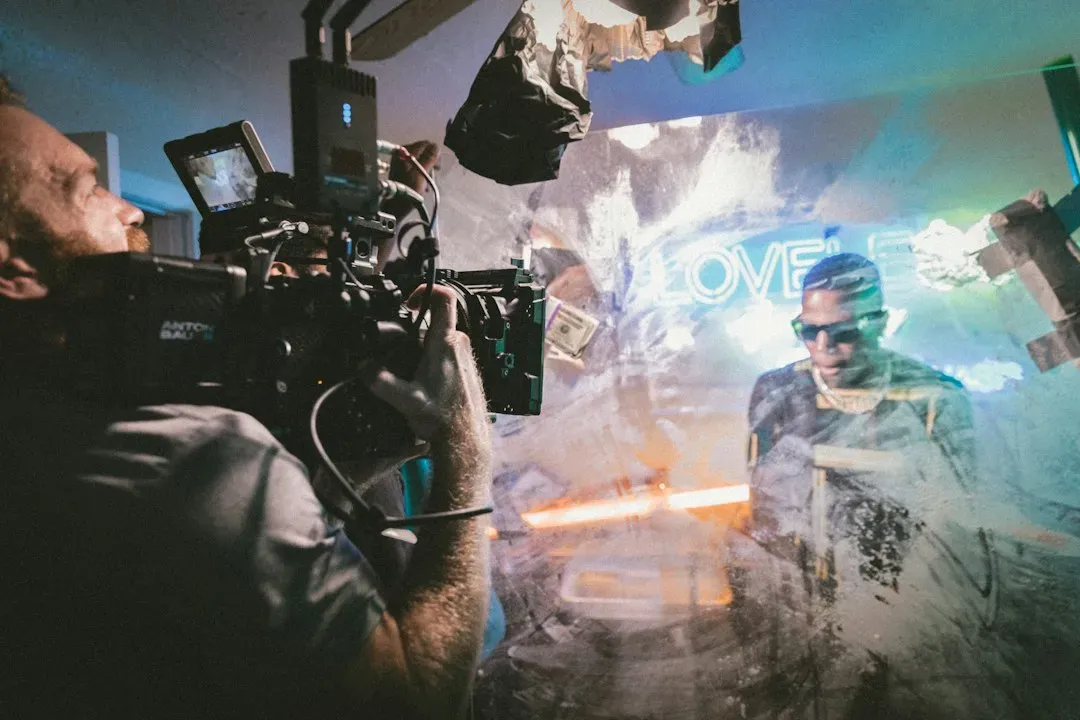
Few directors treat this as an all or nothing choice. Marty Supreme was described as a hybrid of digital and film, with 35mm cameras among its tools. Train Dreams, on the same Best Picture list, was shot on an ARRI Alexa 35.
That variety matters. The creative question isn’t film versus digital as a matter of principle. It’s which tool suits a given story, scene or budget, and many directors now mix them deliberately.
Texture That Serves Memory and Mood
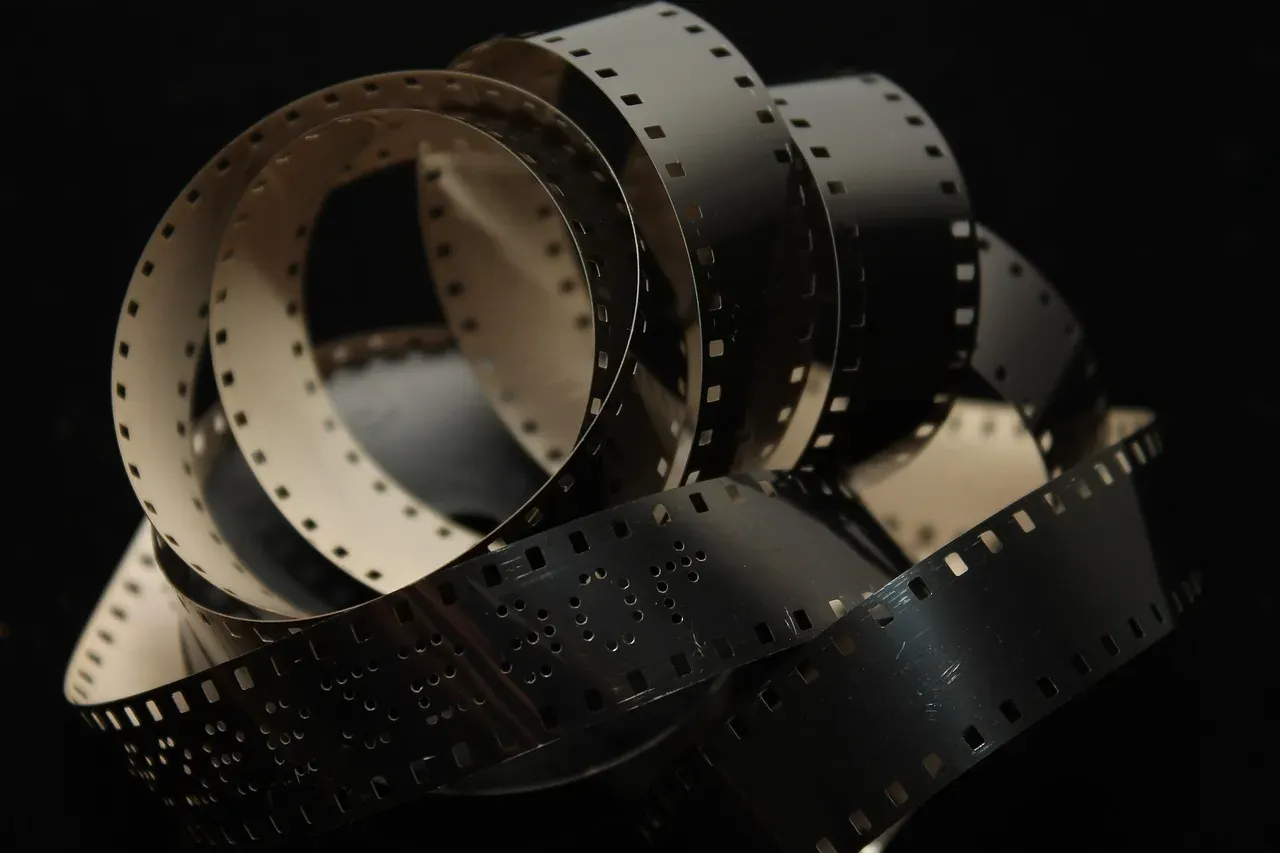
Some stories seem to ask for grain and imperfection. Kodak’s account of The Chronology of Water says cinematographer Corey Waters shot it in 16mm to depict fragmented memories and imperfection. The look supports the subject instead of decorating it.
Joachim Trier took a different route with Sentimental Value, shot on 35mm Kodak film with an ARRICAM LT and Cooke lenses for the contemporary sections of the story. That detail hints at another habit among film directors, which is matching stocks and lenses to specific time periods within one film.
Television Is Joining In
The shift isn’t limited to cinema. Kodak honored the series Fallout at its 2026 awards, alongside several filmmakers. Television has more episodes and tighter schedules, so film there is a bigger logistical bet.
Euphoria is a notable case. Cinematographer Marcell Rév embraced 65mm for Season 3, using a pilot stock that became Kodak’s Verita 200D. A new stock created partly for a TV production suggests that demand for film is still shaping products, not just preserving old ones.
What the Recent Record Shows
Directors who shoot on film describe a consistent set of effects: planning moves earlier, sets become more deliberate, and the image carries a texture chosen for the story. The 2026 festival and awards record shows these choices across debut features, studio films and television.
The evidence has limits. Much of the tracking comes from Kodak, and film still accounts for a minority of what gets made. What it does show is that, in 2026, shooting on film is an active creative decision for filmmakers at every level.