Before a novel sat on a shelf, many of the best known ones arrived in pieces. Readers waited a week or a month for the next chapter, argued over what might happen, and sometimes wrote to the author with demands.
That habit shaped the books themselves. Cliffhangers, large casts and chapters of a fairly even length were partly the result of serial publishing. Here are nine writers whose work reached the public this way.
Charles Dickens
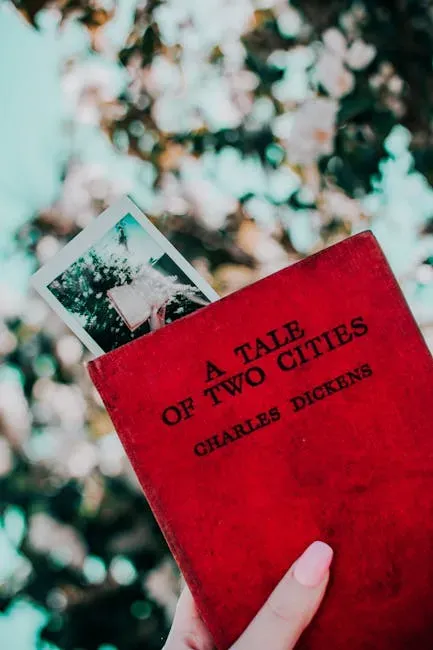
Dickens built his early fame on serial publication. The Pickwick Papers came out in monthly parts from March 1836 to November 1837, and it turned a young journalist into a household name. Oliver Twist followed in the magazine Bentley’s Miscellany, which Dickens also edited for a time.
Later he ran his own magazines. Hard Times appeared in Household Words in 1854, and Great Expectations ran weekly in All the Year Round in 1860 and 1861. Writing under that weekly pressure meant he often had little time to revise.
William Makepeace Thackeray
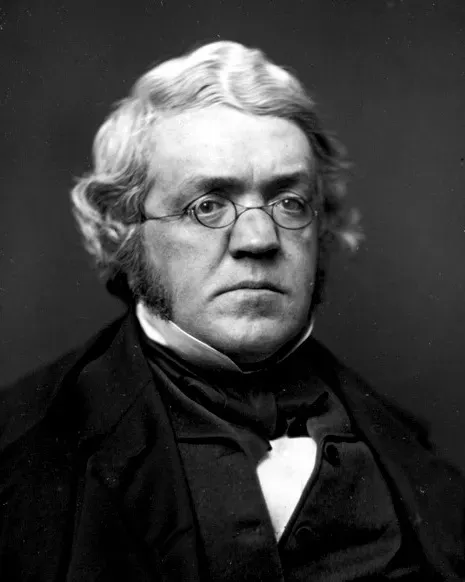
Thackeray was Dickens’s great rival, and he worked in installments as well. Vanity Fair was issued in monthly parts between 1847 and 1848, and its success established his reputation. Earlier, his novel Barry Lyndon had appeared in Fraser’s Magazine in 1844.
He also became a magazine man in his own right. When The Cornhill Magazine launched in 1860, Thackeray was its first editor. He serialized novels there, including Lovel the Widower and Philip.
Elizabeth Gaskell
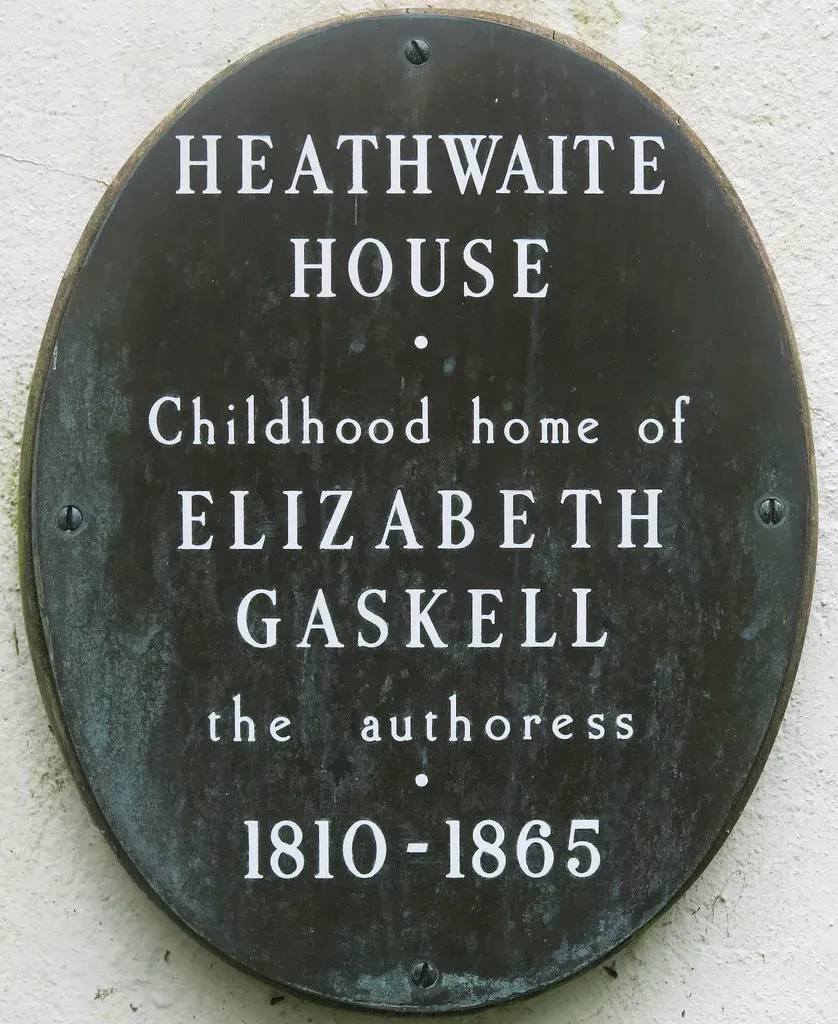
Gaskell wrote for Dickens’s Household Words. Cranford began there in 1851 and grew out of what was first a single sketch, so the episodic feel was partly accidental. North and South ran in the same magazine in 1854 and 1855.
Her last novel, Wives and Daughters, was serialized in The Cornhill Magazine from 1864. She died in 1865 before finishing it, so the serial ended unfinished. Readers got a completed story only in the sense that her intended ending was clear.
Wilkie Collins
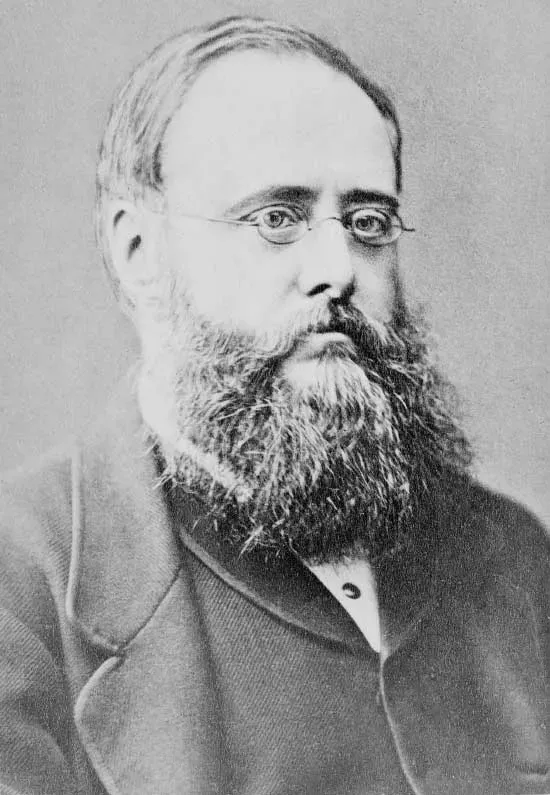
Collins was a master of suspense, and the serial format suited him. The Woman in White ran in All the Year Round from 1859 to 1860, and it was also published in the American magazine Harper’s Weekly. It was a huge hit, and readers reportedly lined up for each issue.
The Moonstone followed in the same magazine in 1868. It is often credited as an early English detective novel. Its clues and shifting narrators were well suited to a story released a little at a time.
Thomas Hardy
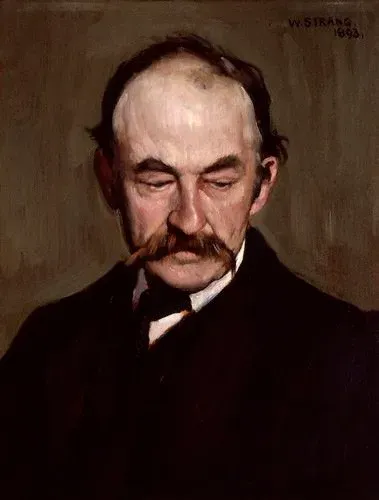
Hardy’s career took off with Far from the Madding Crowd, which ran in The Cornhill Magazine in 1874. It appeared at first without his name, and some readers guessed it was by George Eliot. The editor then was Leslie Stephen.
Magazines also limited him. Tess of the d’Urbervilles was serialized in The Graphic in 1891 in an edited form to suit its family readership. Jude the Obscure ran in Harper’s New Monthly Magazine in 1894 and 1895, and Hardy revised it afterward for book publication.
Arthur Conan Doyle
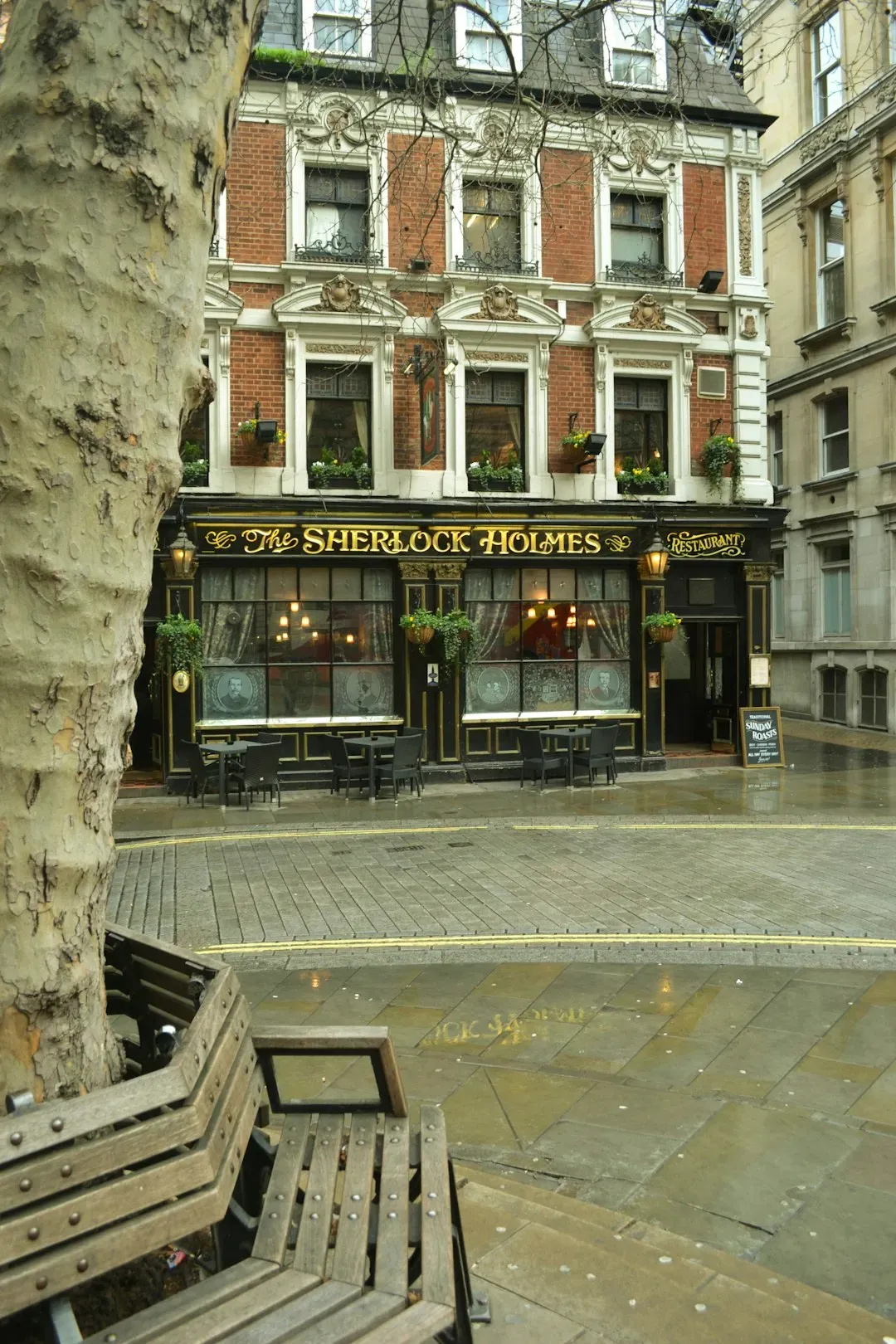
Doyle’s Sherlock Holmes found a huge audience through The Strand Magazine, starting with the short story A Scandal in Bohemia in July 1891. Illustrations by Sidney Paget helped fix Holmes’s look in the public mind. The monthly format favored short stories that could be read in one sitting.
The novel The Hound of the Baskervilles ran in The Strand from August 1901 to April 1902. It brought Holmes back after Doyle had tried to end the character. Each installment ended in a way that made readers want the next issue.
Henry James
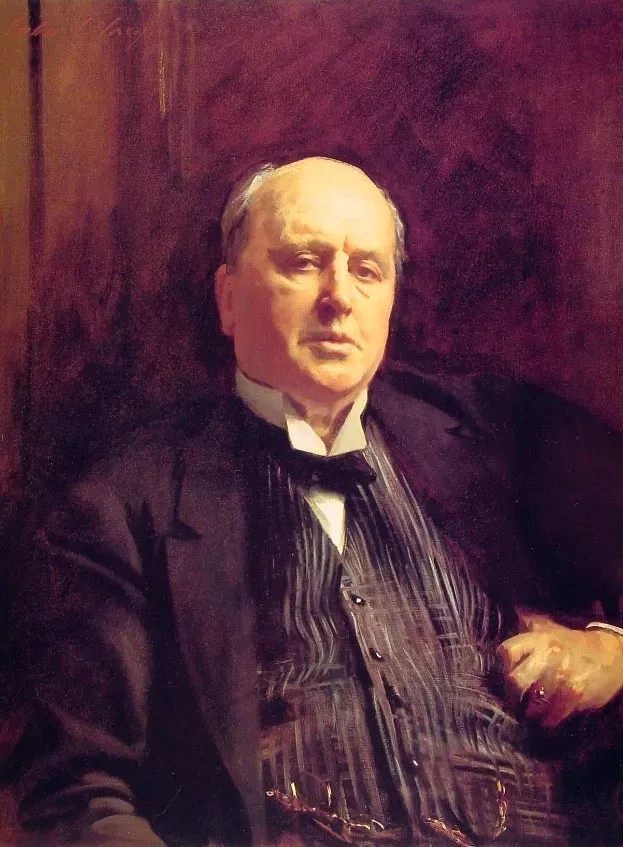
James published much of his fiction in magazines on both sides of the Atlantic. The Portrait of a Lady appeared in Macmillan’s Magazine in Britain and in The Atlantic Monthly in the United States from 1880 to 1881. The serial and book editions followed soon after.
The Turn of the Screw was serialized in Collier’s Weekly in 1898. Its ambiguous ghost story was a good fit for a weekly audience, since readers could debate it between issues. His later novel The Ambassadors ran in the North American Review in 1903.
Fyodor Dostoevsky
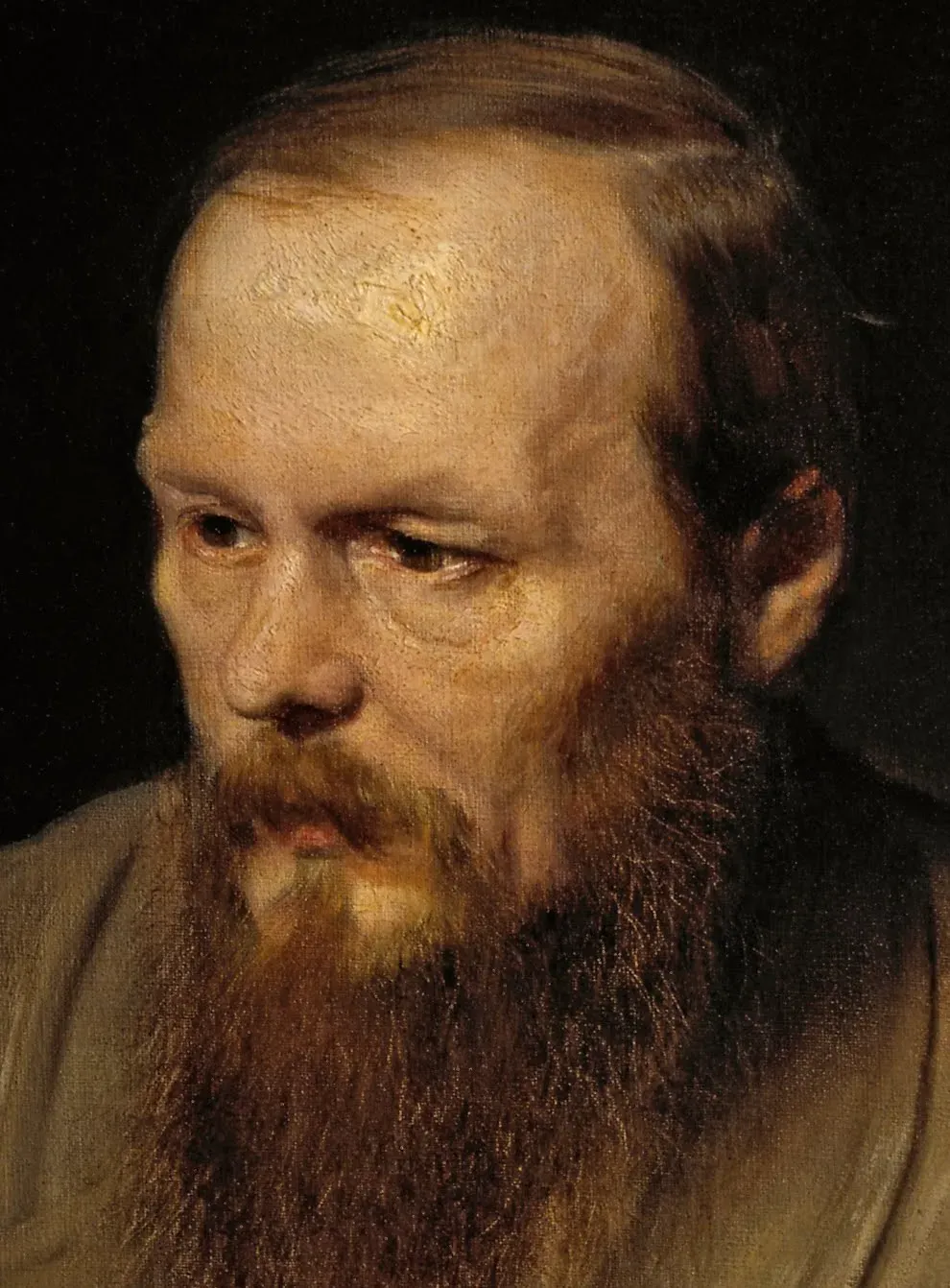
Serial publication was not only a British habit. Dostoevsky published Crime and Punishment in the Russian journal The Russian Messenger in 1866, in monthly installments. The journal’s editor was Mikhail Katkov.
His last novel, The Brothers Karamazov, appeared in the same journal across 1879 and 1880. Dostoevsky often depended on magazine payments, and deadlines were a constant feature of his working life. The long, layered structure of his novels reflects that monthly rhythm.
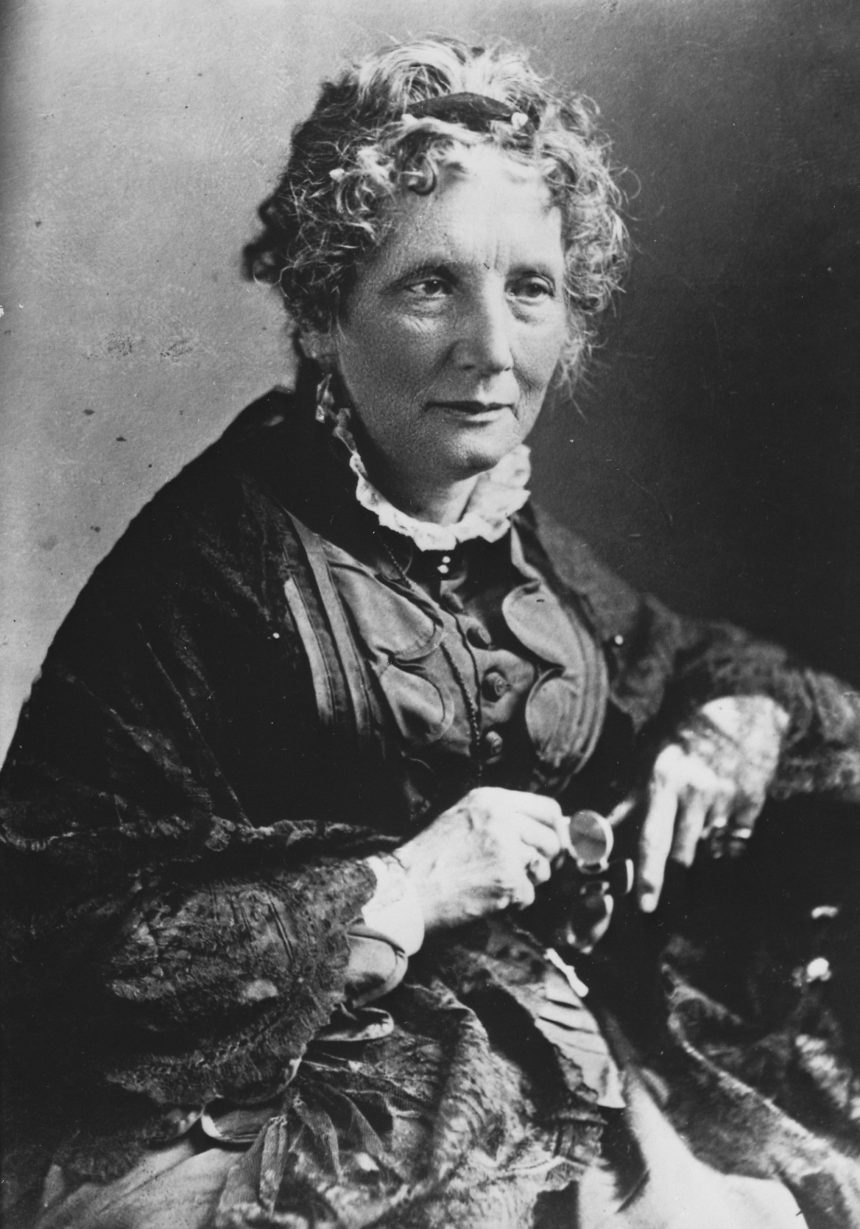
Harriet Beecher Stowe
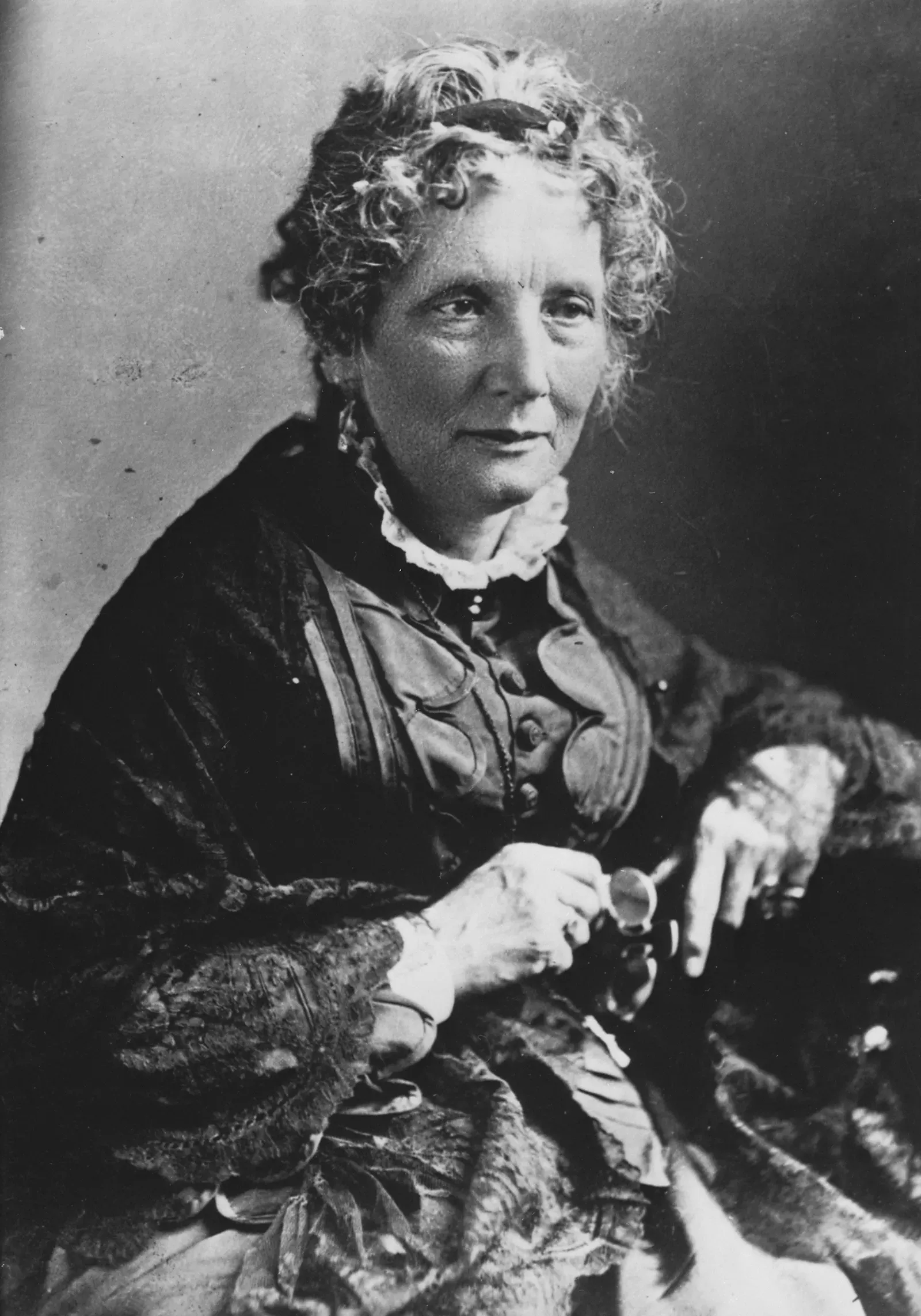
Stowe’s Uncle Tom’s Cabin first appeared in installments in The National Era, an antislavery weekly published in Washington, D.C. It ran from 1851 to 1852. A two volume book edition came out in March 1852, while the serial was still finishing.
The book edition sold extremely well, and the novel became one of the most influential of the century in the United States. Its serial origins show in the short, emotionally charged chapters. It remains a clear example of a magazine story that reshaped public debate.
Where the Installments Ended
These nine writers show how widespread serialization was across the nineteenth century and into the early twentieth. Dickens, Thackeray, Gaskell, Collins, Hardy, Doyle, James, Dostoevsky and Stowe all reached readers first through periodicals, then in books.
The format varied, from monthly parts to weekly magazine chapters. In each case, the book came later, often revised, after the readers had already followed the story one installment at a time.