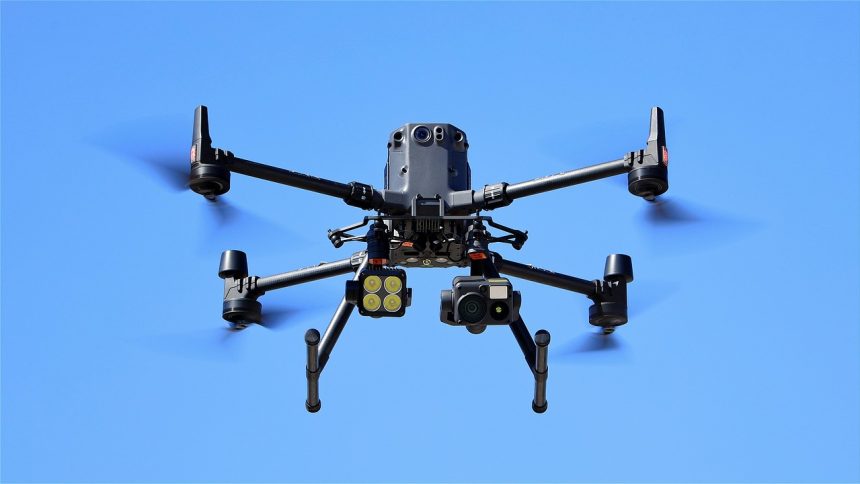
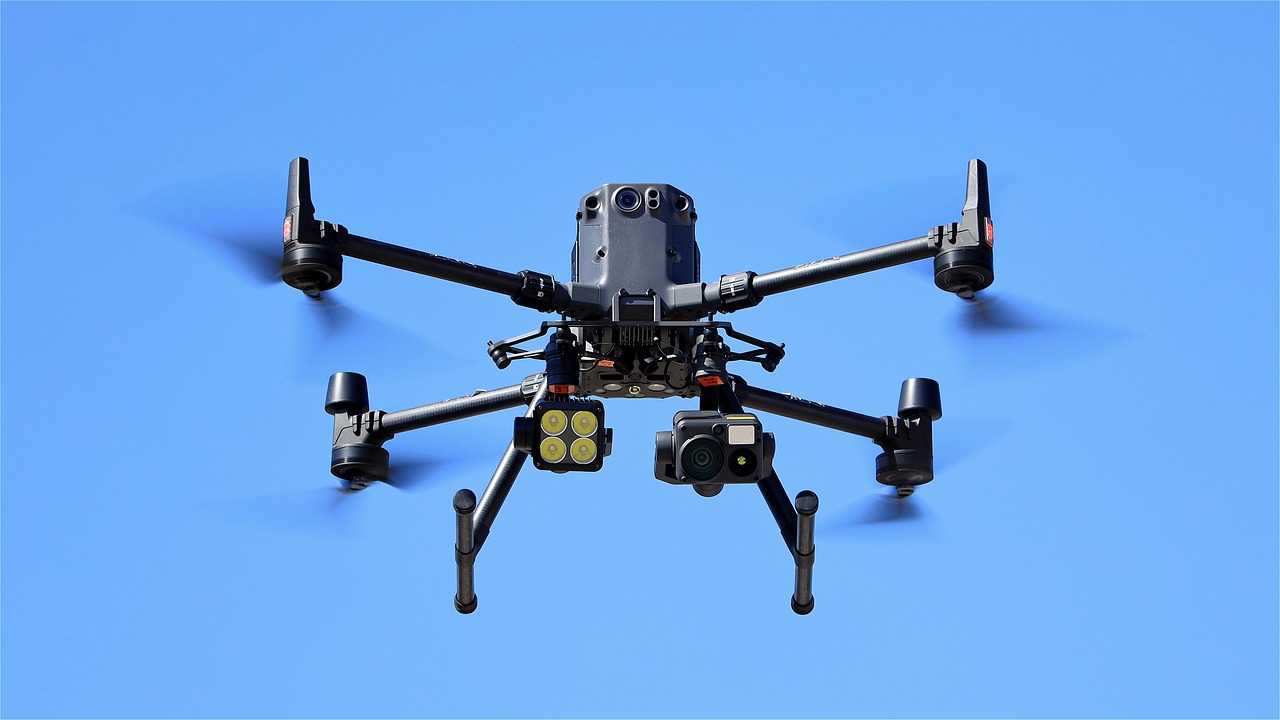
Drones are everywhere, but rules governing them remain invisible – Image for illustrative purposes only (Image credits: Pixabay)
Chicago – Drones are multiplying fast across the region, from retail deliveries to police operations, yet most operators still lack basic knowledge of the rules that govern them. A recent incident involving a high-end police-grade aircraft nearly ended in a lake landing, underscoring how thin the margin for error remains. The gap between widespread availability and limited public understanding now poses real risks to safety and trust.
Deliveries and Police Programs Accelerate
Amazon intends to begin drone deliveries this summer from centers in the suburbs of Markham and Matteson, operating 80-pound aircraft within an eight-mile radius. Walmart, through its Wing partnership, is already scaling similar services toward more than 40 million customers nationwide, with Chicago expected to follow closely. At the same time, suburban police departments have expanded unmanned aircraft programs since the Highland Park parade shooting. Agencies now deploy drones for searches, disaster response and crowd monitoring at large events. What once sparked privacy debates has shifted toward acceptance as a standard public safety tool.
Partner offer
One Near Miss Shows the Stakes
An unmanned aircraft systems coordinator testing a $25,000 Skydio X10 drone by a lake pressed the wrong command on the controller. Instead of returning home, the aircraft began a steady descent toward open water. It landed just four feet short of the surface in shoreline brush, avoiding damage but leaving a clear warning about interface design and operator familiarity. The coordinator, who has logged many flight hours, described the moment as a sudden loss of control. The episode occurred during a routine demonstration of basic safety features, yet a minor thumb drift triggered an unintended landing sequence. Such close calls highlight how even trained users can encounter problems when rules and equipment details remain unclear.
Rules Exist but Reach Few Users
The Federal Aviation Administration treats drones as aircraft, requiring licensing and adherence to airspace restrictions. Remote ID systems now function like digital license plates on many models. Still, manufacturers and retailers face no obligation to explain these requirements at purchase, leaving new owners to discover them later. In training classes, even active-duty police officers have expressed surprise at the extent of the regulations. The barrier to entry remains low: a credit card and next-day delivery. This ease of access has outpaced efforts to inform users about licensing, no-fly zones and privacy obligations.
Education and Transparency Needed
Illinois lawmakers could require plain-language warnings about licensing and safety at the point of sale, similar to standards already applied to medications and certain equipment. Local governments expanding police drone programs should also publish clear guidelines on when and how the aircraft are used. Without these steps, the growing presence of delivery, law enforcement and recreational drones will continue to outrun public awareness. The sky above Chicago is changing quickly, and the moment anyone takes control of a drone, they assume the responsibilities of a pilot.
Partner offer
Planning a trip to Vegas?
Compare hotel rates and show tickets on VEGAS.com.