
There’s a particular kind of fatigue that settles in when a song you once liked starts following you everywhere. The gym. The grocery store. Every streaming playlist curated by an algorithm that just won’t let go. It’s not about the song being bad, exactly. It’s about the relentless repetition that turns something enjoyable into something you’d rather skip entirely.
Listener fatigue is real, and the algorithmic nature of streaming services can contribute to the overplayed status of certain songs, since these algorithms often prioritize popular tracks, leading to a feedback loop where the most played songs become even more popular, resulting in listener fatigue as people become tired of hearing the same songs over and over again. The following four tracks are prime examples of songs that, for many women, have crossed that invisible line.
“Flowers” by Miley Cyrus
!["Flowers" by Miley Cyrus ([1], CC BY 2.0)](https://nvmwebsites-budwg5g9avh3epea.z03.azurefd.net/lasvegasnews/2369baf2271abaae1d18a9c422813559.webp)
“Flowers” is a song by American singer Miley Cyrus from her eighth studio album Endless Summer Vacation, a pop song with disco, rock, and funk influences whose lyrics express an ex-lover’s acceptance of being independent, and it received positive reviews from music critics while becoming a massive commercial success. The self-love anthem hit hard at first, and for good reason. It felt timely, catchy, and emotionally direct.
The problem is the scale of its saturation. It was the best-selling global single of 2023, earning 2.7 billion subscription stream equivalents globally according to the International Federation of the Phonographic Industry. The song became the longest-running chart-topper in the over 60-year history of the Adult Contemporary chart, eventually becoming the first song to top that chart for a full year, and in July 2024, due to charting 56 weeks atop Adult Contemporary, it earned the most weeks at the summit of a Billboard airplay chart. A full year at the top of any single chart is an achievement, but for many listeners, it also became an endurance test.
“Shape of You” by Ed Sheeran

“Shape of You” arrived in early 2017 and almost immediately became inescapable. It topped charts across dozens of countries and racked up streaming numbers that few tracks in history have matched. The song’s groove-heavy production made it a natural fit for retail stores, workout playlists, and radio rotations. That versatility is precisely what made it so exhausting.
Overplayed status can lead to listener fatigue, making people avoid certain songs or even entire genres, and the overuse of songs in public places can create a negative association, making people dislike a song even if they initially enjoyed it. “Shape of You” is arguably the clearest modern example of that exact effect. The song’s success became overwhelming, proving that in the streaming era, a hit can become overplayed faster than ever before. Years later, it still surfaces on radio stations and curated playlists, and for many women who once sang along without thinking, that moment is long gone.
“Beautiful Things” by Benson Boone

The path to success was a quick one for Benson Boone, with “Beautiful Things” hitting in 2024, as the American singer utilized the TikTok platform to his advantage, creating anticipation online prior to the final release. “Beautiful Things” has lived on over the radio airwaves since then, becoming the sort of omnipresent song that always seems to be playing somewhere. Its emotional swells and dramatic vocal moments gave it an initial resonance that was hard to deny.
The song’s longevity across charts has been remarkable, though not entirely welcome for everyone. Boone’s debut album Fireworks and Rollerblades peaked at No. 17 and spawned the long-running No. 1 hit “Beautiful Things,” a single that remains a force on the ARIA Singles Chart. A track that started as a TikTok moment became a years-long fixture on radio and in commercial spaces. For many women who loved it in the first week, repeated exposure turned something genuinely moving into background noise they’d rather tune out.
“Happy” by Pharrell Williams
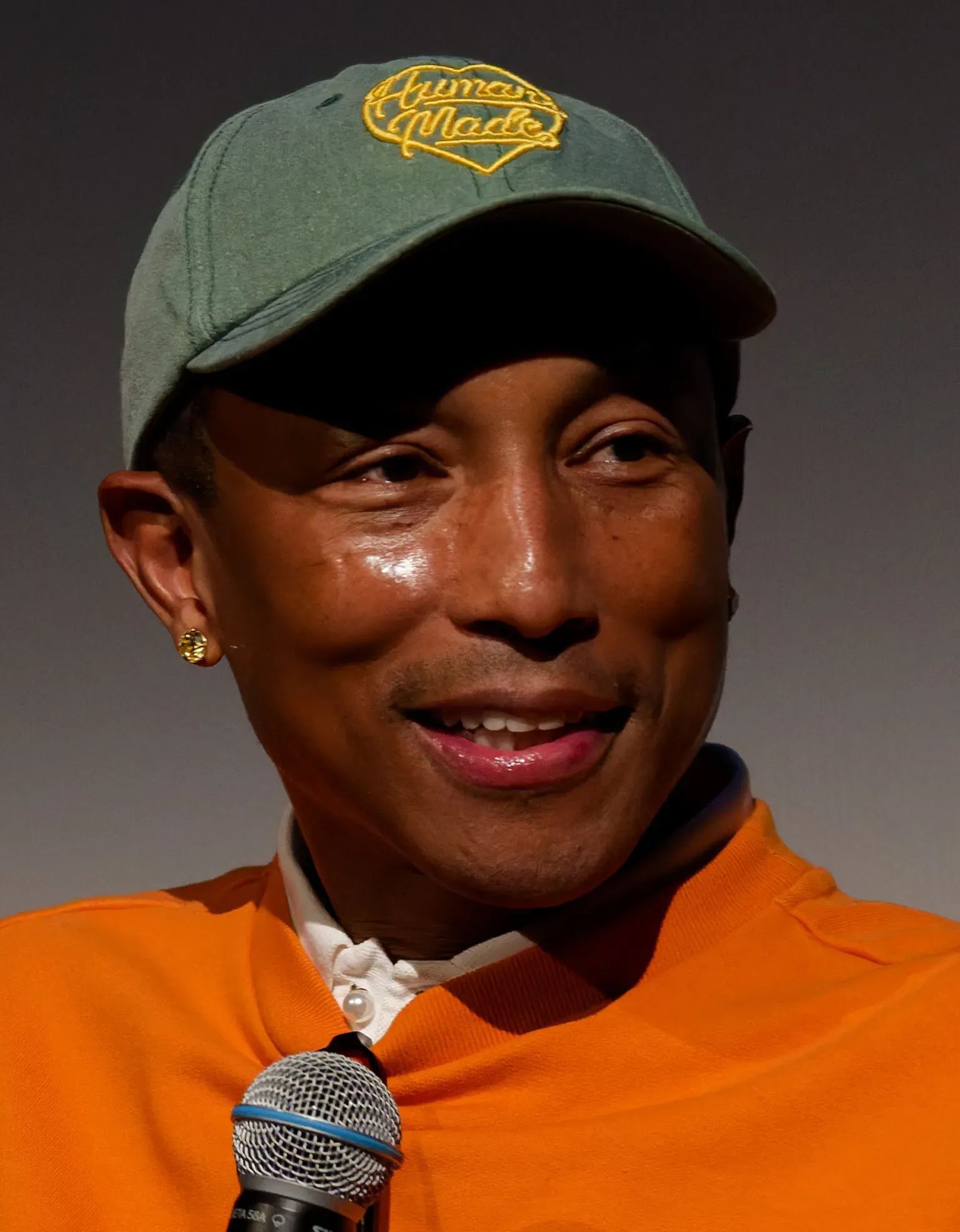
“Happy” was tolerable in the context of Despicable Me because it was integrated into the film, but after its broader release, the song started playing everywhere. Its major-key bounce and relentlessly upbeat message made it a fixture in advertising, office playlists, award show montages, and just about every celebratory context imaginable. The intent was warmth. The result, over time, was something closer to sonic wallpaper.
Songs with overly repetitive lyrics can quickly become grating, and when the same phrase is repeated ad nauseam, it can wear on the listener’s patience. “Happy” runs on exactly that structure. Its chorus is built on repetition by design, which worked beautifully the first hundred times and considerably less so after that. All four records have been relentlessly overplayed by the media and entertainment industry, and rather than repeating the same songs on the radio every day, making space for more unique or unknown records would curate a more versatile listening experience. Few songs illustrate that argument as clearly as this one.
What all four of these tracks share isn’t a lack of quality. Most of them genuinely earned their moment. The issue is what happens when a single moment is stretched across months or years of constant replay. The song doesn’t change, but the relationship a listener has with it does, quietly and then all at once.