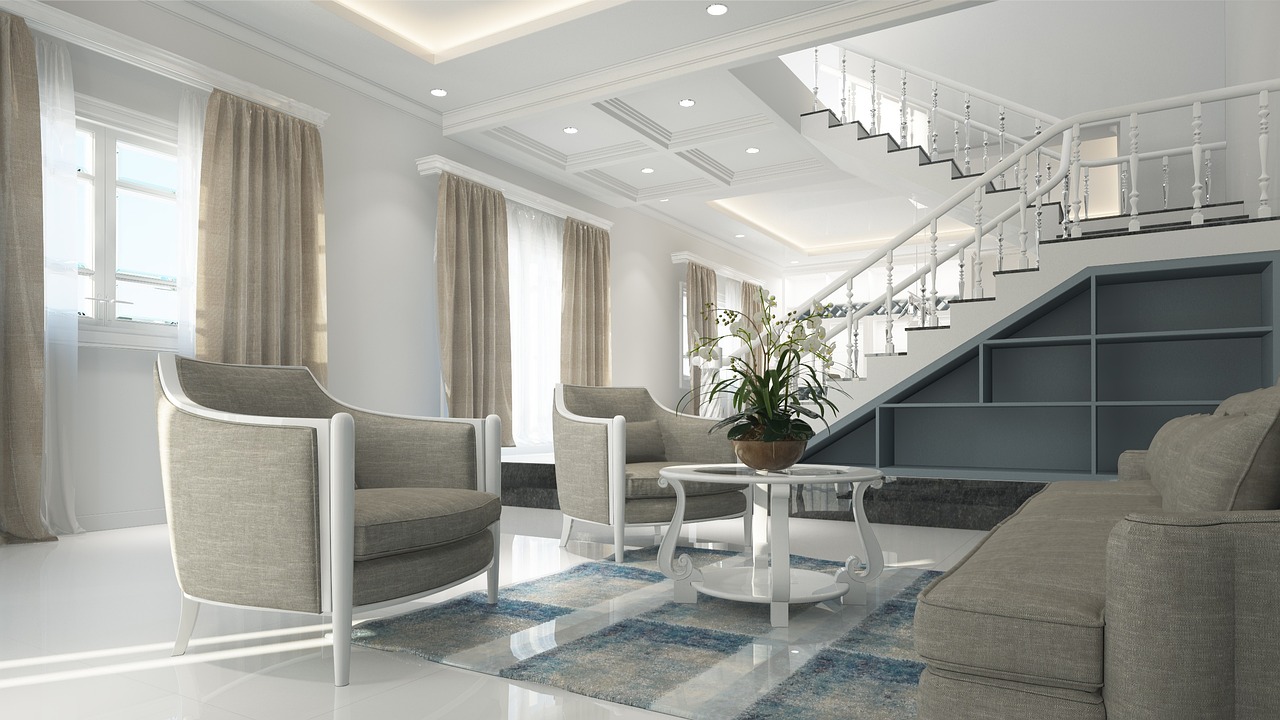
Ask the remodeler: How universal design can help homeowners age in place – Image for illustrative purposes only (Image credits: Pixabay)
Many homeowners reach a point where staying in their longtime residence feels uncertain. Physical changes tied to age, injury, or health conditions can turn familiar rooms into obstacles. Universal design offers a practical response by reshaping spaces to match evolving needs without requiring a move. The result is a home that remains both comfortable and functional for years ahead.
Core Principles at Work
This approach centers on creating environments that work for a wide range of abilities from the outset. It creates a home that is safe and accessible to someone who is elderly, disabled, or recovering from an injury or surgery. Rather than adding features only after problems arise, the focus stays on thoughtful planning that anticipates daily routines. Homeowners gain peace of mind knowing the layout supports independence at every stage. The emphasis falls on flexibility. Spaces can accommodate wheelchairs, walkers, or simple mobility aids without major future renovations. Lighting, pathways, and room transitions receive attention so movement feels natural rather than restricted. Families often notice fewer near-misses and greater ease during everyday tasks like cooking or bathing.
Partner offer
Who Gains the Most
Older adults form the largest group that benefits directly. Many prefer to remain in neighborhoods they know rather than relocate to specialized housing. Universal design supports that choice by reducing fall risks and simplifying navigation. Individuals recovering from surgery or managing temporary disabilities also find immediate value. A home already adapted for accessibility allows them to heal in familiar surroundings instead of temporary facilities. People living with permanent disabilities experience similar advantages, as the same modifications serve long-term needs without constant adjustments.
Practical Steps Forward
Homeowners typically begin by assessing current layouts with a remodeling professional. Small changes, such as wider doorways or lever-style handles, often deliver noticeable improvements right away. Larger projects might involve reconfiguring bathrooms or kitchens to maintain clear floor space. The process usually unfolds in phases to match budgets and timelines. Early conversations help identify priorities, whether safety upgrades or overall flow. Over time, these modifications add lasting value to the property while supporting daily life. The decision ultimately reflects a desire for continuity. Homes built or updated this way allow residents to focus on living rather than adapting to limitations.
Partner offer
Planning a trip to Vegas?
Compare hotel rates and show tickets on VEGAS.com.