Every so often, a movie survives almost entirely on the strength of one moment nobody planned for. A director loses control for thirty seconds, an actor goes rogue, and the resulting scrap of footage ends up outliving the plot around it by decades. Most audiences couldn’t tell you what happens in the second act of these films, yet they can quote the unscripted bit word for word. What follows are seven cases where a spontaneous flourish, born from boredom, nerves, or plain stubbornness, became the reason anyone still talks about the movie at all.
1. Anaconda (1997) – Jon Voight’s wink
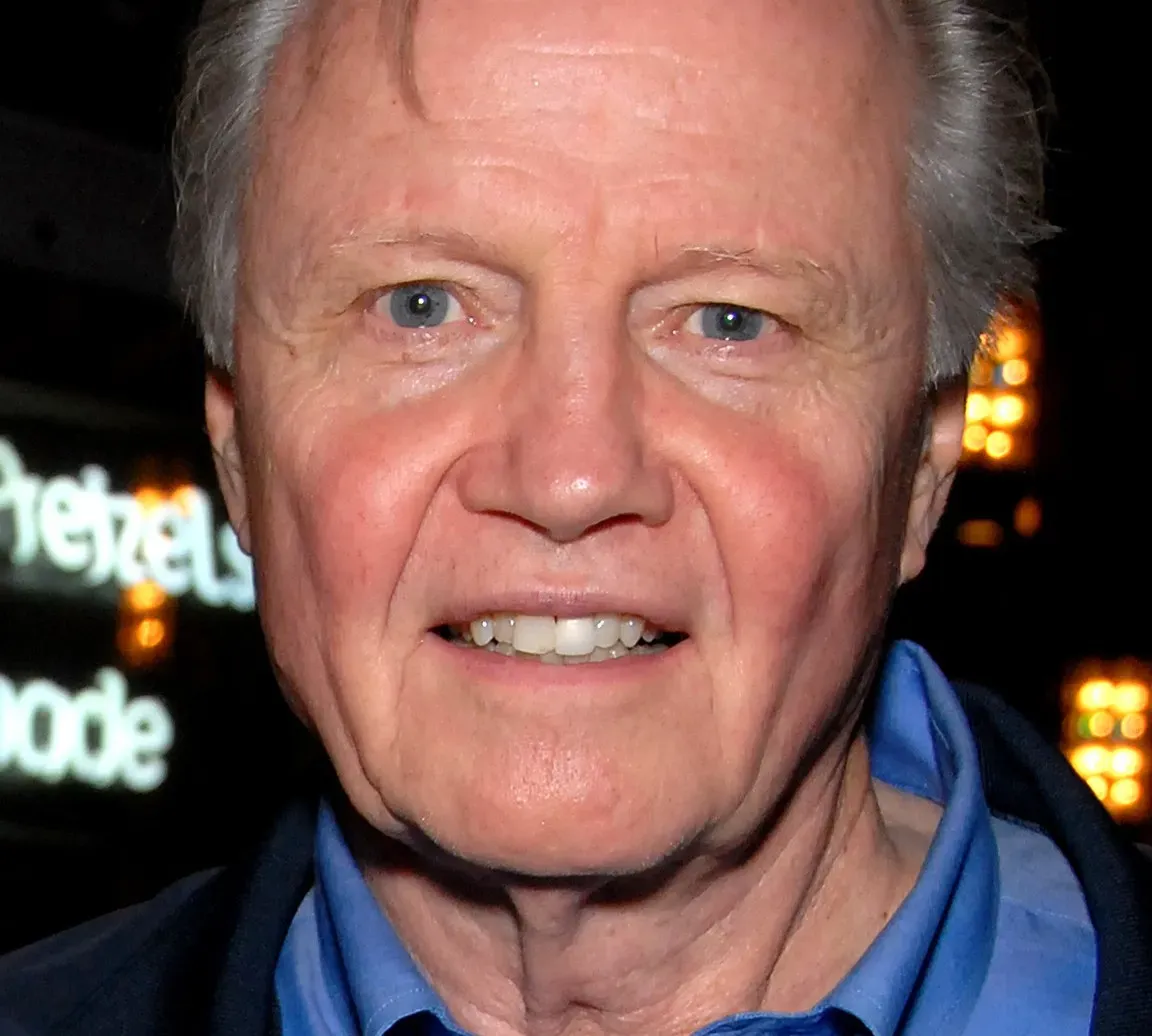
Anaconda was never trying to be prestige cinema. It’s a jungle creature feature with rubbery snake effects and a cast that mostly plays things straight, which makes Jon Voight’s performance as the unhinged poacher Serone stand out even more. His accent wanders continents, his energy sits somewhere between Brando and a man who’s had one whiskey too many, and audiences have spent nearly three decades trying to place exactly what he was going for.
The moment that seals it comes near the end, when Serone gets swallowed and then regurgitated by the very snake he’d been hunting. As he slides out half-digested, he gives a small, knowing wink to the camera. According to the site Lost in the Movies, Voight told a Q&A audience once that the wink was improvised and was his idea. It’s a two-second gag that tells the audience the movie knows exactly what it is, and it’s arguably the single reason Anaconda still gets talked about, even inspiring a meta sequel decades later.
2. The Warriors (1979) – Luther’s bottle taunt

The Warriors arrived in theaters trailed by real-world controversy over violence at screenings, and critics at the time were split on whether it was pulp trash or stylish pulp art. History has been kinder to it, but the film’s most quoted scene almost didn’t happen the way it did. For the Coney Island standoff between rival gangs, director Walter Hill needed villain Luther, played by David Patrick Kelly, to taunt the Warriors from atop his car.
Director Walter Hill wanted David Patrick Kelly’s character Luther to taunt The Warriors from his ’55 Cadillac, and he gave him free reign to do it any way he wanted, so Kelly clinked three bottles together in one hand and delivered the legendary singsong taunt. According to Kelly, it was a childhood bully that inspired the chant. That handful of seconds, glass clinking against glass, has since become shorthand for menace in pop culture, referenced far more often than anything else in the film.
3. Dazed and Confused (1993) – “Alright, alright, alright”
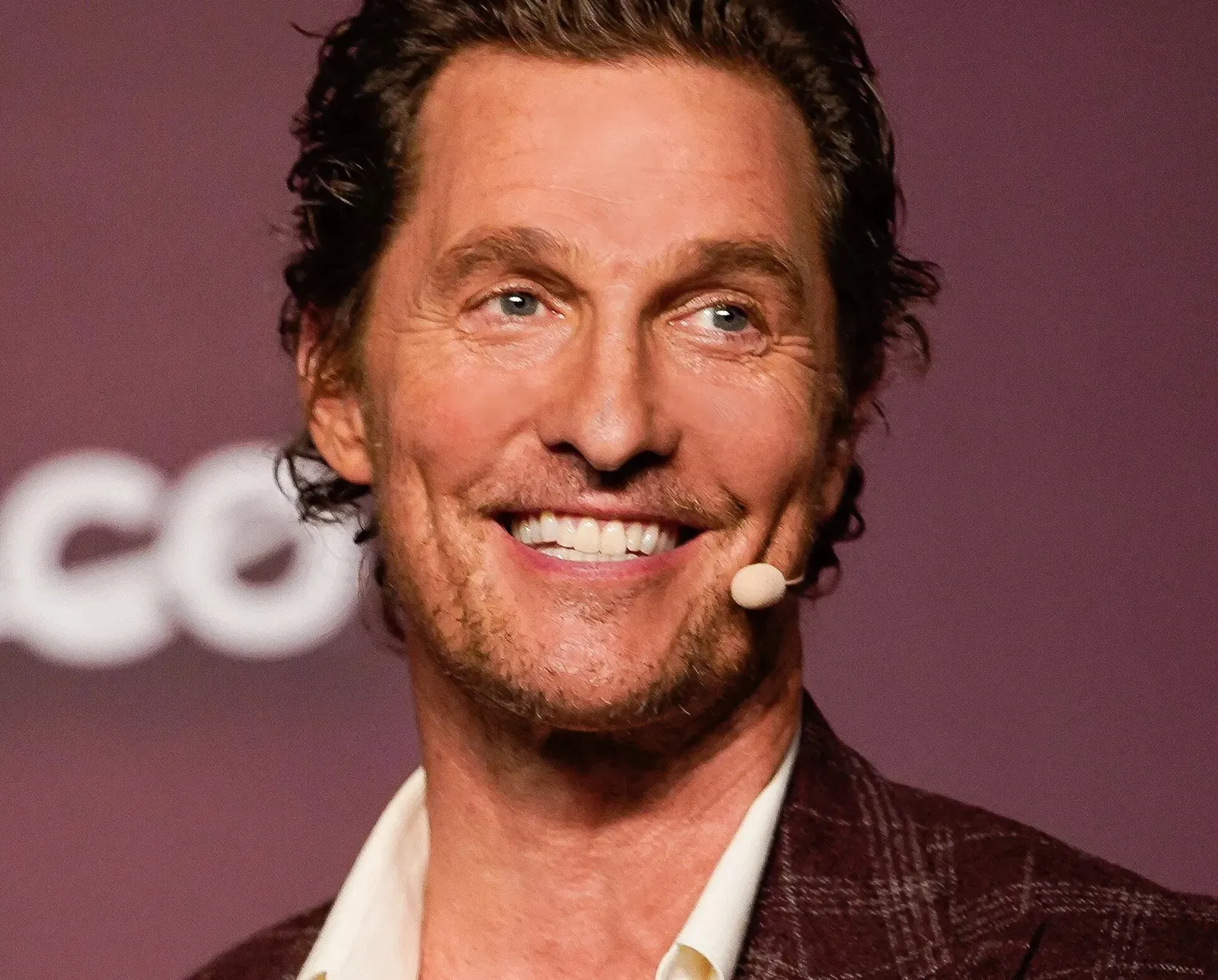
Richard Linklater’s teen hangout movie was a modest release in its day, more admired in retrospect than celebrated on arrival. It gave Matthew McConaughey his breakout role as the perpetually stoned older guy David Wooderson, and it’s a single, tiny line reading that turned him into a household name. The moment is almost nothing on paper: Wooderson says a single word three times in a row.
The simple, laconic, thrice repetition of the word “alright” has become inextricably linked to Matthew McConaughey, originating from Dazed and Confused, and it might not be shocking to learn this now iconic phrase was totally unscripted. While prepping for the role, McConaughey listened to a live album by the Doors and gravitated toward a moment when Jim Morrison said “alright” four times in a row, drawing from it for his portrayal of Wooderson. Decades on, the phrase has outgrown the film entirely, showing up on merchandise and in interviews that have nothing to do with the movie itself.
4. Zoolander (2001) – David Duchovny’s cameo line
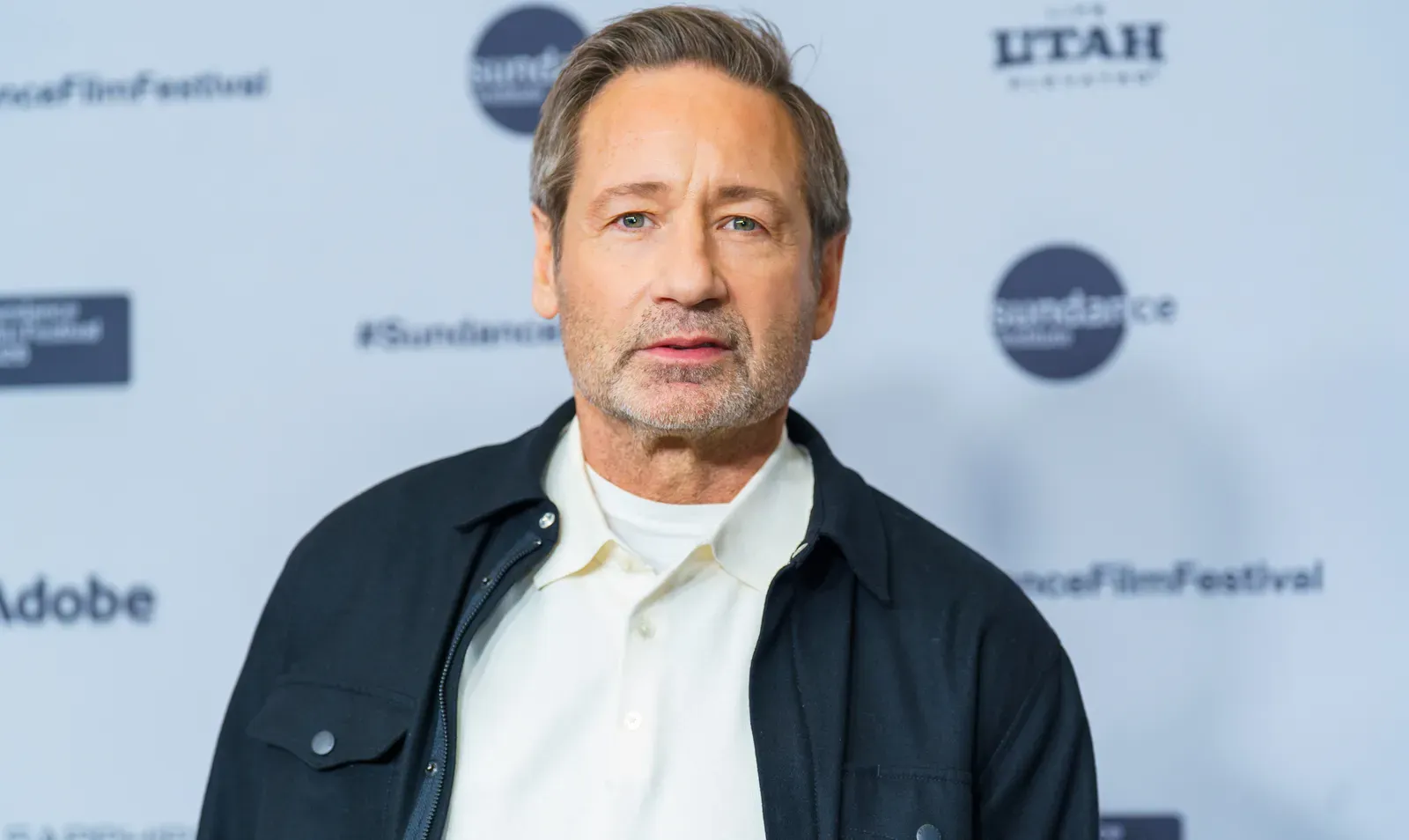
Zoolander opened to a lukewarm critical reception and box office returns that suggested a quick trip to the bargain bin, a fate that seemed reasonable for a broad fashion-industry spoof released in a rough year for comedies. What kept it alive in the cultural memory was a string of small, weird cameo moments, including one from David Duchovny as a mysterious hand model turned informant. His character’s exasperated reaction to Derek Zoolander’s relentless questioning was never written down.
Partner offer
In an oral history about the 2001 comedy by Vanity Fair, Duchovny recalls improvising his character’s somewhat irritated response to Derek Zoolander’s repeated question. The bit works precisely because it feels unrehearsed, a straight actor visibly losing patience with the absurdity around him. It’s become one of the most quoted exchanges from a movie that otherwise struggled to find its audience on release.
5. Blade Runner (1982) – Rutger Hauer’s “tears in rain”
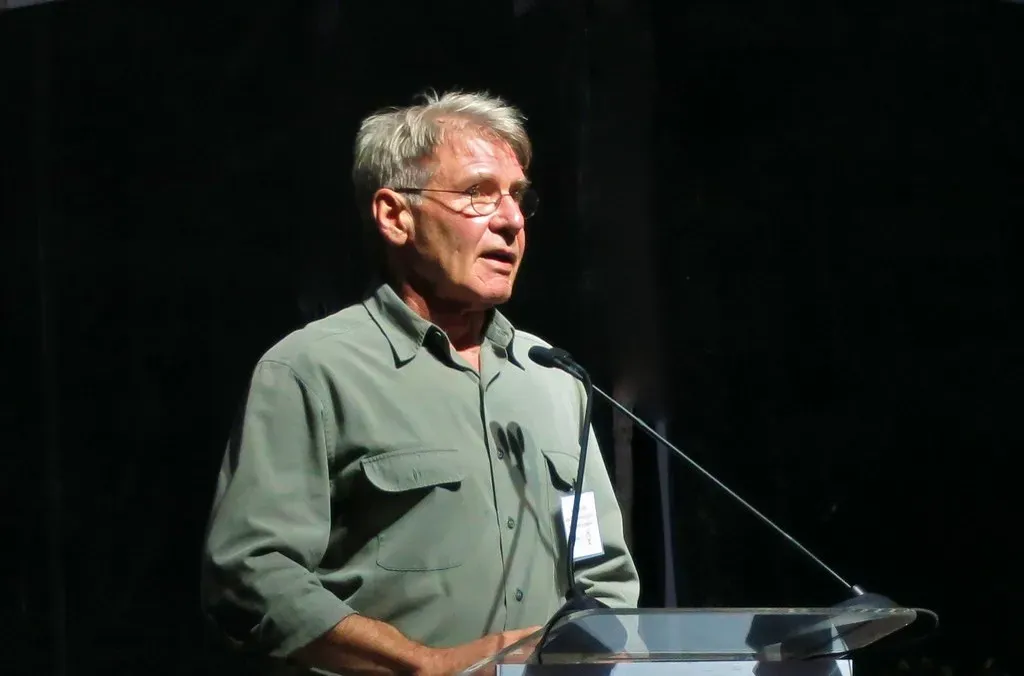
Blade Runner underperformed badly when it hit theaters, squeezed out by E.T. and met with reviews that called it cold and confusing. It took years of home video rediscovery and multiple recuts before critics started calling it a masterpiece. The scene most credited with giving the film its soul is Roy Batty’s dying monologue, delivered by Rutger Hauer in the rain atop a Los Angeles rooftop.
For his monologue in Blade Runner, Rutger Hauer decided to tweak the original script without telling anybody. He trimmed a longer, more technical speech down to something quieter and stranger, closing on a line about memories fading like tears in rain. That handful of rewritten sentences is now routinely cited as one of the great death scenes in science fiction, carrying a film that critics at the time mostly wrote off.
6. Clueless (1995) – “I’m keeping it real”
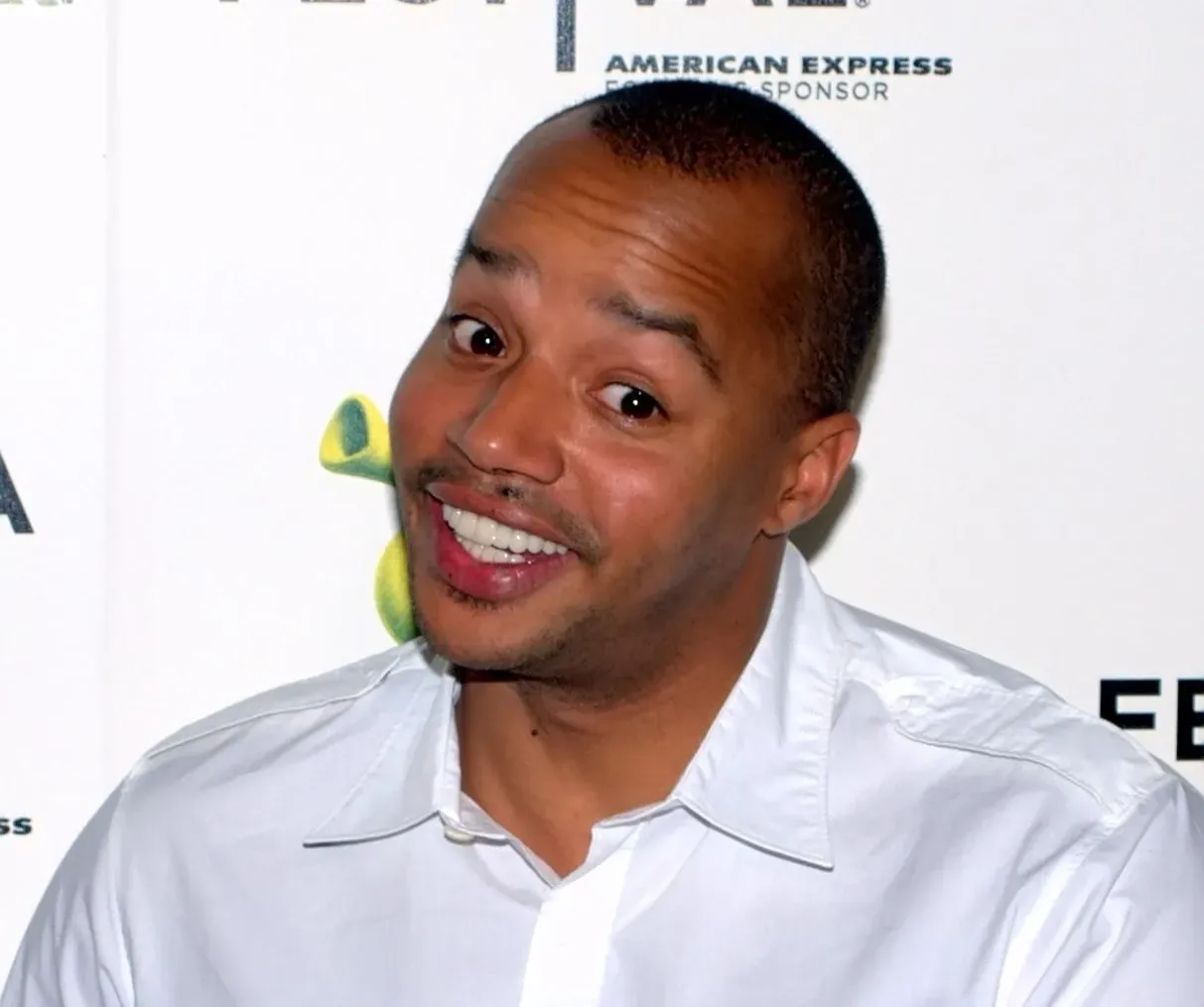
Clueless could easily have slipped into the pile of forgettable nineties teen comedies, a genre that produced dozens of interchangeable entries chasing the same slang-heavy formula. What separated it was dialogue that felt lived-in rather than written by committee, and one of its stickiest lines came from an actor filling in for a script gap. Donald Faison, playing Murray, needed a comeback after shaving his head at a party upset his girlfriend.
Writer-director Amy Heckerling uncertainly said she thought “I’m keeping it real” was in the script, but actor Donald Faison insisted he heard the phrase from a kid in his neighborhood who kept saying, “Just keep it real,” and put it in there himself. The phrase helped cement the film’s slang-driven voice, and it’s held up far better than most of the trend pieces the movie was riffing on. Without small ad-libbed touches like this one, Clueless risked feeling as disposable as its imitators.
7. The 40-Year-Old Virgin (2005) – the real chest waxing
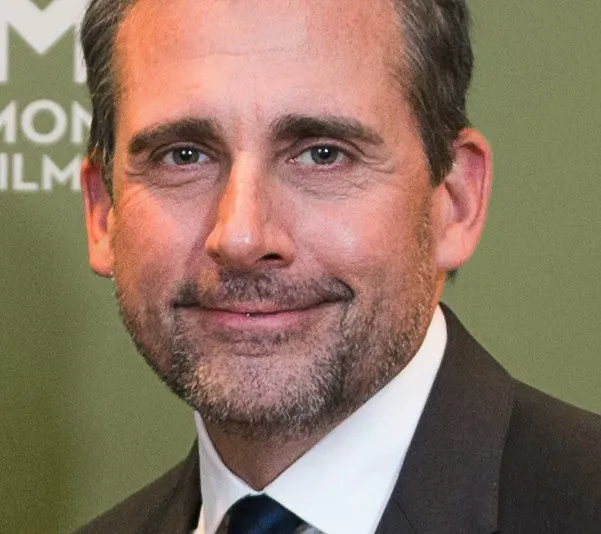
On paper, The 40-Year-Old Virgin was a fairly standard raunchy comedy premise dressed up with a likable lead, the kind of film that could have vanished into a crowded mid-2000s comedy lineup. What made it memorable, and turned it into Judd Apatow’s calling card, was Steve Carell’s decision to let his character actually get waxed on camera. The reactions were not acted.
The wax scene done by Steve Carell actually had a ton of unscripted lines, and because the waxing was real, live, and uncut, it made for really hilarious language and reactions from Carell. The genuine pain and profanity gave the scene a rawness no amount of scripted dialogue could fake, and it became the moment audiences described to friends who hadn’t seen the film yet. It’s a good example of how a single burst of honest reaction can do more for a comedy’s reputation than an entire polished script.
Taken together, these seven moments make a simple point: a movie’s reputation doesn’t always rest on its script, its budget, or even its overall reviews. Sometimes it rests on thirty unplanned seconds that an actor refused to let go to waste.Partner offer
Planning a trip to Vegas?
Compare hotel rates and show tickets on VEGAS.com.