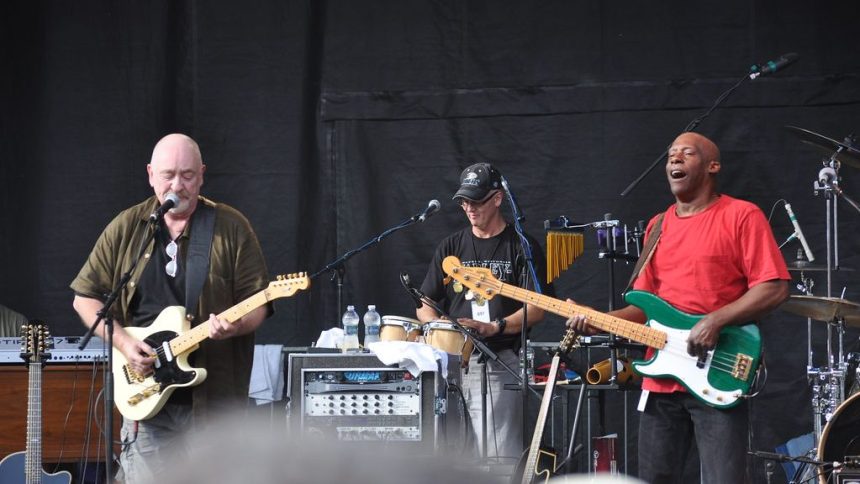
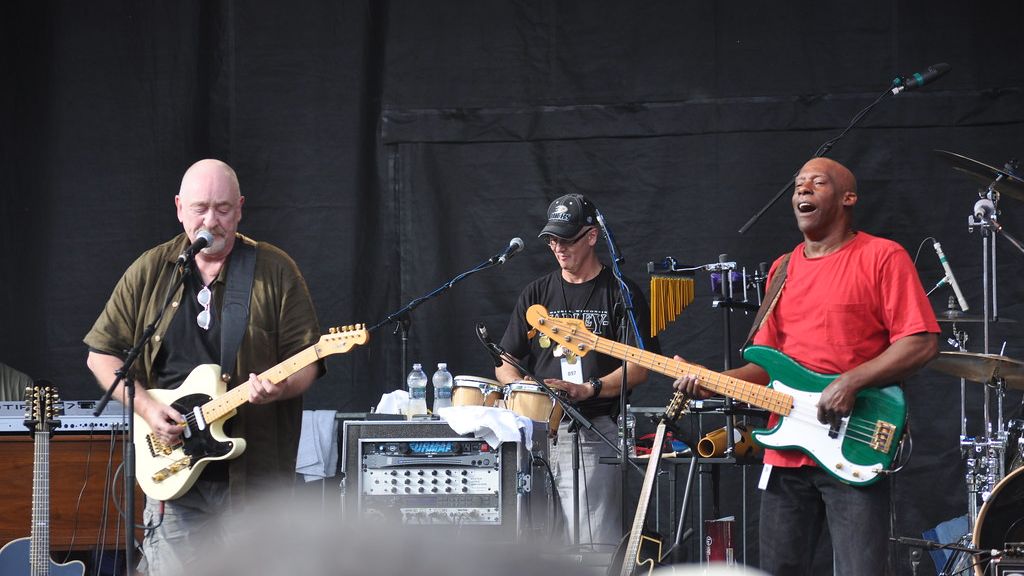
Roots in England’s Rock Scene (Image Credits: Flickr)
Gardnerville, Nevada — Dave Mason passed away peacefully on April 19 at his home here, settling into his favorite chair after dinner with his wife. The guitarist and songwriter, renowned as a co-founder of the psychedelic rock band Traffic, was 79.[1][2] His publicist, Melissa Dragich, confirmed the news, though no cause of death was disclosed immediately.[3] Mason had stepped away from touring in 2025 amid ongoing health challenges, including a serious heart condition diagnosed the year before.[4]
Roots in England’s Rock Scene
Born David Thomas Mason on May 10, 1946, in Worcester, England, he grew up in a rural Midlands setting where his parents operated a candy store. Music captivated him early through radio broadcasts of guitarists like Hank Marvin of the Shadows and blues masters such as Elmore James.[5] Self-taught on guitar, Mason formed teenage bands and later roadied for the Spencer Davis Group, whose young star Steve Winwood caught his attention.
By 1967, Mason joined Winwood, drummer Jim Capaldi, and woodwind player Chris Wood to launch Traffic. The group retreated to the countryside to craft an experimental sound blending jazz, psychedelia, and rock. Their debut album, Mr. Fantasy, yielded U.K. hits including Mason’s whimsical “Hole in My Shoe,” which climbed to No. 2.[4]
Band Drama and Timeless Hits
Mason’s independent songwriting style soon clashed with the collaborative core of Traffic. He departed after the debut but returned for the self-titled second album, contributing “Feelin’ Alright?” — a track he once described with a question mark to probe the listener’s mood.[1] Joe Cocker’s soulful 1969 cover transformed it into a staple, far outshining the original.
Tensions peaked when Winwood dismissed him bluntly after that album’s release. Mason rejoined briefly for a 1971 tour captured on Welcome to the Canteen, but full reunions eluded him. Traffic earned Rock & Roll Hall of Fame induction in 2004, honoring the band’s pioneering run.[5] His other Traffic gems, like “Paper Sun,” underscored his melodic flair amid the group’s jazz-infused jams.
Partner offer
Solo Path and Rock’s Inner Circle
Striking out alone, Mason debuted with Alone Together in 1970, a gold-certified effort featuring “Only You Know and I Know,” later a hit for Delaney & Bonnie. He notched further successes: gold albums Dave Mason (1974) and Mariposa de Oro (1978), plus the platinum Let It Flow (1977), home to his Top 20 single “We Just Disagree.”[2]
His journeyman ethos shone in elite sessions. Mason supplied 12-string acoustic to Jimi Hendrix’s “All Along the Watchtower,” shehnai drone for the Rolling Stones’ “Street Fighting Man,” and guitar to George Harrison’s All Things Must Pass. He toured with Delaney & Bonnie alongside Eric Clapton, guested on Paul McCartney and Wings’ “Listen to What the Man Said,” and even joined Fleetwood Mac from 1993 to 1995 for their album Time.[5]
Mason likened himself to “the Forrest Gump of rock,” weaving through eras with understated precision. Later releases included Future’s Past (2014) and A Shade of Blues (2023, with Joe Bonamassa), while his 2024 memoir Only You Know & I Know chronicled triumphs and trials, from bankruptcies to the 2006 loss of his son True.[1]
Key Collaborations:
- Jimi Hendrix: Electric Ladyland (“All Along the Watchtower”)
- Rolling Stones: Beggars Banquet (“Street Fighting Man”)
- George Harrison: All Things Must Pass
- Paul McCartney & Wings: “Listen to What the Man Said”
- Fleetwood Mac: Time (1995)
A Life of Music and Resilience
Mason’s spokesperson reflected, “Dave Mason lived a remarkable life devoted to the music and the people he loved.”[1] He is survived by wife Winifred Wilson, daughter Danielle, and extended family. Personal lows — drug struggles, lawsuits, failed deals — tested him, yet he endured, releasing music into his late 70s.
His guitar work, soulful and vocal-like, bridged psychedelia and heartfelt ballads. Fans cherished his annual tours, now silenced, but tracks like “Feelin’ Alright?” ensure his voice lingers in bars and airwaves alike. Mason’s path reminds that rock’s true constants often emerge from the sidelines.
Partner offer
Planning a trip to Vegas?
Compare hotel rates and show tickets on VEGAS.com.