There’s a moment in many public careers where the obituary feels ready to write itself. The roles dry up. The calls stop coming. The cultural conversation moves on. For a long time, that was considered the natural order of things – fame had a shelf life, and once it expired, it expired for good.
What’s been happening since 2024, though, tells a different story. In 2025, some professionals recovered overnight thanks to a presidential pardon, some earned hundreds of millions from sold-out tours, and others bought back their bankrupt companies and relaunched them on the stock market. The mechanics of the comeback have changed – and the strategies behind them are far less predictable than anyone expected.
The Myth That Dead Careers Stay Dead

Actors, musicians, and public figures have been defying the odds, reinventing their careers, and reminding the world why audiences fell in love with their talent in the first place. These resurgence stories aren’t about box office numbers or chart-topping hits – they’re about resilience, strategy, and the power of a well-timed re-emergence.
Setbacks don’t end careers – they define them. That’s easy to say in retrospect, of course. Living through a career collapse is something else entirely. Still, the evidence from the past two years suggests that falling out of relevance isn’t necessarily the end of the road. It can, in some cases, be the start of a far more compelling second act.
Robert Downey Jr.: The Blueprint That Everyone Copies
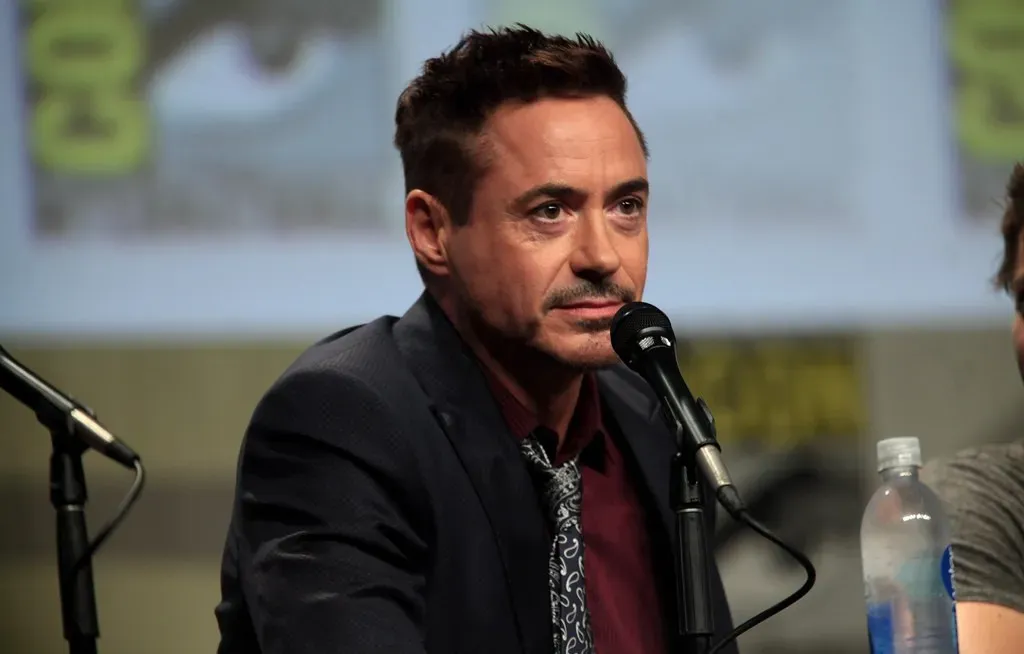
Robert Downey Jr. has perhaps the most inspiring and dramatic redemption arc in Hollywood. When he delivered his Oscar-nominated performance in Chaplin in 1992, he seemed destined for bigger things, but he ended up serving time behind bars on drug charges and was later written off from the series Ally McBeal.
It wasn’t until 2008 that the comeback of a lifetime was waiting for Downey. Jon Favreau and Kevin Feige showed faith in him in Iron Man despite many executives disagreeing with the casting. It was a huge hit, and the role was tailor-made for Downey to shine. The story didn’t stop there. He won the 2024 Academy Award for Best Supporting Actor for his performance as Lewis Strauss in Christopher Nolan’s Oppenheimer, which also won Best Picture.
Demi Moore: Thirty Years in the Making
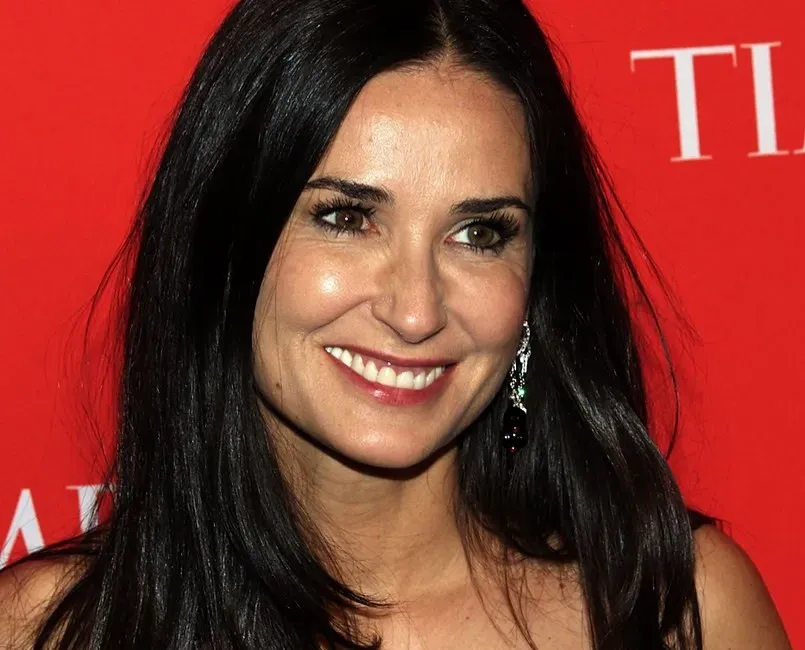
Demi Moore’s career grew into prominence during the 1980s and 1990s, but she went off the radar toward the 2000s and shifted to more indie films. Then came her starring role in The Substance, which challenged society’s expectations on aging women. The film arrived at a personal crossroads for Moore. By that point in her career, she had already been conditioned to think that Hollywood’s highest echelons were beyond her grasp. “Thirty years ago, I had a producer tell me that I was a ‘popcorn actress,'” Moore recalled when she accepted a Golden Globe. “I made that mean that this wasn’t something I was allowed to have – that I could make successful movies but that I couldn’t be acknowledged.”
Moore’s Oscar nomination marked a career high after she had nearly quit Hollywood entirely, and she took home her first Golden Globe at age 62. The real surprise in her story isn’t the award itself – it’s how deliberately she chose the risk. The actress said the award-winning movie came at a perfect time in her career, when she was reading scripts that didn’t move her, and she decided to “roll the dice” and take a risk despite knowing it could either be a success or a failure.
Angelina Jolie’s Quiet Return Through Deliberate Role Selection
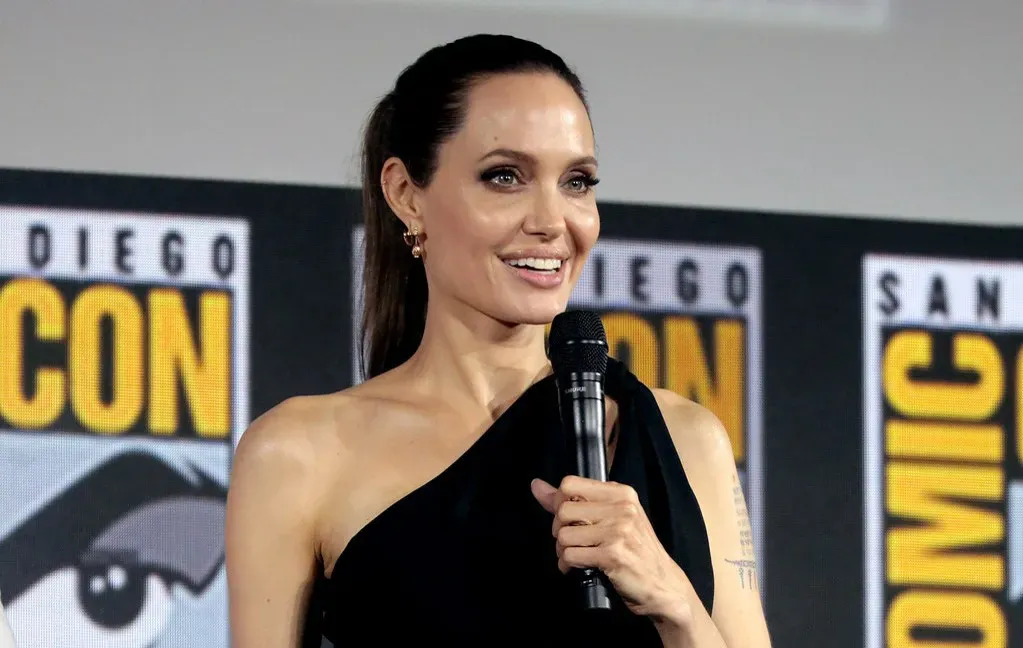
After Eternals fizzled in 2021, Angelina Jolie seemed content staying off the radar, focusing on parenting and making the occasional red carpet appearance. Then 2024’s Maria flipped the script. Her performance landed her a Best Actress nomination at the 82nd Golden Globes, and just like that, Jolie was back on every studio’s call sheet.
Jolie’s comeback is looking very intentional. That word – intentional – keeps surfacing in the most successful career revivals of the past two years. None of the big returns happened by accident or by simply waiting for the phone to ring. Her return wasn’t a single successful role; it was a strategic rebranding. By selecting a project so unlike anything she had done before, she proved herself to be adaptable and announced to the world that she was ready to step onto the world stage again.
The Surprising Role of Personal Branding in Career Revivals

Rebranding in 2025 is not cosmetic – it is strategic. It aligns your reputation with your reinvention. That shift in thinking has fundamentally changed how career comebacks get engineered. The rising demand for career reinvention has given rise to a new category of services – personal branding agencies that specialize in rebranding individuals.
It’s not about vanity or showing off – it’s about strategically managing how you are perceived so that you can accelerate towards your goals. As one Forbes contributor noted, your brand is one of your most valuable assets in the workplace: it’s what makes you stand out, opens doors, and propels your career forward. Professionals who once dismissed personal branding as social media fluff are now treating it as core infrastructure for a comeback.
Why Timing Matters More Than Talent Alone
From crypto executives to Figma founders and the Gallagher brothers of Oasis, some of the most notable career reversals of recent years involved tough individuals who hit rock bottom and fought their way back to the top – turning scandals, losses, and bans into springboards, riding on the waves of the times. The phrase “riding on the waves of the times” is doing a lot of work there. Culture creates windows, and the smartest revival stories open at exactly the right moment.
Social media is a powerful tool here – platforms like Instagram allow public figures to engage directly, share their journey, and foster loyalty. Timing a re-entry now involves watching cultural conversations, not just waiting for an opening in a calendar. In 2025, predictive analytics tools can even help anticipate audience preferences, suggesting content topics or optimal engagement times.
The Data-Driven Side of Staging a Comeback

As personal branding matures, it’s becoming more strategic and data-driven. Professionals are treating their brand like a campaign – setting measurable goals, tracking metrics, and adjusting based on feedback. They might track engagement rates on posts, growth in follower counts, or website traffic. This is a long way from the old model of hiring a publicist and hoping for a flattering profile piece.
In practice, sharing content relevant to a new path and explaining the story behind the pivot matters enormously. Blogging or posting about a journey out of burnout, what was learned, and where things are headed draws people in through authenticity. A brand reinvention is not instantaneous. Patience, it turns out, is one of the most underrated ingredients in any genuine career revival.
When the Pivot Is the Strategy

If a professional pivots too abruptly or without explanation, they will confuse people. Done strategically, however, they can retain most loyal fans and even attract new ones. The pivot – moving into a genre, medium, or industry that feels unexpected – has become one of the most potent weapons in the modern comeback toolkit.
The best rebrands do not erase the past. They connect old skills and stories to new ambitions, building a bridge between experience and reinvention. That’s the part most people miss when they observe a successful pivot from the outside. It looks like a clean break, but underneath it’s a carefully constructed thread that runs back to everything that came before.
The Broader Career Lesson: Setbacks as Strategic Resets
The collapse of a career can be swift and brutal, but the plot of a comeback can also be equally powerful. For professionals watching from the outside – or living through their own version of a career stall – the most important insight from recent years is that the narrative doesn’t have to end with the fall. A setback is the catalyst for needing a comeback to begin with.
These examples demonstrate the resilience, adaptability, and sheer talent required to navigate demanding industries and make a triumphant return. Their stories underscore the power of perseverance and the enduring allure of a good comeback story. What’s changed is that perseverance now comes with a toolkit – branding, timing, audience analytics, deliberate project selection, and a willingness to be genuinely, visibly vulnerable about what went wrong.
What the Best Comebacks Actually Have in Common

Strip away the individual stories and a pattern emerges. Whether it’s an actor choosing a career-redefining horror film, a tech founder rebuilding after a market collapse, or a professional reinventing their public identity after a layoff, the most durable revivals share a common thread. A personal brand is the perception others form based on every interaction. An audience will likely stick with someone who honors that perception by keeping trust, transparency, and value at the heart of a transition.
Hollywood – and the broader professional world – loves a good story, and there’s no story more captivating than a triumphant return. Every year, stars who have retreated from the limelight come back to the center of the cultural discussion. The most striking thing about the comeback wave of 2024 to 2026 isn’t the scale of the returns – it’s the sophistication behind them. The instinct to wait and hope has been replaced, quietly and decisively, by a strategy.