There was a time when turning down a major studio role felt like career suicide. Agents would beg, managers would negotiate, and even reluctant actors would eventually sign on the dotted line. That calculus has shifted considerably over the past few years, and the change is not just anecdotal. Something structural is happening inside Hollywood that is pushing more performers toward the exit door – often at the exact moment the industry needs them most.
The reasons are layered and often interconnected. Some actors are driven by personal well-being. Others are reacting to economic realities, AI anxieties, or a simple exhaustion with franchise treadmills. Understanding the full picture requires looking at the industry from multiple angles, because no single cause tells the whole story.
The Strikes Left a Lasting Psychological Mark
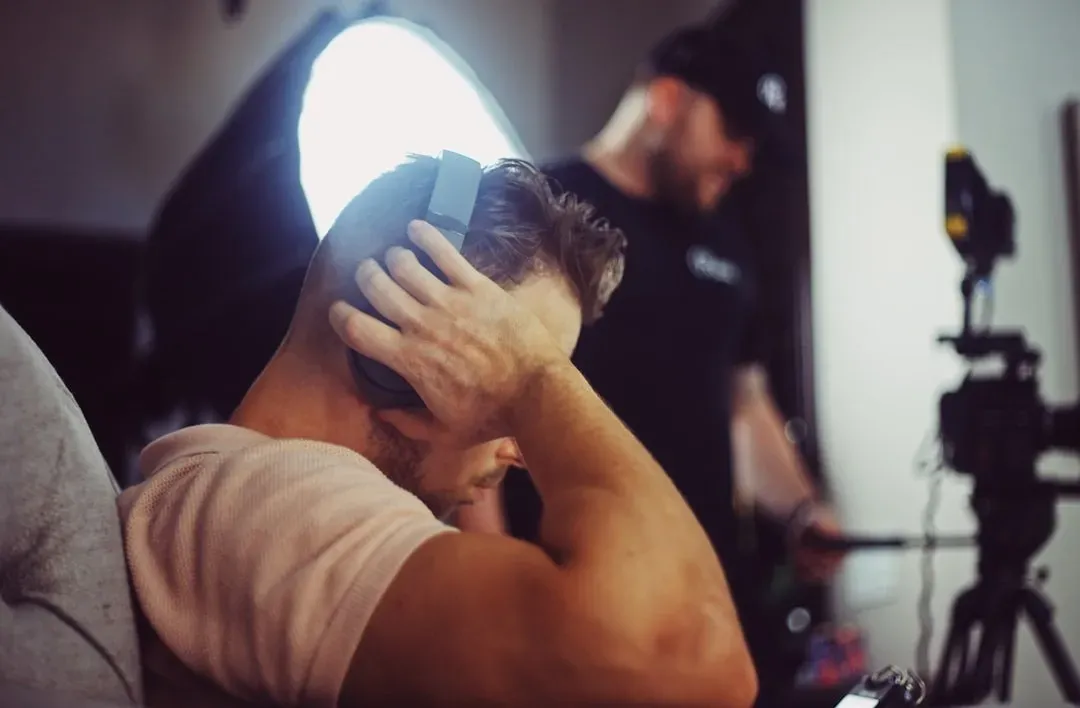
The 2023 Writers Guild of America and SAG-AFTRA strikes, which halted productions across the board, cost the industry an estimated five to six and a half billion dollars nationwide, with Southern California alone absorbing billions in economic losses. That kind of disruption doesn’t resolve itself quickly, and it certainly didn’t resolve itself emotionally.
After the physical and emotional toll of the strikes, many actors who had lived off savings and odd jobs for six months were expecting a sense of normalcy to return in the 2024 pilot season. That expectation was never really in the cards, as the effects of the walkout delayed production of both new and existing series. The psychological reset that many performers needed never arrived, and that fatigue is now quietly shaping their decision-making when new offers land on the table.
Franchise Fatigue Is Real – and Actors Feel It Too
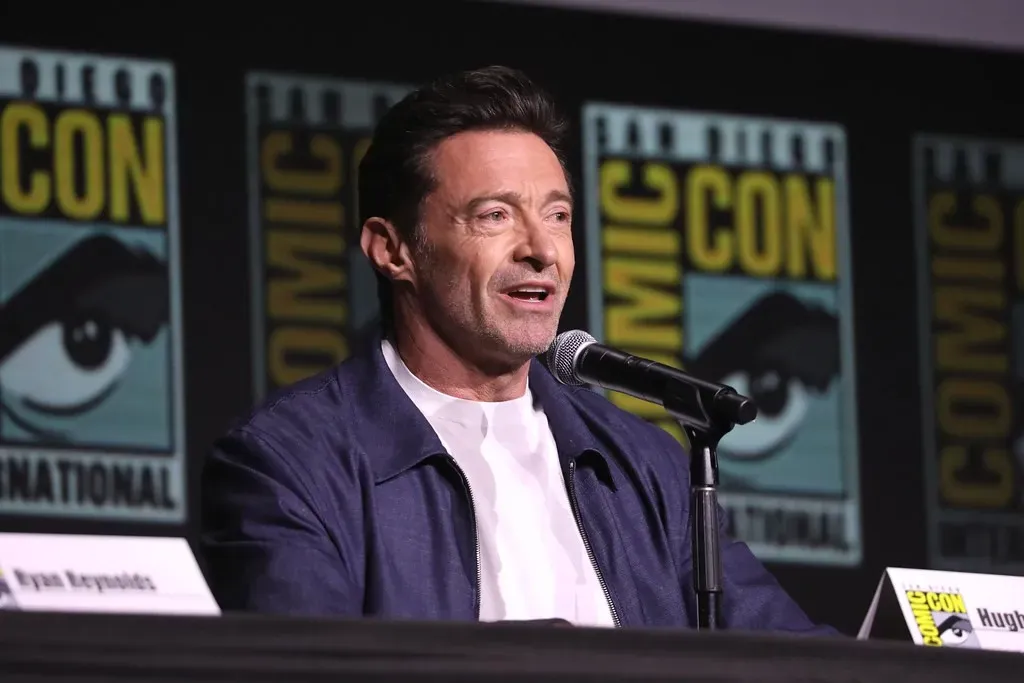
Studios like Warner Bros., Disney, Universal, and Paramount leaned hard on familiar franchise titles to bring audiences back into theaters in 2024, but moviegoers began tiring of these IP-driven films as some of 2023’s standouts had succeeded precisely because they brought fresh ideas. That audience exhaustion is mirrored on the talent side, with actors increasingly reluctant to commit to multi-film contracts that lock them in for years at a time.
Hugh Jackman, for example, declined the role of James Bond after years as Wolverine precisely to avoid overexertion and typecasting. He has spoken about not wanting his entire career tied to two iconic characters simultaneously, and about his need for diverse roles and personal recovery. His case is far from unique. Many performers today apply the same logic before signing onto any long-running franchise commitment.
Mental Health Is Now a Factor Actors Name Openly

Research from the University of Sydney has found that actors experience significantly higher levels of depression, anxiety, and stress than the general population. In Hollywood, turning down a blockbuster can seem unthinkable, but for some actors, no role is worth sacrificing mental, emotional, or physical well-being. The difference now is that this reasoning is no longer whispered – it’s openly stated.
Health and wellness concerns are increasingly relevant to career decisions. The physically demanding nature of film sets takes a serious toll on the body, especially over extended periods. Chronic conditions can force reduced workloads or early retirement, while mental health challenges are gaining recognition as a genuine obstacle to sustainable careers. The culture around that conversation has changed, and many actors are now more willing to walk away from a role than they would have been a decade ago.
AI Anxieties Are Driving a New Kind of Caution
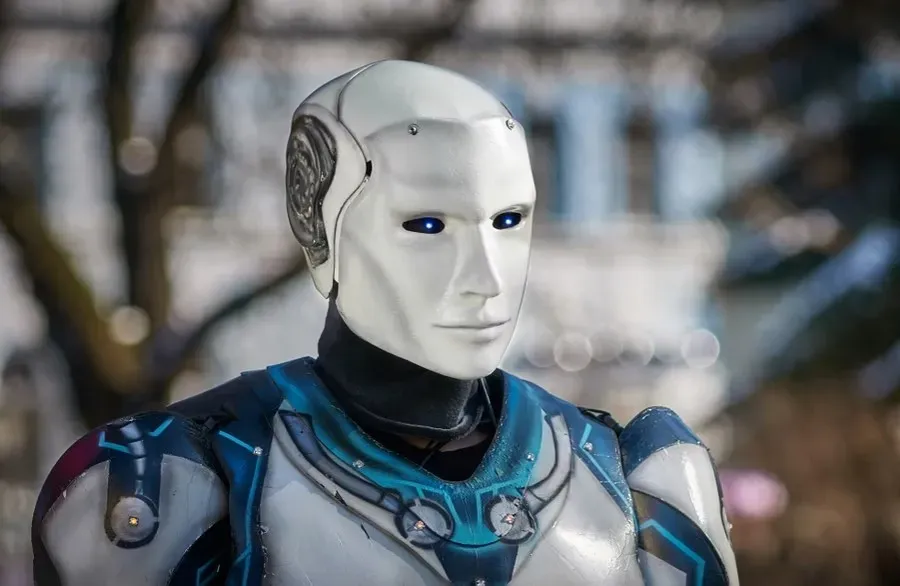
In December 2025, Walt Disney made its biggest AI move yet by entering a licensing agreement with OpenAI for its Sora video generation tool and investing a billion dollars in the company. Until now, studios had been eager to tout AI’s benefits to investors while staying quiet about their actual experiments, fearing they would antagonize talent and alienate labor unions. That tension has not gone unnoticed by the acting community.
While some artists are open to AI technologies, others want nothing to do with them. Among the biggest concerns is the unauthorized use of AI-generated digital replicas of a performer’s visual or vocal likeness for commercial purposes. Writers and actors went on strike for months in 2023 largely over AI concerns, and with those contracts expiring again in 2026, Hollywood is already bracing for another potential labor stoppage. That backdrop makes some actors deeply wary of signing any deal without ironclad protections built in.
Partner offer
Creative Misalignment Is a Growing Dealbreaker

Not every refusal comes from exhaustion or fear. Increasingly, actors are turning down roles simply because the material doesn’t resonate with them creatively – and they’re willing to say so plainly. Glen Powell, for instance, turned down a role in the Jurassic World franchise despite calling it one of his favorite movie series of all time. His reasoning was direct: he read the script and felt that his presence in that particular film simply wouldn’t help it.
In a similar vein, Eric André was offered the role of Benji in the film “A Real Pain” by director Jesse Eisenberg, who personally believed André would be a strong fit. André declined, describing the material as not in his creative lane. The role ultimately went to Kieran Culkin, who turned in a performance so well-received that the film earned two Oscar nominations, with Culkin winning Best Supporting Actor. The cost of creative misalignment can be enormous – but more actors are willing to pay it.
The Economics of Hollywood Have Quietly Shifted
Economic pressures play a major role in how performers approach career decisions. Global film production spending hit a record of over two hundred and twenty billion dollars in 2024, but the industry is still recovering from pandemic-related layoffs. That paradox – record spending alongside lingering job insecurity – has created a strange environment where the numbers look healthy on paper but the ground level reality is much harder.
Unemployment in film and TV hit over sixteen percent in mid-2024, and the entertainment industry’s broader unemployment rate reached nearly eleven percent, more than double the national average at the time. The 2023 and 2024 strikes altered many production pipelines, leading to fewer mid-budget films and series. The resulting content pipeline skewed toward fewer, higher-risk projects, often franchise titles with legacy casting, which further constrained opportunity for new and mid-career performers alike.
Representation Gaps Are Pushing Actors to Be More Selective

Hollywood casting patterns in 2024 and 2025 revealed a troubling reversal in racial and gender diversity. Despite the commercial success of films like “Wicked,” the share of lead roles held by people of color and women declined in both years. In 2024, actors of color held roughly a quarter of lead roles in top-grossing films, down from nearly three in ten the year before.
Films with diverse casts tend to perform better globally, yet Hollywood’s efforts to increase representation have stalled, especially in key creative roles like writers and directors. This setback complicates the pursuit of meaningful, diverse opportunities and highlights ongoing barriers that hinder true industry progress. For actors from underrepresented groups, turning down roles that feel tokenistic or reductive has become an increasingly principled stance, not just a personal preference.
The Burnout Cycle Has Become a Public Conversation

Celebrities leaving Hollywood because of burnout is no longer a private matter. A growing list of talented actors have openly removed themselves from the industry rat race specifically for the sake of their mental health. What changed is the willingness to name it. A generation ago, exhaustion was managed quietly. Today, actors talk about it in interviews, on podcasts, and in public forums with a candidness that was previously unthinkable.
Actors have described the kind of exhaustion that comes from completing back-to-back projects as “the sort that one night of sleep doesn’t fix,” a phrase that resonates widely among performers who have pushed through grueling production schedules. In Hollywood, turning down a blockbuster can seem unthinkable, but for some actors, no role is worth sacrificing mental, emotional, or physical well-being – and these decisions prove that balance can matter more than box office.
A New Kind of Actor Is Emerging
Hollywood’s acting industry in 2025 reflects both significant progress and persistent challenges. The historic 2023 strikes secured crucial AI protections and wage increases, establishing important precedents for human creativity in an increasingly digital landscape. SAG-AFTRA’s more than one hundred and sixty thousand members now have stronger contractual protections, though the underlying employment reality remains challenging.
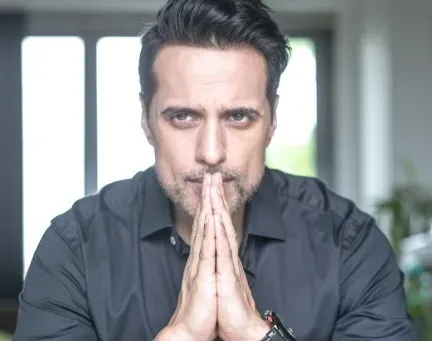
The actor who says no is no longer the outlier. Whether driven by burnout, creative integrity, AI concerns, or a hard look at what a multi-year franchise commitment actually costs, more performers are exercising a kind of agency that the industry hasn’t had to reckon with at this scale before. The industry’s focus on commercial viability can narrow creative options considerably. Staying relevant now requires actors to continually evolve, explore different genres, and balance artistic integrity with market demands – and for many, that means saying no more often than the studios would like.
Partner offer
Planning a trip to Vegas?
Compare hotel rates and show tickets on VEGAS.com.