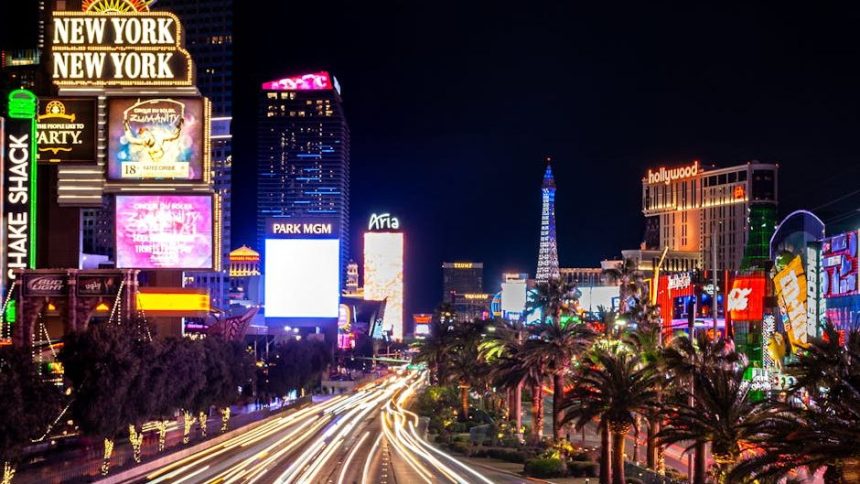
There’s something about Las Vegas that pulls people in beyond the obvious. It’s not just the lights, the casinos, or the year-round warmth. For hundreds of thousands of newcomers arriving each year, the Las Vegas Valley represents something harder to name – a place where your past doesn’t follow you through the door. Psychologists have a word for that urge: escapism.
The valley is one of the most relentless growth machines in the American West, and the people flooding into it aren’t simply chasing tax breaks. Many are chasing a version of themselves they haven’t quite been able to access yet. Understanding why that happens – and what psychology actually says about it – is worth unpacking carefully.
A City Built for Reinvention
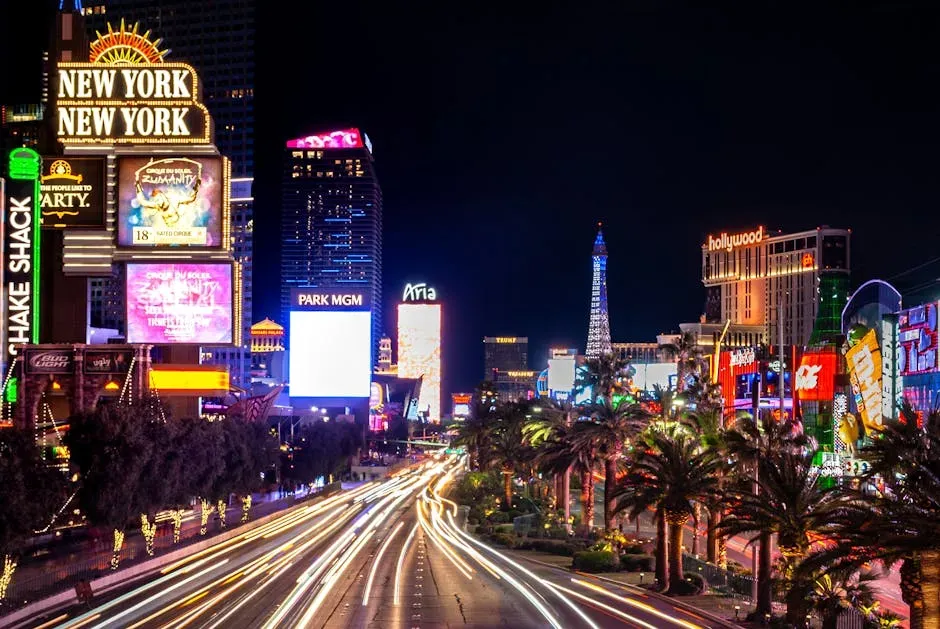
Las Vegas was designed, almost architecturally, to suspend the normal rules of daily life. The 24-hour economy, the lack of clocks on casino floors, the perpetual stimulation – these are features, not bugs. For newcomers, this environment creates an immediate psychological rupture from wherever they came from, and that rupture can feel like freedom.
Escapism is defined as mental diversion from unpleasant aspects of daily life, typically through activities involving imagination or entertainment. Moving to a city that embodies this quality around the clock gives that psychology a physical address. People don’t just visit Vegas to escape anymore – they stay, and they rebuild around the idea of it.
A tourism boom isn’t the only phenomenon making waves in Sin City. In recent years, more and more out-of-towners have made Greater Las Vegas their home, and unlike some pandemic-era migration hotspots, Las Vegas continues to attract new residents. That steady pull deserves a closer psychological look.
The Migration Numbers Are Real and Growing
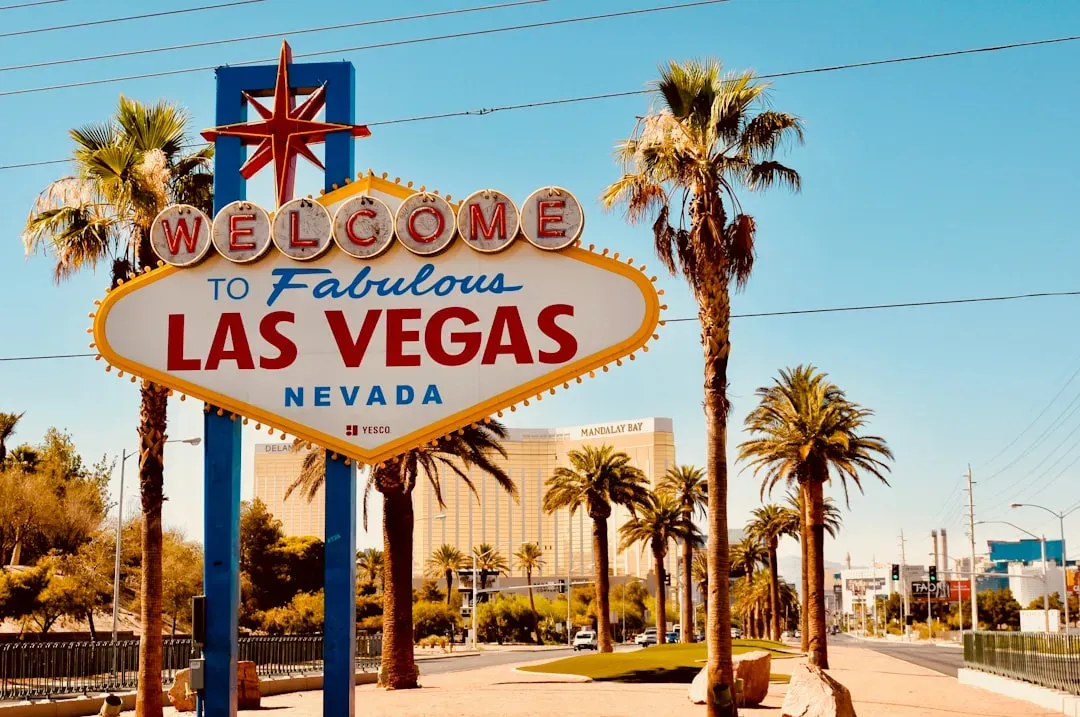
The metro area population of Las Vegas in 2025 was 3,000,000, a 1.59% increase from 2024. The metro area population in 2024 was 2,953,000, a 1.86% increase from 2023. These aren’t just demographic figures – they represent a continuous wave of people choosing to fundamentally relocate their lives.
Nevada continues to be one of the fastest-growing states in the United States, with a 2025 population of about 3.32 million driven primarily by net migration, especially from California, rather than natural increase. Growth is concentrated in urban areas like Las Vegas and Reno, bringing political implications for redistricting, voter demographics, housing affordability, and infrastructure.
Nevada’s positive net migration can largely be attributed to inbound movers from California. Since 2020, 158,000 Californians have moved to the state, accounting for 43% of new residents within the past four years. Many of those arrivals frame their decision as a fresh start – lower taxes are part of it, but that explanation alone doesn’t capture what’s really going on emotionally.
The Psychology of the “Fresh Start Effect”

Despite its challenges, moving is also a chance for renewal. Psychologists refer to the fresh start effect: temporal landmarks, like a new year or new address, naturally motivate people to start new goals and habits. A move to Las Vegas is one of the more dramatic temporal landmarks a person can choose.
A study published in the Journal of Environmental Psychology shows that every home is part of what researchers call “place identity.” When we change where we live, we don’t just lose a physical space – we also lose a piece of the identity we built around it. Rebuilding that identity takes time, patience, and emotional resources.
In 2025, an increasing number of individuals are not just changing their names and legal identities for practical reasons, but for deeply personal psychological motives. From escaping traumatic experiences to rebuilding self-worth after public failure, starting over has become a legitimate mental health strategy for thousands of Americans. Relocating to Las Vegas fits neatly within that larger cultural pattern.
Self-Suppression vs. Self-Expansion: Two Very Different Escapes
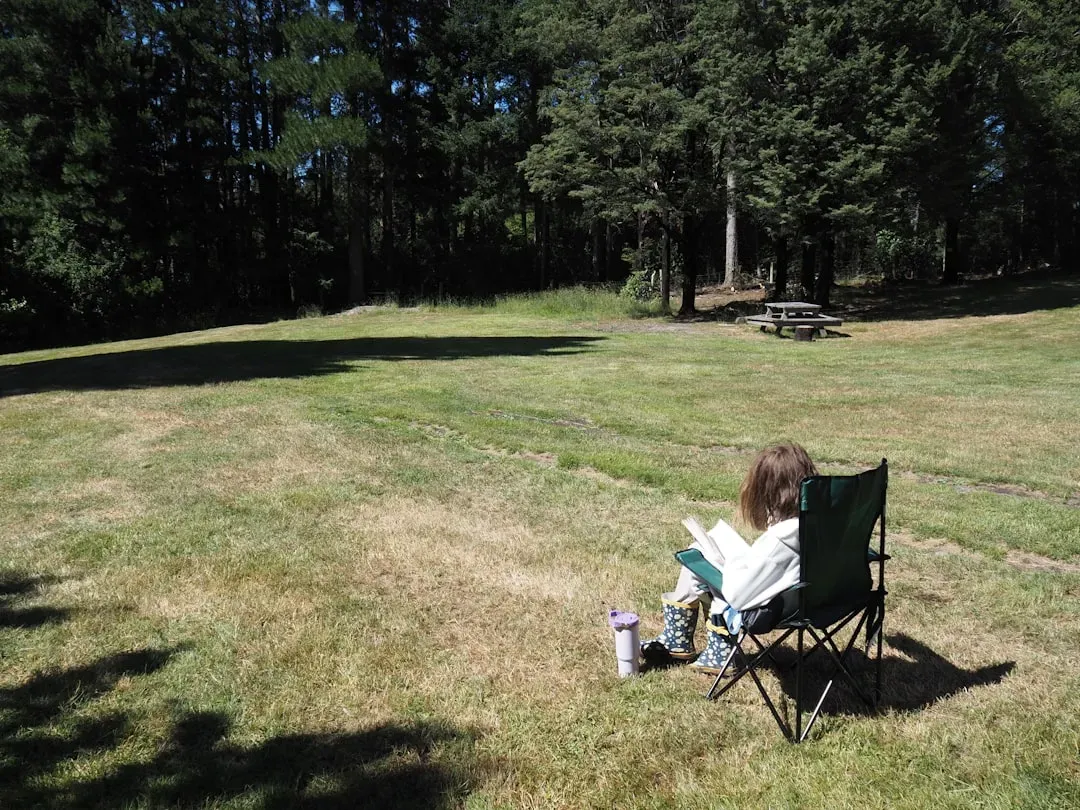
Escapism is the psychological tendency to divert attention from unpleasant realities or routine through engagement in fantasy, entertainment, or imaginative pursuits, often serving as a coping mechanism for stress but potentially escalating into maladaptive behaviors when chronic. In its benign forms, escapism facilitates temporary relief and emotional regulation, with studies distinguishing self-suppression variants – where individuals alienate from their core self, correlating with negative outcomes like reduced self-esteem – and self-expansion types that foster personal growth through novel experiences.
Recent psychological research distinguishes between maladaptive self-suppression escapism, which involves avoidance and correlates with lower well-being, and adaptive self-expansion escapism, where engagement in activities fosters personal growth and positive outcomes. In a 2023 study of recreational runners, self-expansion escapism was positively associated with subjective well-being and life satisfaction, while self-suppression showed negative links.
Las Vegas newcomers often arrive in one mode and end up discovering the other. Some come to hide. Others, over time, find that the distance from their old life gives them enough breathing room to actually grow. The city doesn’t determine which path they take – but its environment makes both routes very accessible.
Environmental Triggers and the Role of Place in Identity Rebuilding

Psychologists draw attention to the concept of environmental reinforcement. When individuals attempt to rebuild their lives without changing their environment, they often remain surrounded by social cues that trigger reminders of failure or trauma. Friends, creditors, former employers, and digital traces can reinforce negative self-perceptions. Legal identity change, combined with relocation and other strategies, can effectively remove these triggers, enabling authentic behavioral transformation.
Research shows that the bond between people and their environments shapes both self-identity and well-being. That’s why the first night in a new house often feels unsettling – your brain hasn’t yet built those comfort cues. Las Vegas accelerates that disorientation in a way that can be either destabilizing or liberating, depending on the person.
Qualitative research has explored the experience of relocation on self-identity, focusing specifically on the concept of self-shock – the idea that being in a foreign environment impacts an individual’s ability to maintain a consistent identity. In a city as extreme as Las Vegas, that self-shock can be intense, and its resolution shapes who people become long-term.
Partner offer
The Dopamine City: How Las Vegas Feeds Escapist Psychology
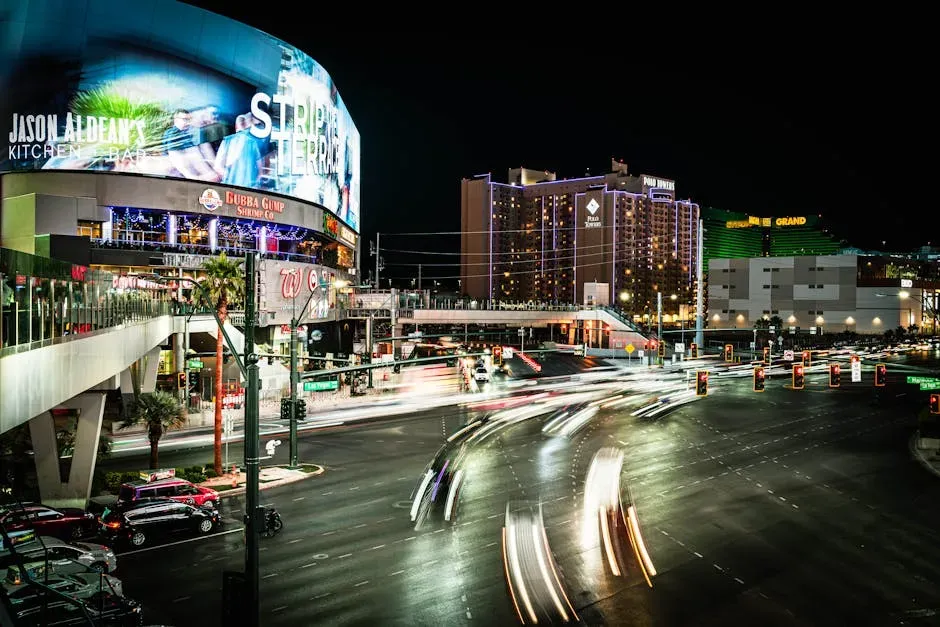
One of the primary reasons escapist activities are so addictive is their ability to trigger dopamine release in the brain. Dopamine, often referred to as the “feel-good” neurotransmitter, is associated with pleasure and reward. Activities such as gaming, gambling, and social media provide instant gratification, delivering short bursts of pleasure that can temporarily improve mood. This is particularly effective in a world where stress and uncertainty are constant.
Las Vegas is, structurally, a dopamine delivery system. The casinos, the nightlife, the constant novelty – they all feed the same neurochemical loop that escapism research identifies as central to avoidance behavior. For newcomers, that loop can feel identical to reinvention, at least in the beginning.
Escapism is usually associated with two positive results, such as mood restoration and relaxation. Bad outcomes associated with escapism include social withdrawal and excessive media use. The need to escape can be heightened by emotions such as grief, fear, fatigue, and low self-esteem. Many Las Vegas transplants arrive carrying at least one of those emotional states, which the city’s environment is particularly skilled at masking.
When Escapism Becomes a Mental Health Risk

Research shows that engaging in escapism that disconnects us from ourselves and discourages self-awareness strongly predicts lower life satisfaction. This is likely because personal growth requires us to confront uncomfortable truths, and avoiding them can stand in the way of achieving a deeper sense of fulfillment.
Approximately 8.1% of Las Vegas area resident adults suffer a major depressive episode every year on average. Gambling and substance abuse are intricately tied to mental health disorders. That figure sits uncomfortably against the city’s glossy public image, and it reflects what happens when self-suppression escapism goes unchecked in an environment designed to keep it going.
Research using longitudinal qualitative study of “gambling careers” suggests that processes of behavior change are embedded in wider social relations and revolve around shifting concepts of self-identity. This involves processes of biographical and temporal reconstruction which are grounded in material circumstances, particularly those relating to money and social relationships. Identity rebuilding in Las Vegas, in other words, is not a clean story – it’s shaped heavily by financial and social realities that newcomers sometimes underestimate.
The Role of Anonymity in Identity Reconstruction
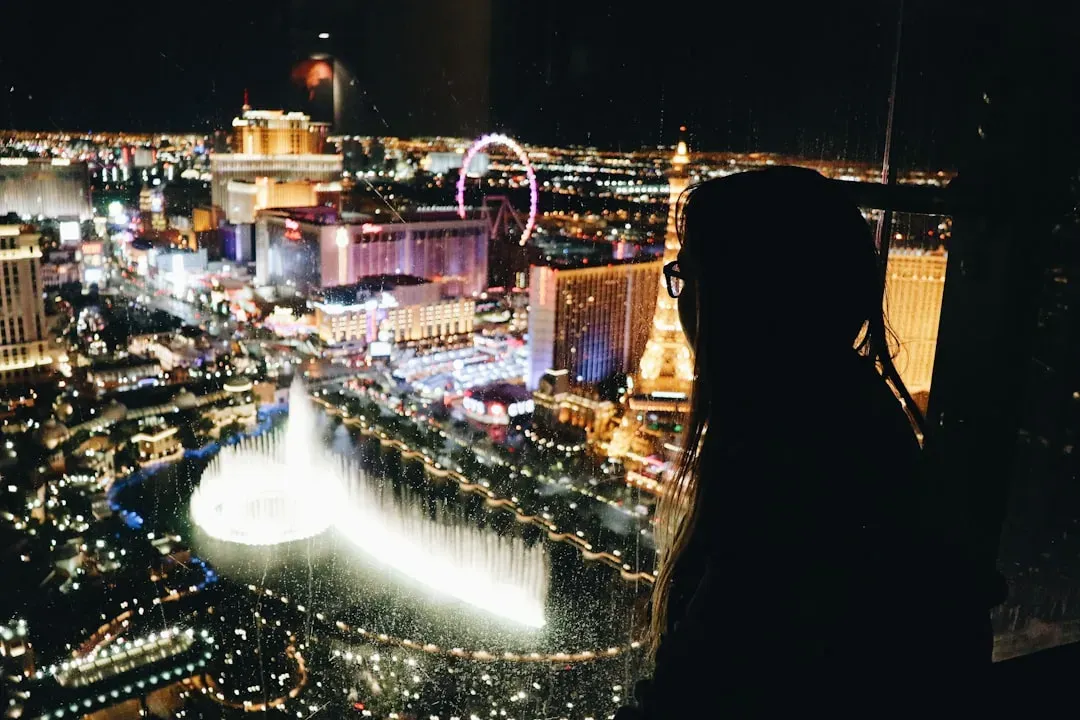
Las Vegas has always traded on anonymity. The old marketing phrase – “what happens here, stays here” – isn’t just tourism branding. It’s a psychological promise. For people arriving with damaged reputations, broken relationships, or simply exhausted versions of their old selves, that anonymity functions as a permission slip to start differently.
The specifics of escapism include the building of an alternative self-image, a process-oriented approach that leads to flow experience. The main dimensions in the structure of escapism include reasons of occurrence, the positive or negative outcome of escapist activity, level of consciousness, and the localization of subjectively alternative reality. In physical terms, Las Vegas creates that “alternative reality” more vividly than almost any other American city.
Escapism can lead not only to suppression of self but also to its enrichment and expansion. The distinction matters enormously for Las Vegas newcomers. Those who use the city’s anonymity as a space for genuine self-examination – rather than pure avoidance – tend to report very different long-term outcomes.
Homesickness, Belonging, and the Hidden Difficulty of Staying

Relocation is typically accompanied by an assortment of emotional dilemmas, and homesickness is a significant one that goes beyond simple nostalgia and falls into deep confusion. This syndrome can lead to prolonged emotional distress, especially in individuals who are having difficulty finding their place in new environments. Homesickness has been termed “nostalgic disorientation,” where the disruption of one’s usual psychosocial environment disturbs their sense of direction and identity.
One of the greatest challenges of moving is the quest to find a sense of belonging in a new environment. Whether you’re relocating to a new city, state, or country, forging connections with your surroundings and cultivating a sense of community can help ease the transition and promote emotional well-being. Las Vegas can feel intensely lonely despite its constant activity – a paradox that trips up many newcomers.
Recent years show acceleration in Nevada’s growth, with factors including remote work enabling location flexibility, the California exodus seeking lower cost of living and taxes, retiree relocation choosing warm climates, and business relocations attracted by Nevada’s favorable regulatory and tax environment. These are the practical reasons people state. The emotional reasons – the need for a different self – tend to emerge only after arrival.
Building Something Real: When Escapism Becomes Genuine Growth
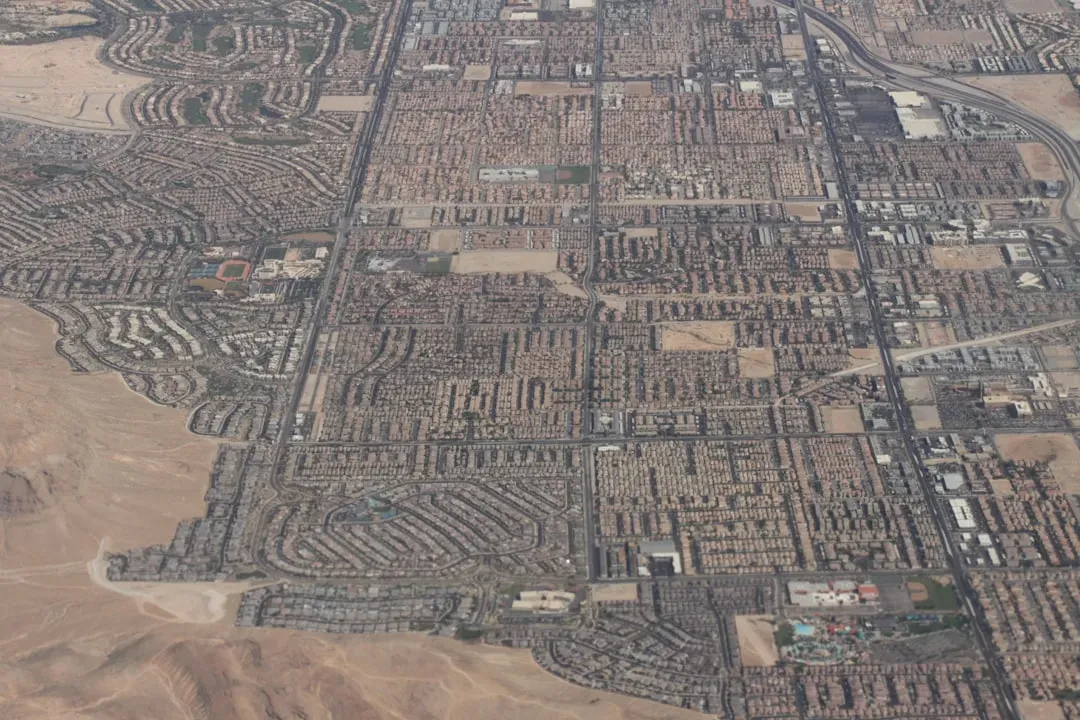
Although escapism is often criticized as a way to avoid problems, studies show that it holds the potential to create space for processing distress and heavy emotions. This is the version of the story that doesn’t often get told about Las Vegas transplants – the ones who used the move as a genuine psychological reset rather than an ongoing avoidance strategy.
Various configurations of recovery exist, but common to all is a dynamic temporal reorientation and an increased sense of agency and authenticity as individuals move into a future that they feel they have some control over. That sentence, drawn from gambling recovery research in Las Vegas, applies equally well to the broader experience of identity reconstruction in the valley.
Engaging with creative efforts often leads to innovation and personal growth, proving that escapism, when balanced, can be both productive and positive. Whether through art, literature, or moments of self-reflection, the act of stepping away from reality can ultimately help individuals return to their lives with renewed energy and perspective. People who treat Las Vegas as a deliberate starting point – rather than a hiding place – often find exactly this. The city hands you a blank canvas. What you paint on it is still entirely up to you.
The Las Vegas Valley will keep growing. The people arriving will keep carrying their complicated mix of practical motives and unspoken emotional ones. What psychology reveals, consistently, is that the city itself is neither the cure nor the problem. It’s simply the most dramatic stage most people will ever stand on – and whether they use that stage to escape themselves or to finally find themselves depends on a quiet internal decision most of them don’t even know they’re making.
Partner offer
Planning a trip to Vegas?
Compare hotel rates and show tickets on VEGAS.com.