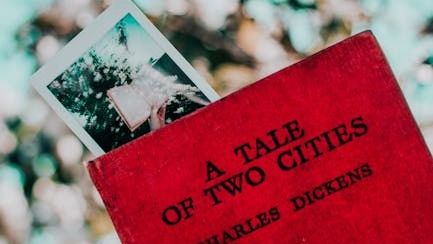
Some sentences refuse to stay on the page. They escape their original context, get borrowed, twisted, mocked, honored, and recycled across centuries until they take on a life entirely separate from the books that first gave birth to them. It’s a strange kind of literary immortality – earned not through preservation but through endless reinvention.
The sentences collected here share one defining quality: writers, educators, parodists, and readers simply could not leave them alone. Each one proved so charged with rhythm, meaning, or structural elegance that generation after generation felt compelled to rewrite it. Here are twelve of the most restless sentences in the entire canon.
1. “It is a truth universally acknowledged…” – Jane Austen, Pride and Prejudice (1813)
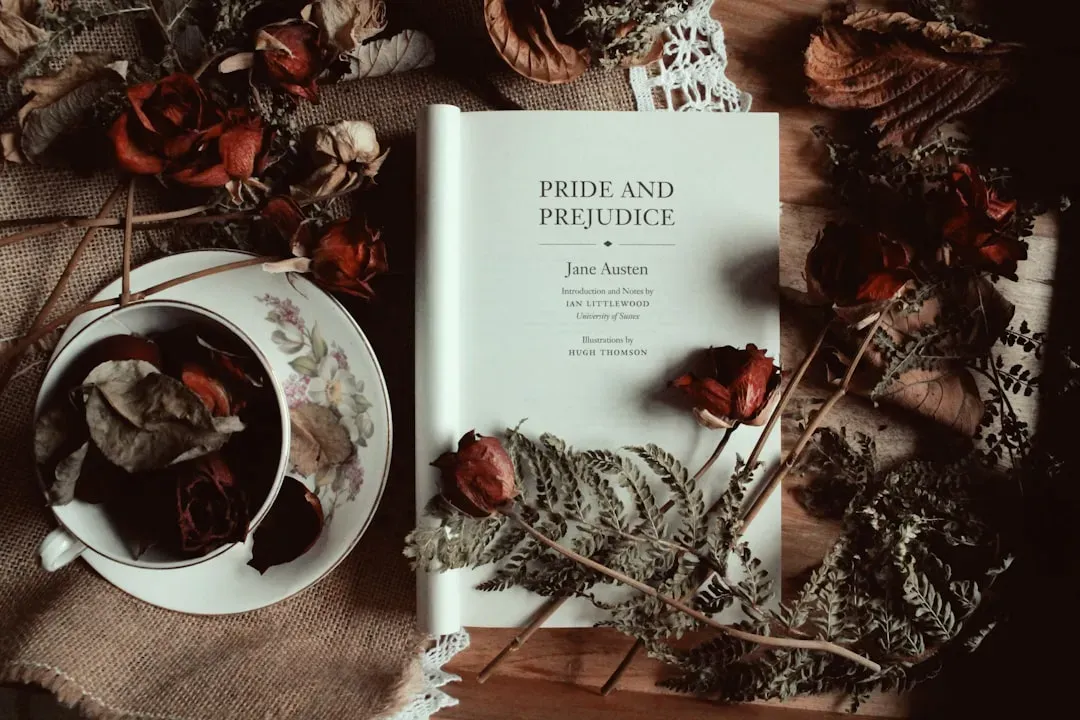
With a brilliantly facetious opening, Austen sets the tone for her entire novel, establishing themes and creating immediate ironic tension. The line not only undercuts society’s expectations of men and women but also foregrounds the development of her most compelling protagonist, Elizabeth Bennet. That irony is precisely what makes the sentence so endlessly adaptable – the template works for almost any subject you care to insert into it.
Seth Grahame-Smith’s parody Pride and Prejudice with Zombies demonstrated this perfectly, reworking the line to begin: “It is a truth universally acknowledged that a zombie in possession of brains must be in want of more brains.” The novel and the first line itself have been imitated, adapted, and parodied numerous times across the decades. Austen’s sentence remains, arguably, the single most imitated opening line in the English language.
2. “Call me Ishmael.” – Herman Melville, Moby-Dick (1851)
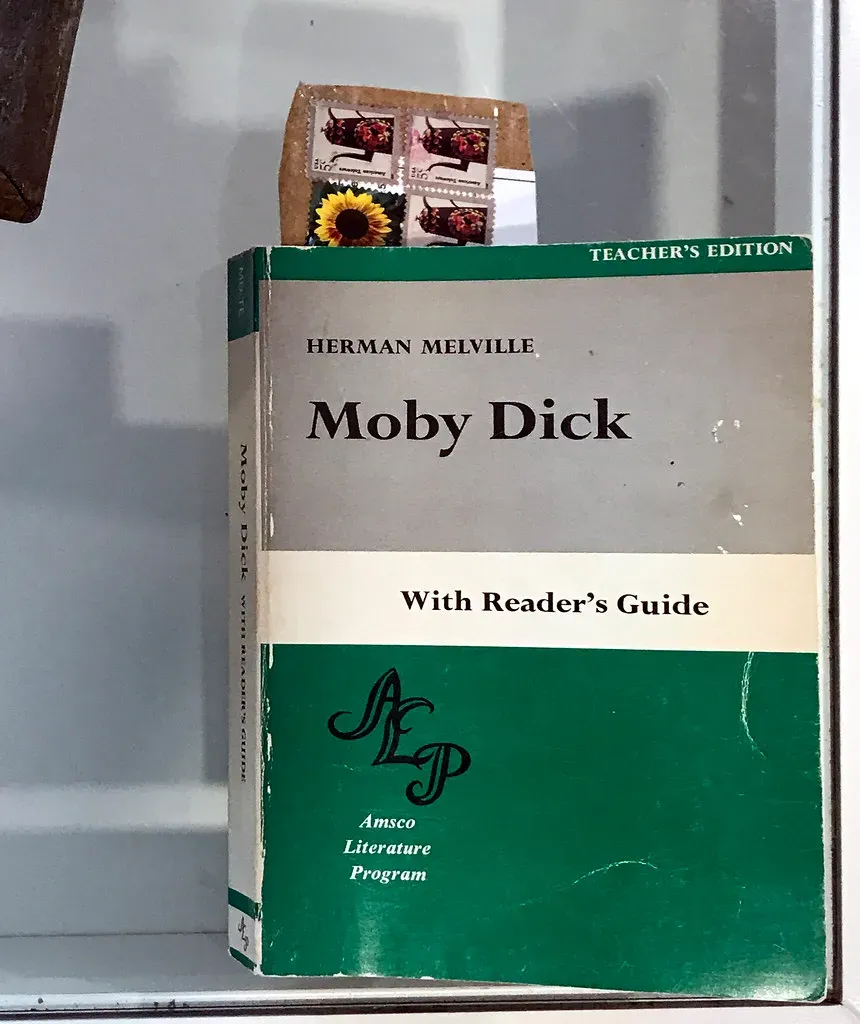
With one of the most famous opening lines in literature, Melville instantly grabs the reader’s attention with a simple command. The narrator does not disclose his actual name – instead, he tells us to call him something else, which immediately unsettles the reader’s assumptions about who is speaking. Three words. An entire tradition of imitation launched from three words.
The sentence has been rewritten in creative writing classrooms around the world for well over a century. Imitation exercises are standard in creative writing workshops, and they were – and still are – extremely helpful for developing writers. “Call me Ishmael” functions as a kind of shorthand for the direct, commanding narrator voice, and countless students and novelists have reached for it as their structural model when attempting their own unconventional first-person openings.
3. “It was the best of times, it was the worst of times…” – Charles Dickens, A Tale of Two Cities (1859)
This is one of the longest first sentences in the history of novels, and it is full of paradoxes. Dickens uses it to highlight the similarities and differences between England and France in the late 1700s while simultaneously revealing the core conflicts explored throughout the entire novel. The repeating, contrapuntal structure – “it was the best… it was the worst” – is what writers keep stealing.
Juxtaposing themes fuel the novel: war and romance, order and disorder, justice and corruption. The opening sets up the chaos of the French Revolution and invites readers to understand its reverberating influence. Journalists, comedians, and novelists have repurposed this rhythm so frequently that it has become something close to a verbal meme. Plug in any topic, repeat the structure, and the irony practically writes itself.
4. “To be, or not to be, that is the question.” – William Shakespeare, Hamlet (c. 1600)
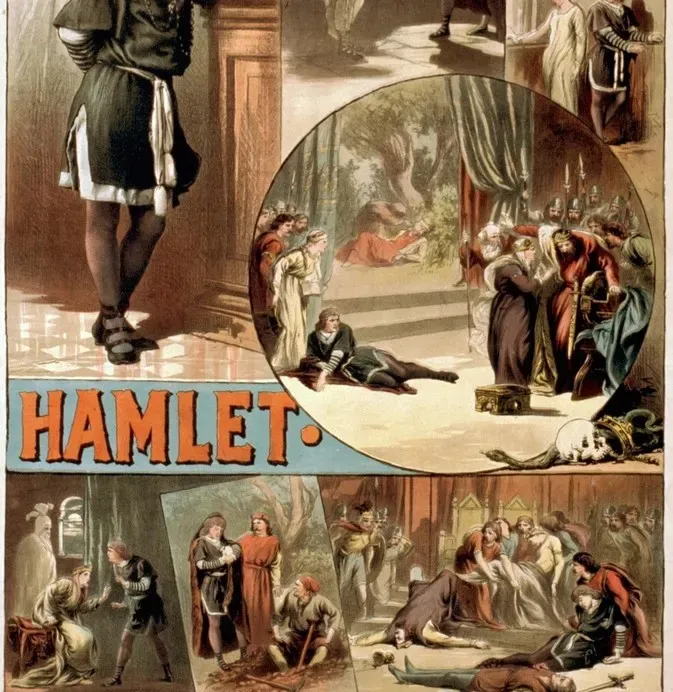
No sentence in the entire English literary tradition has been rewritten more persistently than this one. The late 17th and early 18th centuries saw a period in which writers consciously adapted classical models, and the plays of William Shakespeare were actually rewritten along neoclassical lines during this era. Hamlet’s soliloquy was among the most frequently touched. The sentence’s philosophical structure – a binary choice compressed into a single, rhythmically balanced question – is a template that transfers to almost any dilemma imaginable.
Philosophers, advertisers, stand-up comedians, and political speechwriters have all reached for this sentence’s skeleton. Parody can serve a constructive purpose, or it can be an expression of admiration. It may also simply be a comic exercise. Shakespeare’s line has attracted all three motivations simultaneously, which is part of why it keeps reappearing in new guises every decade without ever feeling exhausted.
5. “Happy families are all alike; every unhappy family is unhappy in its own way.” – Leo Tolstoy, Anna Karenina (1878)

Tolstoy’s elaborate novel revolves around the trials and tribulations of numerous families during late 19th-century Russia, portraying a vivid picture of Russian culture and family life. By immediately constructing a contrast between families who are happy and those who are unhappy, Tolstoy prepares readers for an exploration of how love, lust, religion, and fate determine happiness. The sentence’s logical structure, with its confident first clause and its subversive second, is irresistible to writers who want to mimic the feeling of a grand universal statement.
This is widely considered a dark but wise opening to Tolstoy’s complex and thematically diverse novel. It takes the reader through a broad range of topics, and the novel is widely considered one of the greatest ever written in any language. Novelists writing about families in particular tend to reach for this sentence’s formal structure when they want to announce, right from the first line, that their book intends to say something true about the human condition.
6. “Someone must have been telling lies about Josef K.” – Franz Kafka, The Trial (1925)
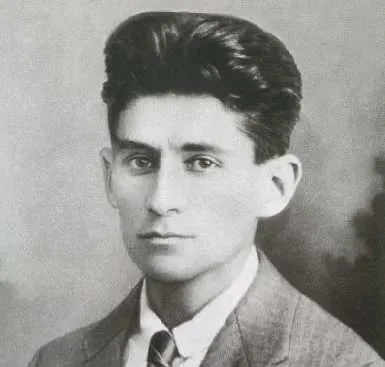
This opening line begins a chain of events that make little sense to both the protagonist, Josef K., and to readers. The use of “someone” and the passive construction of “was arrested” set readers’ imaginations afire with questions, pulling them immediately into the story. The deliberate vagueness is architectural. Kafka built a sentence that withholds precisely the information a reader most wants.
That technique – the confident, matter-of-fact delivery of something deeply wrong – has been imitated in literature, film, and journalism countless times. Literary scholar Professor Simon Dentith defines parody as “any cultural practice which provides a relatively polemical allusive imitation of another cultural production or practice.” The literary theorist Linda Hutcheon observed that parody “is imitation, not always at the expense of the parodied text.” Writers drawn to Kafka’s sentence tend to use it with genuine admiration rather than mockery, attempting to capture his unsettling logic for their own darker purposes.
Partner offer
7. “It was a dark and stormy night…” – Edward Bulwer-Lytton, Paul Clifford (1830)
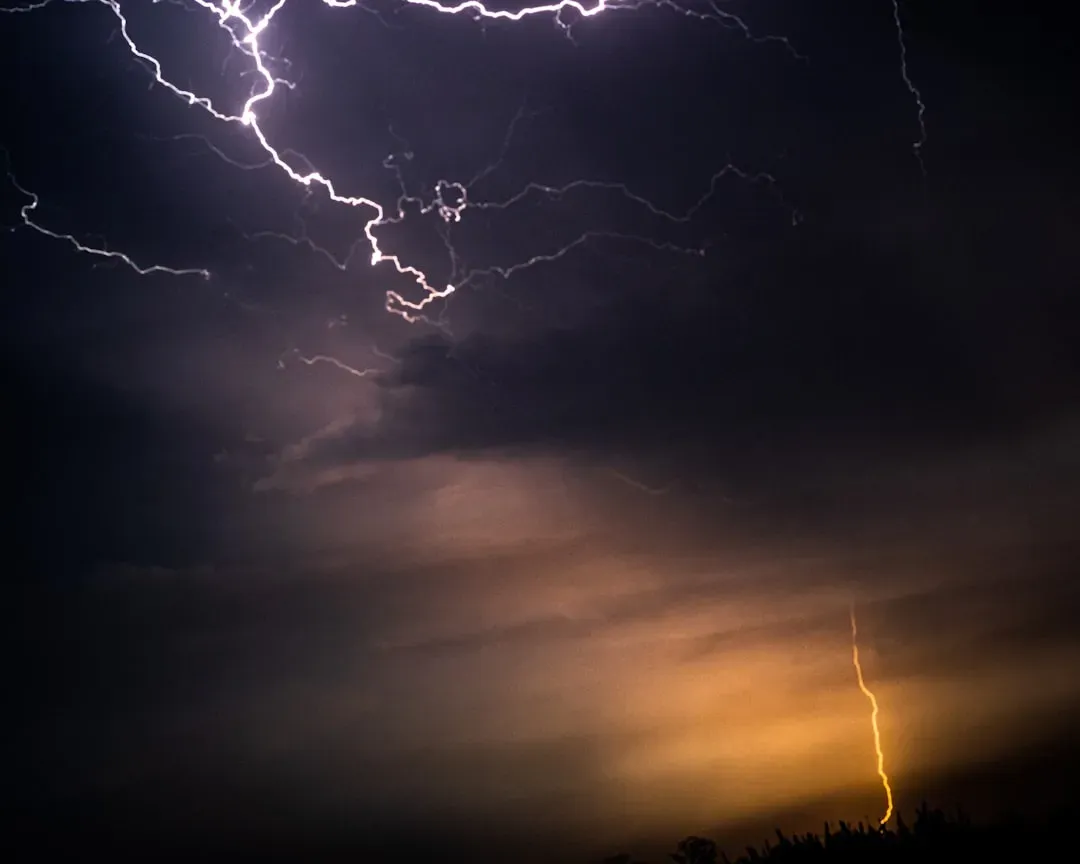
The full opening of Paul Clifford is an elaborate, weather-drenched scene-setting paragraph, and almost immediately after the book’s publication, it was regarded as an exceptional piece of writing. By the middle of the twentieth century, the line had become so familiar it had turned into a cliché. Few sentences in literary history have made this journey quite so dramatically – from celebrated to mocked, and then celebrated again precisely because of the mockery.
In 1962, Madeleine L’Engle paid homage to the line when she opened her classic novel A Wrinkle in Time with the exact same words. The Bulwer-Lytton Fiction Contest, a long-running annual competition dedicated to crafting deliberately terrible opening sentences, has taken this line as its entire premise. Thousands of writers each year submit their own worst versions of it – which means the sentence is, paradoxically, one of the most creatively generative in the history of bad prose.
8. “Many years later, as he faced the firing squad…” – Gabriel García Márquez, One Hundred Years of Solitude (1967)
The full line reads: “Many years later, as he faced the firing squad, Colonel Aureliano Buendía was to remember that distant afternoon when his father took him to discover ice.” The sentence performs an extraordinary structural trick – it sets three time frames in motion simultaneously, and the contrast between the violence of a firing squad and the innocence of discovering ice for the first time creates an emotional shock that writers have been trying to replicate ever since.
The opening line gets its hooks into the reader by contrasting the horror of facing a firing squad with a potentially very fond memory of a father taking a son on a journey of discovery. That the discovery was of something seemingly so normal – ice – makes it all the more intriguing. Writing students in particular are often assigned this sentence as a model for how to use non-linear time structure within a single clause. Its influence on Latin American fiction, and on world fiction more broadly, is enormous.
9. “It was a bright cold day in April, and the clocks were striking thirteen.” – George Orwell, Nineteen Eighty-Four (1949)
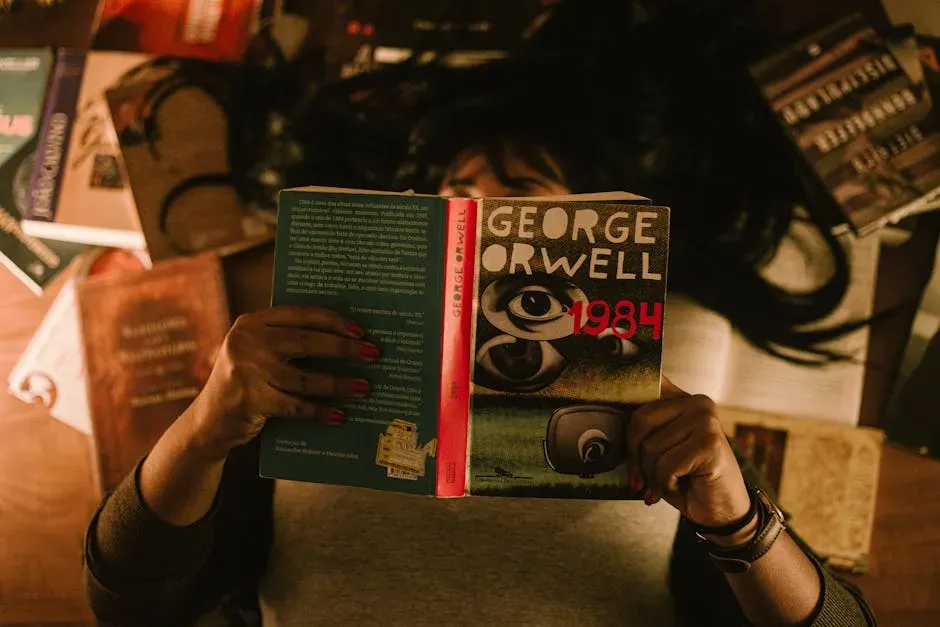
This is a classic opening line and one that causes the first-time reader to do a double-take. Clocks striking thirteen? What in God’s good name is Orwell suggesting? As it turns out, he is hinting at a society that has taken a dark and troubling turn. The sentence works because it begins with something reassuringly familiar – a bright April day – and then quietly, almost politely, announces that something is deeply wrong. That technique is deceptively difficult to pull off.
Writers attempting dystopian fiction have used this sentence as a template so frequently that it’s essentially become a genre convention. The structure – ordinary observation followed by one quietly impossible detail – signals to readers that the world of the story looks familiar but operates by different rules. Orwell managed it in just seventeen words, which is why so many writers keep trying to do the same.
10. “Alice was beginning to get very tired of sitting by her sister…” – Lewis Carroll, Alice’s Adventures in Wonderland (1865)
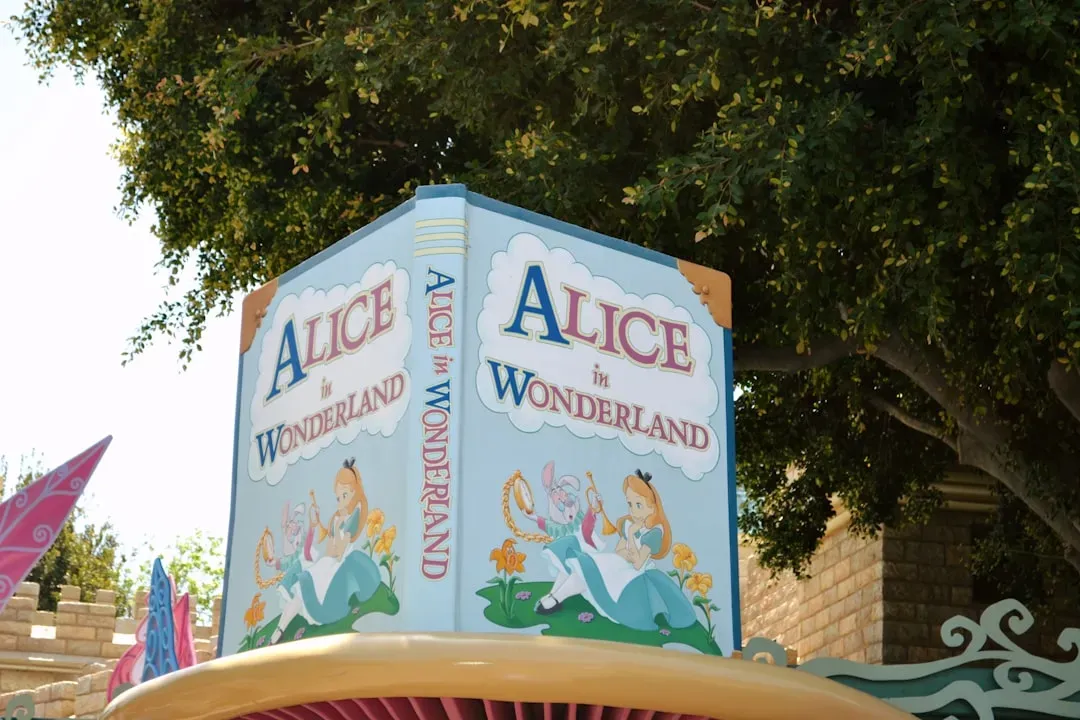
There’s no attempt at brevity from Lewis Carroll in the opening of his children’s classic, and given the fantastical nature of the adventures to follow, nor should there be. This opening line is both playful and enticing, hinting that this book won’t be anything like what a reader might expect. Carroll illustrated the initial manuscript himself, and the novel features memorable conversations with all manner of interesting characters.
Alice’s Adventures in Wonderland has been influential across the cultural spectrum for more than a century and a half, and it still captivates readers young and old. The deceptively simple narrative voice Carroll establishes – reasonable, slightly bored, observational – has been borrowed repeatedly by writers of children’s fiction and adult literary fiction alike. The trick of grounding a fantastical story in a recognizably mundane emotional state (boredom, mild irritation) turns out to be one of the hardest things in fiction to imitate well.
11. “Whether I shall turn out to be the hero of my own life…” – Charles Dickens, David Copperfield (1850)
J.D. Salinger’s Holden Caulfield explicitly references this novel’s opening conventions at the very start of The Catcher in the Rye, dismissing “all that David Copperfield kind of crap” in his famously anti-confessional introduction. The Catcher in the Rye is considered one of the best coming-of-age books ever written. Dickens’s original sentence launched what became one of the defining templates of first-person narrative fiction: a narrator wondering, out loud, whether they are the protagonist of their own story.
That self-questioning opening has been reworked in countless novels since, often by writers who want to signal that their narrator is unreliable, insecure, or acutely aware of being observed. The sentence carries a kind of structural anxiety that readers find immediately compelling. It asks the most honest question a narrator can ask – and suggests, by asking it, that the answer might not be straightforward.
12. “Ships at a distance have every man’s wish on board.” – Zora Neale Hurston, Their Eyes Were Watching God (1937)

It’s not often that an opening line works as both a brilliant way into a story and a handy aphorism, but that’s precisely what you get on page one of one of the crowning novels of the Harlem Renaissance. Hurston’s sentence is unusual in this list because it operates as pure poetry disguised as prose. It doesn’t introduce a character or set a scene in any conventional sense – it announces a philosophy about desire and distance that colors everything that follows.
Creative writing instructors have used this sentence for decades to illustrate how an opening can be simultaneously lyrical and thematically precise. Imitating the work of other writers opens up students’ imaginations to what might be possible when creating their own prose. Imitation does something else, too: it helps you understand the original much better than simply reading it. Placing yourself in the writer’s position allows you to think about each decision she has made in crafting her work. Hurston’s sentence rewards that kind of close attention more than almost any other in the American canon.
What unites every sentence on this list is not just elegance – it’s a kind of structural openness, a quality that invites other writers to step inside the frame and rearrange the furniture. The most rewritten sentences are never accidental. Each one contains, buried inside its rhythm, a generosity that says: here is how I did it. Now you try.
Partner offer
Planning a trip to Vegas?
Compare hotel rates and show tickets on VEGAS.com.