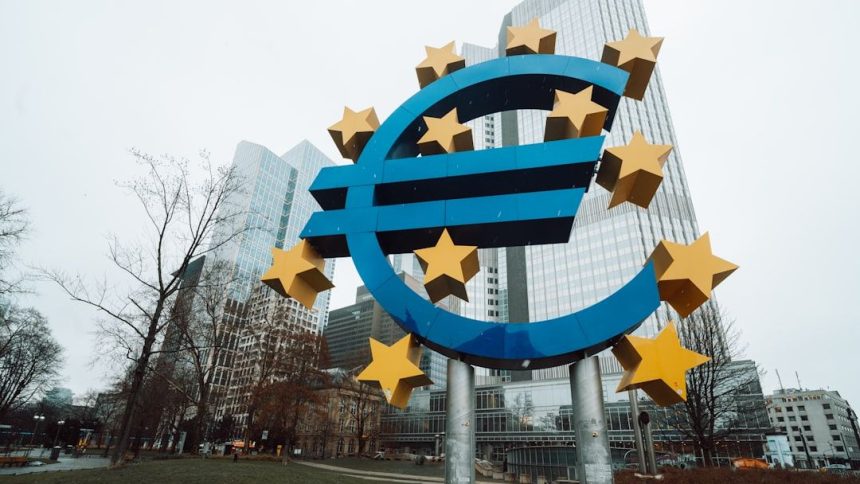
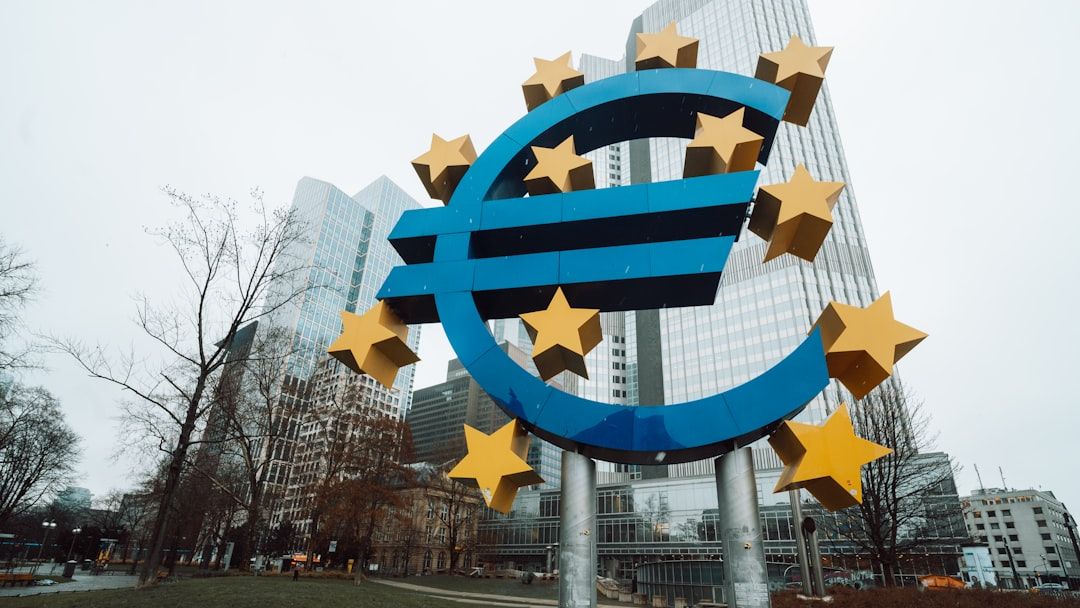
The EU-Mercosur deal takes effect – but the fight over it goes on – Image for illustrative purposes only (Image credits: Unsplash)
Brussels – Parts of the long-awaited EU trade pact with the Mercosur nations entered provisional force on Friday, marking a tentative step toward one of the world’s largest free-trade zones. Spanning 720 million people across Europe and South America, the deal promises expanded market access after more than two decades of negotiations plagued by delays. Yet even as tariffs begin to ease, opposition from key member states underscores the challenges ahead.
A Quarter-Century Journey to This Moment
Negotiations between the European Union and the Mercosur bloc – comprising Argentina, Brazil, Paraguay, and Uruguay – began in 1999. Progress stalled repeatedly due to clashing interests, particularly around agriculture and industrial exports. Germany pushed hard for the agreement to bolster its automotive and machinery sectors, while France and Poland raised alarms over potential floods of inexpensive South American meat and poultry.
French President Emmanuel Macron blocked finalization early last year, but political shifts following elections weakened that resistance. European Commission President Ursula von der Leyen secured a handshake with Mercosur leaders in December and finalized the signing this January. Pro-deal forces mustered the required supermajority to authorize provisional implementation of the trade provisions, overriding a narrow European Parliament vote for judicial scrutiny.
Immediate Shifts in Trade Barriers and Opportunities
The pact gradually removes duties on over 90 percent of EU exports to Mercosur, targeting sectors like cars, pharmaceuticals, wine, sparkling beverages, and olive oil. Non-tariff hurdles, such as labeling requirements, will also diminish, while public procurement opens to EU firms bidding on government contracts. Commission projections forecast a 39 percent rise in EU exports to the region by 2040, reaching €50 billion.
“The benefits are real and visible as of now,” von der Leyen noted in a social media post. “Tariffs start falling. Companies are gaining access to new markets. Investors have the predictability they need.” Still, most reductions phase in over 10 to 15 years, tempering short-term gains. Oliver Richtberg, head of foreign trade at Germany’s VDMA engineering federation, observed that economic impacts would emerge mainly in the medium to long term.
For certain luxury items like French Champagne, relief came sooner – sparkling wines already enjoyed duty-free status, down from 20 percent. These changes position EU businesses for broader reach in Latin America, though full effects depend on sustained implementation.
Agricultural Quotas: Limited Access with Built-in Limits
Mercosur beef faces a reduced 7.5 percent tariff on the first 99,000 metric tons entering the EU annually, with excess volumes still at 40 percent. That quota matches Europe’s domestic beef output over just five days, minimizing immediate market disruption. Similar arrangements apply to poultry and other farm goods, balancing openness with protection.
“The first installment of the agriculture quotas will happen on both sides and hardly anyone will notice. Certainly, there will be no visible effect in the EU beef market,” said Rupert Schlegelmilch, a former Commission official involved in the talks. Provisional rollout promises a subdued start, allowing time to assess real-world dynamics without overwhelming local producers. Pablo Sader, Uruguay’s ambassador to the EU, framed the moment as “a qualitative shift” after two decades, yet stressed it opens merely a new phase rather than the endgame.
Unresolved Hurdles and Broader Implications
European Parliament members triggered a review by the Court of Justice of the EU, potentially delaying a final consent vote by up to two years. National parliaments in all 27 member states must also approve the full agreement, which would replace the current interim trade measures. Rejection at any stage would force renegotiation.
Bernd Lange, chair of the Parliament’s trade committee, expressed optimism: Europe could be “confident that by the time Parliament takes [its] final decision, [the] agreement will already have borne economic and political fruit.” Trade Commissioner Maroš Šefčovič argued the deal mirrors a prior Singapore pact that passed muster, warning that delays risk China reclaiming dominance as Mercosur’s top partner – “By 2032, we will be back in the situation from 10 years ago.”
Potential expansions loom, with Colombia, Panama, Bolivia, and even a suspended Venezuela showing interest. Sources near European Council President António Costa view such growth as a means to foster regional integration elsewhere. As provisional benefits accrue, the pact tests the EU’s ability to navigate internal divides while securing global footing.