There is something quietly humbling about a memory technique that has outlasted empires, survived the fall of Rome, passed through medieval monasteries, and still shows up at competitive memory championships today. Most people encounter the term “memory palace” through a TV show or a productivity blog and assume it is either an elaborate metaphor or a trick reserved for savants. Neither is true.
The mechanics behind memory palaces are grounded in how the human brain actually processes space and information together, not separately. Understanding why this works, and why civilizations across millennia kept returning to it, tells you something genuinely interesting about the architecture of the mind.
1. The Banquet That Started Everything
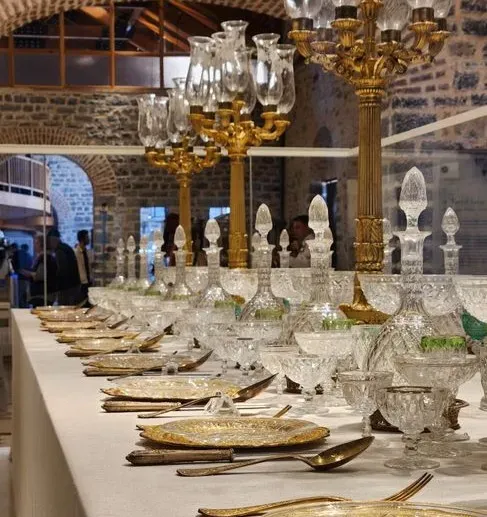
The method of loci is traditionally associated with the Greek poet Simonides of Ceos, who is said to have used it to recall the seating arrangement at a banquet hall that collapsed, allowing him to identify the crushed victims by remembering where each person had been seated. It was a grim insight, but a precise one. This led him to the realization that spatial memory could be leveraged to remember information more effectively.
The story appears in Cicero’s De Oratore from 55 BCE and was later recounted by Quintilian in Institutio Oratoria around 95 CE. A detailed description of the technique also appears in the anonymous Rhetorica ad Herennium, dating to around 90 BCE. These texts confirm that by the height of Roman intellectual life, the method was already considered a foundational skill rather than a novelty.
2. What a Memory Palace Actually Is
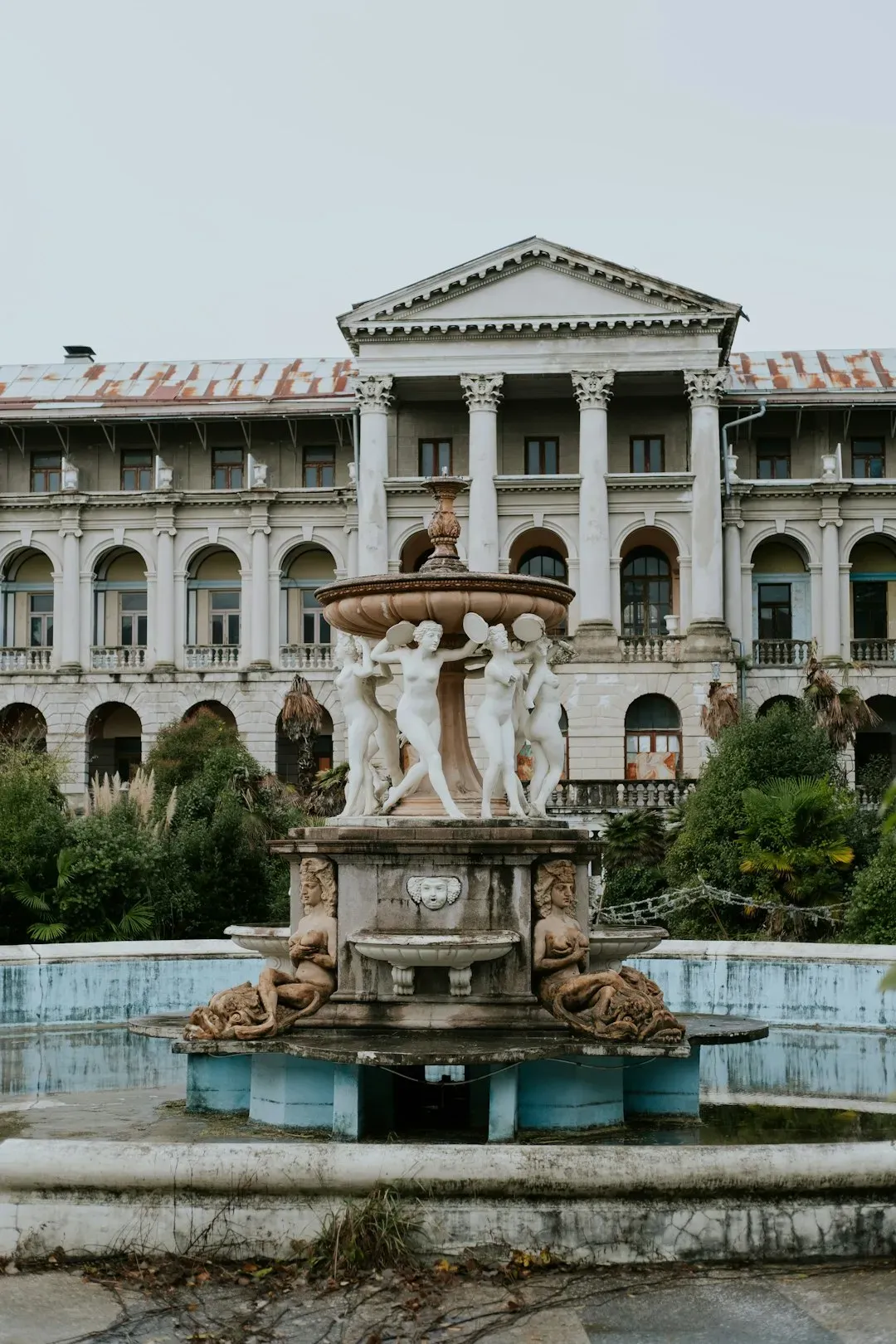
The technique involves associating the information you want to remember with specific locations in a familiar place, such as your home or a well-known building. By mentally walking through these locations, you can recall the information more easily. The structure is the scaffold; the information hangs from it like paintings on familiar walls.
Start with a location you know intimately: your home, a route you walk regularly, a school building you remember in detail. The location needs to be vivid and familiar enough that you can mentally walk through it in a fixed sequence without effort. Identify a series of distinct stations along your route, specific spots where you will place your images. Somewhere between five and twenty stations is a reasonable starting point.
3. The Brain Science Behind Why It Works
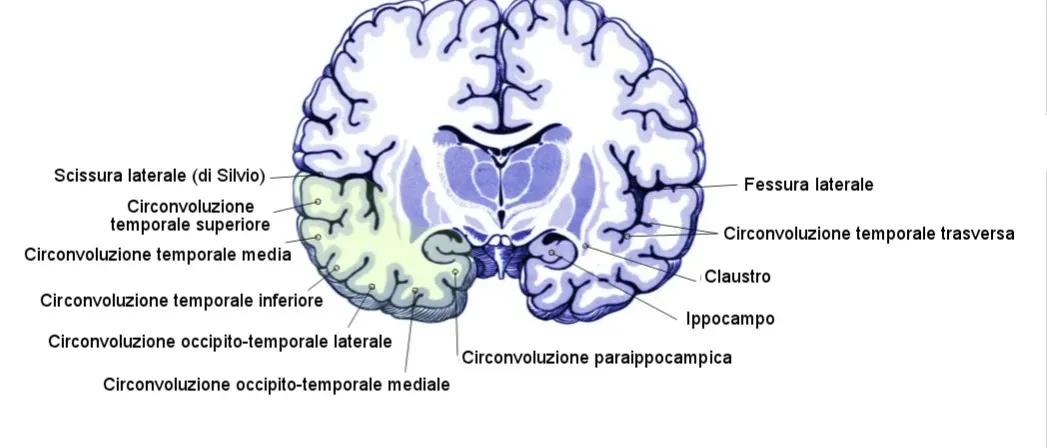
This ancient technique reveals something very fundamental about how our brains work. It turns out that the same parts of the brain are responsible both for memory and for navigating through the world. This is not a coincidence. It reflects a deep structural overlap in how the brain evolved to handle both tasks.
Studies have shown that spatial processing and memory formation are closely linked through the activity of the hippocampus, a brain region critical for encoding and retrieving memories. The hippocampus contains specialized neurons known as place cells, which activate when an individual is in a specific location, and grid cells, which create a coordinate-like system to track movement through space. These cells work together to form a mental map of one’s surroundings, enabling effective spatial navigation and memory association.
4. Associative Binding: The Hidden Mechanism
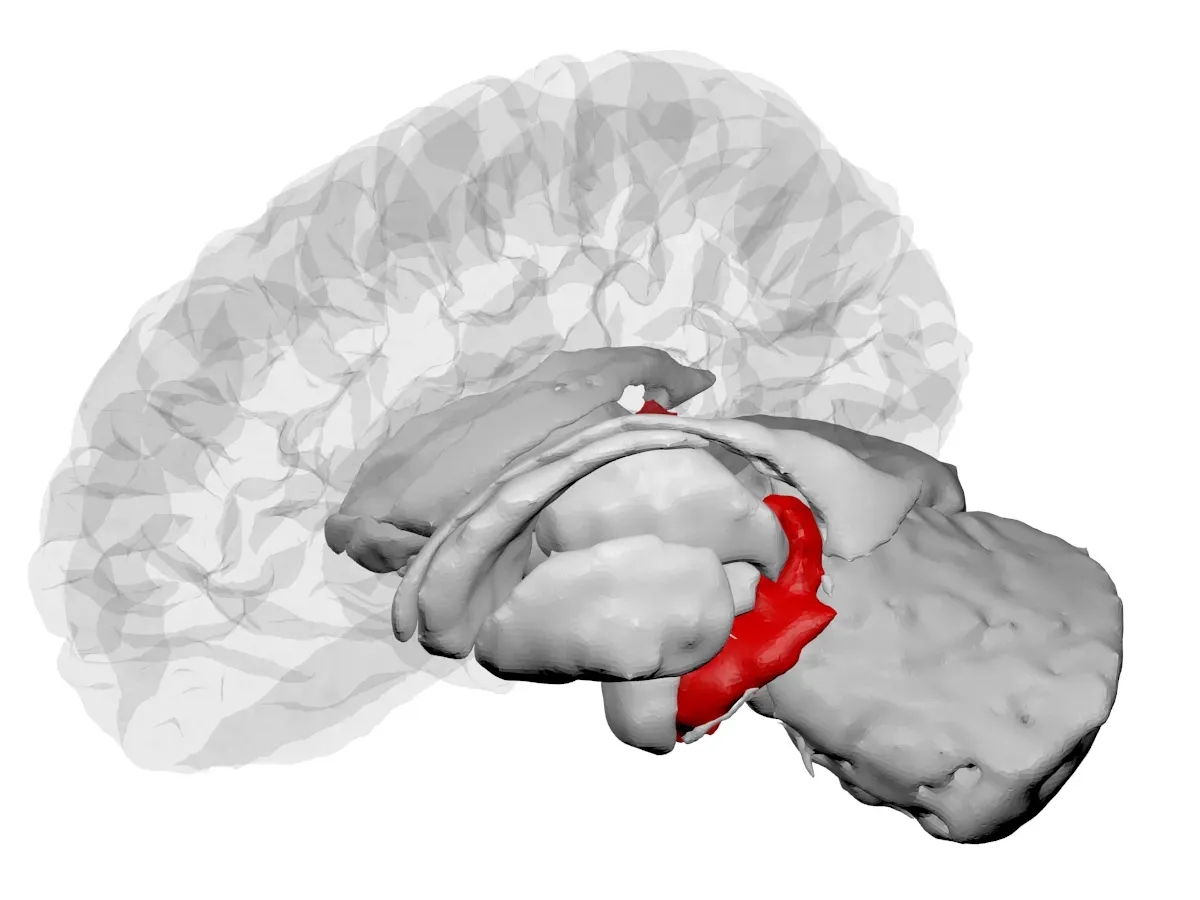
The hippocampus is the area of the brain where short-term memories are consolidated into long-term memories. It is excited by information that is spatial; any knowledge you associate with a position in space gets it going. If you are thinking of a location in your memory palace at the same time as you memorise new information, your neural pathways will actually link the two concepts. This is what neuroscientists call “associative binding.”
Neuroscientific research indicates that this method activates the hippocampus more strongly than rote memorization, effectively linking new information to pre-existing neural networks. Functional MRI studies show that individuals trained in spatial mnemonic techniques exhibit heightened hippocampal activity, demonstrating the neural efficiency of this approach. The ancient Greeks did not have brain scanners, but they had arrived at the same conclusion through observation alone.
5. How Roman Orators Weaponized It
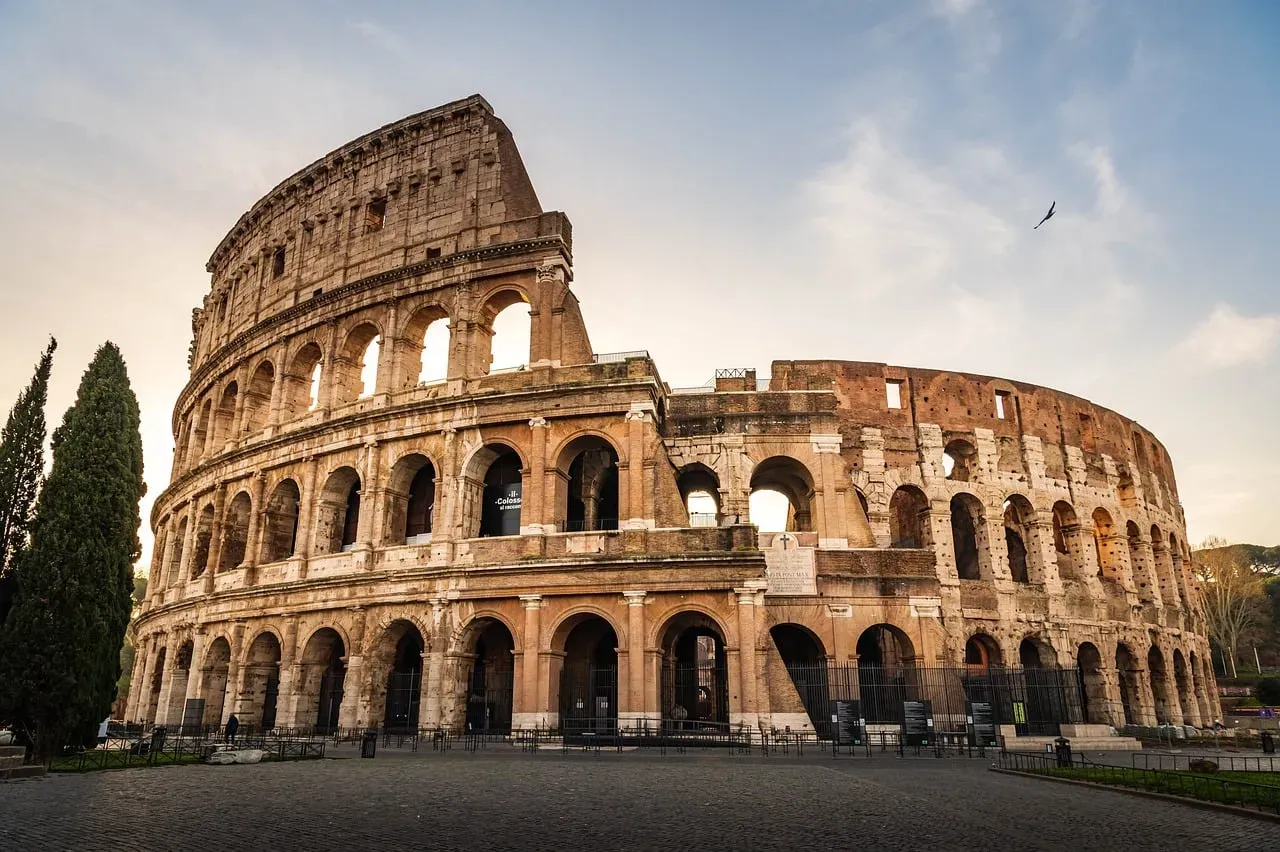
In ancient times, the use of memory palaces was ably demonstrated by Greek and Roman orators such as Isocrates, a renowned rhetorician, and Cicero, the legendarily eloquent statesman. These charismatic speakers planned their lengthy oratory by creating imagined journeys through the streetscapes and buildings of their cities. As they performed their great speeches, they would mentally walk these journeys, recalling the prepared material from each location.
Partner offer
The method of loci is a spatial mnemonic technique that dates back to ancient Greek times. Orators, philosophers, and others had to rely on memory for memorizing speeches and knowledge in general, as the printed book only came into use roughly two thousand years later. They devised various memory techniques, and this is one of the most powerful. The memory palace was not an academic exercise – it was a political instrument.
6. The Medieval Monks Who Kept It Alive
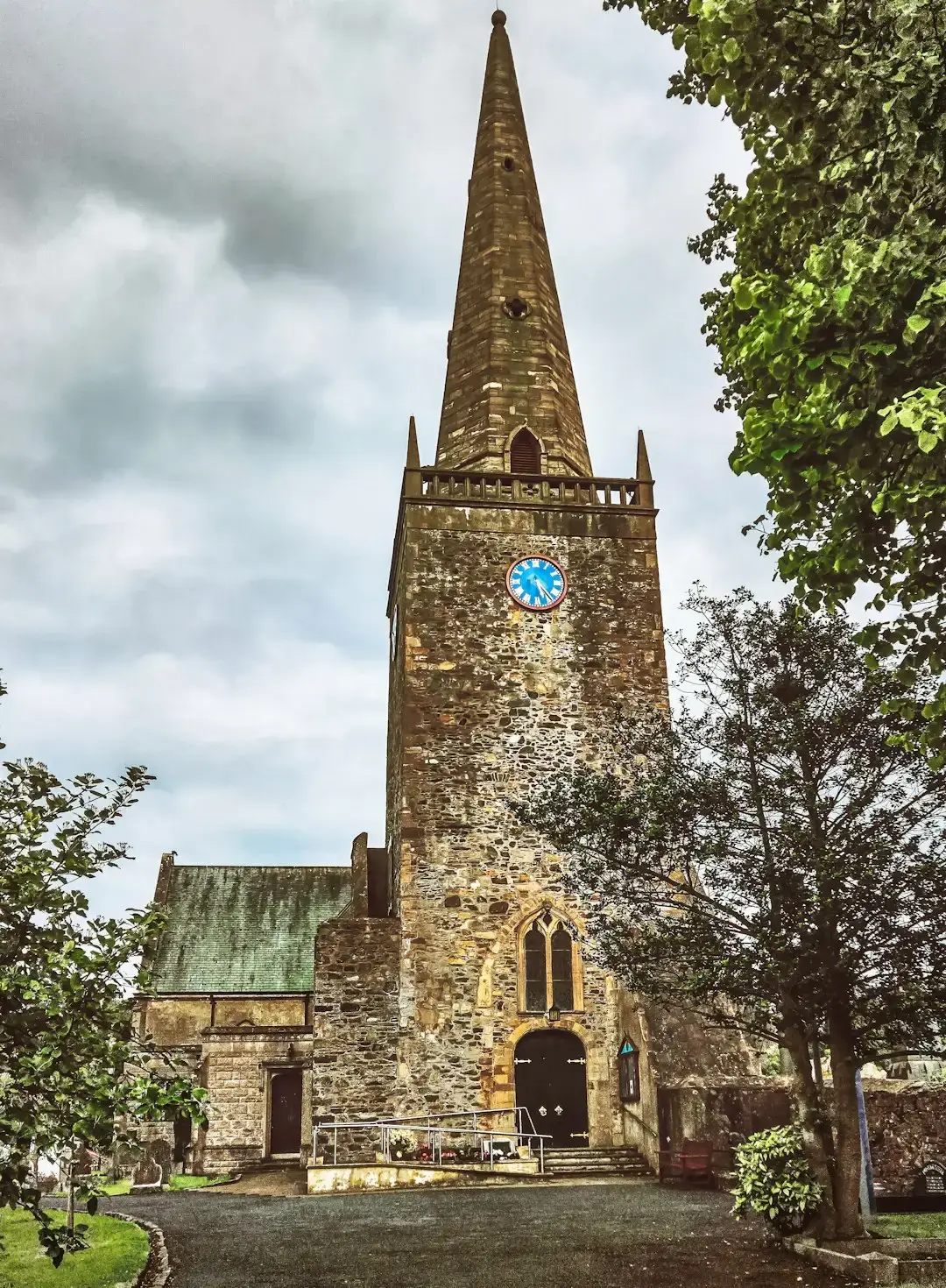
Most European scholars and teachers in the Middle Ages were Christian monks and priests. In their fervor to bring the Bible to life, they expanded the use of memory palaces. Many religious students meditated on the Bible by mentally placing images of people they knew into scenes from the Old or New Testament, so that they could feel the same things as the saints, angels, disciples, and even Jesus himself.
Medieval scholars used memory techniques for theological study, creating elaborate mental structures to organize religious knowledge. Some even made religious paintings from the scenes they had imagined in memory palaces, and then used the paintings to meditate on. These were among the first paintings to give Jesus or his disciples physical form, as opposed to symbolic representation like the sign of the fish. The technique shaped devotional art in ways that went largely unrecognized for centuries.
7. Giordano Bruno and the Radical Expansion of the Palace
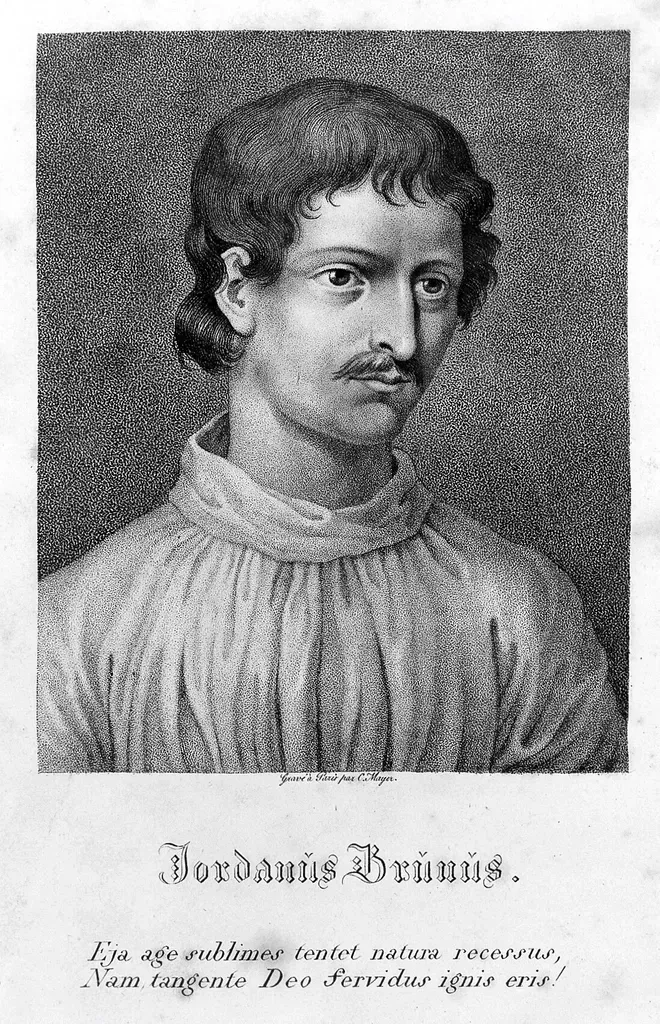
During the Renaissance, memory palaces gained popularity among scholars and were featured in treatises on memory. Giordano Bruno, a notable Renaissance philosopher and mnemonist, extended the method to include elaborate symbolic systems in conjunction with the spatial memory aspects of the loci method. His ambitions for the technique went far beyond anything Cicero had imagined.
Burned at the stake in 1600 for heresy, this Dominican friar, philosopher, and memory master left behind a profound legacy that merged mysticism, cosmology, and cognitive technology. At the heart of his work lies an elaborate system of memory techniques that he called not merely mnemonic devices, but cognitive magic – a transformative practice that promised to reshape the mind itself. According to one influential interpretation, his memory system was intended to fill the mind of the practitioner with images representing all knowledge of the world.
8. Retrieval: The Walk That Brings It Back
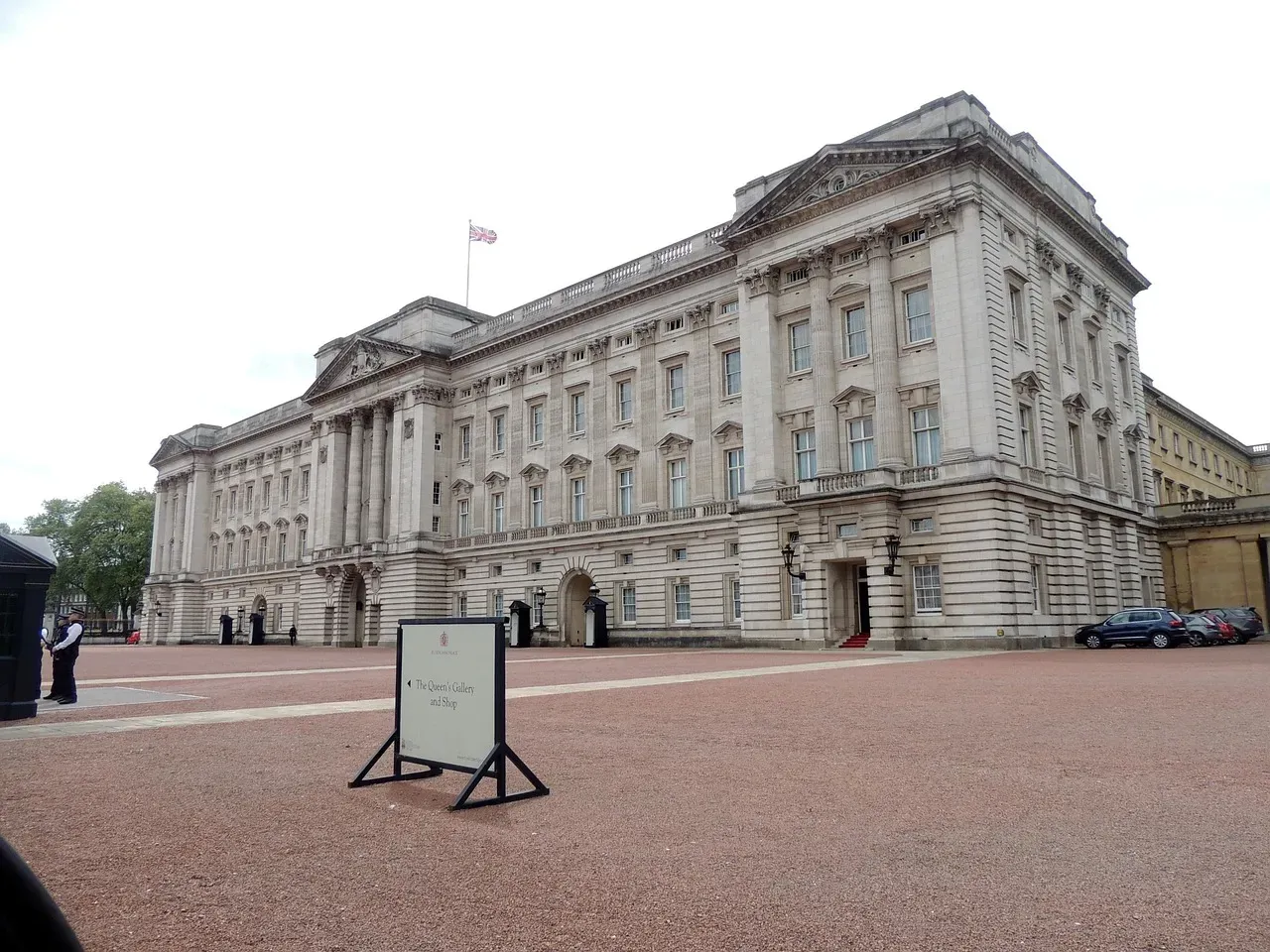
Mentally walk through your palace and deposit each image at its designated station, spending a few seconds to really see it there before moving on. Retrieval is the reverse walk. You move through the same locations in the same sequence, encounter each image, and translate it back into the information it represents. The directionality matters. Sequence is the engine of recall.
Memory palaces and other techniques work because memorizing events, objects, people, emotions, and locations coincides much more with human reality than pure abstract information, leading to higher retention. With practice, the walk becomes automatic and the images sharpen rather than fade. What begins as deliberate construction gradually becomes instinctive retrieval.
9. Memory Palaces in Modern Competitive Memory
The method of loci is the same method world memory champions still use today. It is the dominant technique used by competitors at the World Memory Championships and has been studied extensively. The sport has evolved considerably since its founding in 1991, but the core technique is still rooted in what Simonides reportedly discovered.
The 34th World Memory Championship 2025 marked a historic milestone as it was hosted for the first time in Ho Chi Minh City, Vietnam, from 12 to 14 December 2025. A total of 169 elite competitors from 15 countries participated in the world’s highest-level memory competition. A recent world record for the most decimal digits memorized in five minutes is 642, accomplished by Wei Qinru in 2024. These are not people with unusual brains. None of these competitors were born with great memories and have all learned techniques, including the memory palace, to make it easy for the brain to memorize vast amounts of information.
10. Why This Ancient Tool Still Matters in 2026
Researchers have looked to discover the differences between brains with superior memory and those with average memory, both in structure and capabilities, and whether their capabilities are innate or developed. Some research has found that there are no fundamental differences between brains with superior memory and the average person. Instead, many superior memorizers use mnemonic learning strategies to practice preferential engagement of areas of the brain such as the hippocampus and the medial parietal and retrosplenial cortices, which allows them to store and access more information in their working memory.
The results are consistent with a 2017 study which found that memory training can reshape brain networks to support memory formation. In that study, it also took a relatively short period of four months to make participants’ brain connections resemble those of memory athletes. There is something almost countercultural about a memory technique that requires no app, no subscription, and no device with a battery. The memory palace is still, after 2,500 years, exactly what it always was: a structured walk through a place you already know, carrying ideas you cannot afford to forget.
Partner offer
Planning a trip to Vegas?
Compare hotel rates and show tickets on VEGAS.com.