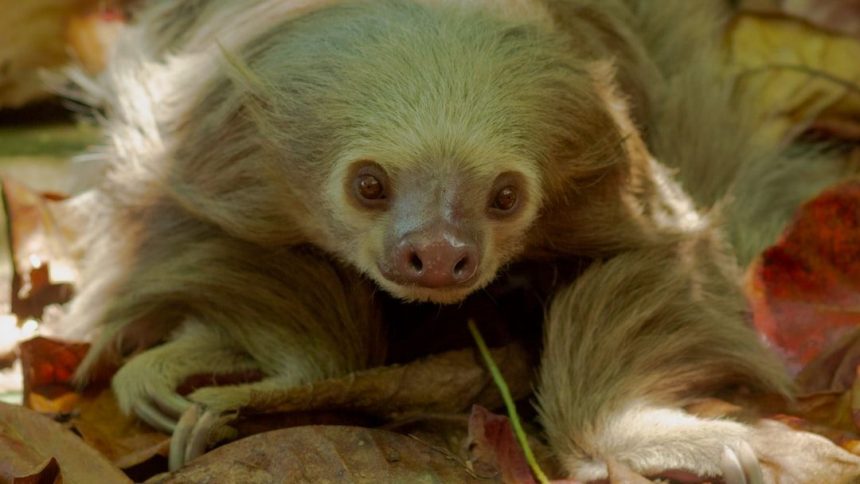
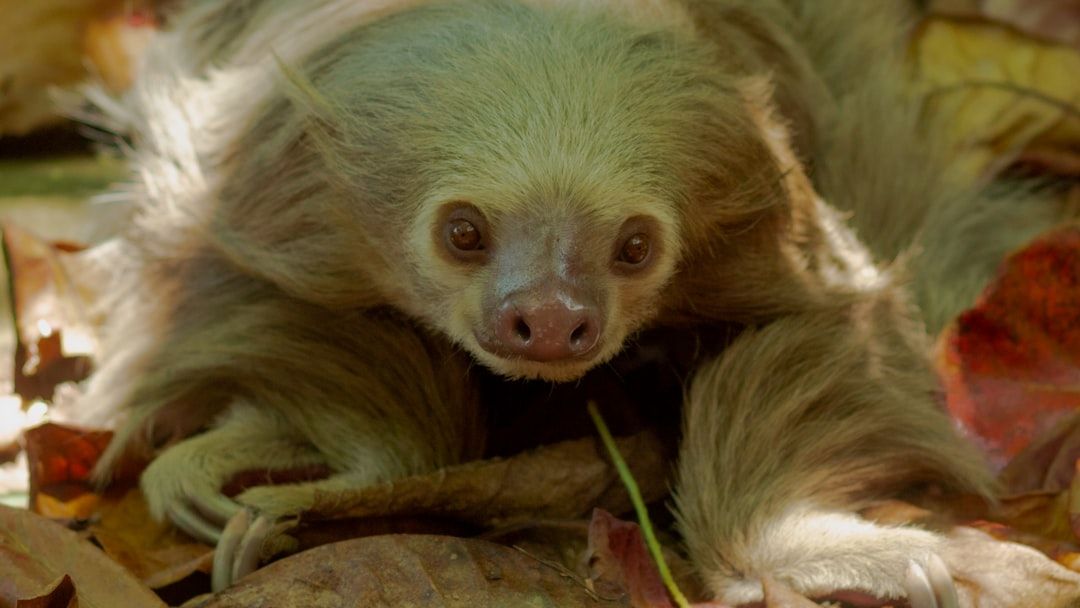
Florida Temporarily Bans Sloth Imports After Dozens Die at Orlando Business – Image for illustrative purposes only (Image credits: Unsplash)
Florida has placed a temporary halt on the importation of sloths, a decision that stems directly from the deaths of dozens of the animals at a shuttered Orlando business. The action follows a detailed investigation that exposed high mortality rates among wild-born sloths brought into the state for a planned tourist attraction called Sloth World. Officials described the move as necessary to address immediate welfare concerns while broader reviews continue.
Investigation Reveals Scale of Losses
An examination by Inside Climate News uncovered that most of the wild sloths imported for the attraction did not survive. The findings centered on conditions at the Orlando facility, which has since closed. State regulators responded by stopping further shipments of the animals into Florida, citing the need to prevent similar outcomes. The probe highlighted patterns in how the mammals were handled after arrival. Many arrived from their native habitats and faced challenges that proved fatal in large numbers. This documentation provided the factual basis for the import suspension, shifting attention from the failed project to regulatory safeguards.
State Action and Its Timing
Florida wildlife authorities issued the temporary ban in direct response to the reported deaths. The order applies statewide and affects any future attempts to bring sloths into the state for commercial or exhibition purposes. The now-closed Orlando operation served as the immediate trigger, though the policy carries implications beyond that single location. The decision reflects standard procedures when animal mortality rates reach elevated levels in imported wildlife. Regulators have indicated the pause will remain in place pending additional assessments of import practices and facility standards.
Why the Pause Carries Wider Weight
The suspension marks a notable step in how states manage the trade in exotic animals. Because Florida often serves as an entry point for such imports, the policy could influence practices elsewhere in the country. Wildlife advocates have pointed to the case as evidence that tighter oversight is needed for species with specialized care requirements. The episode also underscores ongoing questions about the viability of attractions that rely on wild-caught animals. With the Orlando site already shuttered, attention has turned to preventing repeat scenarios at other planned venues.
What matters now: The temporary import halt remains in effect while state agencies evaluate long-term rules for sloth shipments and similar wildlife imports.
The development leaves open the possibility of revised guidelines that could reshape how such animals are sourced and cared for in the future.