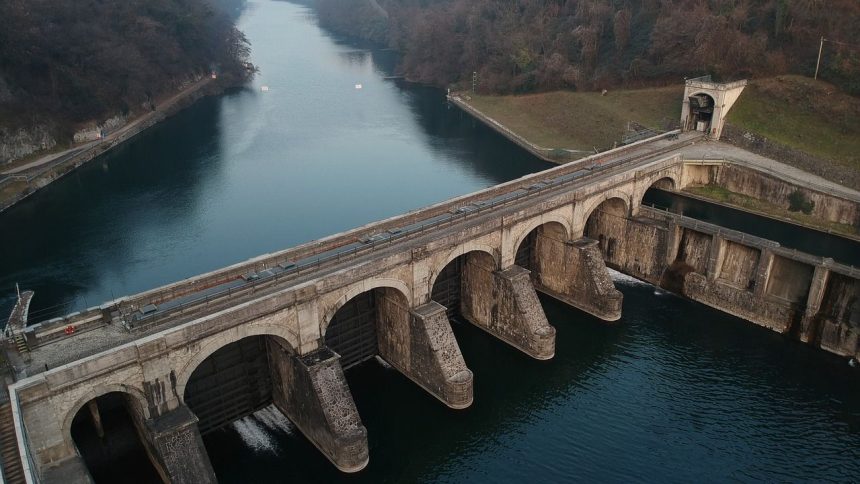

After a Century Powering Its Growth With Dams, Seattle Settles With Tribes That Lost Their River – Image for illustrative purposes only (Image credits: Pixabay)
Newhalem, Wash. – The Skagit River once sustained tribal fishing grounds and cultural practices for generations, yet the construction of three large dams more than a century ago redirected its waters to fuel Seattle’s rapid expansion. That trade-off left lasting effects on the river’s ecology and on the reservations downstream. Seattle City Light has now agreed to pay $1.35 billion to three tribes as part of the dams’ relicensing process, a step that will increase local electricity rates while directing resources toward river recovery and tribal lands.
The Dams That Built a City
More than a hundred years ago, crews began work on the first of three hydroelectric projects in a narrow gorge of the North Cascades. The facilities soon supplied reliable power that supported Seattle’s growth into one of the nation’s wealthiest cities. Over time, the structures altered natural river flows, reduced fish passage, and limited access to traditional resources for the tribes whose homelands surround the Skagit. The projects operated for decades with little formal recognition of those upstream and downstream consequences. Tribal communities watched as salmon runs declined and seasonal water patterns shifted. City leaders focused on meeting rising demand for electricity, treating the river primarily as an energy asset rather than a shared ecosystem.
Partner offer
Reaching the Settlement
The current agreement emerged during federal relicensing proceedings that required Seattle City Light to address long-standing tribal concerns. Under the terms, the utility will transfer $1.35 billion to the three affected tribes over the coming decades. The payment covers both direct compensation and funding for habitat restoration projects along the river corridor. Officials expect the added costs to appear gradually on customer bills, though the exact increase per household remains modest in early projections. The tribes will use portions of the funds to improve fish habitat, restore wetlands, and support cultural programs tied to the river. This approach marks a shift from past practices that prioritized power generation above other river uses.
Changes Ahead for the River and Communities
Restoration work funded by the settlement will target several measurable improvements. These include better fish passage around the dams, increased water flows during critical migration periods, and protection of remaining riparian areas. Tribal resource managers will lead many of the projects, drawing on generations of knowledge about the Skagit’s natural cycles. The agreement also opens new avenues for cooperation between the utility and the tribes on future river management decisions. Both sides have described the deal as a practical way to balance continued power production with environmental repair. Observers note that similar relicensing cases elsewhere have produced comparable payments, yet few have reached this scale. Key outcomes expected from the funds include:
– Expanded salmon recovery efforts in the Skagit basin
– Direct support for tribal reservation infrastructure
– Long-term monitoring of water quality and fish populations
– Joint planning for climate-related changes in river flow
Looking Forward
The settlement does not remove the dams or end hydroelectric generation on the Skagit. Instead, it creates a framework for ongoing investment in the river’s health while Seattle continues to draw power from the same facilities. For the tribes, the resources arrive at a moment when restoring salmon runs and cultural connections to the water carries added urgency amid shifting climate patterns. The practical result is a clearer path for both the city and its neighbors to share the river’s benefits more evenly in the years ahead.
Partner offer
Planning a trip to Vegas?
Compare hotel rates and show tickets on VEGAS.com.