Every year, the Academy hands out its Best Picture trophy with all the ceremony and fanfare the industry can muster. Every year, a portion of the film world watches in quiet disbelief. Sometimes the winner is a genuinely worthy choice. Sometimes, looking back a decade or two later, it’s hard to understand what the voters were thinking. The Academy Awards are an established and revered tradition that has evolved throughout the years, and while many Oscar-winning films are beloved, there are equally many Oscar-worthy films that missed winning the Golden Statue – and these titles include some of the most critically acclaimed and influential films of all time. The eight films below represent the cases critics argue most loudly, and most convincingly.
Citizen Kane (1941) – Lost to How Green Was My Valley
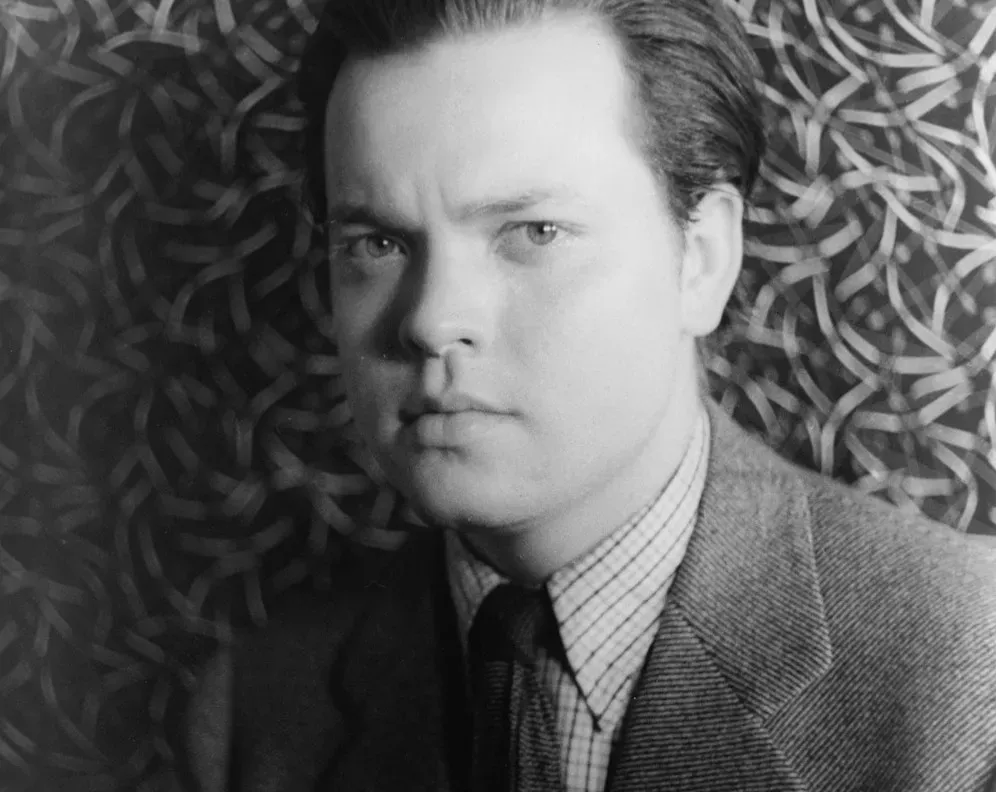
To this day, “Citizen Kane” missing out on the Best Picture prize is near-universally regarded as one of the worst cases of the Oscars getting their top prize wrong, a decision that quickly aged poorly with the benefit of a little hindsight. Orson Welles’ portrait of a media magnate’s rise and ruin rewrote what cinema was technically capable of doing, and its innovations in deep focus photography and non-linear storytelling remain textbook material nearly a century on.
How Green Was My Valley had the misfortune of winning against Citizen Kane, one of the most revolutionary and innovative films ever made. To this day, Orson Welles’ bitingly tragic tale of a newspaper magnate’s life and death remains one of the most acclaimed movies of all time, and a perennial top-ten placer in any greatest films list. Many still believe that, given its stature and impact, it was robbed of the best picture win; regardless, Citizen Kane continues to be hailed as a masterpiece to this day.
Taxi Driver (1976) – Lost to Rocky

Rocky had a budget under one million dollars and went on to become a box office phenomenon, grossing the equivalent of over one billion dollars today, and its success story rivaled the character’s journey at the heart of the film. Nobody wants to diminish that achievement. Still, the critical community has long held a different view of which film from that year’s lineup deserved the trophy.
No one should take away from Rocky’s Best Picture victory, but it goes without saying that Martin Scorsese’s Taxi Driver was the best film among the Best Picture nominees. Considering Scorsese did not even land a Best Director nomination, it wasn’t a surprise that his masterpiece didn’t take the top prize. Travis Bickle’s descent into urban alienation has since become one of the most studied characters in American film history, with the movie regularly appearing near the top of critical all-time rankings.
Raging Bull (1980) – Lost to Ordinary People

Martin Scorsese’s Raging Bull – now ranked number four on AFI’s list of greatest films of all time – seemed a heavyweight going into the Oscar race. Filmed entirely in black and white at a time when that was a deliberate artistic choice, it turned Jake LaMotta’s brutal self-destruction into something almost operatic. The performances from Robert De Niro and Joe Pesci remain benchmarks of the craft.
Ordinary People attracted some unnecessary ire for beating out Raging Bull for Best Picture, despite being a great movie in its own right. With that said, Martin Scorsese’s skillful examination of tortured boxer Jake LaMotta was flat-out the better choice for the award, despite the raw violence depicted, which no doubt turned off certain members of the Academy. It wasn’t until 2007 that a Scorsese film, The Departed, finally nabbed a Best Picture Oscar.
GoodFellas (1990) – Lost to Dances With Wolves
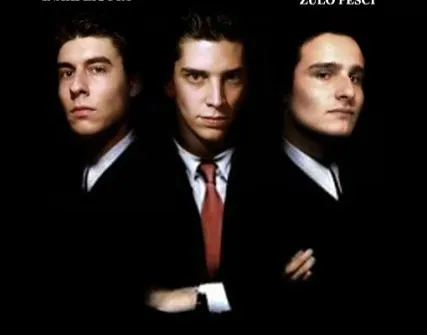
Many believe Scorsese should have won earlier with his 1990 gangster film masterpiece GoodFellas. The film stars Ray Liotta, Robert De Niro, and Joe Pesci and is considered to be a staple of the genre and, to many, Scorsese’s best film. While it received no shortage of praise and nominations upon release, GoodFellas ultimately lost out on the top prize to Kevin Costner’s Dances With Wolves.
According to review aggregator Rotten Tomatoes, nearly all critics have given the film a positive review, with an average rating of 9.00 out of 10. The website’s critics consensus reads: “Hard-hitting and stylish, GoodFellas is a gangster classic – and arguably the high point of Martin Scorsese’s career.” Metacritic assigned the film a weighted average score of 92 out of 100, indicating universal acclaim. In his review for the Chicago Sun-Times, Roger Ebert gave the film a full four stars. The gap between GoodFellas’ enduring critical standing and its empty-handed Oscar night has never really closed.
Pulp Fiction (1994) – Lost to Forrest Gump
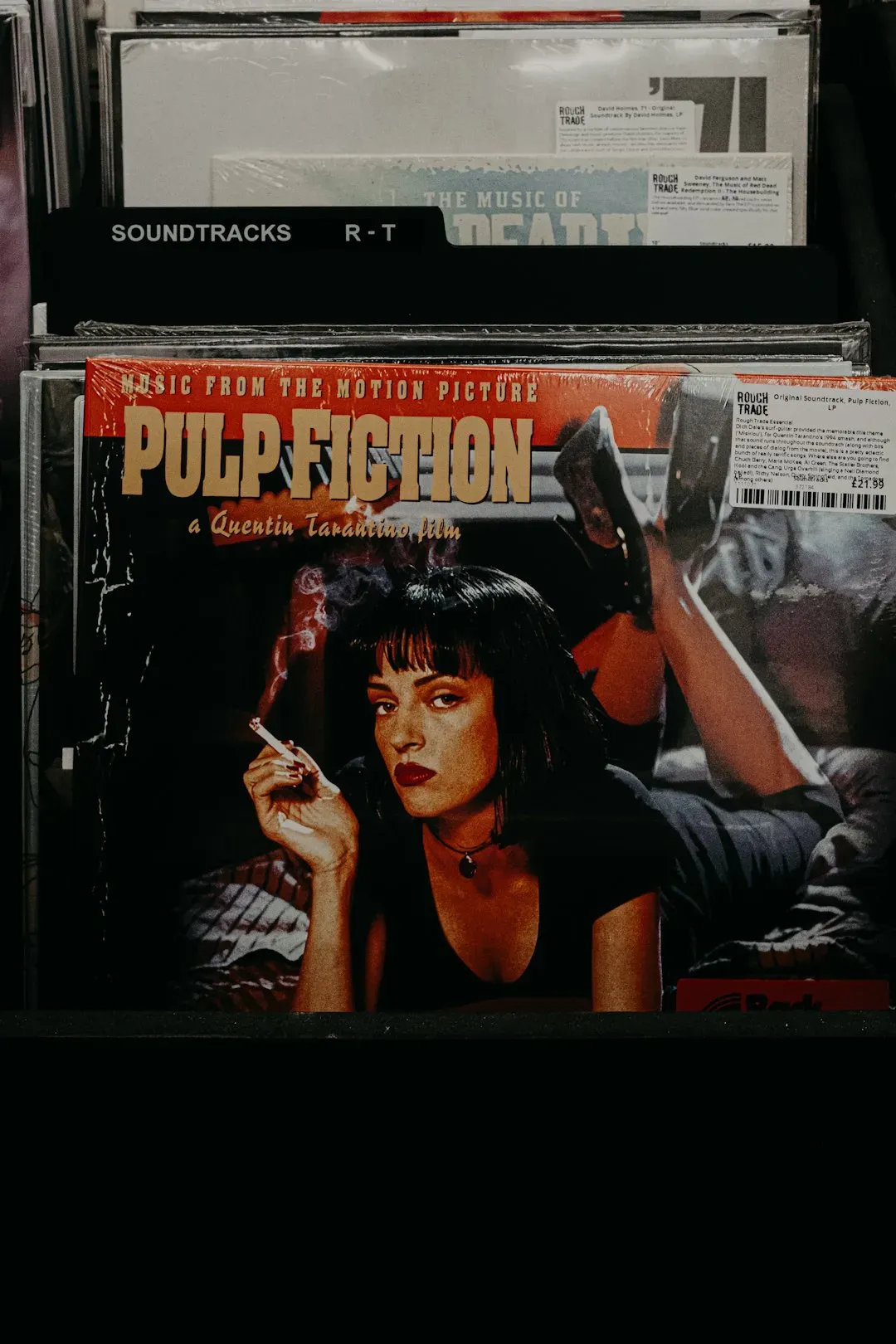
In 1994, there were several films attempting to redefine cinema, but few did so with such originality and invention as Quentin Tarantino’s Pulp Fiction. The film took audiences by storm and impressed critics all while redefining modern cinema and influencing an entire generation of would-be filmmakers. Pulp Fiction was nominated for several awards and was expected by many to win the Academy Award for Best Picture, especially considering that it had beaten out many other masterpieces at Cannes for the Palme d’Or.
Despite its popularity, the film ultimately lost out to the hit Forrest Gump, which is still considered a beloved film, though many have stated that Tarantino’s movie was more deserving of the top prize. While the race for Best Picture in 1994 was crowded with great nominees like The Shawshank Redemption, it’s hard to dispute that Pulp Fiction’s innovative nature made it arguably the most deserving. In perhaps the most controversial Best Picture loss of all time, Pulp Fiction couldn’t beat out the power of Forrest Gump. It was seen as a clash between generations and moviemaking sensibilities.
Saving Private Ryan (1998) – Lost to Shakespeare in Love
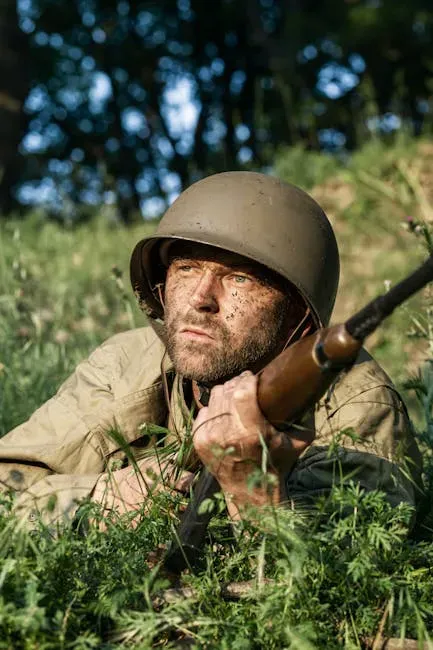
The nasty Oscar battle between Saving Private Ryan and Shakespeare in Love has been well documented, and the latter’s Best Picture win over Steven Spielberg’s war epic is often called the biggest upset in Oscars’ history. The film’s opening D-Day sequence alone is widely cited by critics and filmmakers as one of the most technically and emotionally devastating sequences ever committed to film.
Saving Private Ryan is Spielberg’s most muscular feat of filmmaking and a definitive war movie that should have been a no-brainer for Best Picture based on its Normandy invasion opening alone. Many analysts attribute Shakespeare in Love’s win to producer Harvey Weinstein’s lobbying. The Los Angeles Times captured the next-day fallout, with talk of aggressive campaigns and disputed reports about millions spent to win the room. The result remains one of the most litigated decisions in the ceremony’s long history.
Fargo (1996) – Lost to The English Patient
Fargo not winning Best Picture at the 1997 ceremony was another textbook case of Oscar voters choosing staid historical dramas – this particular year’s winner was The English Patient – over more exciting, original voices in cinema. The Coen Brothers had crafted something genuinely rare: a crime thriller set in the frozen American Midwest that managed to be darkly funny, morally precise, and entirely unlike anything else in theaters that year.
The English Patient has been dubbed a near-sighted pick by critics in a year when Fargo and Jerry Maguire were also nominated. The Academy snubbed the Coen brothers for years. The first of their films to win Best Picture was No Country for Old Men in 2007. Fargo remains one of the most frequently cited examples of the Academy choosing sweep-worthy prestige over daring, original filmmaking. Its reputation has only strengthened with time.
The Social Network (2010) – Lost to The King’s Speech
In 2011, The Social Network was the early favorite to win the Best Picture Oscar, but then The King’s Speech came from behind to take the top prize. The Social Network had taken home the bulk of the top prizes at the Critics’ Choice Awards, winning best picture, best director, best adapted screenplay, and best score. Critics had essentially handed Fincher’s film the trophy before the ceremony even began.
The Social Network’s 95 Metascore indisputably beat The King’s Speech’s 88 on Metacritic. The subject matter aged into something bigger. In 2010, it was about Facebook’s rise. Now, after years of tech scandals and global impact, it feels even more pointed. The reality is that The King’s Speech has faded from cultural conversations while The Social Network maintains its standing. Few Oscar losses feel more stark in retrospect than this one.