
Opening weekend numbers can feel like a final verdict, though film history keeps showing they aren’t. Plenty of movies that struggled in theaters have since become fixtures on best of all time lists, film school syllabi and streaming queues.
The ten films below all underperformed financially or were overlooked when they arrived. Time, home video and word of mouth changed how each one is remembered, and the figures cited are the commonly reported ones.
Blade Runner (1982)

Ridley Scott’s science fiction noir cost roughly 28 million dollars to make. It grossed only a little more than that in the United States, and it opened against hits like E.T. the Extra-Terrestrial. Reviews at the time were divided, with many critics finding it cold and slow.
Its reputation grew through home video and the release of alternate cuts, especially the Final Cut in 2007. The Library of Congress selected it for the National Film Registry in 1993. Its look still shapes how films depict futuristic cities, and Denis Villeneuve’s sequel followed in 2017.
Fight Club (1999)

David Fincher’s adaptation of the Chuck Palahniuk novel reportedly cost about 63 million dollars. It earned roughly 100 million worldwide, which fell short of what the studio hoped for. Critics were split, and some reviewers objected strongly to its violence.
DVD sales turned it into a lasting phenomenon, and it now appears regularly on lists of the best films of its decade. It remains one of the most quoted and debated movies of the era. Its twist is among the best known in modern cinema.
The Shawshank Redemption (1994)

Frank Darabont’s prison drama earned only around 16 million dollars in its original US run against a budget of about 25 million. That happened even though it received seven Academy Award nominations. A crowded release season and a title audiences found hard to remember didn’t help.
Cable television and rentals gave it a second life, and it eventually became one of the most beloved films ever made. It has sat at or near the top of IMDb’s user ratings chart for years. Few box office flops have been rehabilitated so completely.
It’s a Wonderful Life (1946)
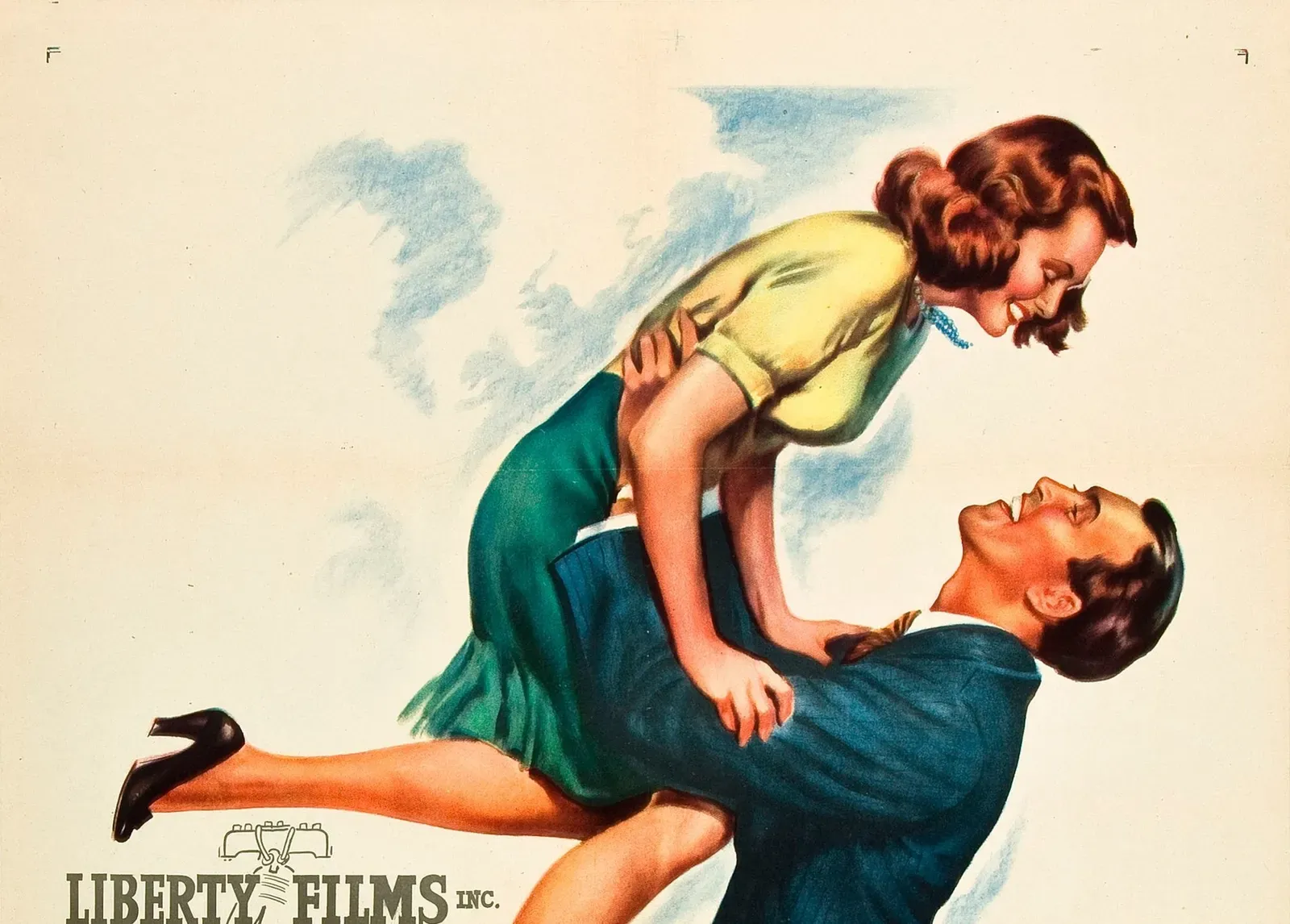
Frank Capra’s holiday classic is often cited as a financial loss for its studio on first release, with a reported shortfall of several hundred thousand dollars. It earned Oscar nominations but didn’t win the big prizes. Reviews were mixed to warm, and it wasn’t treated as a major event.
Its fortunes changed after its copyright lapsed in the 1970s, which allowed television stations to air it repeatedly at no cost. It became a seasonal staple, and the American Film Institute later placed it high on its list of the greatest American films. Today, it’s difficult to imagine December without it.
The Thing (1982)

John Carpenter’s creature feature arrived in the same month as Blade Runner and E.T., and audiences weren’t in the mood for something so bleak. It made roughly 20 million dollars in the United States on a budget of about 15 million. Many critics at the time were harsh about its graphic effects.
Partner offer
Horror fans and later critics came to admire Rob Bottin’s practical effects and the film’s paranoid tone. It’s now routinely listed among the best horror films ever made. A 2011 prequel carried the same title and didn’t match its standing.
Donnie Darko (2001)

Richard Kelly’s debut was released shortly after the September 11 attacks, and its plane engine plot point made marketing awkward. It earned only about a million dollars in its initial US run, against a budget of around four and a half million. Distribution was limited, and few people saw it in theaters.
DVD and midnight screenings built a devoted following over the next few years. A director’s cut was released in theaters in 2004, and the film became a touchstone for a generation of viewers. Critics now often cite it among the best films of the 2000s.
The Big Lebowski (1998)
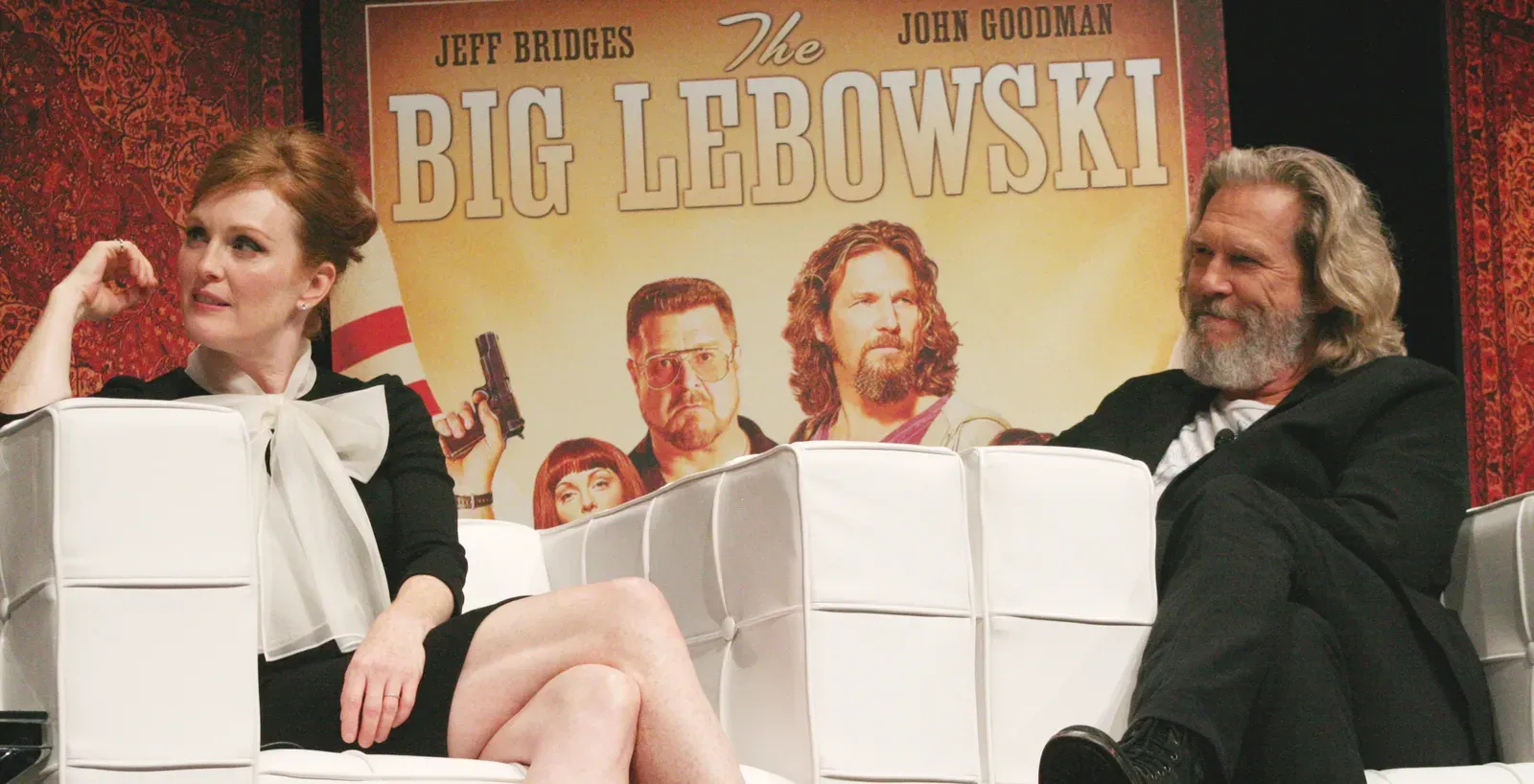
The Coen brothers’ follow up to Fargo made about 18 million dollars domestically on a budget of roughly 15 million. Reviews were positive but not rapturous, and the film seemed a minor entry in their catalog. It was overshadowed by the acclaim for its predecessor.
Repeat viewings on video turned it into a cult classic. It inspired annual Lebowski Fest gatherings, which began in 2002. Critics now frequently rank it among the best comedies of its era.
Children of Men (2006)
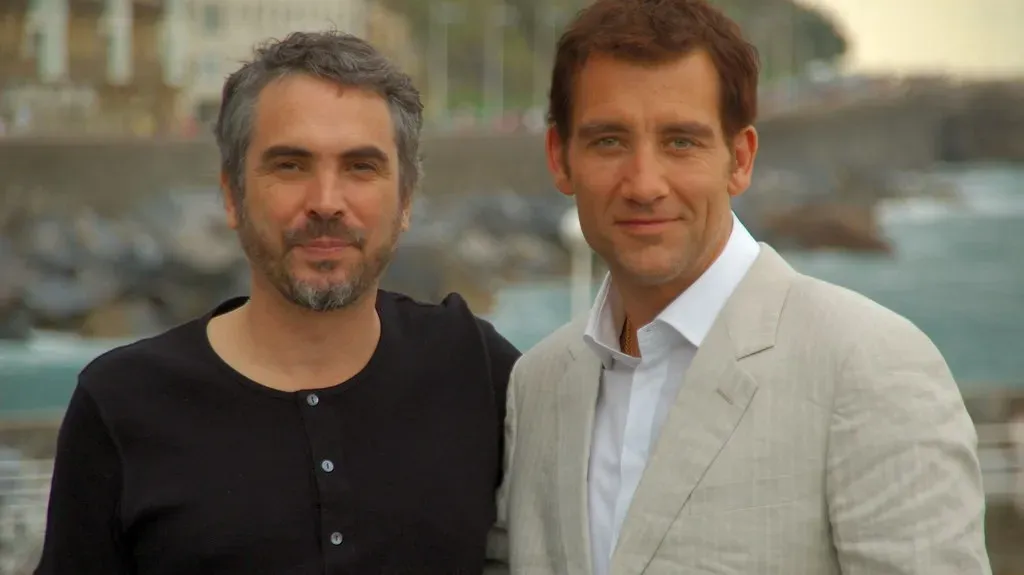
Alfonso Cuarón’s dystopian drama cost around 76 million dollars and earned roughly the same amount worldwide, so it didn’t turn much of a profit. It received three Oscar nominations, for adapted screenplay, cinematography and editing. Critics praised it from the start, but audiences stayed away.
Its long, unbroken action sequences have since been studied and imitated widely. Many critics now list it among the finest films of the 21st century. Its vision of social breakdown has also seemed more relevant to viewers as years have passed.
Scott Pilgrim vs. the World (2010)

Edgar Wright’s comic book adaptation cost about 60 million dollars and grossed around 47 million worldwide. The marketing struggled to explain its video game inspired style. Reviews were largely favorable, yet crowds didn’t materialize.
Home video and streaming gave it a loyal audience, and its cast, which included Michael Cera, Chris Evans and Brie Larson, looked even more impressive in hindsight. Interest in the property returned with a 2023 Netflix animated series that brought back much of the original cast. The film is now regularly described as a cult favorite.
Office Space (1999)

Mike Judge’s workplace comedy cost roughly 10 million dollars and earned only about 12 million in the United States. Fox didn’t promote it heavily, and it left theaters quickly. Reviews were decent but not strong.
Repeated airings on cable and strong DVD sales turned it into one of the most quoted comedies about office life. Scenes like the printer destruction are still referenced widely. Critics and audiences now treat it as a defining satire of corporate culture.
Partner offer
Planning a trip to Vegas?
Compare hotel rates and show tickets on VEGAS.com.